
No products in the cart.
Movies & TV Series
All The Paper Office Spinoff Easter Eggs and References Linking to The Office
All The Paper Office Spinoff Easter Eggs and References Linking to The Office
Introduction
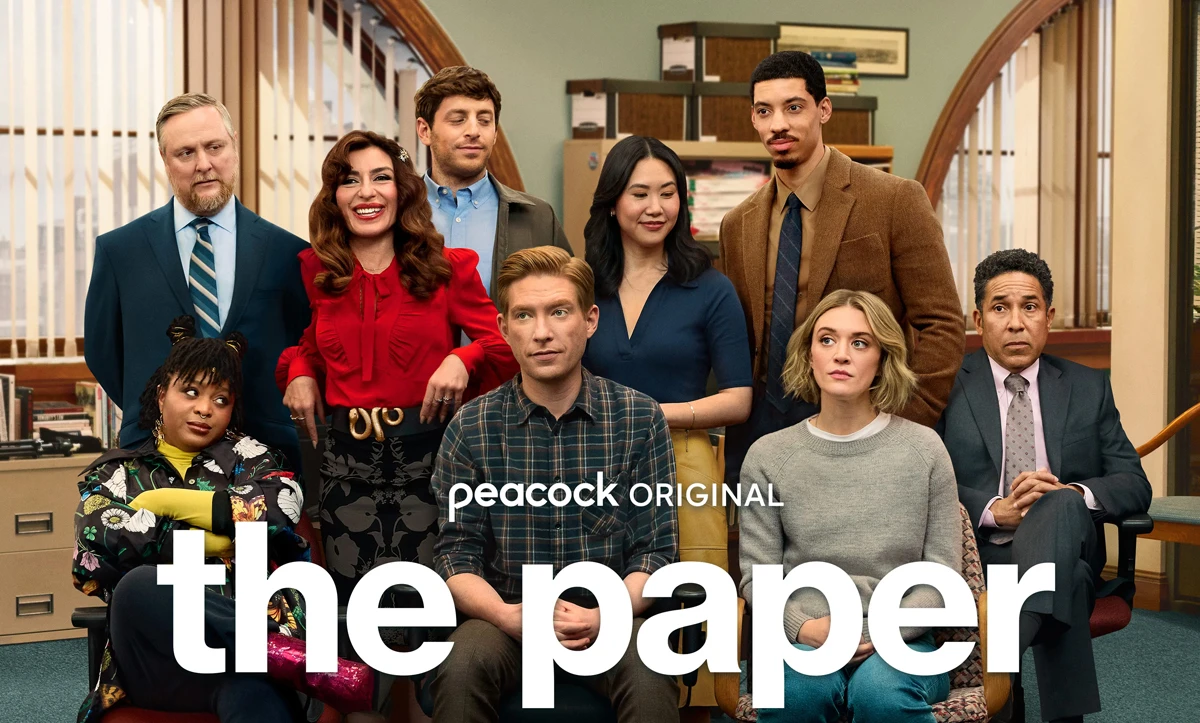
The Paper has quickly become one of the most talked-about sitcoms of 2025, not only because it revives the beloved mockumentary style of The Office but also because it cleverly hides details that longtime fans will instantly recognize. By shifting the focus from Scranton’s paper company to a struggling local newspaper in Toledo, the series feels fresh yet familiar, giving viewers plenty of reasons to keep their eyes peeled for subtle callbacks.
For fans who spent years following the antics at Dunder Mifflin, spotting these hidden gems is part of the fun. From character cameos to iconic quotes and background props, the easter eggs and references in this new series serve as bridges connecting the spinoff to the original show. In this article, we will break down the most notable connections, explain their significance, and show why they make The Paper such a rewarding watch for anyone who still loves revisiting The Office.
Why Easter Eggs Matter in The Paper Office Spinoff
Easter eggs in television are more than just hidden jokes or subtle nods. They are a way of rewarding loyal viewers who have invested years into a story and its characters. In the case of The Paper office spinoff, these small details act as a bridge that links the new series with its predecessor while reassuring fans that the creative team has not forgotten the legacy of Scranton.
Every cameo, background prop, or recycled line reminds audiences that they are part of a larger universe that began with The Office. These references carry emotional weight because they allow fans to relive moments that once defined the golden years of the sitcom. Rather than serving as cheap nostalgia, the callbacks in The Paper show thoughtful intent and a respect for continuity.
For a spinoff to succeed it must stand on its own while also honoring the roots that made the original so loved. The clever use of easter eggs in The Paper office spinoff manages to achieve exactly that, blending novelty with familiarity and ensuring that both new viewers and long-time fans have reasons to stay engaged.
Why Easter Eggs Matter in The Paper Office Spinoff
Easter eggs are more than playful additions for fans to enjoy. In the case of The Paper office spinoff, they serve as vital threads that tie the new story to the legacy of The Office. These small details create a sense of continuity that helps the audience feel at home even in a new setting. For longtime viewers, spotting a familiar line or a subtle reference can feel like meeting an old friend, and that emotional connection is what gives the spinoff an edge.
At the same time, these references function as storytelling tools that enrich the world of the new series. They acknowledge the cultural weight of The Office while allowing The Paper to carve out its own identity. This delicate balance makes the experience rewarding not only for diehard fans but also for new audiences who may be discovering the mockumentary style for the first time.
With this foundation in mind, it is time to look at the most notable easter eggs and references that make The Paper office spinoff a clever continuation of a sitcom classic.
Top Easter Eggs and References in The Paper Office Spinoff
The heart of the fun in The Paper office spinoff lies in the clever easter eggs and references sprinkled throughout its first season. These details reward loyal viewers of The Office by creating familiar connections while introducing new audiences to the playful spirit that made the original series a cultural phenomenon. Below we begin exploring the most notable hidden gems, starting with one of the most exciting callbacks for fans.
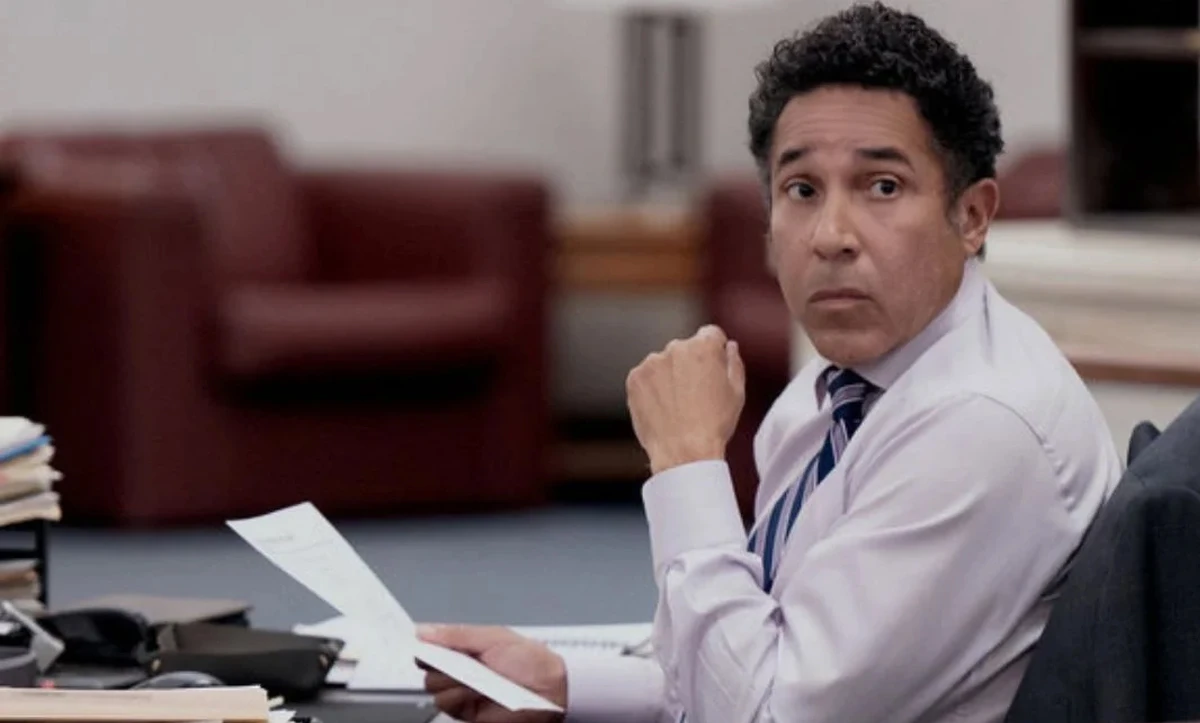
1. Oscar Martinez Returns
Oscar Martinez is the one familiar face who crosses over from The Office into The Paper office spinoff. Bringing back the character as an accountant once again feels deliberate. Instead of leaning on fan favorites like Michael, Jim, or Pam, the writers chose someone whose story had space to grow and whose personality naturally fits into a new environment. That choice prevents the spinoff from becoming a nostalgia trip and instead positions Oscar as a subtle but steady bridge between the two series.
His presence works on several levels. For long-time viewers, Oscar embodies continuity. The moment he appears, fans are reminded that this world is still connected to Scranton, even if the setting has shifted to a struggling newsroom in Toledo. For newcomers, he provides a calm and rational voice that contrasts with the chaos of the workplace around him, echoing the role he often played in The Office.
What makes this return effective is that it is understated. Oscar is not there to steal the spotlight or deliver fan service in every scene. Rather, he grounds the new show in a recognizable tone. His dry wit and measured reactions carry over seamlessly, proving that the DNA of The Office is alive in The Paper without overshadowing the fresh cast and storylines. In many ways, Oscar’s return is less about reliving the past and more about signaling that the humor, timing, and perspective fans loved before can thrive in a different workplace setting.
2. Returning to Scranton
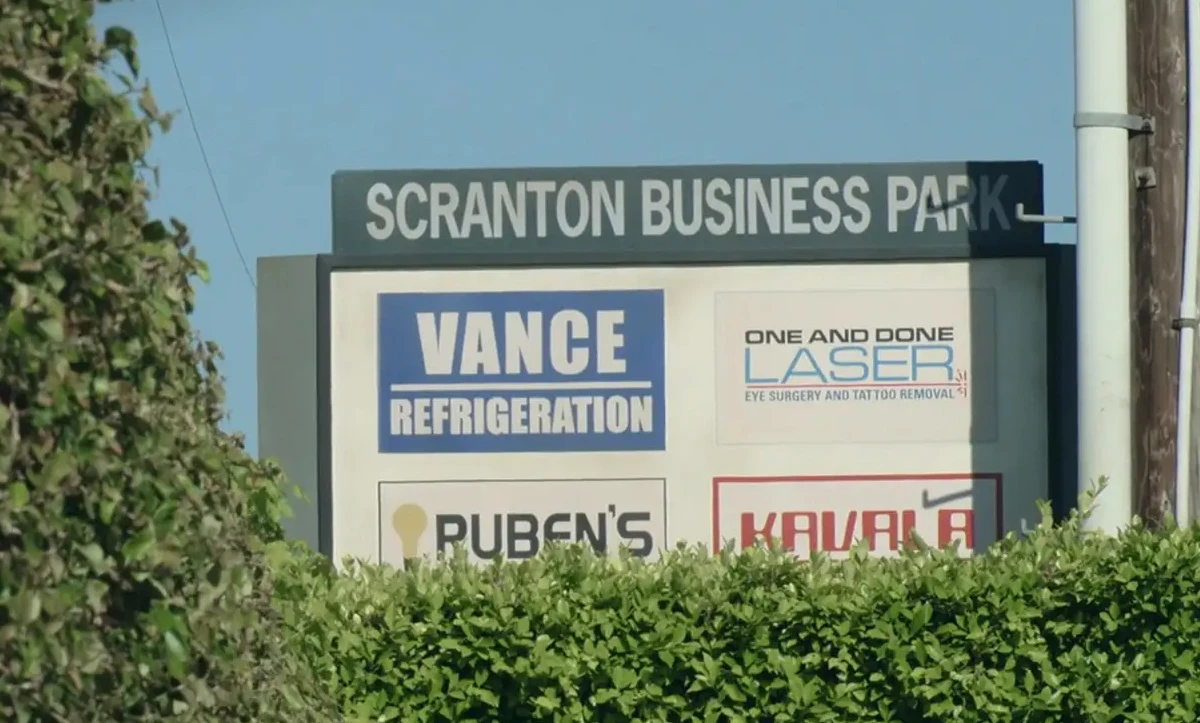
One of the most striking callbacks in The Paper office spinoff comes in the very first episode, when the documentary crew makes a brief return to Scranton. The sequence is short, but its impact is immediate. Fans are shown familiar walls and a familiar face in Bob Vance, a reminder that the world of The Office still exists beyond the screen. The moment also delivers a clever update: Dunder Mifflin, once the center of the story, has since been bought out, signaling how much has changed since the cameras last rolled there.
This reference works on two levels. On the surface, it is a fun easter egg that gives fans the satisfaction of revisiting a beloved setting. At the same time, it functions as a narrative reset. By showing that Scranton has moved on, the writers free the new series to carve its own path. The newsroom in Toledo is not just a replacement for the paper company but a fresh canvas where familiar humor can thrive in different circumstances.
What makes this callback effective is the balance between recognition and closure. It rewards viewers who spent years with the original series without overindulging in nostalgia. The quick glimpse of Scranton assures fans that the storylines they loved were not forgotten, yet it also makes clear that The Paper will not simply retread old ground. Instead, it uses this easter egg to anchor itself in continuity before shifting the focus firmly to its new world.
3. Stanley’s Presence Through Sudoku and Friendship
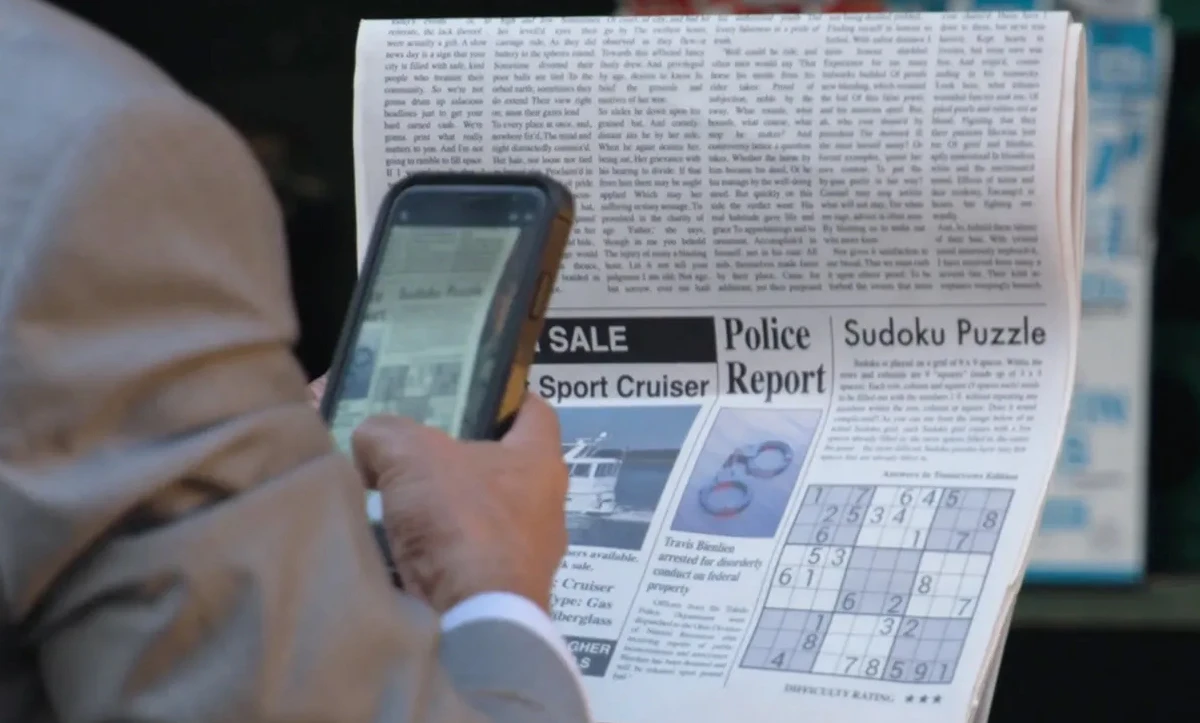
One of the most subtle yet heartfelt nods to The Office in The Paper office spinoff comes through Oscar’s continued connection to Stanley Hudson. The most visible sign is a Sudoku puzzle placed on Oscar’s desk, a small detail that instantly calls back to Stanley’s well-known love for puzzles and quiet distractions during office life in Scranton. For fans, it is a classic wink, a reminder that Stanley’s quirks remain part of the shared universe.
This easter egg goes further than a background prop. It also signals that Oscar and Stanley’s friendship did not end when the cameras stopped rolling on The Office. References to their ongoing bond suggest that even though they now live separate lives, the characters have stayed connected in ways that feel true to their personalities. Their subtle dynamic—grounded in dry humor and shared intelligence—becomes a thread linking Scranton to Toledo without requiring a full cameo.
What makes this effective is the restraint. The spinoff resists the urge to bring Stanley back for fan service and instead relies on smaller gestures to acknowledge him. That choice gives longtime fans the satisfaction of recognition while keeping the focus on new characters and stories. It demonstrates how The Paper honors the legacy of The Office not by overloading on nostalgia but by weaving familiar touches into its own fabric.
4. Michael Scott’s Iconic Quote Revisited
Few lines from The Office are as instantly recognizable as Michael Scott’s inspirational yet awkward motto: “You miss 100% of the shots you don’t take.” In The Paper office spinoff, this quote reappears in a clever twist. Oscar repeats the line but frames it as something once said by “an idiot he used to know.” The callback lands as both a laugh line and a meaningful easter egg.
For longtime fans, the humor comes from the layered delivery. The original scene in The Office showed Michael copying Wayne Gretzky’s famous saying and signing it with his own name, a perfect encapsulation of his misguided confidence. Hearing Oscar revisit that moment years later highlights how deeply Michael’s quirks left a mark on those around him. Even outside Scranton, his influence lingers in the form of stories and sayings that never quite fade.
The inclusion of this quote also demonstrates how The Paper balances respect for its predecessor with the need to create something fresh. Instead of relying on slapstick appearances or big cameos, it mines the humor of memory and reputation. By doing so, the spinoff delivers a wink to dedicated viewers while ensuring the reference fits naturally into its own dialogue. It is not just a recycled joke, but a reminder that Michael Scott’s legacy is as chaotic and unforgettable as ever.
5. The Dunder Mifflin Box on Oscar’s Desk
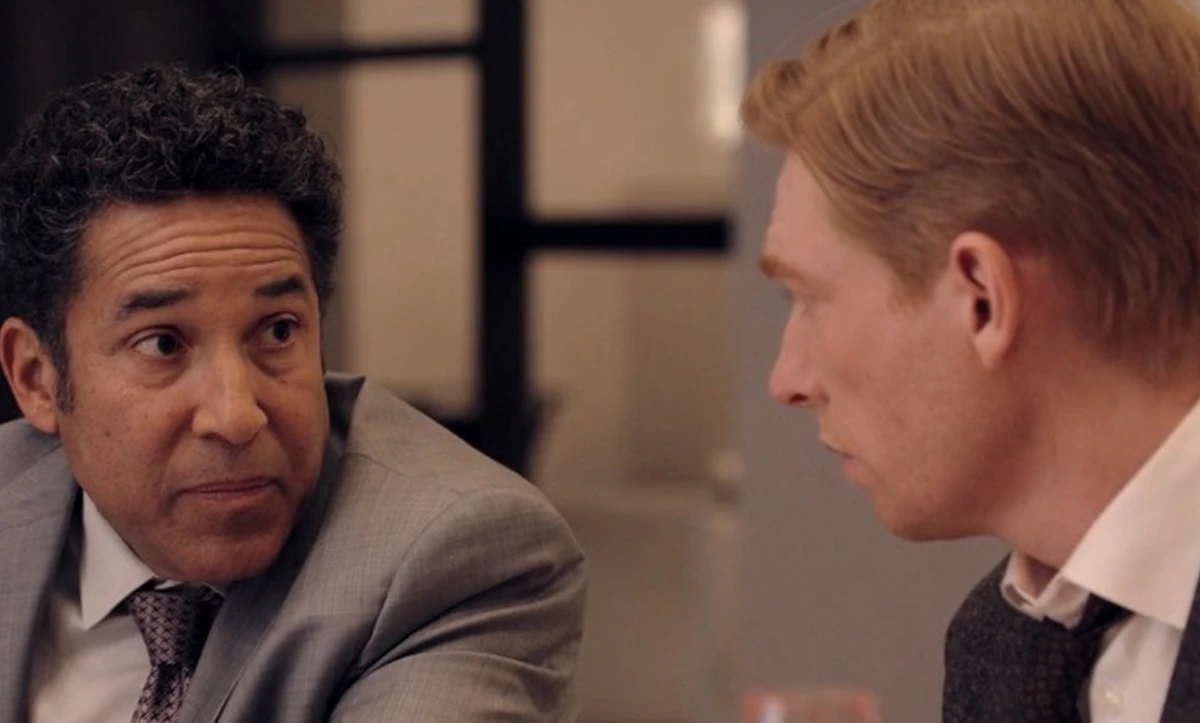
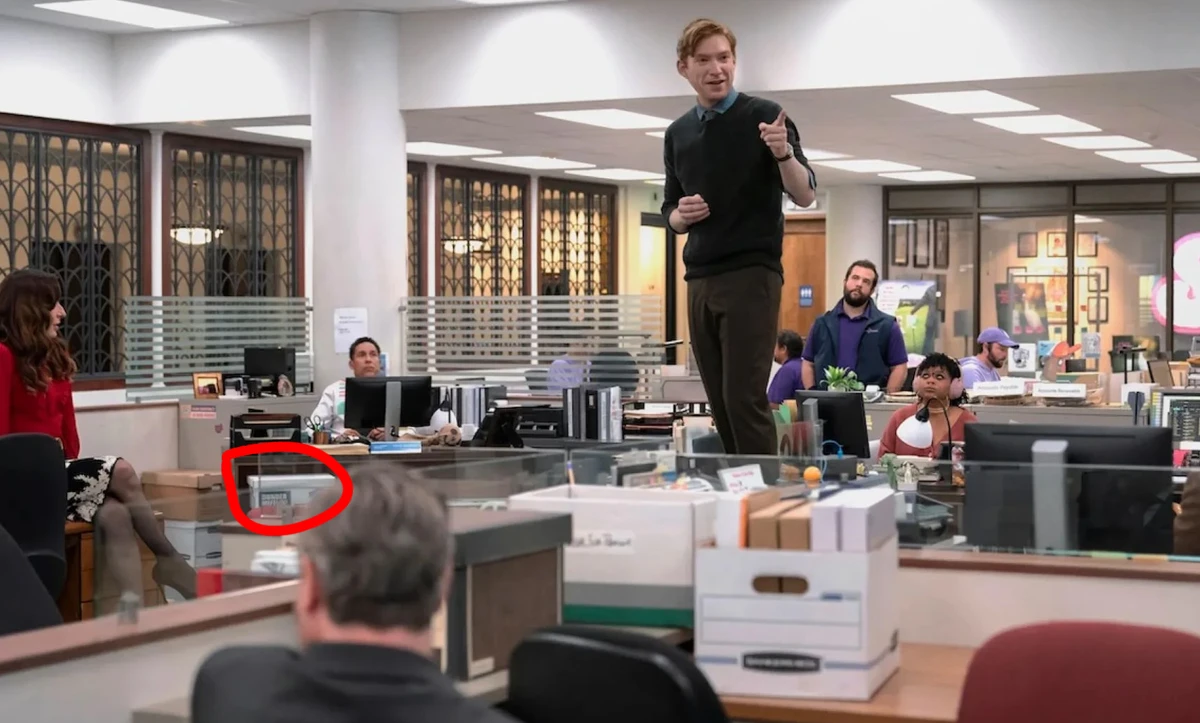
Among the quieter easter eggs in The Paper office spinoff is a simple cardboard box labeled Dunder Mifflin sitting in the background of Oscar’s workspace. At first glance, it could be dismissed as set dressing, but for viewers who spent years watching The Office, it is an unmistakable callback. That box is more than a piece of old stationery. It is a visual reminder that Oscar once worked in Scranton and that part of his professional life cannot be erased.
The choice to include such a subtle detail shows how carefully the production team builds continuity. Rather than drawing attention with dialogue or exaggerated gestures, they let the camera quietly capture the box, rewarding fans who notice. This technique mirrors the original mockumentary style where background gags and props often carried as much comedic weight as spoken jokes.
From a thematic standpoint, the Dunder Mifflin box reinforces the idea that the past is always present, even in a new setting. It signals that while The Paper is carving out its own identity, it does not abandon the cultural footprint of the original. Props like this act as anchors, keeping the two series linked while leaving room for new stories to unfold. For fans, spotting the box is less about nostalgia overload and more about the satisfaction of knowing the threads of Scranton still run through Toledo.
6. Bob Vance’s Cameo in Scranton
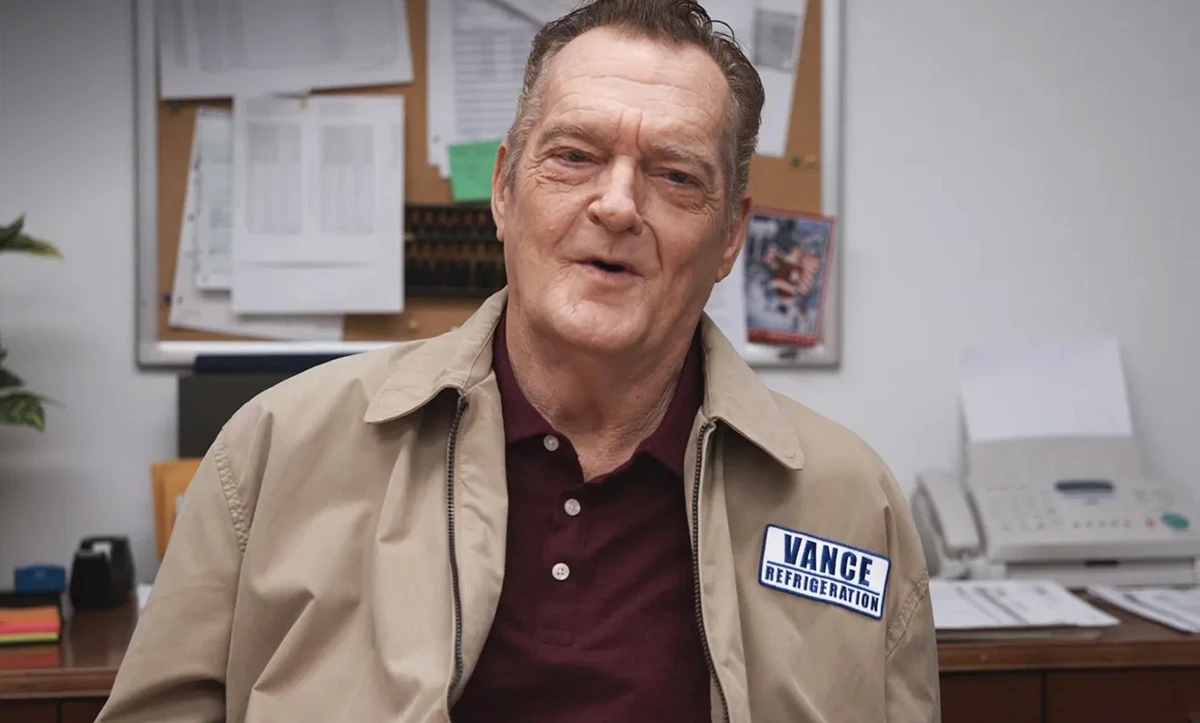
For fans who followed The Office closely, seeing Bob Vance of Vance Refrigeration appear in The Paper office spinoff is an unmistakable treat. His cameo comes during the brief return to Scranton, and although it is a short appearance, it lands with a strong nostalgic punch. Bob was never a central figure in the original show, but his presence was memorable thanks to his running gag of always introducing himself with his full name and company.
Bringing Bob back serves a dual purpose. On the surface, it gives fans a fun surprise, a reminder of how deeply the mockumentary format once embedded itself into Scranton’s quirky corporate ecosystem. At the same time, his cameo underscores how much has changed since those days. Dunder Mifflin has been bought out, and Scranton is no longer the beating heart of the story. The writers use Bob as a symbolic marker, a character who embodies the old world while acknowledging that the spotlight has shifted to a new one.
What makes this easter egg effective is the restraint with which it is used. Instead of leaning on Bob for comic overkill, the spinoff gives him just enough space to trigger recognition and then moves forward. It is a quick but meaningful gesture, a way of saying that Scranton has not been forgotten, yet The Paper is committed to writing its own chapter. For longtime viewers, it is one more reminder that the legacy of The Office lives on, even if the focus has shifted miles away to Toledo.
7. Subtle Props and Throwaway Lines
Not every easter egg in The Paper office spinoff comes from a major character or a direct callback. Some of the most rewarding moments are hidden in the background or slipped into dialogue almost casually. A prop sitting on a desk, a quick mention of Scranton, or a line that echoes an earlier joke from The Office may pass unnoticed by casual viewers but stand out immediately to longtime fans.
These quiet references are important because they reinforce the shared universe without interrupting the flow of the story. They capture the same observational humor that defined The Office, where the funniest moments often came not from big punchlines but from subtle details caught by an attentive audience. By weaving these smaller callbacks into the fabric of the newsroom, the writers ensure that the new setting feels both authentic and connected to what came before.
From a fan’s perspective, spotting these details adds a layer of interactivity. It turns each rewatch into a scavenger hunt, inviting audiences to look closer and discover how carefully The Paper is stitched together with its predecessor. These understated touches show that the creative team understands what made The Office resonate: not just the big personalities, but the small, relatable quirks that gave the workplace its lived-in feel.
Why These Easter Eggs Strengthen the Spinoff
The easter eggs in The Paper office spinoff are more than playful nods to a beloved sitcom. They act as threads that stitch the new series into the fabric of The Office without overshadowing the fresh story being told. By bringing back Oscar Martinez, revisiting Scranton, and sprinkling in subtle props and lines, the writers show respect for the past while building credibility for the present.
These references also set the tone for the spinoff’s identity. Instead of relying on constant cameos or forcing nostalgia, the show carefully balances familiarity with originality. Fans are reminded of why they loved the mockumentary style in the first place, yet they are also given reasons to invest in a new cast and a new workplace. This balance is what makes the spinoff feel like an authentic continuation rather than a rehash.
Most importantly, the easter eggs give audiences a sense of reward. Viewers who pay close attention feel like insiders when they catch a subtle callback, and that interactivity fuels deeper engagement. It encourages discussion, rewatches, and a stronger bond with the series. In a crowded TV landscape, these details become a way for The Paper to stand out, not just as a successor to The Office but as a sitcom that understands the value of connection.
Conclusion
The Paper office spinoff proves that a new sitcom can honor its roots while still moving in a fresh direction. Through carefully placed easter eggs and subtle references, it acknowledges the cultural impact of The Office while inviting fans to discover a new workplace full of quirks and humor. These details are not just nostalgic callbacks. They are tools that make the world feel richer and more connected, ensuring that loyal fans feel rewarded while newcomers find an easy entry point.
For audiences who love spotting hidden gems and reliving the spirit of Scranton, the spinoff offers plenty to talk about. Each cameo, prop, and line becomes part of a larger conversation about how television can carry forward its legacy without losing originality. That conversation naturally extends beyond the screen. Fans of TV comedies often celebrate their favorite shows through collectibles and pop culture fashion, and you can explore a wide range of designs inspired by iconic series in our TV show graphic tee collection.
With season one already filled with clever references and the promise of more to come, The Paper has established itself as both a tribute to The Office and a sitcom capable of standing on its own. It is not just about looking back. It is about carrying the humor, heart, and familiarity into a new chapter that fans will want to revisit again and again.
