
No products in the cart.
T-shirt Guides
What T Shirt Material Is the Coolest to Wear in Hot Weather?
What T Shirt Material Is the Coolest to Wear in Hot Weather?
Introduction
When the temperature rises, staying cool and comfortable becomes a priority. Whether you’re heading out for a walk, working outdoors, or just lounging around on a sunny afternoon, the fabric of your T-shirt can make a big difference in how you feel. Breathability, moisture absorption, and softness all contribute to that feeling of coolness that everyone craves during warmer months.
But with so many fabric options available today such as cotton, polyester, bamboo, and tri-blend, it can be difficult to know which one truly helps your body stay cool. That leads us to the important question: What T shirt material is the coolest to wear in hot weather?
In this article, we will explore what makes a fabric feel cool, compare the most common T shirt materials, and help you understand how each one performs when the heat is on. Whether you are building a summer-ready wardrobe or simply want to stay comfortable on warm days, this guide will give you the clarity you need.
What Makes a T Shirt Material Feel Cool?
Before comparing specific fabrics, it’s important to understand what actually makes a T shirt feel cool against your skin. Coolness is not just about temperature. It’s about how well the fabric allows air to pass through, how quickly it absorbs and releases moisture, and how light or heavy it feels when worn.
Breathability plays a major role. A fabric that lets air flow freely can help regulate body temperature and reduce the feeling of stickiness on a hot day. Materials with an open weave or natural fibers often excel in this area.
Moisture management is another key factor. Some fabrics trap sweat, which can make you feel hotter and more uncomfortable. Others pull moisture away from your body and dry quickly, keeping your skin dry and cool throughout the day.
Lastly, fabric weight and texture matter too. Lightweight materials tend to retain less heat and feel more pleasant in warm environments. Softness also contributes to overall comfort, especially when you’re active or spending long hours outside.
Understanding these characteristics makes it easier to judge which materials actually help you stay cooler and more comfortable during the heat. With that foundation in place, let’s take a closer look at how popular T shirt fabrics perform under pressure.
Comparing the Coolest T Shirt Materials
Now that we understand what makes a T shirt feel cool, it is time to examine the fabrics themselves. Each material offers unique properties that affect how it performs in warm conditions. Some are lightweight and breathable. Others are known for moisture-wicking or soft textures. The best choice often depends on your personal needs, preferences, and the climate you live in.
Below, we will break down the most common T shirt materials to help you determine which one is likely to keep you the coolest when the temperature rises. This comparison is designed to give you a clear, honest view of how each fabric feels, breathes, and holds up during hot weather.
Cotton
Cotton is one of the most popular T shirt materials in the world, and for good reason. It is a natural fiber that is breathable, soft on the skin, and widely available in a variety of styles and weights. When it comes to staying cool, cotton offers several benefits that make it a reliable choice.
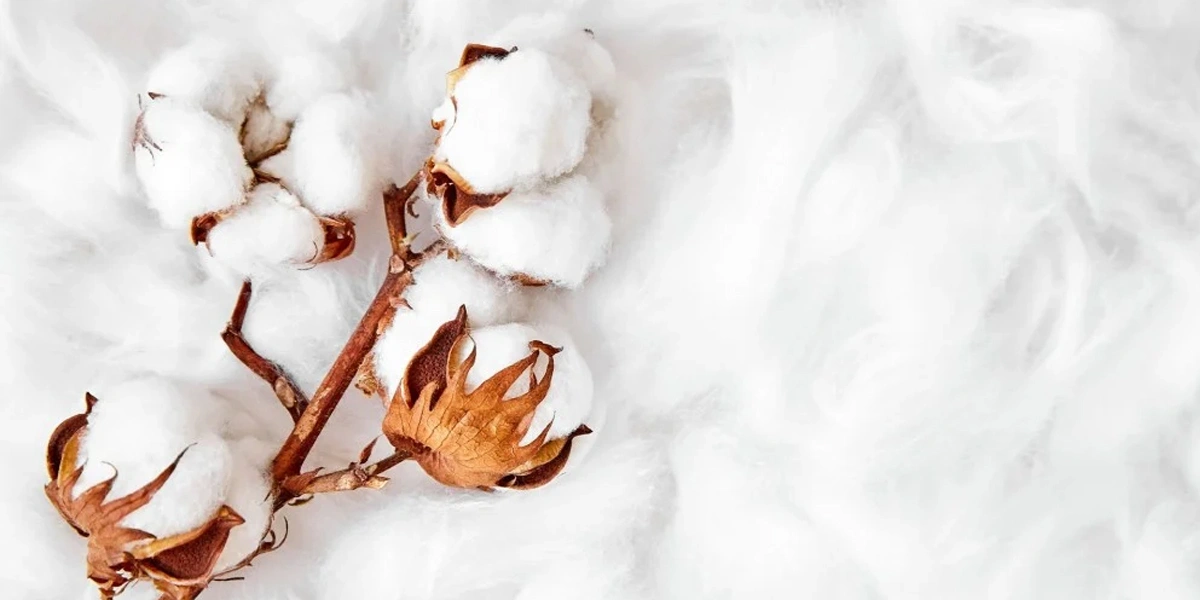
The most important advantage of cotton is its ability to breathe. The fibers allow air to circulate around the body, which helps release heat and reduce sweat buildup. This makes cotton T shirts especially comfortable for casual wear in warm environments. Cotton also feels soft and non-irritating, making it ideal for sensitive skin.
However, cotton does have some limitations. It tends to absorb moisture rather than wick it away. This means that while it breathes well, it can feel damp and heavy if you sweat a lot or wear it during intense physical activity. Unlike performance fabrics, it does not dry quickly, so you may notice some clinginess or discomfort after a while.
That said, not all cotton is created equal. Lightweight cotton or premium types such as ringspun or combed cotton can feel significantly cooler than heavier varieties. These versions are often used in high-quality T shirts designed specifically for comfort and warm-weather wear.
Overall, cotton is a great all-around choice for staying cool, especially when you value natural comfort, breathability, and softness over advanced moisture control. For most everyday situations, a well-made cotton T shirt can keep you cool enough without compromising style or feel.
Cotton-Polyester Blend
A cotton-polyester blend, often referred to as a poly-cotton blend, combines the breathability of cotton with the durability and moisture-wicking qualities of polyester. This hybrid fabric has become a popular choice for everyday T shirts, especially for those who want a balance between comfort and performance.
One of the biggest advantages of a cotton-polyester blend is its ability to stay dry longer than pure cotton. Polyester fibers do not absorb moisture like cotton does. Instead, they help pull sweat away from the body and allow it to evaporate more quickly. This means that even in warm or humid conditions, a poly-cotton shirt is less likely to feel damp or clingy after activity.
At the same time, the presence of cotton keeps the shirt feeling soft and breathable. Unlike shirts made of 100 percent polyester, which can sometimes feel slick or synthetic, a blend offers a more natural and familiar texture. The mix also tends to be more wrinkle-resistant and holds its shape better after repeated washing, which adds to its practical appeal.
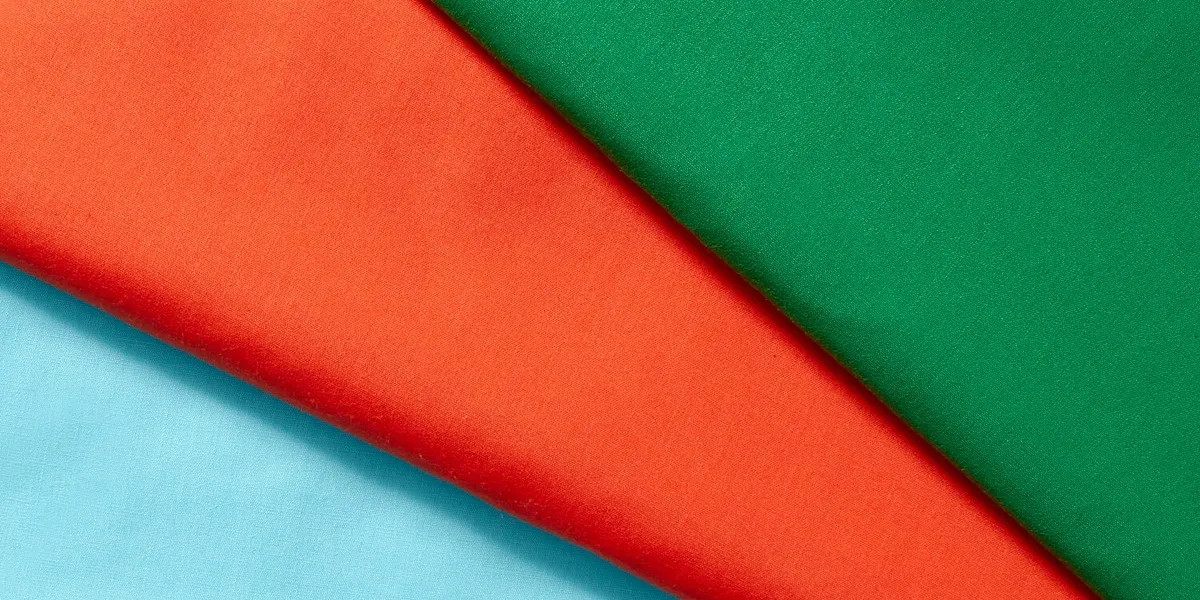
However, it is worth noting that the breathability of a blend is usually lower than that of pure cotton. The tighter weave and synthetic fibers can reduce airflow slightly, especially in thicker or cheaper shirts. For people with very sensitive skin, polyester may also cause mild irritation, though this is uncommon in well-made garments.
In summary, cotton-polyester blends are an excellent option for those who want a cooler, more functional T shirt that still feels relatively soft and breathable. They are ideal for light exercise, travel, or casual daily wear, offering a dependable middle ground between natural comfort and performance-driven features.
Tri-Blend
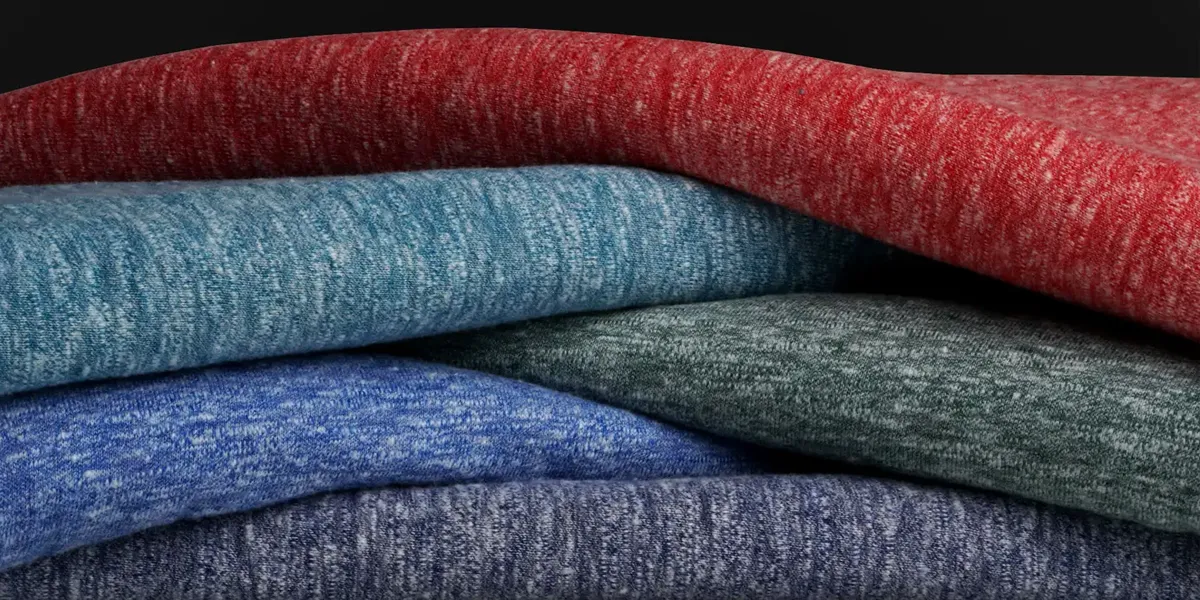
Tri-blend fabric is a combination of three materials: cotton, polyester, and rayon. This mix creates one of the softest and lightest T shirt fabrics available, often described as having a silky or featherlight feel. For those seeking maximum comfort and coolness, tri-blend shirts are a top-tier option.
What sets tri-blend apart is its balance of features. The cotton component provides breathability and a natural texture. Polyester adds moisture-wicking and shape retention. Rayon, the third ingredient, contributes to the incredible softness and helps create a flowy, lightweight drape that moves easily with the body. Together, these materials form a fabric that is cool to the touch, quick to dry, and pleasant to wear even in hot, humid conditions.
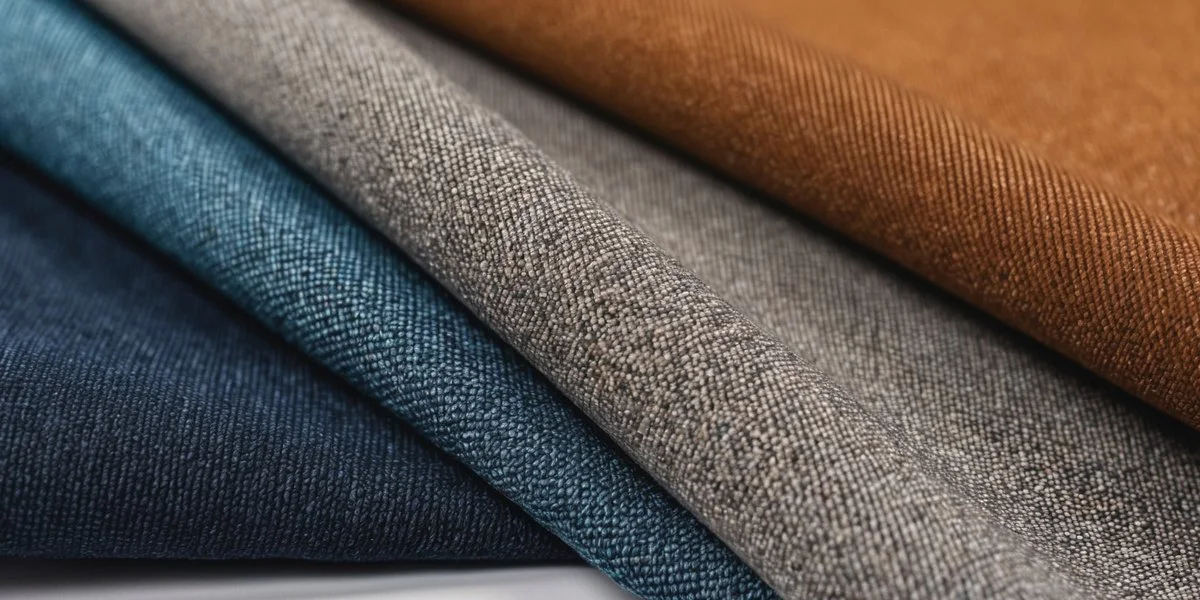
Tri-blend shirts are especially good at staying dry and preventing that sticky feeling that can come from heat and perspiration. The rayon content helps reduce clinginess, making the shirt feel lighter and more breathable even when you’re active or outdoors for extended periods.
That said, tri-blend T shirts tend to be thinner than other types, which can be a plus for summer but may not be ideal if you want something more structured. They’re also usually priced higher than standard cotton or cotton-poly blends due to the complexity of the fabric and the luxurious texture they offer.
Because of their softness and comfort, tri-blend shirts are often favored for fashion-forward graphic tees, lifestyle brands, and premium casual wear. They are perfect for anyone who values how a shirt feels as much as how it performs in the heat.
If your goal is to stay as cool and comfortable as possible without sacrificing fit or quality, tri-blend should definitely be on your shortlist.
Bamboo
Bamboo fabric has gained popularity in recent years as a sustainable, breathable, and incredibly soft alternative to traditional materials. Made from the pulp of bamboo plants, this fabric is often marketed as an eco-friendly solution for those seeking both comfort and environmental responsibility. When it comes to staying cool in hot weather, bamboo T shirts offer several noteworthy benefits.
One of the standout features of bamboo fabric is its natural breathability. The fibers have micro-gaps that allow for excellent ventilation, helping heat and moisture escape from the body more efficiently than many other fabrics. This airflow keeps the skin dry and reduces the risk of overheating, even during prolonged exposure to high temperatures.
Bamboo is also highly absorbent and has moisture-wicking properties that rival or even exceed those of cotton. It draws sweat away from the skin and allows it to evaporate quickly, which helps maintain a cool, fresh feeling throughout the day. This makes bamboo an ideal choice for people who are sensitive to humidity or prone to sweating.
Another advantage is its naturally soft texture. Bamboo fabric feels smooth and gentle against the skin, making it comfortable for long-term wear. It is also hypoallergenic and resistant to odors, which adds to its appeal for summer clothing. Despite being lightweight, bamboo shirts tend to drape well and retain their shape over time.
However, bamboo T shirts are often more expensive than cotton or blends, partly due to the processing involved in turning raw bamboo into fabric. Additionally, not all bamboo fabrics are produced with the same level of environmental care. It’s worth looking for certified bamboo or viscose made through closed-loop systems if sustainability is a key concern for you.
Overall, bamboo offers a luxurious, breathable, and eco-conscious option for staying cool. Its combination of moisture control, softness, and airflow makes it a strong contender for anyone looking to beat the heat while making a responsible fashion choice.
Modal
Modal is a semi-synthetic fabric made from beech tree pulp, known for its exceptional softness, smooth finish, and moisture-wicking ability. It is often considered a premium alternative to cotton due to its comfortable feel and impressive performance in warm climates. For those looking to stay cool while enjoying a lightweight and refined fabric, modal is an excellent option.
What makes modal stand out is its combination of breathability and fluid drape. The fabric allows air to circulate freely, which helps the body release heat efficiently. At the same time, it is extremely absorbent and dries faster than standard cotton. This combination helps reduce the feeling of dampness and keeps your skin feeling dry, even on humid days.
Modal is also incredibly soft to the touch. It has a smooth surface that feels almost silky, offering next-to-skin comfort that many people find more pleasant than traditional cotton. Its gentle texture makes it a great choice for individuals with sensitive skin or those who value luxury in everyday basics.
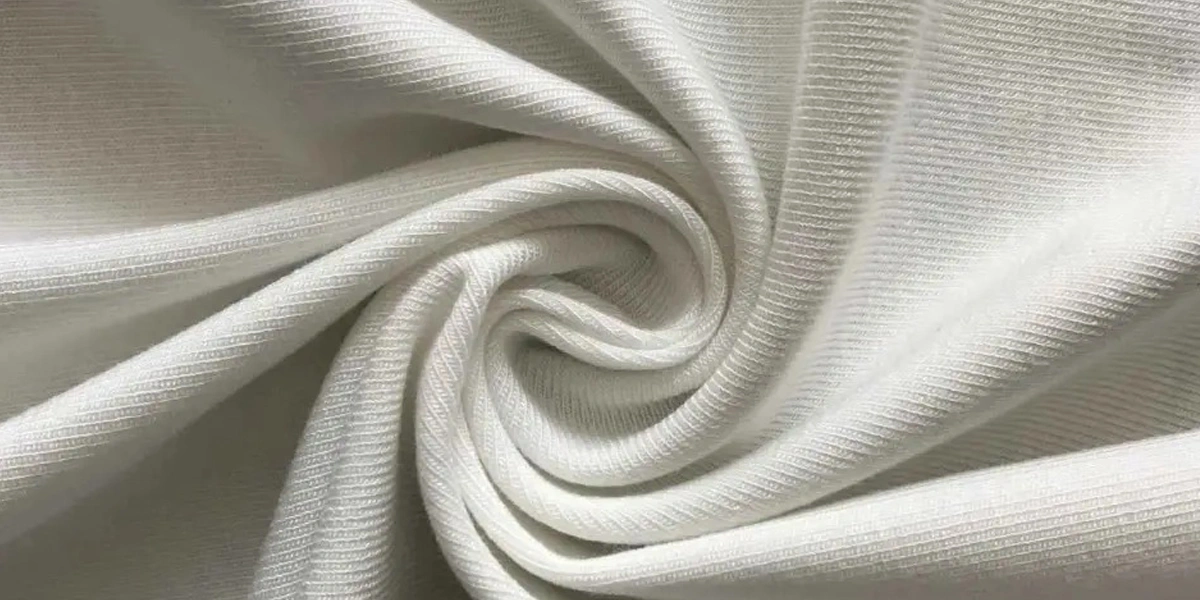
One of modal’s additional strengths is its resilience. It resists shrinkage, fading, and pilling better than many other natural fabrics. That means your T shirt will maintain its shape and color over time, even after multiple washes. Because it is often blended with cotton or spandex, modal shirts can offer just the right balance of softness, stretch, and structure.
On the downside, modal can be more expensive than basic cotton or polyester options. And while it is made from natural sources, the processing involved in its production means it is not always the most environmentally sustainable unless sourced from certified eco-friendly brands.
Still, for those who want a shirt that feels luxurious and performs well in hot weather, modal delivers on all fronts. It combines a high level of comfort with reliable cooling properties, making it a smart choice for warm-weather wear.
Linen
Linen is one of the oldest and most respected natural fabrics in the world, often praised for its outstanding breathability and cooling effect. Made from the fibers of the flax plant, linen has long been associated with hot climates and summer wardrobes. While it is less commonly used for everyday T shirts, it remains a standout choice when it comes to staying cool in extreme heat.
The most notable quality of linen is its superior airflow. The fabric has a naturally loose weave that allows air to circulate freely, helping to disperse body heat and prevent overheating. This ventilation is what makes linen feel so cool and light, even under direct sunlight or in humid environments.
Linen also has strong moisture-wicking properties. It can absorb a significant amount of sweat without feeling damp and tends to dry quickly, keeping your skin fresh and dry. Unlike synthetic fabrics, it does not trap heat or cling to the body, which adds to its comfort in hot conditions.
However, linen does come with some trade-offs. The fabric has a tendency to wrinkle easily, which may make it appear less polished than other materials. It can also feel a bit rougher than cotton or modal when first worn, though high-quality linen softens over time with repeated use and washing.
Another consideration is availability. Linen T shirts are less common than cotton or blended options and are often priced at a premium. They are more frequently found in high-end or resort-style collections, where cooling performance and natural elegance are prioritized over versatility or affordability.
Despite these limitations, linen remains one of the best fabrics for staying cool. Its breathability, moisture control, and lightweight nature make it ideal for the hottest summer days. If you value natural texture and comfort and don’t mind a bit of casual wrinkling, linen is a top contender for warm-weather clothing.
Best Use Cases: Which Fabric Fits Your Needs?
After reviewing the most common T shirt materials and their cooling performance, it becomes clear that there is no one-size-fits-all answer. Each fabric offers distinct advantages, and the best choice often depends on your lifestyle, environment, and personal preferences. To help you decide, here is a breakdown of use cases based on real-life needs.
For everyday comfort in warm weather:
If you’re looking for a comfortable, breathable shirt to wear casually during spring and summer, high-quality 100 percent cotton is a solid pick. It feels natural, soft, and breathable, especially in lightweight weaves. It works well for relaxed days, running errands, or casual meetups.
For staying cool while staying active:
If you sweat easily or plan to be active outdoors, a cotton-polyester blend or tri-blend shirt may be more suitable. These fabrics dry faster and manage moisture better than pure cotton, helping you stay comfortable even when you’re on the move. They are also great for travel, light workouts, or outdoor events.
For ultra-soft luxury and a sleek fit:
Those who prioritize softness and a silky feel might gravitate toward modal or tri-blend. These options provide next-level comfort and often have a more tailored fit. They’re ideal for lounging, casual office wear, or layering under jackets without adding bulk.
For eco-conscious comfort with breathability:
If sustainability is important to you and you want a breathable shirt that feels fresh all day, bamboo is a compelling option. Its moisture control and softness make it perfect for hot days and sensitive skin, especially in humid climates.
For extreme heat and natural coolness:
When the temperature peaks and ventilation becomes non-negotiable, linen offers unmatched breathability. Though it wrinkles easily, its ability to keep you cool in dry or tropical heat makes it a strong choice for summer getaways, beachwear, or relaxed weekend outfits.
By matching the fabric to how and where you plan to wear your T shirt, you can make a choice that not only keeps you cool but also aligns with your comfort and style.
Conclusion: What T Shirt Material Is the Coolest?
Choosing the coolest T shirt material ultimately depends on your specific needs and preferences. If you value classic comfort and breathability, cotton remains a reliable go-to. For moisture-wicking and quick-drying performance, cotton-poly blends and tri-blend fabrics step up to the task. Those seeking extra softness and a premium feel may prefer modal or bamboo, while linen offers unmatched airflow for high-heat environments.
Each fabric has its strengths, and no single option fits every situation. The key is to match the material with your lifestyle — whether that means lounging at home, exploring the outdoors, or building a versatile summer wardrobe.
If you’re interested in combining comfort, breathability, and self-expression, don’t miss our in-depth guide on unisex graphic T shirts. It explores how fabric, fit, and design come together to create wearable pieces that feel as good as they look.
By understanding your options and choosing thoughtfully, you can stay cool in style no matter how high the temperature climbs.
