
No products in the cart.
Games
Glaciered: The Underwater Sci-Fi Adventure Redefining Indie Gaming
Glaciered: The Underwater Sci-Fi Adventure Redefining Indie Gaming
Introduction
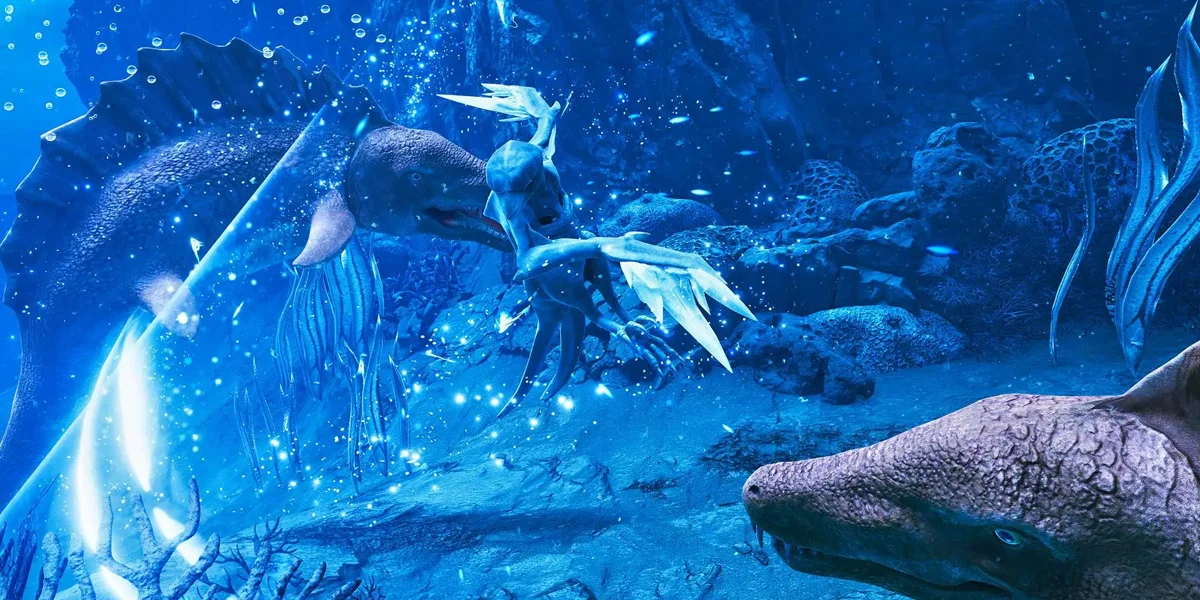
Every so often, a game emerges that dares to break away from predictable formulas and familiar settings. Glaciered is one such title. Developed by Studio Snowblind, this underwater sci-fi action adventure is set an astonishing 65 million years in the future, in a world transformed by the endless grip of Everwinter. Rather than another dusty wasteland or post-apocalyptic city, it takes players into the depths of a frozen ocean where a new species, the Tuai, has adapted to survive.
What makes Glaciered especially intriguing is not just its striking setting but the way it combines exploration, combat, and survival mechanics in an environment few developers have attempted. With a focus on fluid underwater movement, a dynamic heat and cold ability system, and visually stunning environments powered by modern rendering techniques, it positions itself as an indie experience capable of standing alongside larger productions.
The following analysis dives into the lore, gameplay systems, and community expectations surrounding Glaciered. It also explores how its unique vision might establish it as one of the most remarkable indie releases of 2025, carving out a space among fans of sci-fi, underwater exploration, and action-heavy survival experiences.
Story and Setting
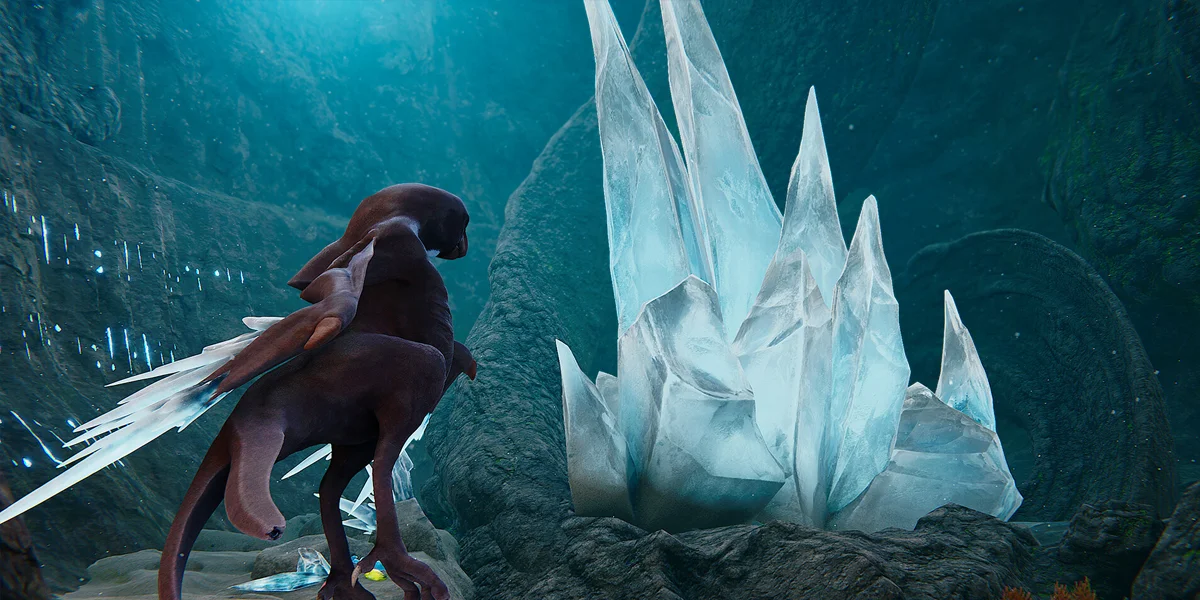
The foundation of Glaciered lies in its daring narrative vision. Set 65 million years into the future, the game presents a world where the Everwinter has reshaped the planet. Instead of bustling cities or barren wastelands, Earth is now covered by frozen oceans. Life has adapted in unexpected ways, giving rise to the Tuai, an intelligent species descended from birds that evolved to thrive beneath the ice.
This backdrop offers a refreshing alternative to the usual post-apocalyptic tropes. While many science fiction titles lean into deserts, radiation zones, or ruined metropolises, Glaciered builds its identity around an aquatic ecosystem both hostile and beautiful. From glowing marine plants to towering ice structures, the game aims to immerse players in a living environment shaped by climate and evolution.
What stands out most is how the setting itself becomes a character. The frozen ocean is not merely a backdrop but an active element influencing survival, combat, and exploration. Navigating the depths means confronting pressure, cold, and predatory species that call this biome home. It is a world designed to challenge and inspire, rewarding those who dare to adapt just like the Tuai themselves.
This unusual direction is not only distinctive but also positions Glaciered as a title that could captivate both science fiction enthusiasts and players who crave something new. Moving forward, its gameplay systems will show how this world is more than a visual novelty and instead a playground of tactical depth and creative design.
Gameplay and Core Mechanics
At the heart of Glaciered is a gameplay system that blends freedom of movement with tactical combat. Unlike most action games, where gravity and terrain limit your options, the underwater environment here offers three-dimensional mobility. Players can glide through open spaces, dive into hidden caverns, or circle enemies in ways that feel fluid and unpredictable. This sense of freedom is balanced by the challenges of underwater physics, which make every encounter a test of positioning and adaptability.
Combat combines melee and ranged options. Close-quarters strikes feel fast and responsive, while ranged attacks allow you to keep enemies at a distance. One of the most distinctive features is the use of heat and cold abilities. These powers tie directly to the setting, giving players creative ways to influence battles and environments. Heat can break through obstacles or weaken defenses, while cold can slow or immobilize threats.
Exploration also plays a central role. The game features varied marine biomes, each with its own light, temperature, and ecosystem. One area may lead you into glowing forests of aquatic flora, while another sends you into caverns beneath massive ice structures. These changes in environment promise both beauty and danger, rewarding players who take the time to explore.
Rather than being a standard action game with underwater visuals, Glaciered aims to integrate movement, combat, and survival into a seamless whole. Every decision matters, whether you choose to fight head-on, avoid conflict, or manipulate the environment to your advantage. This combination gives the game a unique flavor, one that sets it apart from both indie peers and larger productions.
What Makes Glaciered Stand Out
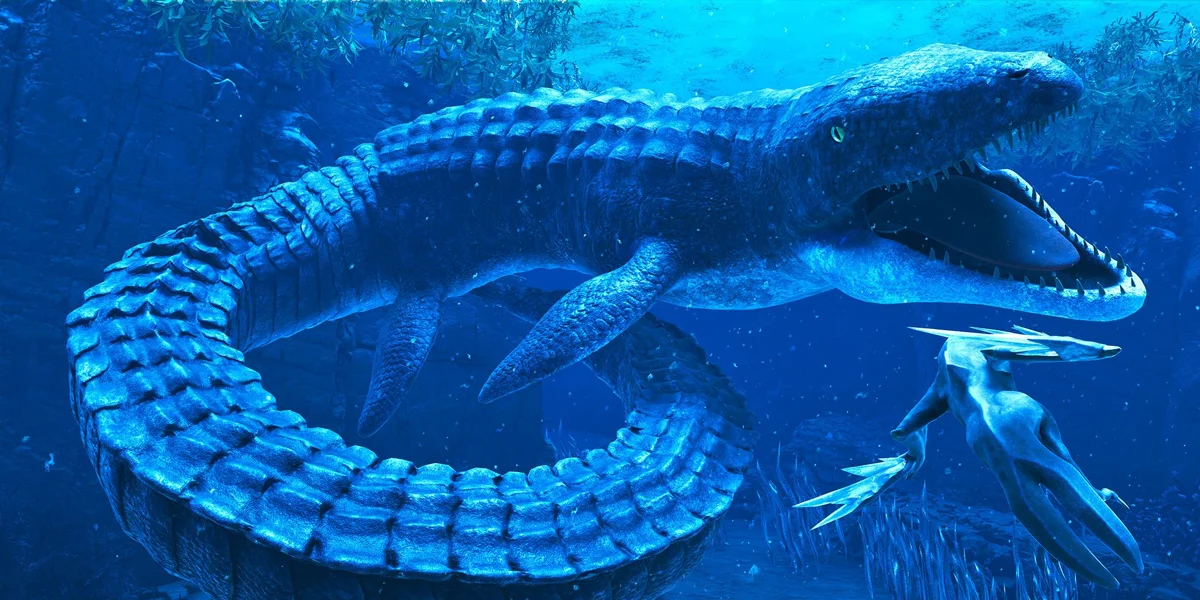
With so many science fiction titles flooding the market, it takes something unusual to catch attention. Glaciered achieves this by committing to a vision that feels distinct from both indie experiments and big-budget productions. Instead of drawing on familiar dystopian cities or dusty post-apocalyptic landscapes, it anchors itself in the frozen depths of the ocean. This setting not only changes the visuals but also reshapes how combat and exploration function.
When compared to other underwater adventures, the differences are striking. Subnautica thrives on survival and crafting, but combat plays a minimal role. Abzû focuses on serene exploration and artistic expression rather than action. Bioshock uses water as an aesthetic backdrop, placing its battles within retro-futuristic city corridors. Glaciered sets itself apart by emphasizing fast-paced combat, environmental manipulation, and dynamic biomes that feel alive.
Another factor that elevates Glaciered is its technical ambition. The developers are using advanced rendering features such as ray tracing and DLSS on PC to enhance lighting, reflections, and water effects. The interplay of light piercing through ice, the shimmer of aquatic plants, and the movement of distant creatures contribute to a sense of immersion rarely seen in indie projects. The attention to visual detail suggests that the frozen ocean is not just a backdrop but a living stage where every encounter feels grounded.
This balance of originality and technical execution is what gives Glaciered its edge. By combining a rarely explored setting with high production values and thoughtful design, it positions itself as more than just another indie curiosity. The game instead carries the potential to become a defining reference point for future underwater action adventures. As community discussions have already shown, players are not only intrigued but also asking questions about what more the game might reveal.
Community Buzz and Unanswered Questions
The reveal of Glaciered quickly sparked conversations among players who follow indie showcases and sci-fi games. Early footage impressed viewers with its stunning environments, yet many details remain unknown, and that uncertainty has only fueled discussion.
One recurring question is progression. Fans wonder whether the game will include a skill system, upgrades, or some form of long-term growth. Since the developers have not confirmed this, speculation continues, with some players imagining a structure similar to roguelikes and others hoping for a more traditional action-adventure progression.
Difficulty is another area of curiosity. Because the combat looks fast and the underwater movement is demanding, players debate whether the game will lean toward a highly challenging experience or aim to stay accessible to a wider audience. The final balance will be important for shaping the identity of the title.
There is also speculation about multiplayer. Although no official information points to cooperative or competitive modes, community members have voiced their interest in sharing the underwater world with others. For now, Glaciered is confirmed as a single-player project, but the enthusiasm shows how much players are invested in its possibilities.
These unanswered questions do not weaken anticipation. On the contrary, they keep the community engaged and highlight areas where the final product could surprise. Until more details are revealed, the conversation around Glaciered will continue to grow.
Long-Term Potential
What makes Glaciered particularly intriguing is not just its premise but its potential to carve out a lasting space in the industry. Few games attempt to build an entire action experience around underwater combat, and even fewer set that combat against a vision of Earth so radically reimagined. This originality alone positions the title as one that could attract attention long after its release window.
The concept has the qualities of a niche favorite. A game does not need blockbuster sales to endure if it introduces ideas that resonate with a dedicated group of players. The unusual mix of bird-descended species, survival under Everwinter, and the heat and cold mechanics could give Glaciered the kind of identity that keeps it memorable. Fans of experimental sci-fi and atmospheric indie titles often celebrate games that take risks, and this project has all the hallmarks of one that might inspire loyalty.
Looking at past examples helps underline this point. Titles like Okami or System Shock 2 did not dominate sales charts in their day, but their distinctive designs and world-building earned respect over time. Glaciered could follow a similar trajectory if it delivers on its promise, becoming a reference point for players who enjoy speculative futures and inventive mechanics.
Finally, the game may also influence future design trends. If its use of environmental systems like heat and cold proves successful, other developers could adopt or refine these mechanics. In that sense, Glaciered has the chance not only to entertain but to shape the direction of underwater and survival-based sci-fi games for years to come. With so much working in its favor, the conversation naturally shifts to whether it can live up to these expectations once it reaches players.
Conclusion
Glaciered is shaping up to be one of the most distinctive indie releases on the horizon. By situating its story 65 million years in the future and crafting a world ruled by Everwinter, it separates itself from the more familiar landscapes of post-apocalyptic fiction. The introduction of the Tuai species, an intelligent life form descended from birds, reinforces how unusual and ambitious this project really is.
The gameplay promises equal ambition. Fast underwater combat, freedom of three-dimensional movement, and the inventive use of heat and cold abilities provide a foundation that feels fresh compared to both indie and mainstream titles. Exploration of varied biomes, from glowing plant life to deep ice caverns, suggests a game that values discovery as much as combat. These elements combined create the possibility of a deeply immersive experience.
Community discussions show that anticipation is real, even if details remain scarce. Questions about progression, difficulty balance, and possible multiplayer features illustrate how eager players are to see more. Instead of limiting interest, these unknowns have only fueled speculation and kept the game in the conversation among those who follow new releases.
Ultimately, Glaciered carries the potential to be more than a curiosity. It could become a defining moment for underwater sci-fi gaming and a touchstone for how indie projects can push creative boundaries. Whether it turns into a sleeper hit or a niche favorite, its vision ensures that it will stand out in the crowded 2025 release calendar. For players hungry for something bold and different, this is a title worth keeping a close eye on.
