
No products in the cart.
Anime
What Is Anime Genre? A Basic Guide For Beginners
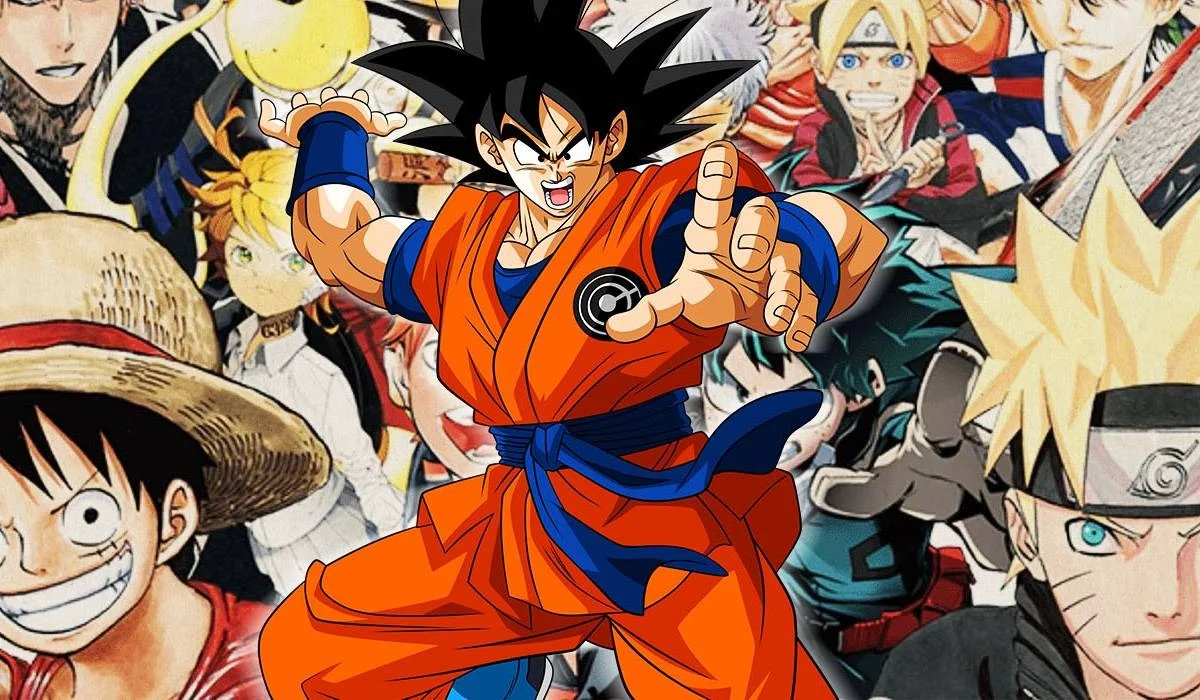
What Is Anime Genre? A Basic Guide For Beginners
Introduction
Anime is not just “cartoons for kids.” It is a visual storytelling medium that spans every shade: comedy, adventure, romance, horror, even philosophical and violent. Adults will find plenty to think about, and children still have shows made just for them. That is why you need a clear grasp of “anime genre,” so you do not get lost in thousands of titles.
“Anime genre” is a label that helps you quickly predict what kind of story you are about to watch. Three label families often appear together:
- Core genres: action, adventure, comedy, drama, horror, romance, science fiction, sports.
- Publishing demographic: shonen (teen boys), shoujo (teen girls), seinen (adult men), josei (adult women), kodomomuke (children). These are editorial labels, not content genres.
- Themes/subgenres: isekai (sent to another world), mecha (giant robots), slice of life (everyday life), idol/music, mahou shoujo, yaoi/yuri.
Most anime combine labels. You might see “shonen + action + isekai” or “seinen + psychological + horror.” Reading these layers helps you pick by mood: want something high energy, choose action shonen; want warm and gentle, go slice of life; want heavier reflection, try psychological seinen. It also prevents a common mistake: calling shonen a “genre” when it is actually the original target readership for the magazine that published the work.
Unlike much Western animation, anime often tackles mature subjects and blends elements with ease. Exaggerated visuals, strong expressive language, and distinctive pacing can turn the same idea into very different experiences. Understanding “anime genre” is not rote memorization. It is map reading: read the labels, anticipate the tropes, gauge the pacing, then choose the route you want to watch.
Before we break down labels, step back for a quick timeline that shows how anime’s history shaped today’s flexible genres.
History and Cultural Context
Anime did not appear out of nowhere. It grew alongside manga magazines, broadcast TV, home video, then the internet and streaming. A few simple milestones explain why “anime genre” is so fluid today.
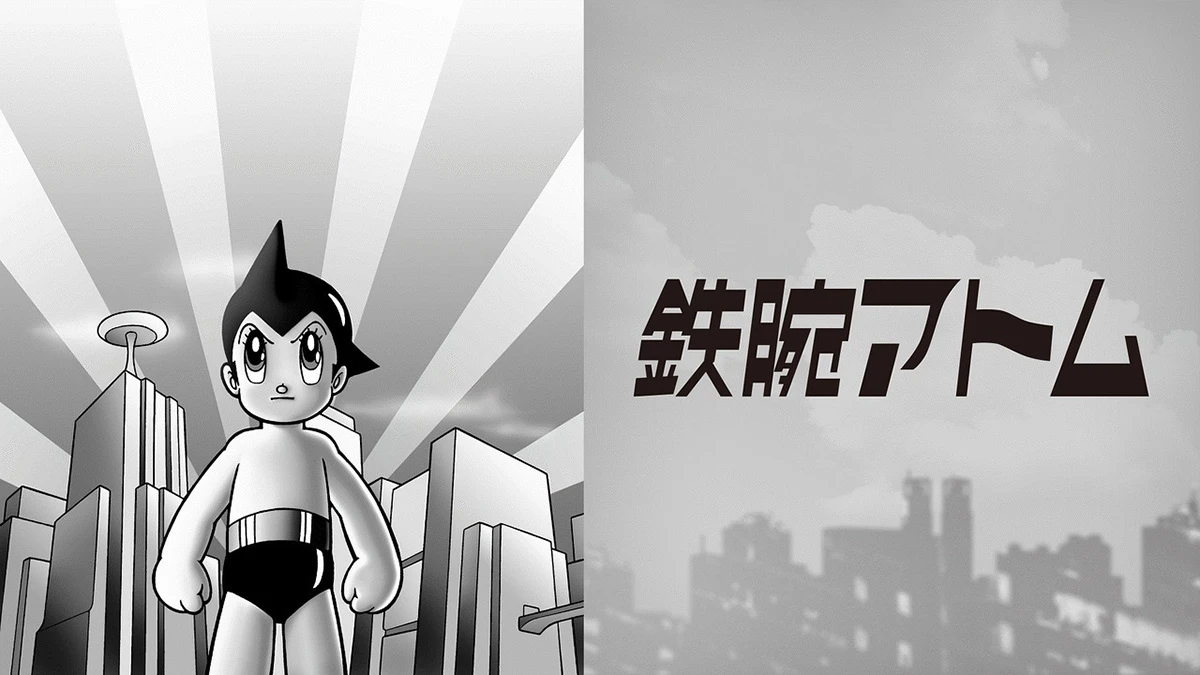
• 1917–1960s: Origins and formation. Osamu Tezuka brought cinematic language into animation, exemplified by Astro Boy (1963). Faster shot cadence, clear cutting rhythms, and large expressive eyes defined the look. Television took anime to the mainstream and set the stage for branching genres.
• 1970s: Mecha rises. The shift from “super robot” to “real robot” crystallized with Mobile Suit Gundam (1979). Postwar realities and rapid modernization framed stories about technology, war, and personal responsibility. Mecha split into both sweeping epics and heavy psychological tales.
• 1980s: OVAs and experimentation. The home-video boom enabled direct-to-video projects not bound by TV slots. Topics grew bolder, many works targeted adults, and pacing became freer. Result: softer genre borders and easier hybridization among horror, science fiction, and psychological drama.
• 1990s: Global breakout. Dragon Ball, Sailor Moon, and Pokémon reached international audiences. Neon Genesis Evangelion (1995) rewrote mecha with psychological depth. Studio Ghibli cemented anime’s film-grade reputation. Genres became widely recognized without being boxed in.
• 2000s: Internet and communities. Fansubs, forums, and wikis helped viewers learn the “language” of anime fast. Long-running action shonen surged, alongside niche lanes like psychological and avant-garde. The “production committee” model pushed many projects toward safer returns and normalized seasonal runs.
• 2010s: Streaming rewrites the rules. Crunchyroll and Netflix enabled simulcast and raised seasonal demand. Isekai exploded; idol/music and slice of life widened the audience; sports anime became community magnets. Mixing demographic × genre × theme became the standard, not the exception.
• 2020s: Cross-border co-production and multi-platform. Many projects draw from games, light novels, or international IP. Dark fantasy and thrillers trend upward; CG blended with 2D is more common. Content is tuned for short, shareable clips, while theatrical films still anchor big-screen experiences. All of this underscores one fact: “anime genre” is an open system that shifts with taste and technology.
Short take: Japanese history and culture provide the soil for each branch of genre, while distribution tech sets the speed of spread. When you read an anime’s genre label, remember it travels with its era and its release model. With the history in mind, switch to a simple three-layer lens that lets you predict tone and pacing before you press play.
Anime Classification Framework: Genre, Demographic, Theme
Three labels travel together. Genre answers “how it is told,” demographic answers “who it is for,” and theme or subgenre is the “spice” that gives the story its own flavor. Read all three at once and you can predict pacing, atmosphere, and thematic weight before you press play.
Genre: how the story is told
Genre sets the work’s emotional frame and primary tempo. Action delivers fast rhythm and frequent climaxes; adventure feels like opening a map and moving from place to place; comedy aims for setup/punchline; drama concentrates on choices and consequences; romance orbits the chemistry between two leads; horror builds unease or threatens survival; science fiction asks what happens to people when technology changes the rules; fantasy builds magic-rule worlds; sports focuses on discipline and teamwork. Once you know the central genre, you know the emotional lane you are entering: thrill, warmth, reflection, or fear.
Demographic: who it is for
Demographic comes from publishing practice: manga run in magazines aimed at specific readerships (children, teen boys, teen girls, adult men, adult women) and are later adapted into anime. This label is not mandatory content, but it hints at conflict intensity, character building, and thematic weight. A title aimed at teen boys can still be very dark; a title for adult women can be light and humorous. Do not confuse demographic with genre. “Shonen” does not equal “action”; it only indicates the original magazine’s target readers.
Theme/Subgenre: the distinctive “spice”
Theme is a motif or specific setting laid over the story. Isekai sends characters to another world to learn new rules; mecha centers on giant robots and the responsibility that comes with power; slice of life is warm everyday living; idol/music is training and performance; mahou shoujo is magic and friendship; BL/GL tells same-sex romances; time travel puts choices against branching futures. Theme does not replace genre or demographic; it adds flavor so you can picture the mood: lively, relaxing, overwhelming, or contemplative.
Stack all three to choose well
Read fast and in layers: identify the core genre for the dominant emotion, check the demographic to gauge intensity and storytelling style, then add theme to estimate the mood. “Action + shonen + isekai” often means fast pacing, clear skill systems, and many battles. “Drama + josei + slice of life” tends toward moderate to slow pacing, dense dialogue, and life decisions. “Horror + seinen + psychological” leans into dread, heavy imagery, and moral questions. “Science fiction + shoujo + music” might be a gentle dream-chasing story in a tech setting.
Common labeling mistakes
The most common mistake is treating demographic as a genre, which skews expectations for tone and pace. Next is equating isekai with fantasy: much fantasy is not isekai, and vice versa. Another mistake is trusting platform tags blindly. Broad tags aid search, so they can be missing or excessive; read the synopsis and watch the trailer as well. Also stop assuming “anime = for kids.” Topics range from children to adults, and content advisories vary by title.
The 60-second pre-watch test
Read the short synopsis to identify the main genre. Glance at the original readership label if listed, or look it up quickly on community sites. Play the official trailer and watch 30–45 seconds to feel the mood and editing rhythm. Note one standout theme (robots, reincarnation, everyday life). If these four pieces align with your current mood, start episode one. If not, switch to another title with the same genre but a different theme. These four quick steps cut the odds of picking the wrong show and save time.
Now focus on demographic labels to see who a title targets and what that implies for tone, pacing, and character work.
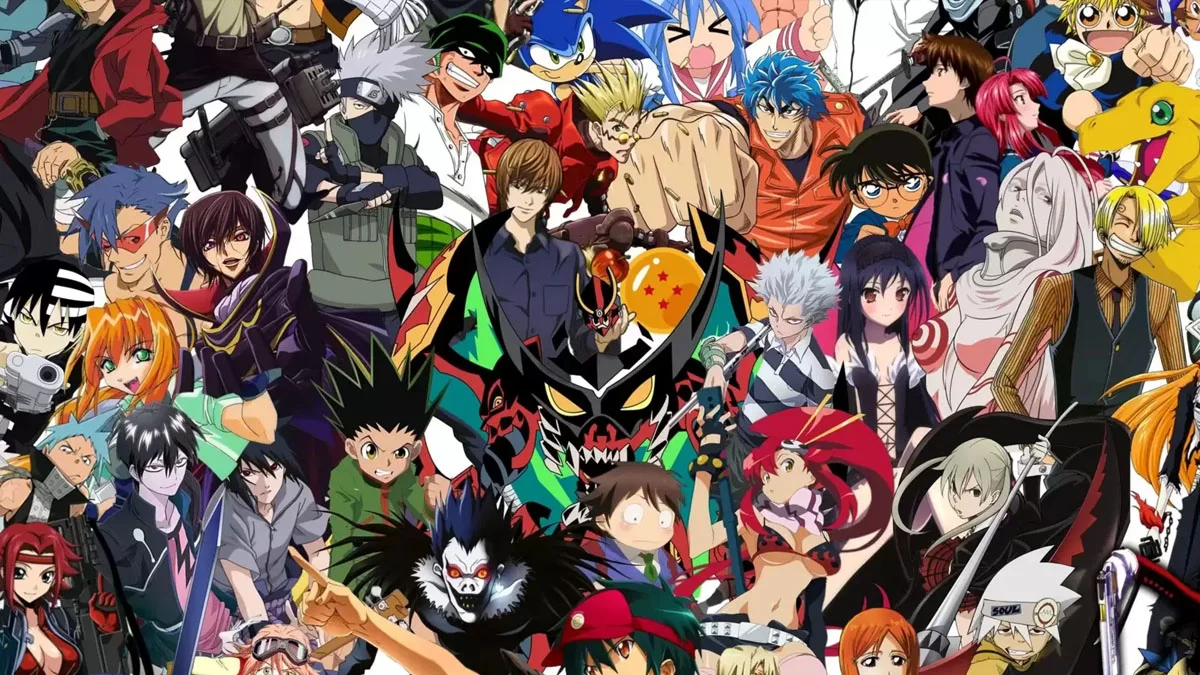
Demographic Classification: Who Is Anime Made For?
“Demographic” indicates the audience a work targeted at original publication. It is not a content genre, but it hints at pacing, dramatic intensity, and character style. Always read demographic alongside genre and theme to picture the experience you are about to watch.
Kodomomuke (Children)
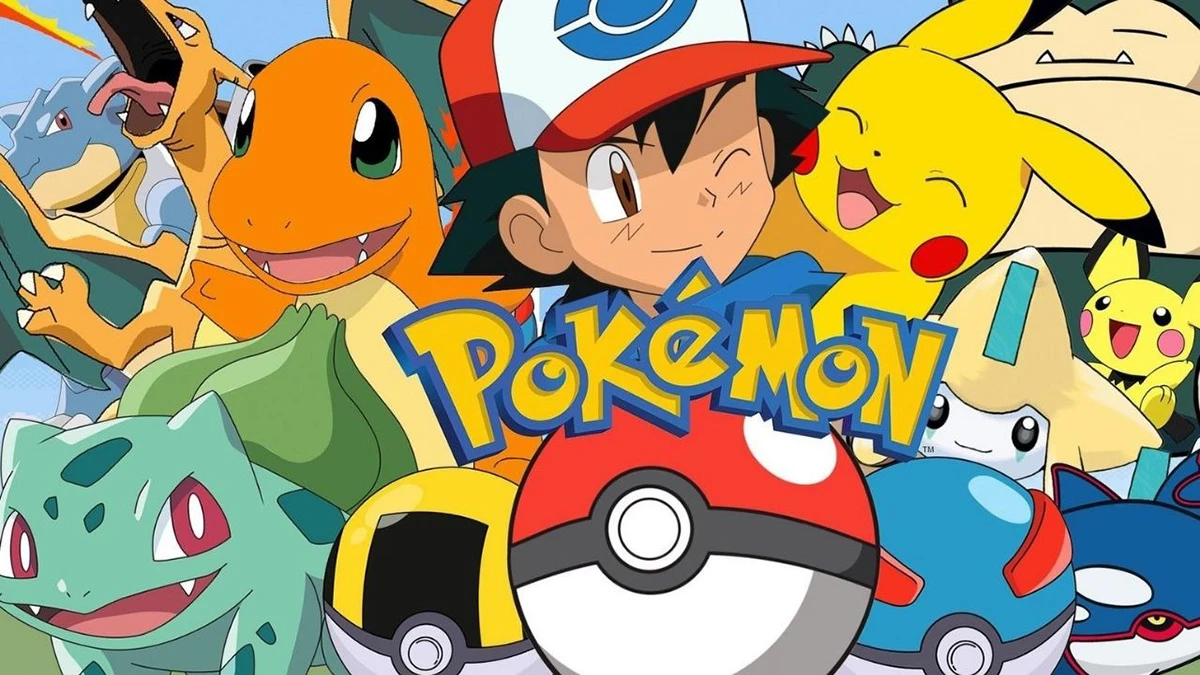
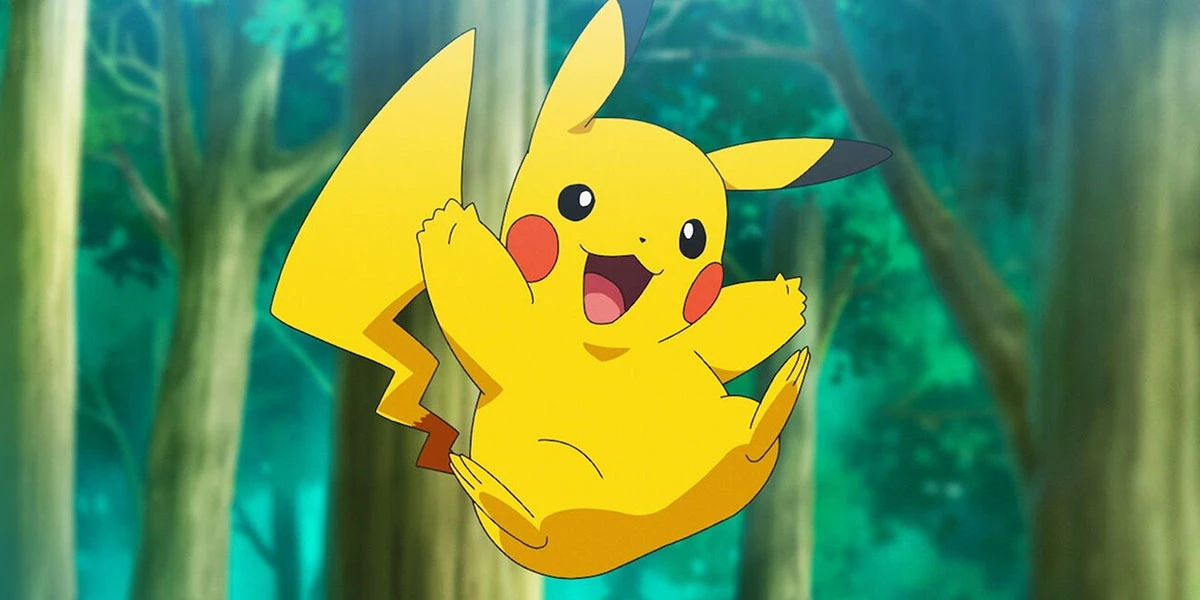
Kodomomuke targets viewers under twelve, so stories are direct, bright, and neatly resolved. Conflicts are simple, lessons are clear, humor is light, and heavy violence is rare. Characters are friendly and memorable, and episodic loops help kids follow without watching every season. Episodes are short, with each one tackling an everyday problem or a small adventure. Easy entry points include Doraemon with “gadgets” that solve trouble before circling back to a lesson; Pokémon with the coming-of-age journey of Satoshi/Ash and gentle battles; Crayon Shin-chan from the cheeky perspective of a young boy; Anpanman using a superhero figure to teach kindness; and Yo-Kai Watch explaining children’s emotions through playful yokai. If you need kid-safe content that adults can still enjoy, this group fits the brief.
Shonen (Teen Boys)
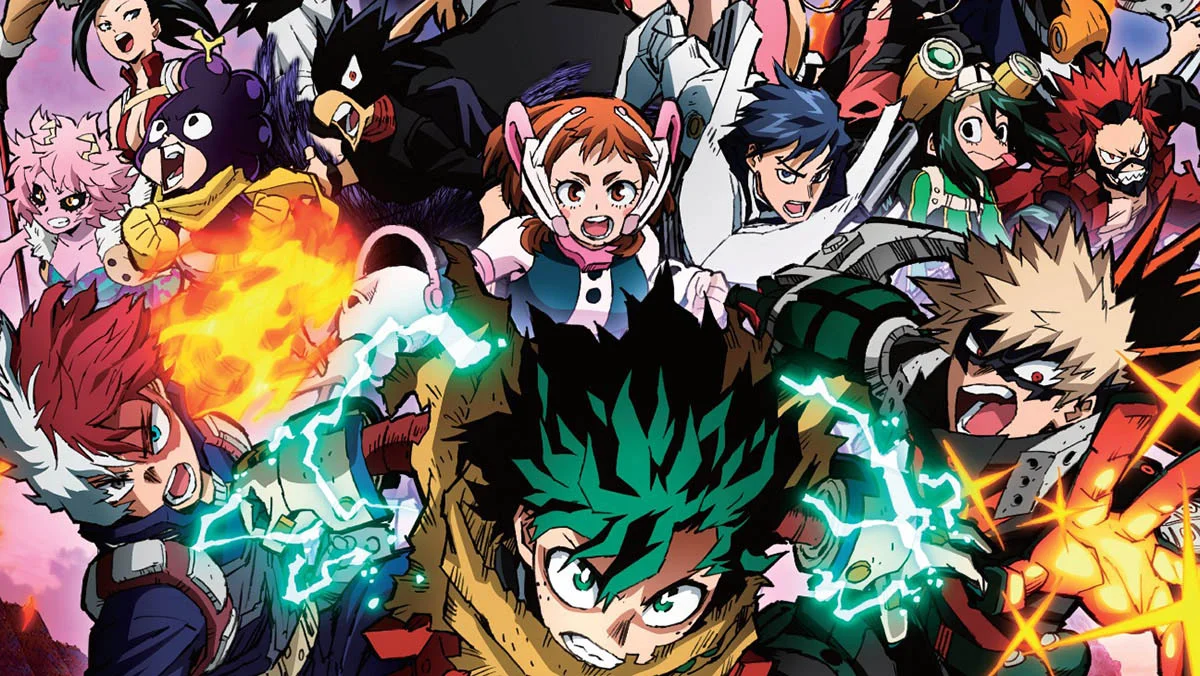
Shonen aims at teen boys, so pacing is fast, conflicts are direct, and the growth arc is clear. A familiar pattern is training, breaking limits, forming a team, facing stronger foes, then opening a new layer of the world. Core themes revolve around friendship, willpower, and personal responsibility; the mood tends to stay optimistic even as tension escalates across arcs. Representative examples are One Piece with a long voyage, tight camaraderie, and a pirate world that expands by sea; Naruto from ninja classroom to village-defining wars, emphasizing bonds among former outcasts; My Hero Academia questioning a hero society and the cost of saving people within a rule-bound system; Demon Slayer blending family tragedy with sword forms and demon arts, rich in feeling and visuals; Jujutsu Kaisen with a modern, decisive, high-tempo take on curses and striking fight choreography; and Haikyuu!! as the sports branch, keeping shonen spirit but swapping blows for tactics and match rhythm. Common signals include rule-based power systems (from haki, chakra, and quirks to breathing techniques), frequent climaxes, end-of-episode cliffhangers, music that pushes emotion, and comic beats to release tension. Runs can be very long with side seasons or filler, but the emotional spine stays “grow stronger together” and “win with heart and head, not strength alone.”
Shojo (Teen Girls)
Shojo targets teen girls and centers on feelings, relationships, and learning who you are. It is not only about romance; it also covers friendship, family, dreams, confidence, and healing. Pacing is gentle, with emphasis on dialogue and everyday moments; when fantasy appears, it still serves character emotion. Accessible picks include Fruits Basket (the remake) with healing and self-acceptance; Kimi ni Todoke about a shy girl learning to open up; Ouran High School Host Club using comedy to invert romance tropes; Cardcaptor Sakura combining magic with family warmth; Yona of the Dawn moving a heroine from sheltered princess to team leader; and Sailor Moon, a magical girl landmark that pairs battles with friendship and growth. Hallmarks include interior monologue, visual motifs such as light, flowers, and seasonal shifts, and emotional climaxes rather than intense action. Violence, if any, is light and stresses psychological aftermath. If you want warmth with a focus on human journeys and bonds, shojo is a clear entry.
Seinen (Adult Men)
Seinen targets adults who prefer realistic stories with gray zones and heavier consequences. Pacing is slower than shonen and prioritizes psychology, motive, and social conflict. Violence, sexuality, crime, politics, and ethics may appear and are handled directly, without evasion. Clear examples include Vinland Saga questioning war, revenge, and the meaning of freedom; Monster as a pursuit of evil layered with meticulous psychology; Ghost in the Shell: Stand Alone Complex probing humanity in an age of networks and security; Black Lagoon diving into mercenary life and the line between good and evil; Berserk exploring ambition, tragedy, and unflinching violence; and Parasyte: The Maxim using sci-fi horror to ask what makes us human. Expect conflicts without clean answers, dense dialogue, restrained editing, violence that carries weight rather than flashy moves, and colder, more subdued scores. Choose this lane when you want to think after each episode and can accept heavier themes.
Josei (Adult Women)
Josei targets adult women and focuses on real life: work, later-stage romance, family, money, and unfinished dreams. Storytelling is more relaxed, rich in dialogue and everyday detail, with nuanced conflicts instead of boss fights or magic fixes. Works avoid sugarcoating feelings or forcing tragedy; every choice has a cost and consequence. You will recognize josei in Nana with tangled relationships, artistic ambition, and the price of growing up; Chihayafuru where pursuing competitive karuta is both beautiful and exhausting as friendship and love mature over years; Honey and Clover capturing college life with talent, envy, and fear of the future; Paradise Kiss about fashion, identity, and career direction; Nodame Cantabile balancing humor with pressure in the world of classical music; and Showa Genroku Rakugo Shinjuu using the art of rakugo to reflect mentorship, love, and legacy. Expect quiet beats for self-questioning, small decisions that pivot entire lives, and an aftertaste of authenticity. If you want stories close to real-life rhythm, josei is the most direct and reliable path.
Next, pin down the core genres to understand the storytelling mode you will actually watch.
Core Genres: What You Will Actually Watch
If demographic tells you “who it is for,” genre tells you “how it is told.” This layer determines tempo, atmosphere, suspense level, and the shape of climaxes. Read genre correctly and you can predict the emotions you will meet in each episode.
Action
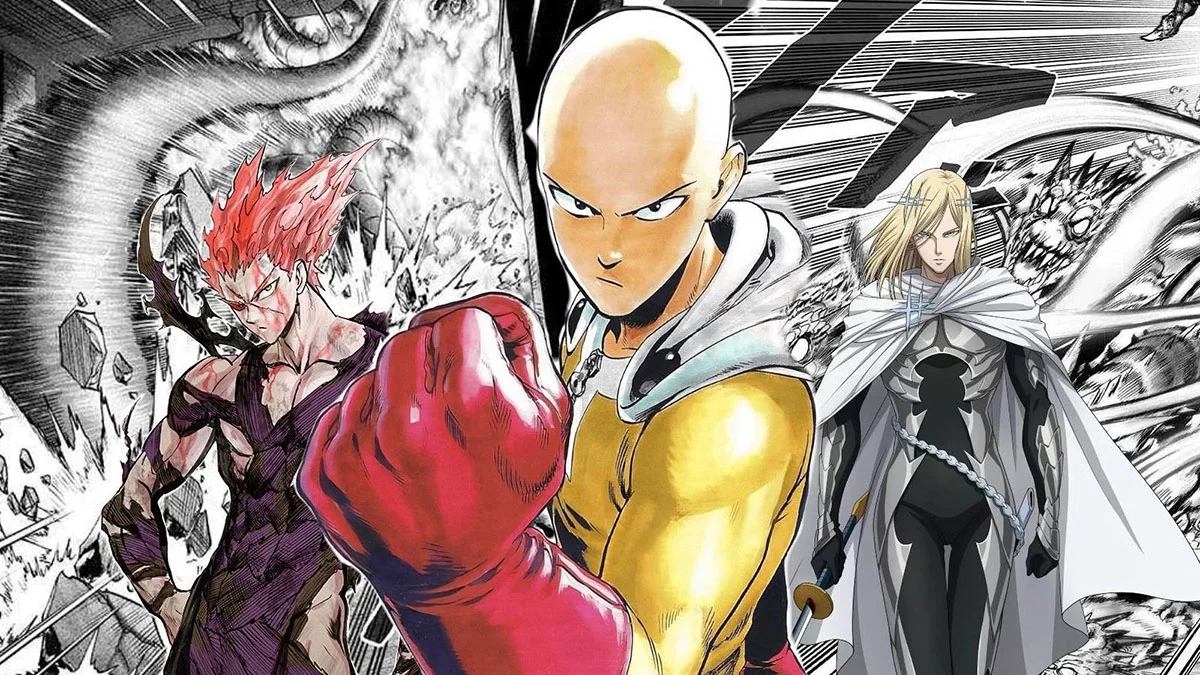
Action prioritizes high speed, direct conflict, and clear crescendos. Characters pursue concrete goals, obstacles scale up, and skills or powers unlock at milestones. Viewers come for catharsis when a fight peaks at the right moment, with music and staging that spike adrenaline, then close on a win that means something. Expect rule-based systems (quirks, chakra, breathing techniques, curses), opponents with distinct styles, and teammates who cover one another’s weaknesses. Plots do not need to be complex, but the emotional energy must rise and fall on beat so progress feels real arc by arc. Easy entries: Demon Slayer is tight, handsome, and lands an emotional beat in every fight; My Hero Academia blends superhero spirit with coming-of-age lessons; Jujutsu Kaisen is fast, decisive, and visually sharp in combat; One Punch Man mocks action formulas yet still delivers satisfying battles; Attack on Titan starts as survival action and expands into a war of ideals and will. For a long-haul journey, One Piece is the classic example: each sea is a miniworld with its own rules and top dogs. Choose action when you want speed, motivation, and characters breaking limits. Violence levels vary by title; for younger viewers, favor lighter cuts or TV edits.
Adventure
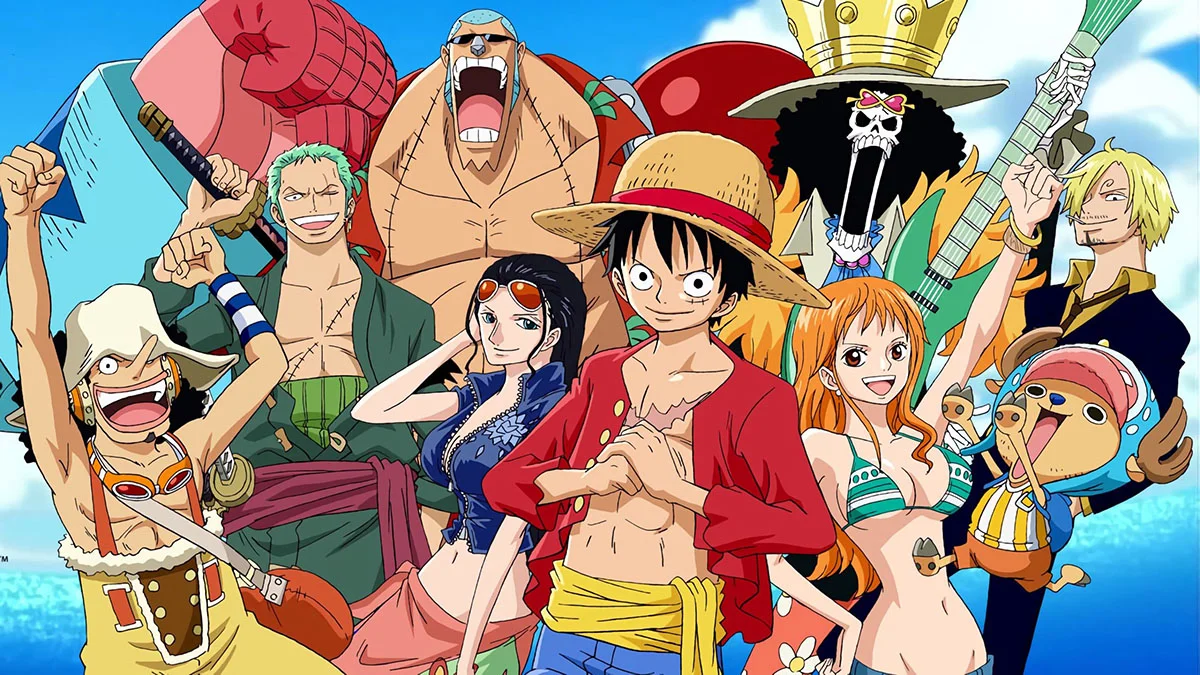
Adventure centers on leaving the comfort zone to explore the world and face the unknown. The point is not only “defeat someone,” but to cross regions with new rules and cultures so the characters change. Tempo is flexible: slower to absorb place, faster when danger hits. The dominant feelings are curiosity, freedom, and growth through experience. Hallmarks include a wide “map”: each arc is a locale with its own story, side characters have convincing motives, and challenges range beyond duels to long-range quests, puzzles, survival, negotiation, and moral dilemmas. Artifacts, ruins, and legends often drive the party onward. Easy entries: Hunter x Hunter turns each leg of the trip into a new lesson in rules and people; Magi: The Labyrinth of Magic moves friends across deserts, dungeons, and kingdoms with political plots; Made in Abyss is a beautiful yet frightening descent where every layer has its own survival logic; Kino’s Journey takes a quiet pace, visiting countries to reflect on ways of life; Mushishi follows a wanderer who mends strange natural disturbances; Spice and Wolf is commercial adventure that pushes the story with dialogue and economics. Many big shonen series like One Piece also run on an adventure spine, each island as a complete small world. Pick adventure if you like opening the map, well-built worlds, and organic growth through contact. If you crave constant speed, favor action-leaning works; if you want to “walk and look,” prefer journey structures with generous quiet beats.
Comedy
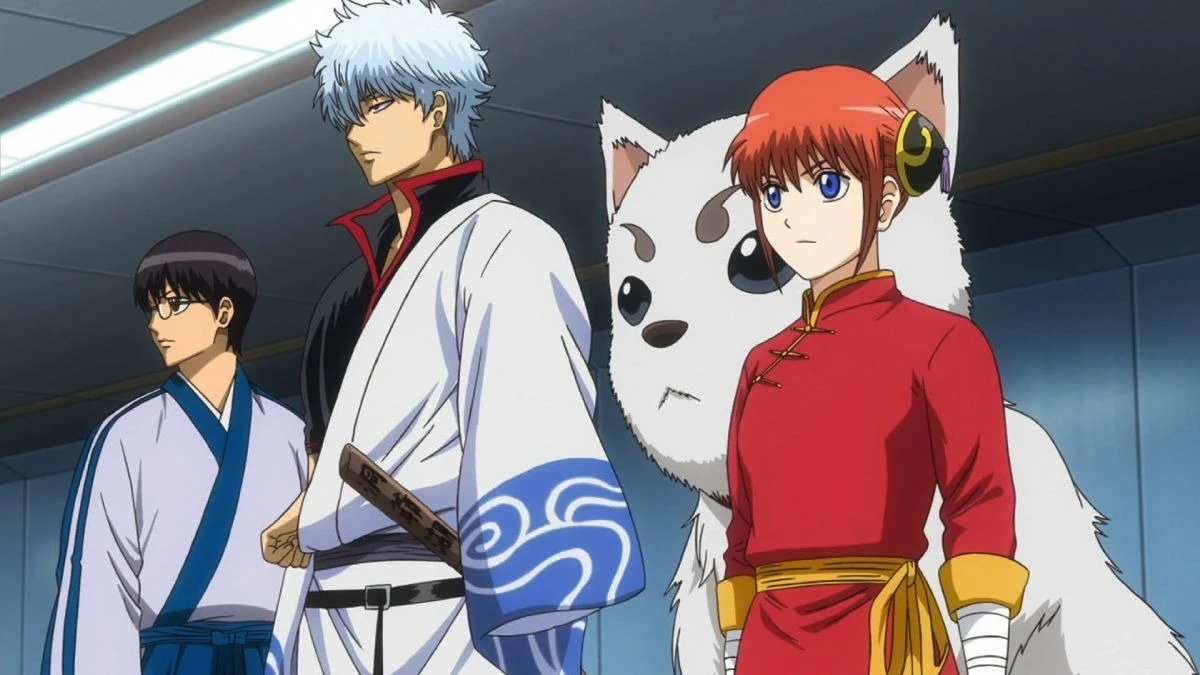
Comedy in anime has one clear goal: make you laugh with fast timing, awkward setups, and characters who go over the top at the right moment. The focus is not a long plot but setup and punchline: build a situation, bend expectations, then land the gag. Episodes often stand alone, so you can watch out of order. Many shows use manzai rhythm (straight man and boke). Gintama keeps skewering samurai tropes and pop culture. The Disastrous Life of Saiki K. traps a psychic in noisy everyday chaos he cannot control.
There are slice-of-life branches like Nichijou and Daily Lives of High School Boys that blow tiny incidents into grand farce; deliberately dark or crass lanes like Asobi Asobase; “adventure-comedy” like KonoSuba, where a world-saving party mostly ruins things; and “spy-family sitcoms” like Spy x Family that balance jokes with warmth. For a more adult vibe, Grand Blue goes for extreme volleying in a college setting, while Hinamatsuri uses psychic powers to tell a story about learning to be decent.
Note this when choosing: humor depends on culture and translation, so some wordplay will not carry in subtitles. The medium still works because physical comedy, editing rhythm, and exaggerated expressions deliver across languages. When you need a palate cleanser between heavier titles, comedy is a clean stop: easy to start, easy to pause, and varied enough to match any mood.
Drama
Drama puts feelings and consequences first. Stories turn on personal choices, family, friendship, illness, loss, and wounds that are hard to name. Pacing runs medium to slow to let characters breathe, think, and reach an emotional break point. Fewer twists are required; the core is internal change and how relationships heal or break.
Start with Your Lie in April, a coming-of-age through music and grief. A Silent Voice faces bullying, guilt, and a chance at atonement. Clannad After Story moves marriage, family, and responsibility to the front. March Comes in Like a Lion follows a young shogi player learning to live with loneliness. Violet Evergarden is a journey toward naming feelings. Anohana touches childhood memories and the unsaid. Orange gives characters a chance to correct regrets. Hallmarks include long quiet dialogue, telling looks, the space between lines, and score cues that lift emotion at the right second. Choose drama for grounded stories that linger after the credits.
Fantasy
Fantasy makes magic and the uncanny world the base layer. The rules are not real-world physics but magic systems, peoples, relics, curses, and power lineages. The point is not “how strong is the spell,” but whether the world runs logically: magic has a price, myths have history, and kingdoms have politics. When the pieces lock, every spell cast matters instead of being hollow spectacle.
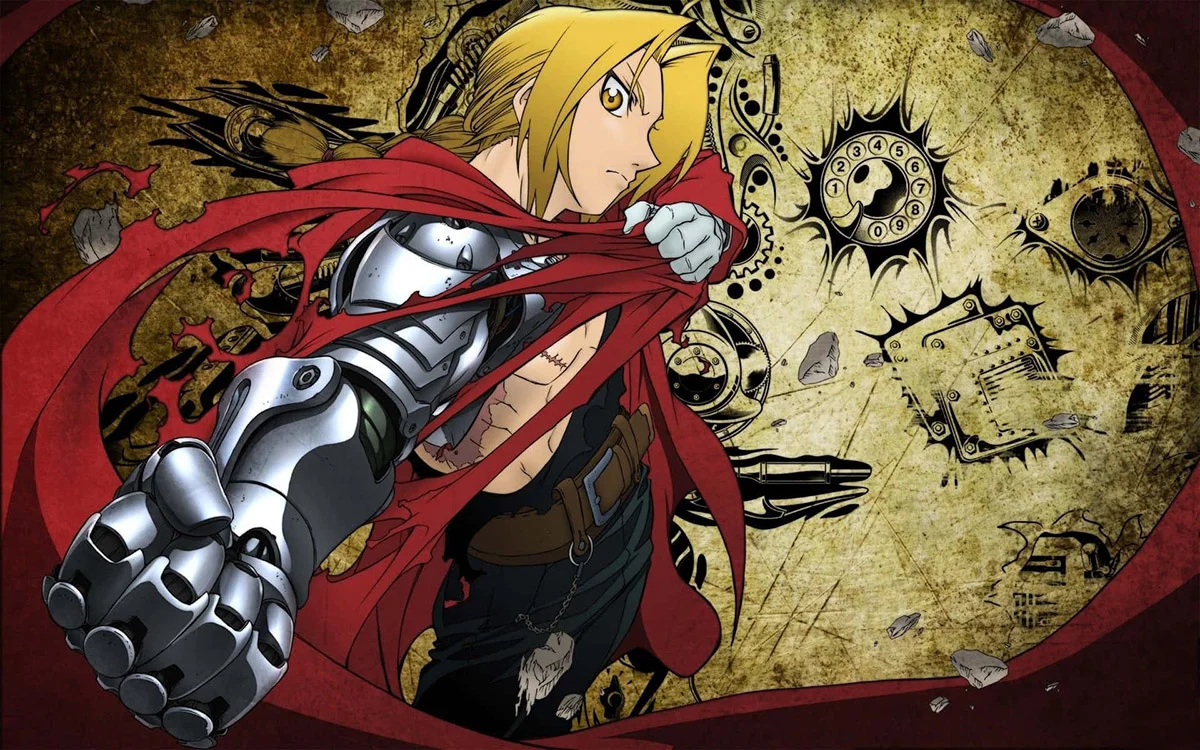
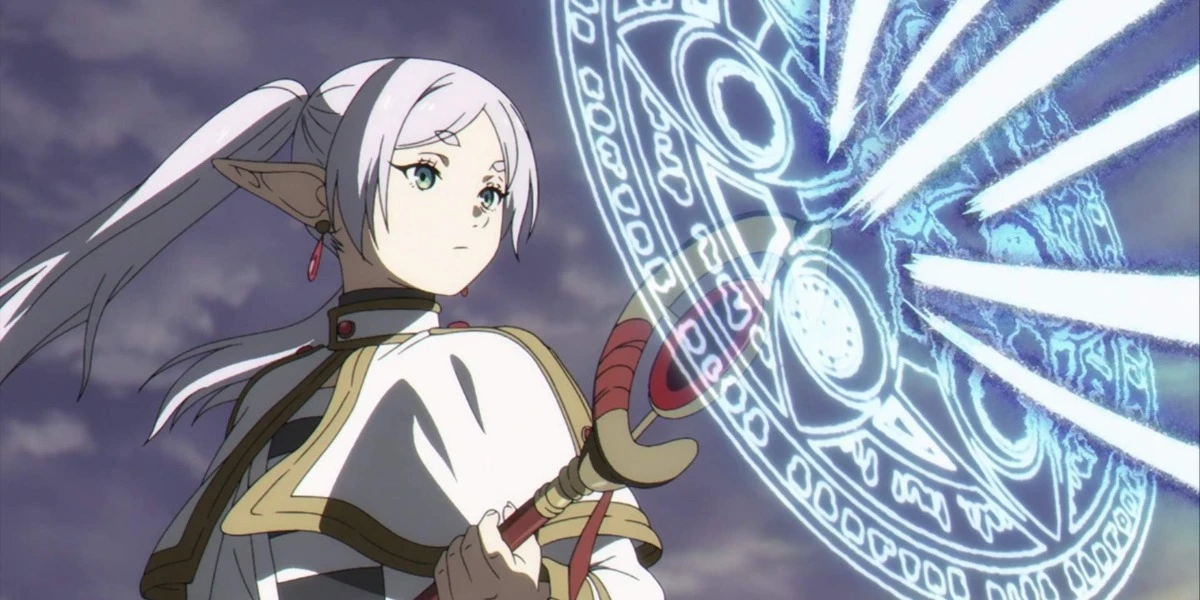
Begin with Fullmetal Alchemist: Brotherhood, where alchemy obeys equivalent exchange, so every choice leaves a mark and the story hits hard and true. Magi: The Labyrinth of Magic uses dungeons, djinn, and trade to explore power and freedom. Ranking of Kings looks simple yet builds rules and feeling with precision. Frieren: Beyond Journey’s End asks what life looks like after the Demon King falls and turns travel into understanding others. Re:Zero leans isekai but stays emotionally heavy, where “reset” is never free. For epic color, Fate/Zero blends myth with arguments about human wishes. Made in Abyss is dark fantasy: beauty with danger, each layer governed by its own survival law.
Hallmarks: maps, principled magic systems, legends treated like real history, and power struggles braided with personal choices. Pick fantasy when you want to travel a world thought through from first principles, where every miracle exacts a cost and every victory casts a shadow.
Science Fiction (Sci-Fi)
Sci-fi uses technology and future ideas to ask questions about humanity. The focus is not “how cool the machines are,” but how technology reshapes choices, ethics, and relationships. When sci-fi works, its world runs on clear rules: what rights do artificial intelligences have, how far can memories be edited, how does society control its citizens.
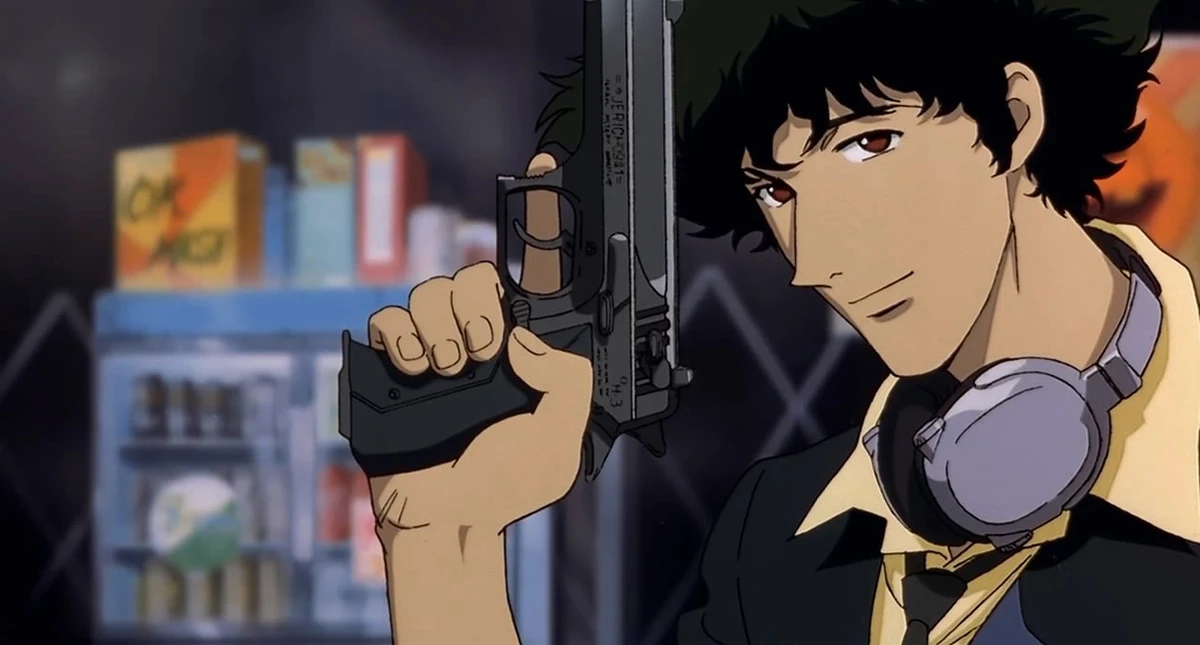
Start with Steins;Gate if you like time travel with a butterfly-effect twist; the early pace is slow but pays off. Psycho-Pass puts surveillance tech next to personal freedom. Ghost in the Shell: Stand Alone Complex is a cyberpunk benchmark that asks what the self is when bodies are digital. Cowboy Bebop brings spacefaring cowboy flair, each episode a slice of life among the stars. Planetes treats space debris work with realism. 86 looks at war through machinery and prejudice. Space Brothers hooks you with everyday dreams of reaching space. Vivy: Fluorite Eye’s Song uses AI and music to tell a time-loop mission to save the world.
Hallmarks: technology terms explained just enough, conflicts that emerge from relying on or resisting systems, a future backdrop with very human feelings. If you want entertainment that also makes you think about the present through a future lens, sci-fi is a direct path to depth without needing a science degree.
Romance
Romance in anime is not simply “two people like each other and become a couple.” The draw is the journey: misunderstandings, awkwardness, small jealousies, then decisive choices as the characters grow up. The pacing is warm and close to everyday life, built on dialogue and looks, so you feel the chemistry rather than just hearing a confession.
Start with Toradora! for a sincere school-age story full of misunderstandings. Kaguya-sama: Love is War turns confession into a witty battle of minds while still landing emotion. Horimiya is simple and sweet, showing two people helping each other out of their shells. My Dress-Up Darling uses cosplay to talk about confidence and respect. Your Name is a fated slice with both romance and high stakes. Bloom Into You (yuri) moves slowly and with care, about learning to feel and to name love. For a more adult lane, Nana shows that love alone does not solve everything and every decision has a cost.
Hallmarks: quiet beats, a score that lifts emotion, and conflicts that are small but real. Choose romance if you want to watch characters grow alongside their feelings.
Horror
Horror in anime runs in two main lanes: unsettle with atmosphere (psychology, mystery) or shock with imagery (gore, monsters). The first uses slower pacing, uneasy sound design, and “off” framing to keep you on edge; the second goes straight at survival threats. Common thread: the scariest thing is often not curses or demons, but people pushed to their limits.
Start with Another for a spine-prickling school mystery. Higurashi: When They Cry loops time, with each cycle peeling back a new layer of terror. Shiki asks what a community does as evil seeps in by degrees. Mononoke is beautiful and haunting, dissecting greed and guilt. Paranoia Agent (Satoshi Kon) leans into social psychology and blurs what is real. Junji Ito Collection brings the legendary horror manga style to the screen. Tokyo Ghoul mixes action while keeping the human–ghoul boundary precarious.
Note: horror can include violence and disturbing images. If you prefer chills to jump scares, favor works that lean on psychology and atmosphere over visual shock.
Sports
Sports anime is not just match recaps. What holds you is friendship, discipline, tactics, and that “I want to try harder too” pull. Each team or athlete has a philosophy; every game is a strategic problem; training is the long road that lets you peak at the right moment.
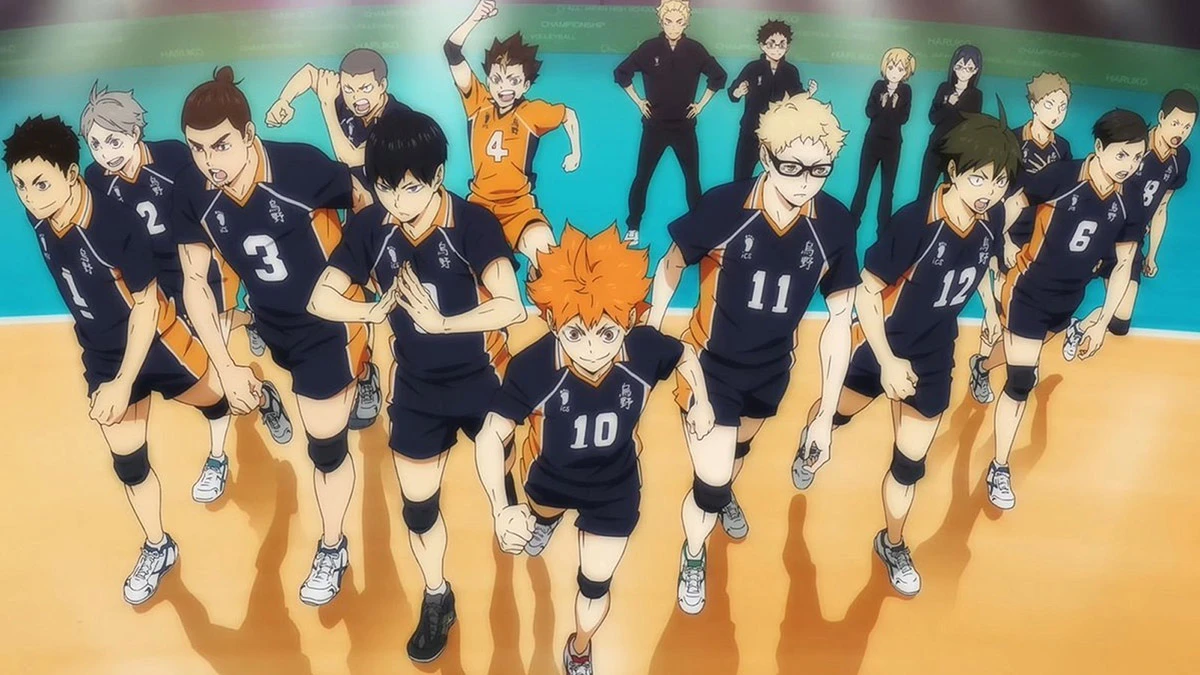
Start with Haikyuu!!: brisk tempo, likable cast, and clear volleyball tactics. Kuroko’s Basketball goes the “special techniques” route for maximal drama and fun. Slam Dunk is a classic with unmistakable youth energy. Blue Lock cranks ego and scoring philosophy to the max, like a soccer survival game. Hajime no Ippo shows boxing’s grind and glory. Ace of Diamond plays the long game with baseball, focusing on competitive psychology. Yuri!!! on Ice uses figure skating to tell a story about confidence and connection. Ping Pong the Animation is visually minimal but razor-sharp about an athlete’s inner life. For a “mind sport,” Chihayafuru turns karuta into a race of speed, memory, and heart.
Hallmarks: clear tournament arcs, coherent strategy talk, and explosive payoff moments after long stretches of training. Choose sports when you want motivation, team growth, and to learn the rules while enjoying the story.
Special Themes and Subgenres
This is the seasoning layer that makes anime diverse. The same action story can feel different with isekai, mecha, or slice of life added. Read this layer correctly to predict mood, pacing, and recurring tropes.
Isekai
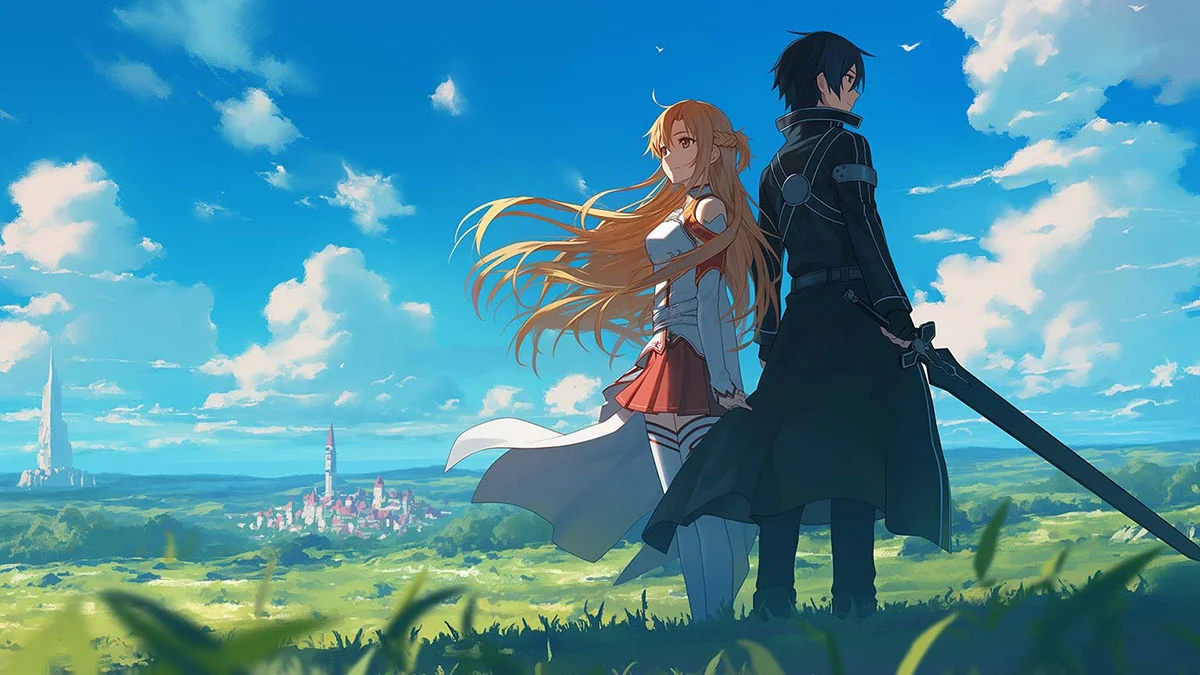
Isekai follows a character sent to another world. Entry points include reincarnation, summoning, or falling through a gate. The draw is starting from zero and learning new rules. You often get levels, skills, jobs, and quests. Pacing is approachable because you discover the world step by step with the protagonist. Easy entries: Sword Art Online with a survival game frame; Re:Zero subverts expectations by making resurrection costly; That Time I Got Reincarnated as a Slime takes a gentle tone and builds a community; KonoSuba turns the quest into situational comedy; Mushoku Tensei drills deep into character growth. Choose isekai when you want discovery and like seeing world rules introduced in stages.
Mecha
Mecha centers on giant robots, but what holds viewers is the person in the cockpit and the society around the machine. Two common branches: super robot for heroic swagger, real robot for politics and realism. Start with Mobile Suit Gundam for a classic foundation; Code Geass blends grand strategy with personal tragedy; Neon Genesis Evangelion goes intensely psychological; Gurren Lagann is explosive energy and breaking limits; 86 views war through discrimination and machinery. Mecha suits viewers who want action plus reflection on responsibility, loss, and the cost of choices.
Slice of Life
Slice of life is everyday living, plain and simple. No saving the world, just routines, friends, clubs, small joys, and manageable sorrows. The appeal is truthful detail, gentle pacing, and warmth. Try Barakamon for an artist relearning how to live; Non Non Biyori for quiet country rhythm; Laid-Back Camp for camping inspiration; K-On! for music and friendship that spark smiles; March Comes in Like a Lion leans dramatic yet keeps a refined everyday touch. Pick slice of life when you want to relax and see yourself in small things.
Idol and Music
This lane follows idol groups, school bands, or solo artists. The hook is practice, performance, and intra-group bonds. Songs, stages, and standing firm before an audience deliver the climaxes. Love Live and The Idolmaster represent the idol model; K-On! and Bocchi the Rock! cover school bands; Your Lie in April and Nodame Cantabile lean classical; Carole & Tuesday mixes modern production. If you love music and the grind behind a few minutes on stage, this hits the spot.
Harem and Ecchi
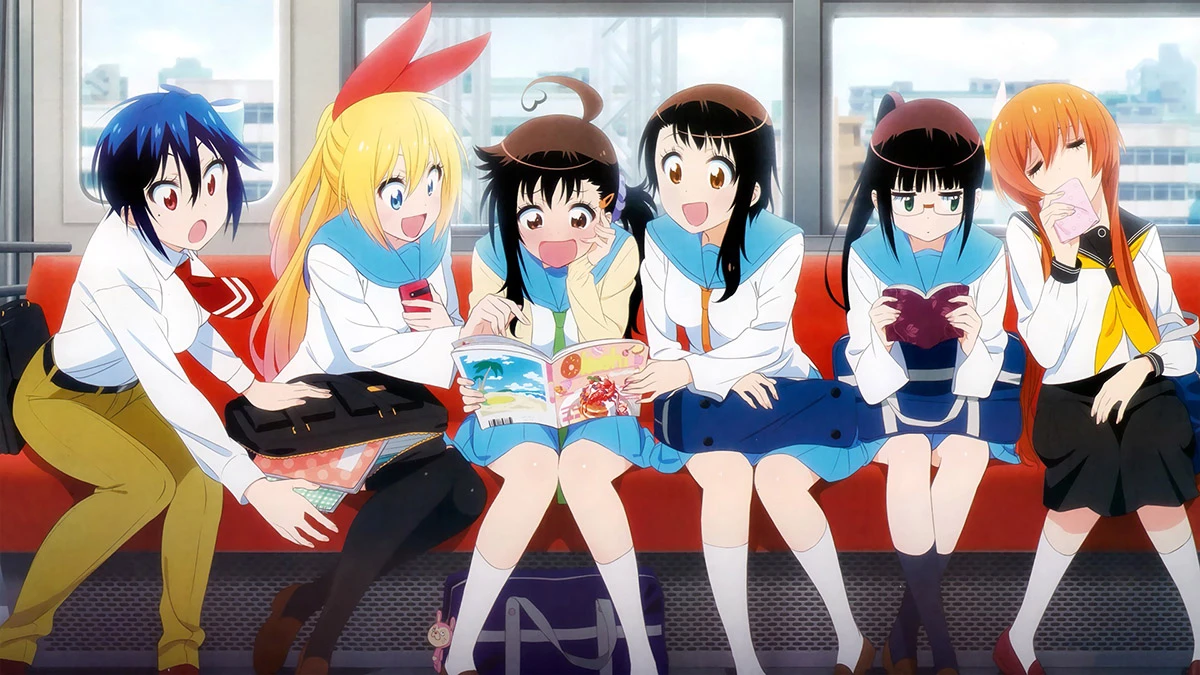
Harem places one lead amid multiple romantic interests, mainly to spark comedy and rivalry. Ecchi uses light titillation as part of jokes or tension. Both aim for quick entertainment rather than dense plotting. Examples: Nisekoi, The Quintessential Quintuplets, High School DxD, To Love Ru. If you want depth and long arcs, choose carefully, since many titles favor antics over development. If you only need light after-work fun, this lane is fair game.
Yaoi and Yuri
Yaoi is Boys’ Love, yuri is Girls’ Love. The focus is same-sex relationships, from hesitant to candid, in adult life or school years. The tone is often delicate, with attention to boundaries and emotional safety. Yuri!!! on Ice frames growth through figure skating; Given heals through music in a BL context; Bloom Into You asks what it means to feel and to name love; Sasaki and Miyano is gentle and everyday. Choose this when you want romance told with respect and a soft rhythm.
Mahou Shoujo
Mahou shoujo is the magical girl lane. It looks bright but spans from optimistic to very dark. Familiar pieces are transformation, mascots, magic, and lessons about friendship and responsibility. Sailor Moon opened the door; Cardcaptor Sakura is warm and charming; Madoka Magica bends the formula into philosophical tragedy; Precure is a long multi-season franchise for varied ages. Pick this if you want power paired with heart and friendship.
Psychological and Experimental
Some works resist neat boxes. They favor psychology, symbolism, and unusual form. The ride can be demanding, but the payoff is a new angle on things. Serial Experiments Lain dissects selfhood in the network era; Paranoia Agent watches society through haunting images; The Tatami Galaxy plays with time and choice; Perfect Blue spirals through identity and show business. Choose this when you want to be challenged and can accept ambiguity in exchange for insight.
Comparing Anime, Manga, Live-Action, and Western Animation
Anime does not stand alone. It moves alongside manga (the source comics), live-action (human actors), and Western animation. Knowing the differences helps you predict the “feel” before you press play.
Production Pipeline
Manga is often driven by a single author or lead, released in periodic chapters, with reader feedback shaping direction. Anime is a team product: director, screenwriter, character designer, animators, and composers. Many projects use a production committee model that prioritizes commercial feasibility and broadcast schedules. Live-action is constrained by real locations, actors, shooting calendars, and postproduction. Western animation typically runs long seasons with strong writers’ rooms and stable pipelines to produce many episodes continuously.
Visual Language
Anime uses linework, shot composition, and “exaggerated expression” to transmit emotion fast: eyes, hair, speed lines, and symbolic transitions. It makes the impossible affordable. Manga relies on panels, onomatopoeia, and the rhythm of the page turn to build silent crescendos. Live-action excels at human faces and tangible sets, but the unreal is expensive and difficult. Western animation favors simple forms, smooth motion, direct expression, and crisp comedy timing.
Censorship and Ratings
Anime spans kids to adult topics and may tackle violence, heavy psychology, and philosophy. Content advisories depend on timeslot and platform. Manga magazines each have a house “tone,” with sensitivity levels by demographic. Live-action faces tighter scrutiny because it depicts real people. Western animation has long been tied to children, though recent years have expanded into 16+ and adult lanes; the overall baseline remains “safer” than anime.
Adaptation Flexibility
From manga to anime is highly flexible: keep the framework, add scenes, change pacing, even alter the ending. From anime to live-action is harder due to aesthetics, effects, and animation’s heightened rhythm that does not translate cleanly to real actors. Conversely, many ideas truly shine only in animation (mecha, magic, abstract symbolism). Western animation moving to live-action meets similar challenges, but many shows are written with “family film” structure, so the gap is smaller.
Pacing and Length
TV anime often runs in 12–13 or 24–26 episode seasons, leaving room for world and character development. Manga varies by author: one-shots, shorts, long serials. Live-action is limited by budget: fewer episodes, economical staging, dialogue-heavy scenes. Western animation tends to two poles: long-running sitcoms and artful miniseries; pacing is usually steady to fit broadcast cadence.
Emotional Experience
Anime hits crescendos with music, montage, and symbolic “moves.” Manga lets you fill gaps with imagination, so emotion rises from the page-turn rhythm. Live-action heightens everyday moments and lands close to home because it is “real people in real places.” Western animation stands out for comedy timing and clear messaging, easy to share across age groups.
Anime Suggestions and How to Start
Choose by Mood: the Fastest Way In
If you want excitement and a wide world, follow the epic-journey lane. One Piece delivers long-form adventure and clear camaraderie. Hunter x Hunter keeps changing its rules so every leg of the trip is a new challenge. Fullmetal Alchemist: Brotherhood is tight from start to finish with rule-based alchemy. Vinland Saga is heavy on war and freedom yet rich in feeling. This lane fits when you need motivation and like watching real character growth.
When you want warm, low-stress viewing, go slice of life. Barakamon is a return-to-life journey on a small island. Laid-Back Camp turns camping into a relaxing tonic. March Comes in Like a Lion is gentle and deep, about loneliness, work, and friendship. Frieren: Beyond Journey’s End moves slowly, looking at life after a great quest ends. Expect small joys and lasting calm after each episode.
If you want your brain sparked, pick mind-bending titles. Steins;Gate handles time travel with very human costs. Psycho-Pass pits personal freedom against surveillance systems. Paranoia Agent examines society through uncanny symbols. Monster is a rare psychological manhunt. These fit when you want to think while you watch.
If you prioritize feelings and maturity, choose romance or drama. Toradora! is sincere and warm. Kaguya-sama: Love is War is witty yet heartfelt. Horimiya is close to everyday life and easy to like. Nana is adult and spiky about the price of choices. This lane fits when you want to see characters change bit by bit through dialogue and decisions.
If music is your throughline, go idol or school band. K-On! is light and fun. Bocchi the Rock! mixes stage energy with social anxiety. Your Lie in April uses music to heal. Love Live shows training and the shine of an idol group. This lane is inspiring and often sends you back to the soundtrack.
Platforms and Habits That Keep You Oriented
Use legal platforms for reliable subs and good image quality. Big services group by season, provide title pages, and surface similar picks to keep your flow. As a newcomer, favor subtitles to keep original performances, then try dubs if you like to multitask. Set short goals, such as one or two episodes a night. Do not grab a very long series on day one and burn out midway.
Track with a simple list. Use a note sheet or sites like MyAnimeList and AniList to mark watching, on hold, and completed. This prevents losing your place and reveals your taste patterns after a few weeks. When you hit filler or a weak episode, pause for a night instead of forcing it, because fatigue makes people drop shows.
Quick but Safe Picking Tips
Read the synopsis and content advisories before you press play, especially for horror and seinen since they may include violence or sensitive themes. For long-running shonen, start at season one to feel the baseline rhythm; do not jump into a latest season cold. For isekai and mecha, check whether the world rules are clear, since they are the backbone of the experience. If stuck between two titles, watch episode one of each, then decide. Do not over-rely on scattered comments. After a few weeks, revisit shows you dropped when your mood did not fit; many series click at the right time, not instantly.
Frequently Asked Questions (FAQs)
What is an “anime genre”?
It is the label for a show’s primary story mode and core emotions, such as action, romance, horror, science fiction, or sports. It signals tempo, atmosphere, and the type of climaxes. Most titles combine layers: demographic (who it targets), genre (how it is told), and theme or subgenre (distinctive “spice” like isekai, mecha, slice of life). Read all three and you can predict the experience before you watch.
What is the difference between genre, demographic, and theme?
Genre is the storytelling mode and central emotion. Demographic is the original target readership, such as shonen, shoujo, seinen, josei, or kodomomuke; it is not a content genre. Theme or subgenre is a motif or setting like isekai, mecha, idol, or mahou shoujo. A work can be “shonen + action + isekai” or “seinen + psychological + horror” at the same time.
What is seinen? Is it always too heavy?
Seinen targets adult viewers, so topics tend to be realistic and gray: politics, crime, war, ethics, and adult relationships. Pacing is slower, with dense dialogue and heavier consequences. Not every seinen is “overwhelming,” but you should check content advisories first. Good entry picks: Vinland Saga, Psycho-Pass, Monster, Ghost in the Shell: Stand Alone Complex (SAC).
What is isekai? Is it the same as fantasy?
Isekai is a theme about going to another world (reincarnation, summoning, or a portal). Many isekai are fantasy because they use magic and new rules, but not all fantasy is isekai. The point of isekai is “starting over from zero” and discovering a world’s systems step by step. Examples: Re:Zero, Mushoku Tensei, KonoSuba, That Time I Got Reincarnated as a Slime.
How many anime genres are there?
There is no fixed number because genres blend. A practical frame is five major demographics and about 8–10 core genres (action, adventure, comedy, drama, romance, horror, science fiction, fantasy, sports), plus common themes such as isekai, mecha, slice of life, idol or music, mahou shoujo, and yaoi or yuri. Read labels as a “combo,” not as isolated counts.
What are the “Big 3” or “Big 4”?
“Big 3” usually refers to three blockbuster shonen of the same era: One Piece, Naruto, Bleach. Many add Dragon Ball to make a “Big 4” because of its foundational impact. This is fan culture, not scholarship. It measures popularity and influence, not absolute quality. For newcomers, these are easy, recognizable entry points.
I am new. Where should I start?
Pick by mood. For excitement: Demon Slayer, My Hero Academia, Jujutsu Kaisen. For warmth: Barakamon, Laid-Back Camp, Frieren: Beyond Journey’s End. For mind-benders: Steins;Gate, Psycho-Pass. For romance or drama: Toradora!, Horimiya, Your Lie in April. Watch one or two episodes, then decide. Do not grab a very long series if you are busy.
Are streaming platform tags reliable?
Mostly helpful, not complete. Platforms use broad tags for search, which can miss key themes or overtag. Read the synopsis, watch the official trailer, and cross-check community ratings (MyAnimeList, AniList). If you see “action” tagged but the poster and trailer feel calm, it may be drama or slice of life with light action.
Is anime suitable for children?
Yes, if you choose kodomomuke or family titles. Anime spans all ages and is not “for kids” by default. For young children, favor bright, wholesome picks like Doraemon, Pokémon, and Anpanman. For teens, read advisories before shonen or seinen since they may include violence or mature themes.
Conclusion
“Anime genre” is the map that keeps you oriented: read three layers at once—demographic (who it targets), genre (how it is told), and theme or subgenre (the distinctive spice). A title is usually a combo, for example “shonen + action + isekai” or “seinen + psychological + horror.” Read the combo correctly and you can predict pacing, mood, tension level, and the shape of climaxes before you press play.
Choose by mood first, then by the list. Need energy: action, adventure. Want warmth: slice of life, romance, drama. Want mind-benders: sci-fi, psychological, experimental. Always check the synopsis and content advisories, especially for horror and seinen. For long series, start at season one to catch the base rhythm; for rule-driven lanes like isekai and mecha, make sure the world rules are explained clearly.
Anime’s edge is hybrid vigor. The same premise can become gentle or dark depending on how demographic × genre × theme are mixed. Understand this, and you will pick the right doorway and finish shows instead of quitting on mismatched expectations.
Explore the styles you love and wear them your way by browsing our anime graphic tees.
