
No products in the cart.
Movies & TV Series
What Are Indie Horror Movies? Definition, Characteristics, and Notable Examples
What Are Indie Horror Movies? Definition, Characteristics, and Notable Examples
What are indie horror movies? This is a common question for horror enthusiasts exploring the genre’s diverse corners. Indie horror represents a niche segment of filmmaking, emphasizing independent production and creative freedom. In this article, we will cover the definition, history, key characteristics, differences from mainstream horror, notable examples, and ongoing trends to provide a clear understanding of this captivating subgenre.
Definition of Indie Horror Movies
Indie horror movies, or independent horror films, are productions created without reliance on major Hollywood studios such as Warner Bros or Universal. They are typically financed and developed by small teams of filmmakers, directors, or independent producers, with distribution often occurring through film festivals like Sundance or Cannes, or streaming platforms such as MUBI and Shudder. The core focus lies in originality and artistic expression, free from commercial constraints.
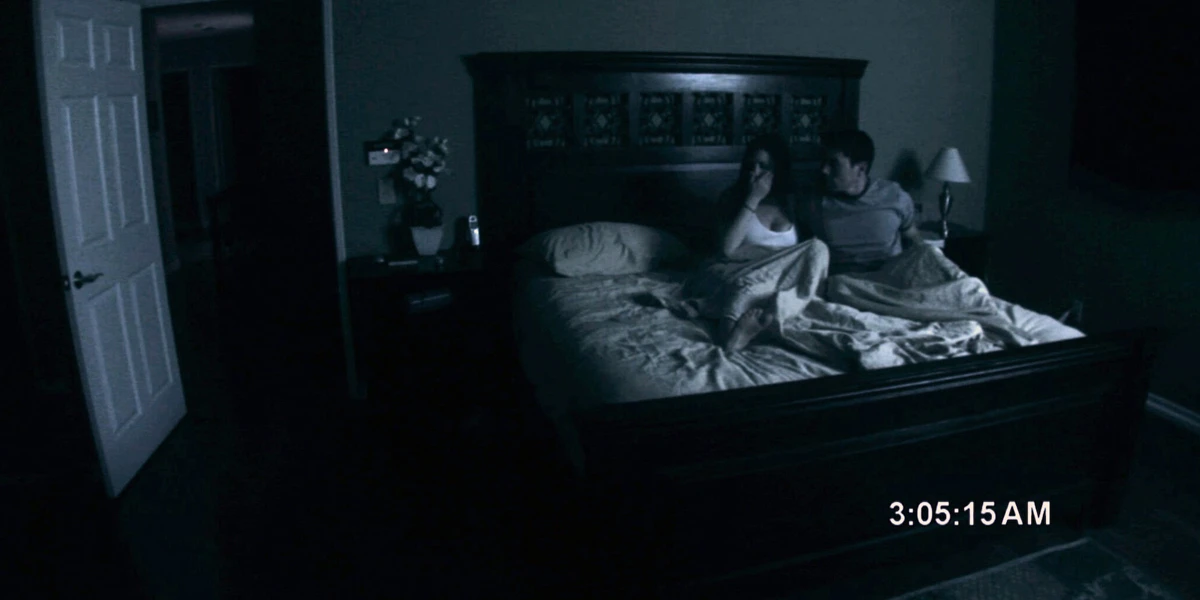
In terms of scale, indie horror usually operates on low budgets, ranging from under one million to five million dollars. This leads to resourceful techniques like found footage (documentary-style filming) or practical effects instead of expensive CGI. A prime example is Paranormal Activity (2007), which cost just 15,000 dollars to produce yet grossed approximately 193.4 million dollars worldwide.
Indie horror carries deeper significance: It embodies “raw, unfiltered terror,” delving into unpolished fears and taboo subjects such as grief or isolation. As outlined in general film resources, indie films are those made outside the traditional studio system, and in horror, they prioritize experimental approaches.
History of Indie Horror
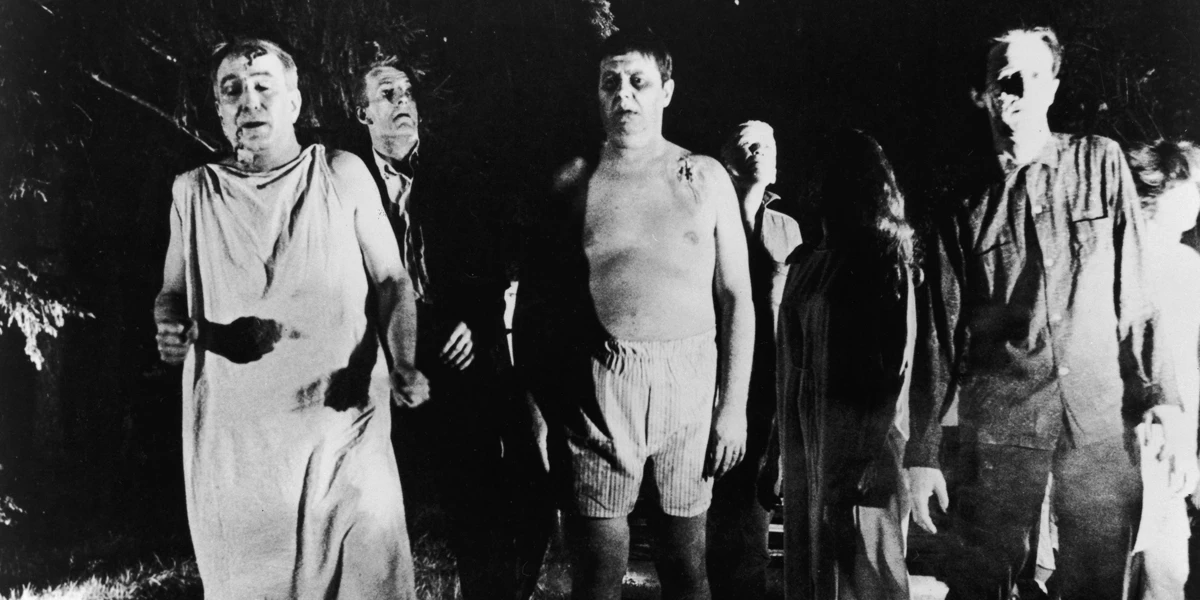
The history of indie horror traces back to the 1950s and 1960s, with pioneers like Roger Corman and his film It Conquered the World (1956), a low-budget sci-fi horror exploring alien invasion themes. An early pinnacle came with George A. Romero’s Night of the Living Dead (1968), the first zombie film, made on a 114,000 dollar budget and revolutionizing the genre through social commentary on race and war.
The 1970s and 1980s saw an explosion with Tobe Hooper’s The Texas Chain Saw Massacre (1974, approximately 140,000 dollars, renowned for its visceral violence) and Sam Raimi’s The Evil Dead (1981, approximately 350,000 dollars, a cult classic in cabin horror). These works not only shaped indie horror but also influenced mainstream franchises like Halloween.
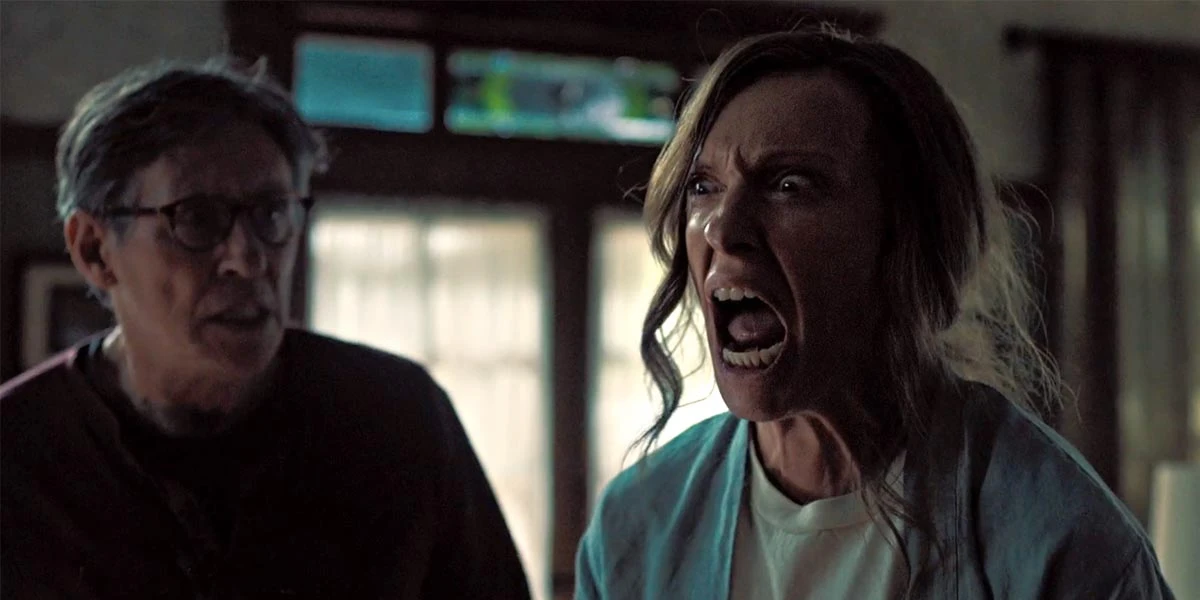
The 1990s faced challenges from studio dominance, but a revival emerged in the 2000s with found footage innovations like Paranormal Activity (2007) and psychological depth in The Babadook (2014, approximately two million dollars, centered on grief). The 2010s expanded to include Hereditary (2018, with indie origins from A24) and international efforts from regions like Ireland (e.g., The Hole in the Ground, 2019) and Mexico (e.g., Tigers Are Not Afraid, 2017).
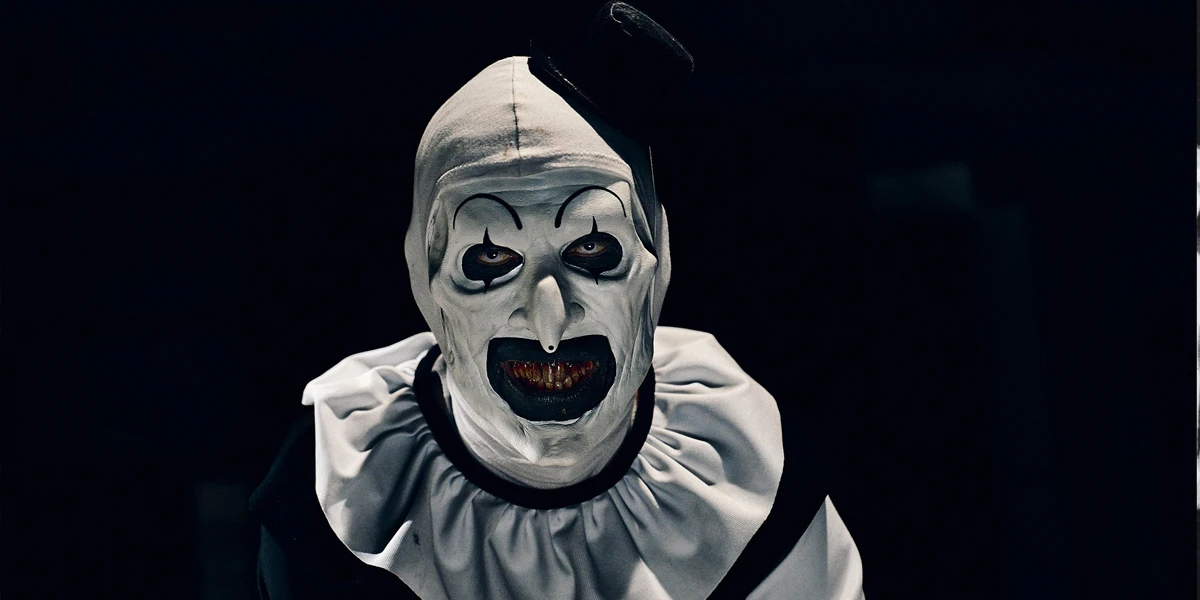
In recent decades, including up to 2025, indie horror has grown through streaming and festivals like Sundance, featuring diverse themes such as folk and psychological elements. Microbudget films continue to succeed at the box office, often starting with self-distribution via DVD or online platforms before crossing into wider recognition, as seen with the Terrifier franchise, which evolved from indie roots to over 50 million dollars in cumulative revenue by 2025. Newer 2025 entries like Companion (a microbudget sci-fi horror) highlight ongoing innovation.
Key Characteristics of Indie Horror
A defining trait of indie horror is its low budget, which fosters high creativity through practical effects and natural locations, resulting in a gritty aesthetic that feels unpolished and immersive.
Creative freedom stands at the heart, enabling exploration of taboo or unconventional themes like paranoia, grief, or cosmic horror, topics major studios might avoid due to risk. Storytelling often takes experimental forms, including non-linear plots or ambiguous endings.
Indie horror emphasizes psychological terror, prioritizing emotional impact and complex, relatable characters over mere jump scares or gore. Common motifs include isolation and the unknown.
Stylistically, films employ raw visuals and sound design, often minimalist or retro, alongside environmental storytelling where settings drive the narrative. Unlike mainstream, they eschew rigid formulas in favor of innovative elements, such as folklore influences.
Indie horror films typically run 80 to 100 minutes and debut at festivals, gaining traction through word of mouth among niche fans on platforms like Reddit and YouTube.
Indie Horror vs Mainstream Horror
Indie horror distinguishes itself with low budgets, creative freedom, niche themes like psychological depth or social commentary, and raw production values; distribution focuses on festivals and video on demand services.
Mainstream horror, by contrast, involves high budgets (often over 50 million dollars), formulaic structures with jump scares and franchises, broad appeal, and extensive marketing via theatrical releases. The Conjuring series exemplifies this with its CGI-intensive approach and familiar tropes.
Indie offers originality and deeper emotional resonance but may reach fewer viewers. Mainstream provides accessibility and spectacle yet can feel predictable.
Many indie projects cross over into mainstream success, such as Paranormal Activity spawning a major franchise.
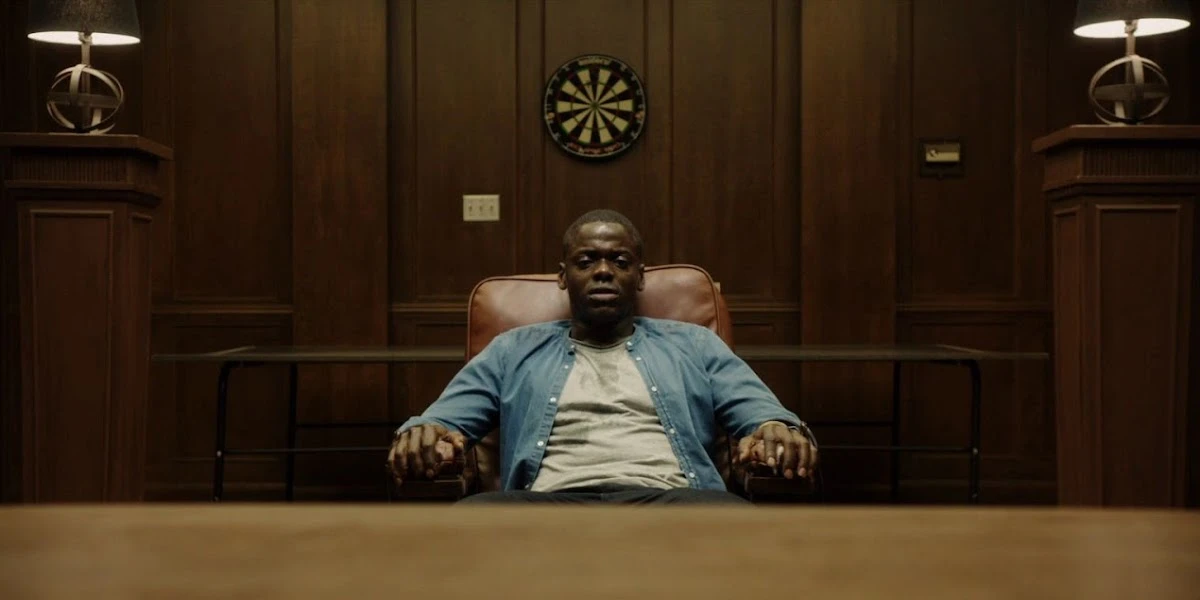
Indie films frequently earn acclaim at awards like the Oscars or Sundance for their depth, while representing a significant portion of wins at indie-focused awards like the Independent Spirit Awards (e.g., Get Out in 2017). Mainstream dominates box office earnings. As detailed in the History of Horror Films on Wikipedia, indie works have contributed notably to genre evolution.
Notable Examples of Indie Horror Movies
Historical classics that defined the genre include Night of the Living Dead (1968, zombie social horror addressing race); The Texas Chain Saw Massacre (1974, visceral survival tale); and The Babadook (2014, psychological exploration of grief).
Modern successes feature Hereditary (2018, family trauma with a 10 million dollar budget); Terrifier (2016, microbudget gore slasher that built a franchise); In a Violent Nature (2024, slow-burn slasher from the killer’s perspective); and 2025 standout Oddity (Irish folk horror with supernatural elements, debuted at festivals).
These examples highlight how indie horror thrives on innovation and audience connection, often starting small but gaining cult status.
Trends and Future of Indie Horror
Recent trends, up to 2025, show a rise in folk and psychological horror, incorporating international influences from areas like Ireland and Mexico, alongside microbudget triumphs enabled by streaming. Themes have grown more diverse, encompassing grief and identity.
The future appears promising, with advancements in AI and streaming enhancing accessibility; expect continued growth in innovative, low-cost productions.
Indie horror has gained significant traction, representing an estimated 10 to 15 percent share of horror streaming views and festival selections in recent years, based on industry data from platforms like Shudder and reports on box office trends.
Conclusion
Indie horror stands as a creative and bold genre, redefining fear through independent production and offering fresh, profound experiences. Explore these films to appreciate their unique impact.
If you are a fan of the horror genre, consider checking out graphic tees inspired by classic horror movies like The Shining or Scream to express your passion.
