
No products in the cart.
Games
What Are Indie Horror Games? Definition And Examples
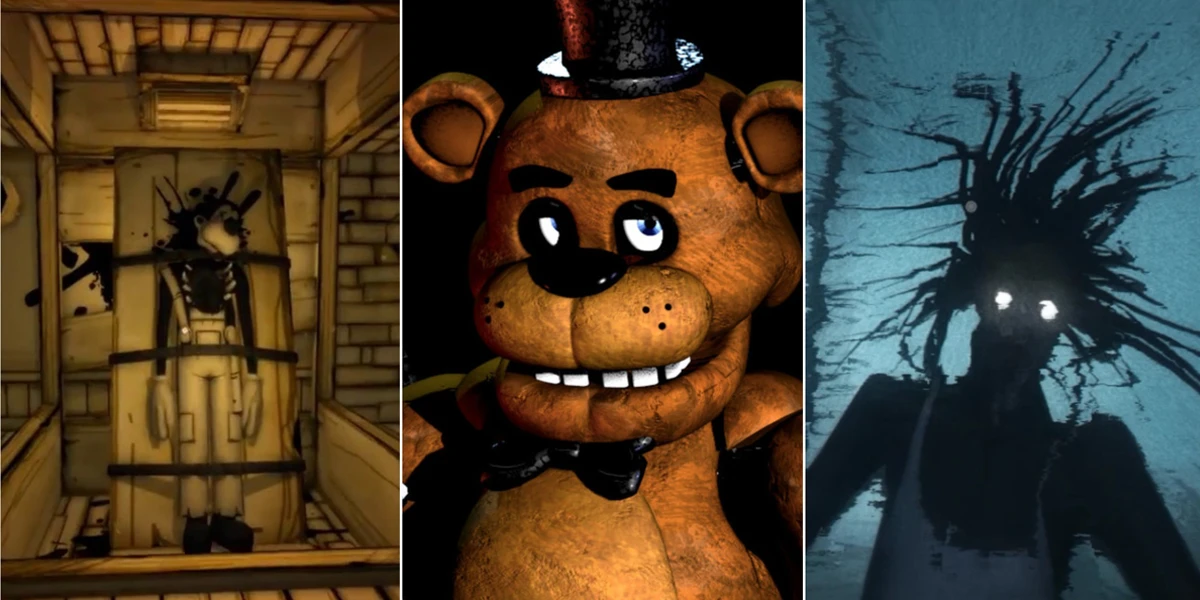
Indie horror games offer a unique blend of fear and creativity. Small teams or solo developers craft them, pushing boundaries without big budgets. These titles dive deep into psychological tension and make players feel truly unsettled in ways that big studio productions often cannot match.
Introduction
Picture yourself in a dark room with a flickering screen casting eerie shadows while every headphone sound spikes your heart rate. That immersive magic defines indie horror games. Simple designs deliver unforgettable scares here. But what exactly are they, and why do they hook so many gamers? This guide explores definitions, key features, standout examples, mechanics breakdowns, history, trends, industry impact, player tips, and more. You will gain a full understanding of this thrilling gaming corner and discover why it keeps growing.
Defining Indie Horror Games
Indie horror games come from independent creators, often solo developers or tiny studios without major publisher backing. Blockbuster titles rely on huge budgets for graphics and marketing. In contrast, indie horror builds dread through fresh ideas and clever mechanics. The focus stays on psychological horror via atmosphere, sound design, and subtle storytelling. Players end up vulnerable and constantly on edge.
Freedom from commercial pressures forms the core appeal. Developers experiment with themes like isolation, madness, or the unknown. Gameplay skips direct combat. It emphasizes exploration, puzzles, and survival by hiding or smart choices. Lighting and audio dominate: dim environments and creaking noises build tension without high-end visuals. Budget limits spark innovation and turn constraints into strengths. Retro pixel art, for example, mixes nostalgia with fear for a haunting effect.
Sound plays a massive role too. Directional audio tricks the brain into believing threats lurk just off-screen. Limited field of view forces reliance on ears over eyes, amplifying paranoia. These elements combine to create raw, personal experiences that feel intimate compared to polished AAA jumpscare festivals.
Examples and Game List
Specific games clarify these concepts and show how developers craft fear in unique ways.
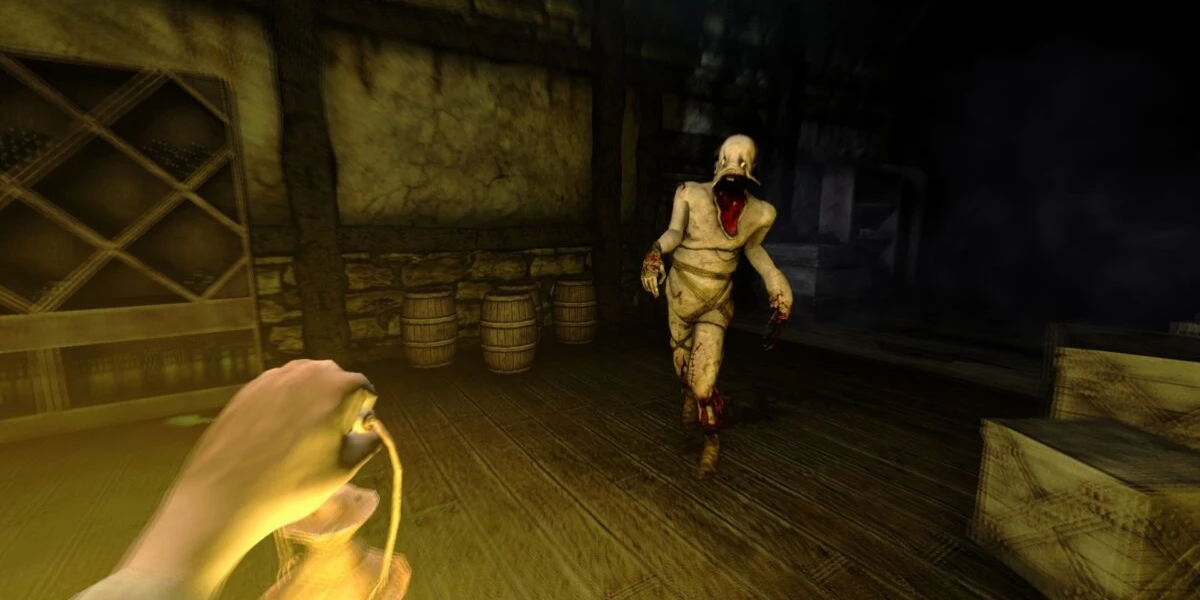
Amnesia: The Dark Descent launched in 2010 from Frictional Games. You explore a shadowy castle, solve puzzles, and evade monsters. No weapons exist, so you manage sanity by staying in light. This creates constant helplessness and defines early indie horror. The title sold over 1.4 million copies by 2012 according to IGN reporting, proving small teams could rival AAA impact.
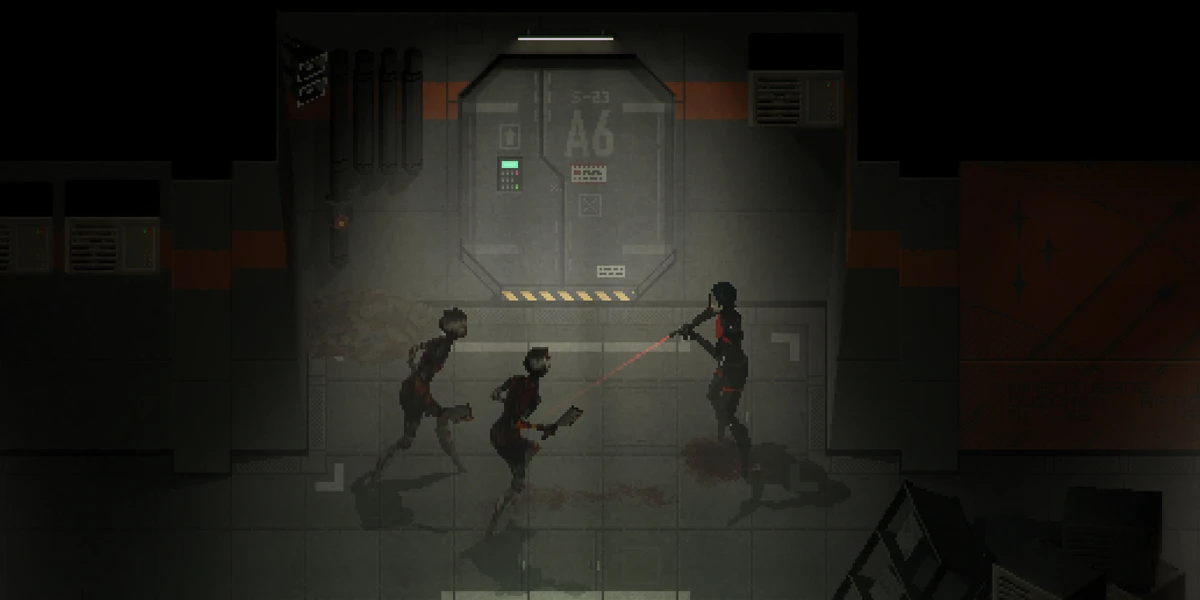
Signalis arrived in 2022 and blends survival with science fiction in a pixel-art world. You play a security officer investigating a remote station. Uncover memories and horrors via environmental clues and tough puzzles. Multiple endings boost replay value and emotional depth.
Darkwood released in 2017 offers a top-down survival view in a cursed forest. Gather resources by day and barricade against threats at night. Resource scarcity and unpredictable events build deep paranoia.
For broader discovery, explore this list of 10 notable indie horror games. The table covers release years, main platforms, and standout features. Classics mix with fresh releases, all available on Steam or itch.io at budget prices. Many include free demos to test scares risk-free.
| Game | Year | Platforms | Key Feature |
|---|---|---|---|
| Amnesia: The Dark Descent | 2010 | PC, Switch | Sanity system and no combat |
| Outlast | 2013 | PC, Consoles | Found-footage style with hiding mechanics |
| Layers of Fear | 2016 | PC, Consoles | Psychological loops and art horror |
| Darkwood | 2017 | PC, Consoles | Top-down survival with day-night cycle |
| Soma | 2015 | PC, Consoles | Existential sci-fi horror |
| Signalis | 2022 | PC, Switch, Consoles | Pixel art plus multiple endings |
| Faith: The Unholy Trinity | 2022 | PC | Rotoscoped animation and religious themes |
| Inscryption | 2021 | PC, Consoles | Card game meta-horror |
| Crow Country | 2024 | PC, Consoles | PS1-style survival horror |
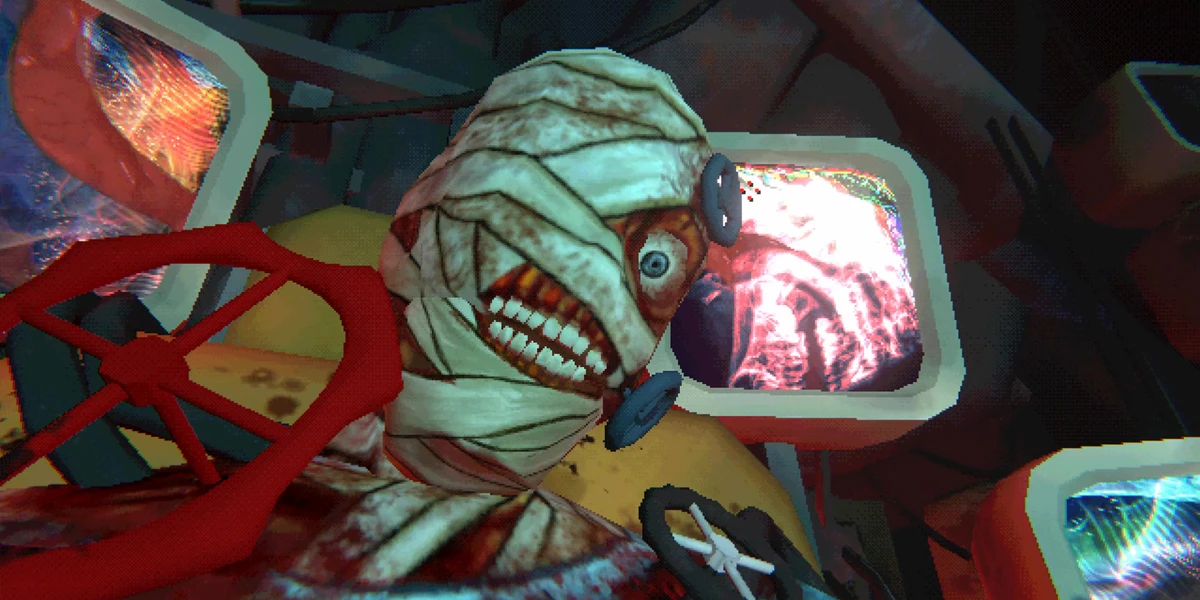
| Mouthwashing | 2024 | PC | Narrative-driven mental breakdown |
Mechanics Breakdown
Indie horror excels with innovative mechanics that favor tension over spectacle. Break down the core elements below.
- Atmosphere over Graphics: Signalis uses pixel art to build dread while Paratopic employs 3D low-poly for uncanny unease. Low-fi styles evoke nostalgia and amplify fear simultaneously.
- Player Agency and Vulnerability: Combat absence forces hide-or-run choices in Amnesia. Every decision carries high stakes. Limited batteries in Outlast heighten paranoia through resource management.
- Narrative Techniques: Environmental storytelling and unreliable narrators rule. What Remains of Edith Finch weaves horror elements where family secrets emerge from objects without heavy exposition.
- Sound Design Mastery: Frictional Games pioneered directional audio that misleads players. Footsteps seem closer than they are, tricking spatial awareness and spiking adrenaline.
History and Trends
Indie horror exploded in the 2010s thanks to tools like Unity and Steam Greenlight. Amnesia led the charge and influenced Hideo Kojima’s PT demo. Kickstarter crowdfunding fueled ambitious projects and sparked release surges.
Current trends blend genres for richer experiences. Horror meets cozy farming with killer interruptions or web-style creepypastas. In 2024, Steam saw 778 indie horror launches, yet only 7.2 percent hit notable success per App2Top analytics. Mental health themes around anxiety and loss grow for 2025, as seen in Mouthwashing. Short episodic formats suit mobile quick chills. VR deepens immersion. Average user ratings reached 81 percent in 2024, beating AAA’s 78 percent according to the same report.
Procedural generation emerges too. Games like REPO use AI for unique scare sequences per playthrough, extending replayability without extra assets.
Impact on Industry
Indie horror demonstrates scares beat budgets. Amnesia’s vulnerability shaped the 2023 Dead Space remake to heighten tension amid action, as noted in GamesRadar analysis. SteamDB early 2025 data shows horror as the top genre for three-year bestsellers in the top three percent, driven by indies per How to Market a Game insights. This revives AAA horror by merging raw indie edge with high production.
Cultural ripples extend to film. Skinamarink in 2022 drew from lo-fi indie aesthetics for slow-burn dread. YouTube Let’s Plays boost sales: Markiplier streams turned Outlast into a phenomenon.
Why They Thrive
Indie horror delivers accessible, raw thrills. Low prices and short playtimes invite casual jumps without commitment. Free itch.io demos let you sample scares safely. Communities flourish on r/IndieHorror with tips, theories, and mods that prolong engagement.
Bold experiments tackle taboos like inner demons or societal fears that big studios sidestep. Players crave “benign masochism”, the safe stress thrill ending in relief. Psychologist Paul Rozin detailed this in his 2013 benign masochism study. Catharsis pairs with non-linear narratives to keep the genre fresh for newcomers and veterans. Night play with headphones turns setups into terror zones.
Tips for New Players
- Immersion Setup: Lights off plus headphones maximize directional audio panic in Amnesia-style titles.
- Length Selection: Begin short with Anatomy at one hour before eight-hour epics like Signalis. Skip heavy jumpscares? Choose turn-based World of Horror.
- Trigger Checks: Review Steam pages for mental health warnings; modern indies often list them.
- Hardware Notes: Older PCs run most via low requirements. Controllers enhance immersion in console ports.
Conclusion
Indie horror games excel in creative depth. Budget limits become genuine fear sources and innovation drivers. From Amnesia’s shadows to Signalis echoes, they showcase gaming’s captivating power. Pick a table title, download a Steam demo today, and brace for chills. Join Reddit discussions or comment your scares below. If you love wearing your gaming passion, check out our gaming tee shirts to rep classic horror icons in everyday style.
