
No products in the cart.
Games
Resident Evil Franchise: Origins, Lore, and Legacy
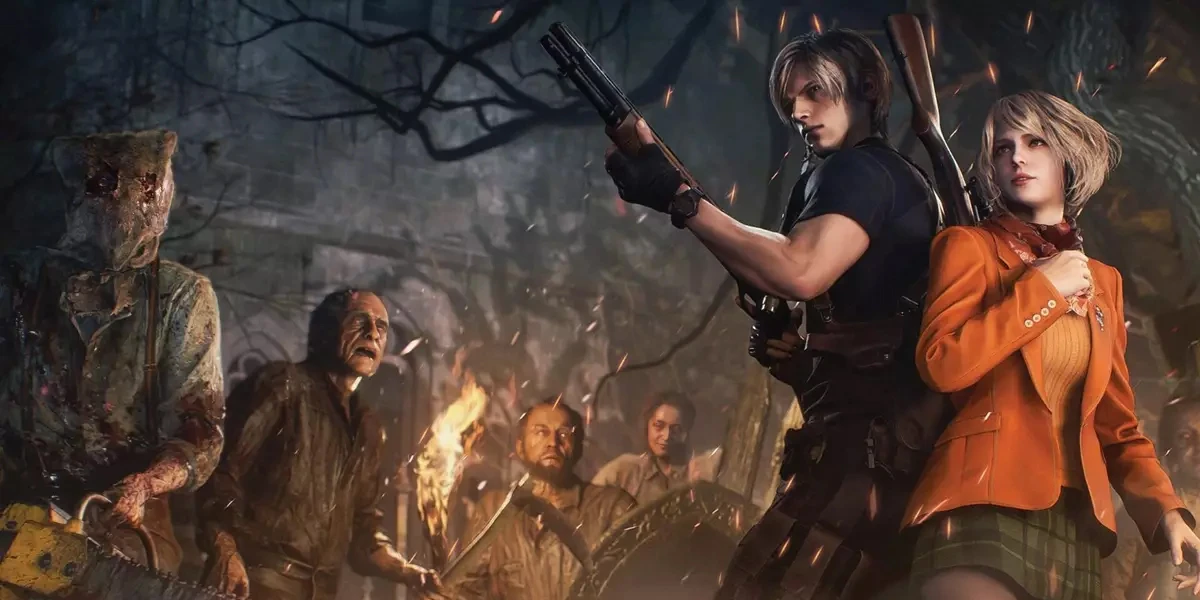
The Resident Evil series stands as a cornerstone of survival horror gaming, captivating millions with its blend of terrifying narratives, complex lore, and memorable characters. Launched in 1996 by Capcom, it has evolved from a groundbreaking mansion escape into a sprawling universe involving bio-terrorism, global conspiracies, and undead horrors, influencing not just games but films, books, and fan communities worldwide. This comprehensive exploration delves into the franchise’s origins, unpacks its intricate timeline and lore, and examines its enduring impact on pop culture, answering key questions fans often ask, such as “How did the T-Virus outbreak start?” and “What makes Resident Evil’s story so replayable?” By examining the series’ development, pivotal events, and cultural footprint, readers will gain a deep appreciation for why Resident Evil remains a beloved phenomenon more than 25 years later.
Whether you’re a longtime survivor or a newcomer drawn to the zombies and puzzles, this piece explores the essence of Resident Evil. For deeper dives into specific aspects, check out linked resources throughout, including analyses of game timelines and character backstories. The series’ ability to blend horror with narrative depth has sold over 170 million units as of Nov 2025, proving its timeless appeal in an industry that constantly reinvents itself. With upcoming titles like Resident Evil Requiem set for 2026, the franchise continues to mutate and adapt, much like the viruses at its core.
Origins and Development of the Resident Evil Franchise
Resident Evil’s inception traces back to the mid-1990s at Capcom’s Japanese studios, where producer Shinji Mikami sought to create a horror game that would differentiate from the action-heavy titles dominating the market. Inspired by classic horror films like George A. Romero’s zombie epics and Italian giallo thrillers, Mikami envisioned a title that emphasized tension through limited resources, environmental puzzles, and atmospheric storytelling. The original Resident Evil, released in 1996 for the PlayStation, was initially titled “Biohazard” in Japan but renamed to avoid confusion with a lawn care product in the West, setting the stage for its global success.
Development began in 1994 as part of Capcom’s push into 3D gaming. Mikami’s team, including director Tokuro Fujiwara and key programmers like Koji Oda, faced technical challenges with the PlayStation’s hardware, leading to the iconic fixed-camera angles that built suspense by obscuring threats until the last moment. The game’s setting, the Spencer Mansion in the Arklay Mountains near Raccoon City, was modeled after European gothic architecture, drawing from films like The Haunting (1963) to evoke isolation and dread. Early prototypes tested first-person perspectives, but the third-person view with tank controls won out, creating a deliberate pace that forced players to strategize every step. Voice acting added to the campy charm, with lines like “Jill, here’s a lockpick” becoming memes that fans still quote today.
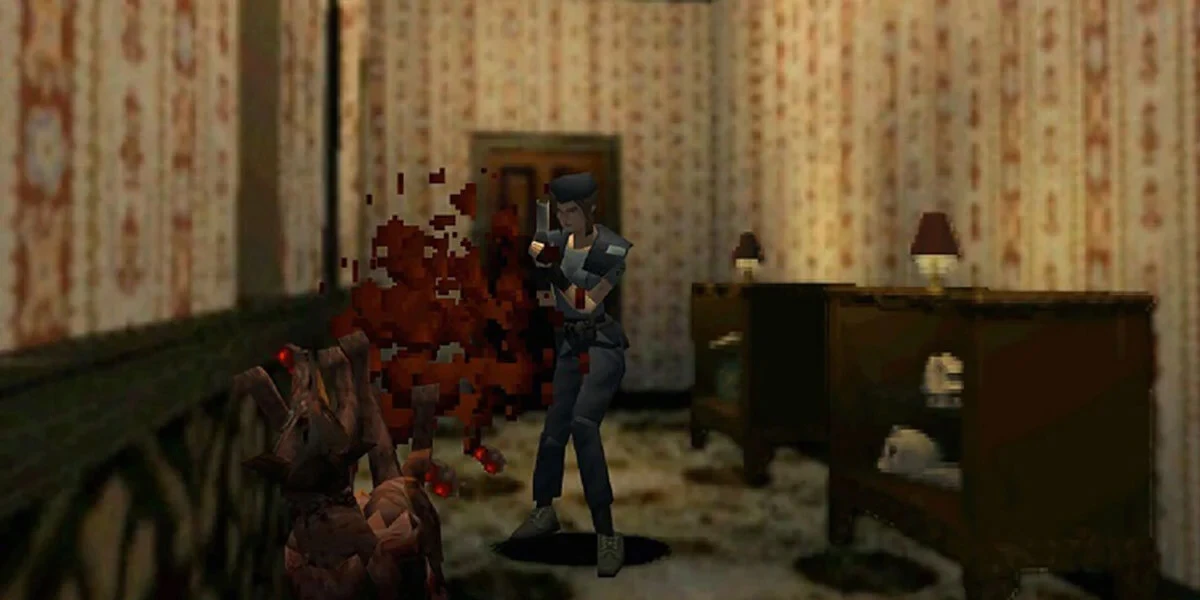
The narrative hook came from the Special Tactics and Rescue Service (S.T.A.R.S.) team investigating bizarre murders in the Arklay region, only to uncover a pharmaceutical company’s dark secret. Umbrella Corporation, the fictional mega-corp at the series’ core, was conceived as a nod to real-world fears of corporate overreach and unethical science, inspired by events like the Tuskegee syphilis study and Cold War bioweapons research. This foundation not only drove the plot but also established themes of betrayal and survival that recur throughout the franchise. The game’s soundtrack, composed by Makoto Tomozawa and others, used MIDI-like tracks to heighten unease, with the mansion’s piano puzzle underscoring the blend of horror and interactivity.
Fan curiosity about the creative process often centers on “Why did Resident Evil pioneer survival horror?” The answer lies in its resource scarcity: players managed inventory slots meticulously, turning every herb and bullet into a lifeline, a mechanic that influenced titles like Silent Hill and The Last of Us. Post-launch, the game’s 1997 Director’s Cut edition for PlayStation added multiple scenarios and unlockables, boosting sales to over 5 million copies by 2000. A 2002 GameCube remake, directed by Mikami, overhauled graphics and added Crimson Head zombies, selling about 1.35 million units on that platform; the 2015 HD remaster across modern systems added significantly more. By 1998, sequels were greenlit, expanding the universe while refining the formula that made players feel truly vulnerable. Capcom’s marketing, with trailers showing zombie dogs crashing through windows, captured the era’s anticipation, turning Resident Evil into a cultural touchstone for 90s gamers.
Beyond the core team, influences included Sweet Home, a 1989 Famicom horror game by Capcom that featured mansion puzzles and supernatural elements, directly inspiring the Spencer estate’s layout. Mikami’s background in action games like Devil May Cry’s precursor shaped the combat, balancing gunplay with vulnerability. Localization efforts by Jeremy Blaustein ensured the story’s Western appeal, though some dialogue’s wooden delivery became endearing. These elements combined to launch a franchise that not only defined a genre but also set sales records, with the original alone generating over $100 million in revenue.
The Core Lore: Unraveling Resident Evil’s Timeline and Key Events
At the heart of Resident Evil is a dense, interconnected lore spanning decades, centered on viral outbreaks, shadowy organizations, and resilient protagonists. The timeline begins long before the games, rooted in eugenics and forbidden research, and builds to a modern web of global threats. This section breaks down the major arcs, addressing common fan questions like “When does the Raccoon City incident happen?” and “How do the viruses connect across the series?” For a more granular breakdown of game-specific events, see the detailed timeline of Resident Evil games.
Early Foundations: Progenitor Virus and Umbrella’s Rise (1910s-1970s)
The franchise’s backstory originates in 1966, when Oswell E. Spencer, Edward Ashford, and James Marcus discovered the Progenitor Virus during an expedition to the Ndipaya region in West Africa, extracting it from the rare “Stairway of the Sun” flower. This ancient mutagen, capable of enhancing human abilities at the cost of instability, became the blueprint for all subsequent viruses, with its regenerative properties promising immortality but often leading to monstrous transformations. In 1919, Mother Miranda lost her daughter Eva to the Spanish Flu pandemic, driving her research into the Megamycete mold for resurrection. Spencer encountered Miranda later during his travels, becoming her apprentice and crediting her viral research in a personal letter; this inspired his eugenics pursuits, leading to Umbrella’s founding in 1967.
By the 1960s, Umbrella’s research escalated under Spencer, Edward Ashford, and Marcus, who trained leeches to host the virus, creating the first T-Virus strain by 1978 at the Arklay Laboratory. Marcus’s facility tested on animals and unwilling humans, foreshadowing ethical horrors like the transformation of staff into early zombies. Fans often ask, “What was Umbrella’s original goal?” It was to achieve godhood through selective evolution, with Spencer viewing himself as a new species’ architect, a theme echoing Frankensteinian hubris in Mary Shelley’s novel. This era sets up the moral ambiguity: Umbrella’s legitimate drugs saved countless lives from diseases, but their weapons doomed entire populations, mirroring debates on scientific ethics in the post-World War II era.
Spencer’s aristocratic background, including his family’s ancient lineage, added layers to his villainy, with the mansion’s statues and journals revealing a cult-like devotion to evolution. Marcus’s resurrection via leech cloning in 1998 flashbacks highlights the virus’s resurrection potential, a plot device that recurs in later entries. These foundations establish the series’ pseudo-science, where viruses interact with DNA in ways that blur life and undeath, drawing from real virology concepts like retroviruses but amplified for horror.
The Arklay Mountains Incident and Raccoon City Outbreak (1998)
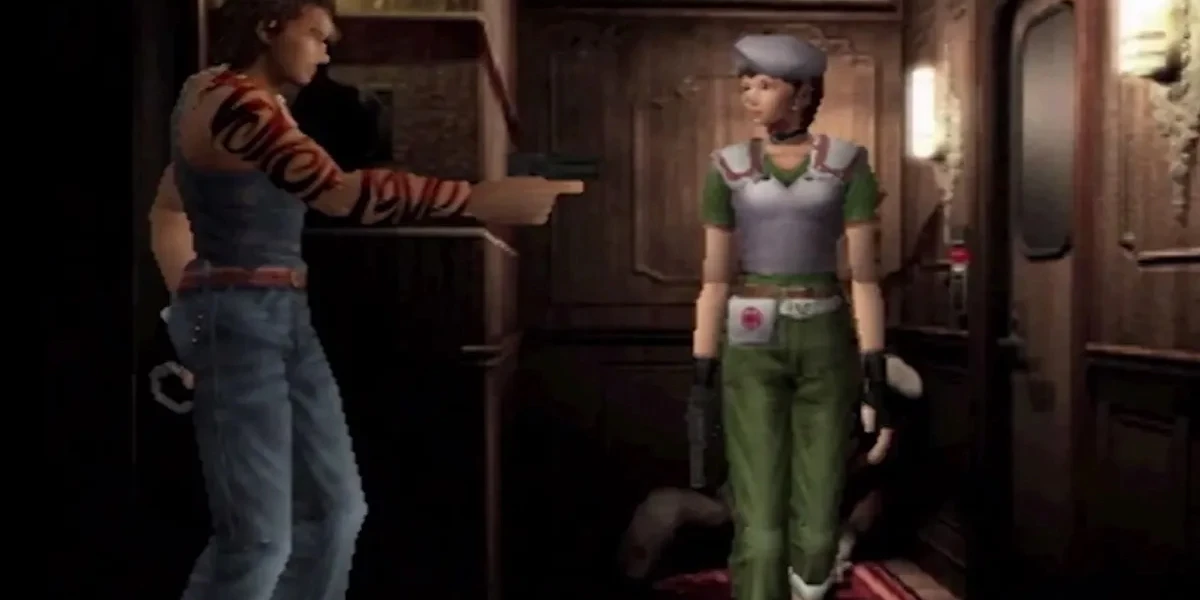
The series proper ignites in July 1998, when the Bravo Team of Raccoon City’s S.T.A.R.S. unit vanishes during a probe into cannibal murders in the Arklay Mountains. Resident Evil Zero (2002), a prequel released for GameCube, chronicles this event, following medic Rebecca Chambers and escaped convict Billy Coen as they board the Ecliptic Express train, infested with leech zombies from Marcus’s revived experiments. The Queen Leech, a massive T-Virus host, reveals Marcus’s 1988 assassination by Umbrella agents under Spencer’s orders to seize control of the research. Rebecca’s first-person sections emphasize vulnerability, with puzzles involving train mechanics and leech avoidance.
Alpha Team, including Chris Redfield, Jill Valentine, Barry Burton, and Albert Wesker, arrives next to investigate. The original Resident Evil unfolds in the Spencer Mansion, where players choose between Jill or Chris, navigating traps laced with puzzles involving Umbrella’s history, like the “Hope for Mankind” statues symbolizing Spencer’s vision of a superior race. Wesker’s betrayal shines here: as S.T.A.R.S. captain, he orchestrated the mission to cover Umbrella’s tracks, injecting himself with a prototype virus for superhuman strength before seemingly dying in the Tyrant T-002’s rampage. Survivors escape as the mansion self-destructs, with files hinting at Raccoon City’s impending doom.
On September 24, 1998, during Umbrella’s raid on William Birkin to seize his G-Virus, T-Virus vials spilled when Birkin fought back; infected rats spread the virus through the city’s sewers, leading to widespread outbreaks by September 25 and turning residents into shambling zombies within hours. Resident Evil 2 (1998) splits perspectives across dual campaigns: rookie cop Leon S. Kennedy and college student Claire Redfield (or amnesiac girl Sherry Birkin as her protector) navigate the overrun Raccoon Police Department and underground sewers, confronting mutated scientist William Birkin, who injected himself with the G-Virus to spite Umbrella’s theft attempt. Birkin’s grotesque evolutions, from a multi-limbed abomination to an embryo-spawning final form in the lab’s train escape, highlight the G-Virus’s uncontrolled regeneration, contrasting the T-Virus’s predictable undeath and slow decay. The game’s A/B scenarios allow branching paths, with Ada Wong’s espionage adding layers of deception.
Simultaneously, Resident Evil 3: Nemesis (1999) follows Jill Valentine fleeing through the streets as a bio-organic weapon (B.O.W.) designed to hunt S.T.A.R.S. remnants closes in from September 28 to October 1. Nemesis, a Tyrant variant enhanced with a Nemesis parasite for intelligence and weaponry, pursues relentlessly, chanting “S.T.A.R.S.” to taunt its prey across multiple encounters. Jill allies with mercenary Carlos Oliveira, who handles sub-chapters during her Nemesis-induced coma after the T-Virus injection; Carlos retrieves a vaccine from the hospital to save her, uncovering Umbrella’s plan to evacuate executives while abandoning the city. The U.S. government’s thermobaric missile strike (as depicted in the RE3 Remake) on October 1, 1998, eradicates Raccoon City in a fiery blast, killing thousands but containing the outbreak temporarily, with escapees like HUNK retrieving samples. Fans debate “Did anyone else survive Raccoon?” Lore confirms scattered escapes via helicopter or train, but most perished, marking a pivot from isolated incidents to worldwide peril and Umbrella’s public exposure.
Post-Raccoon Expansions: Global Threats and New Alliances (2000s)
Umbrella’s downfall accelerates in 2003 with Resident Evil: Code: Veronica (2000, later remastered for modern platforms), where Claire Redfield infiltrates a Paris research facility after her capture, encountering Alexia Ashford, Edward’s daughter who self-injected with the T-Veronica Virus years earlier for insect-human hybrid powers including fire breath and flight. Chris Redfield arrives for a daring rescue from Rockfort Island prison and Antarctic bases, battling Nosferatu Alfred Ashford and leading to Umbrella’s 2003 bankruptcy after Raccoon survivors testify before the U.S. Congress, with Spencer’s influence waning. This game introduces international scope, with the Ashford twins’ experiments tying back to Progenitor roots and Steve Burnside’s tragic mutation adding emotional weight.
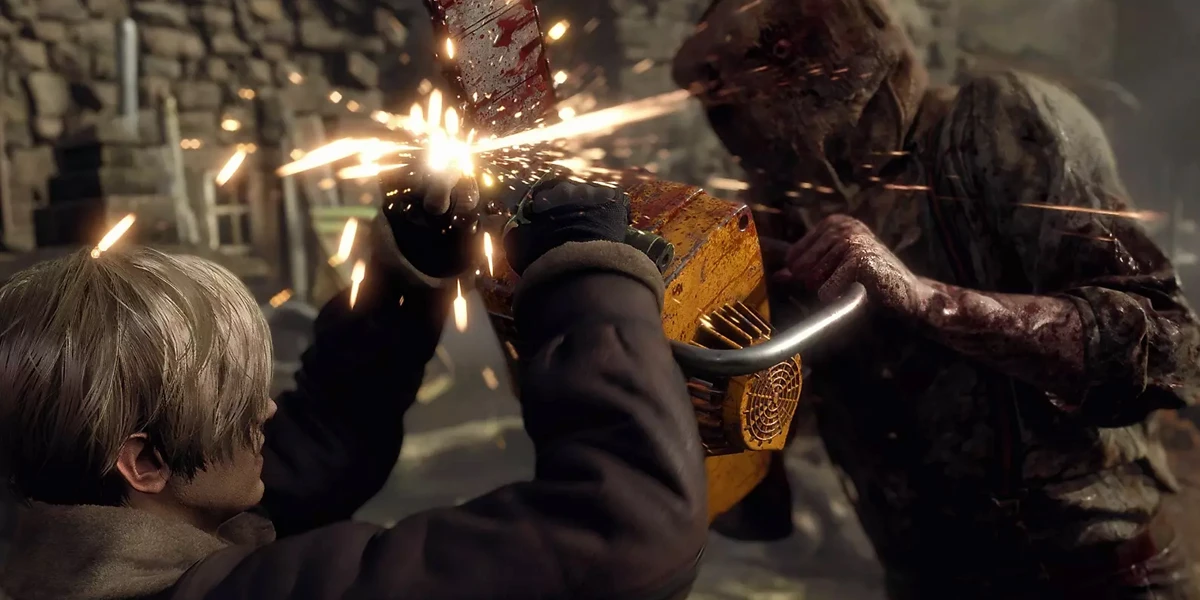
Resident Evil 4 (2005, remade in 2023 for PS5 and PC) shifts to 2004 rural Spain, where Leon S. Kennedy, now a U.S. government agent, rescues the President’s daughter Ashley Graham from the Los Illuminados cult led by Osmund Saddler. The cult uses Las Plagas parasites, ancient worms excavated from mines that revive and mind-control hosts as aggressive Ganados, bypassing traditional viral zombies for more dynamic enemies with tools and traps. Ada’s covert missions add intrigue, stealing a dominant Plagas sample for Albert Wesker, revealed alive and leading the rival organization H.C.F., Wesker’s rival organization (separate from the Hound Wolf Squad, Chris Redfield’s team in later entries). The village’s opening ambush, castle sieges, and island lab culminate in Saddler’s multi-form boss fight, exemplifying the series’ evolution toward action-horror, with fans praising its quick-time events (QTEs) for cinematic immersion and the merchant’s upgrade system for replayability. The 2023 remake enhances this with improved AI, expanded Ada-focused Separate Ways DLC, and parry mechanics, making it accessible for newcomers; it has sold over 10.6 million units as of 2025.
By 2006, Resident Evil 5 (2009, with the 2010 Gold Edition for consoles adding episodes like “Lost in Nightmares”; PC received bundled content in 2016) pairs Chris Redfield with BSAA partner Sheva Alomar in the Kijuju region of Africa, dismantling Tricell Pharmaceuticals, Umbrella’s black-market successor run by Excella Gionne. They confront a brainwashed Jill Valentine under Wesker’s control and Albert himself, whose Progenitor-enhanced body grants superhuman speed, regeneration, and virus immunity. The volcanic finale sees Wesker’s Uroboros Virus plan thwarted, a airborne mutagen to “evolve” humanity by liquefying the unworthy, but not before he monologues about natural selection, echoing Spencer’s ideals from hidden files. This entry sparked controversy over its African setting and perceived stereotypes in Majini enemies, though it grossed over $1 billion and pioneered seamless co-op play, allowing drop-in partners for Sheva. DLC like “Lost in Nightmares” explores Chris and Jill’s 2006 mansion raid, bridging to RE1 themes.
Resident Evil: Revelations (2012, originally 3DS then HD ports) bridges gaps in 2004-2005 aboard the Queen Zenobia cruise ship, with Jill Valentine and Chris Redfield hunting the T-Abyss Virus, a deep-sea variant creating aquatic horrors like Ooze mutants. It reveals the Il Veltro terrorist group’s false-flag bioterror plot to expose post-Umbrella corruption, introducing the BSAA’s formation and Raymond Vester’s sacrificial heroism. These side stories enrich the lore, answering “What happened between major releases?” by filling voids with new B.O.W.s like Scagdead mutants and Raid Mode for endless challenges. Revelations 2 (2015) continues in 2011, following Claire Redfield and Moira Burton against neo-Umbrella’s Alex Wesker (Albert’s sibling) on a remote island, with Barry Burton’s chapters adding paternal stakes and the TV-like episodic structure.
Modern Era: Mold, Connections, and Village Intrigue (2010s-2020s)
Resident Evil 6 (2012) sprawls across 2013 in an interconnected narrative with four campaigns: Leon Kennedy and Helena Harper versus Neo-Umbrella’s C-Virus in a zombie-infested Tall Oaks University (mirroring Raccoon) and Lanshiang, China, featuring zombie-like J’avo soldiers with regenerative flatline evolutions; Chris Redfield and Piers Nivans in war-torn Edonia; Jake Muller (Wesker’s son) and Sherry Birkin evading the relentless Ustanak B.O.W.; and Ada Wong uncovering Derek C. Simmons’ conspiracy as The Family. The C-Virus, derived from T-Veronica and G-Virus strains, creates adaptive horrors like snake-formed final bosses, but the game’s ambitious scope and lengthy cutscenes drew mixed reviews for diluting horror with blockbuster action. It sold 12 million copies, emphasizing multiplayer with asymmetric modes.
A tonal shift came in Resident Evil 7: Biohazard (2017, VR-compatible), set in 2017 rural Louisiana. Protagonist Ethan Winters searches for abducted wife Mia Winters at the derelict Baker family estate, infected by Eveline (E-001), a bio-weapon girl created by The Connections using the Mold superorganism. Mold, a fungal mutagen mimicking T-Virus effects through hallucinations and cellular takeover, creates grotesque Molded creatures and superhuman hosts like Jack Baker’s invincible chainsaw rampages and Marguerite’s insect swarms. This first-person return to roots emphasized psychological terror with jump scares and confined spaces, linking to BSAA efforts post-Umbrella via Chris Redfield’s late-game intervention. The game’s DLC, including “Not a Hero” with Chris hunting Lucas Baker, ties to Village.
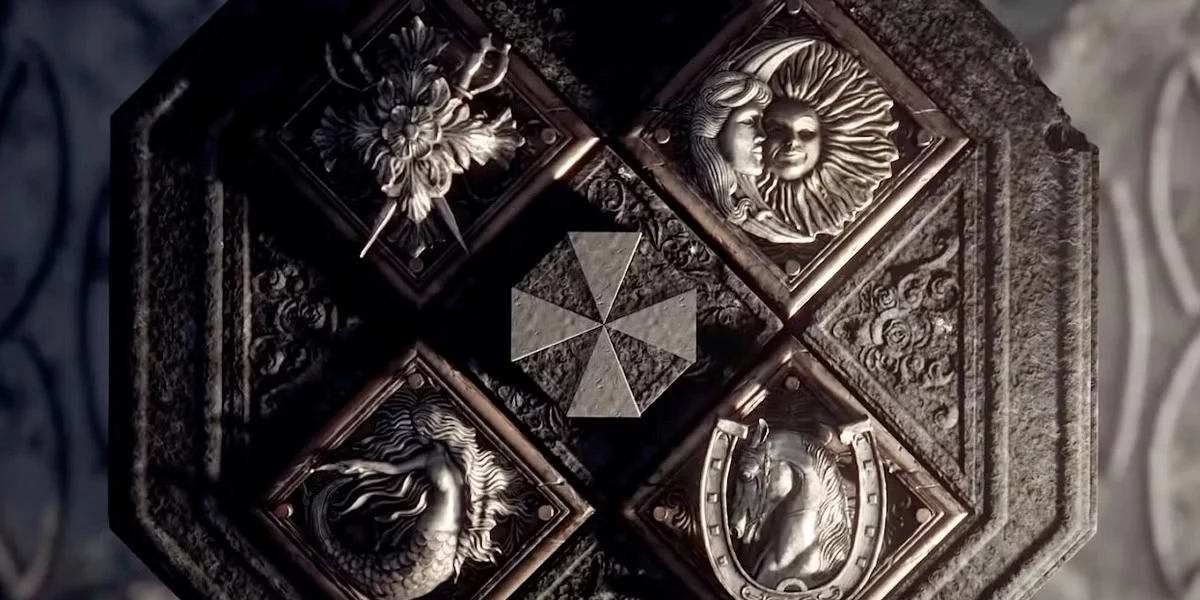
Resident Evil Village (2021, often called RE8), continuing Ethan’s story in 2021 Eastern Europe, introduces the Four Houses lords under Mother Miranda: the towering Alcina Dimitrescu with her vampire daughters; the Lycan werewolf horde led by Karl Heisenberg; the doll-maker Donna Beneviento’s hallucinatory horrors; and Moreau’s aquatic mutations. Miranda, the 1919 virus researcher behind Progenitor’s discovery, seeks resurrection via the Megamycete mold hive-mind to revive her daughter, manipulating Ethan whose body is revealed as fungal from RE7’s infection. Rose’s powers and Ethan’s sacrifice close the Winters arc, with Miranda’s defeat destroying the mold source but hinting at BSAA’s own viral dealings in a post-credits twist. Village’s gothic castle and village blend action with dread, selling 8 million units and spawning DLC like Shadows of Rose, set in 2037 and exploring Rose’s future.
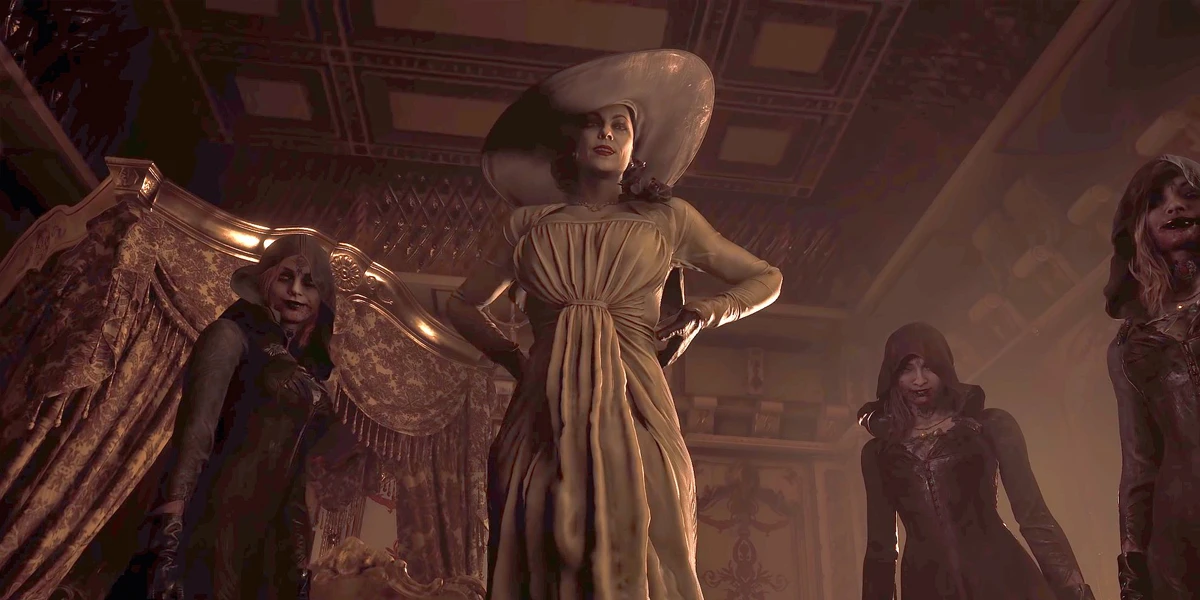
Remakes revitalize classics: Resident Evil 2 Remake (2019) enhances graphics with photorealistic zombies and Mr. X’s unyielding pursuit through dynamic chases; Resident Evil 3 Remake (2020) streamlines Nemesis with Nemesis T-Type upgrades and Carlos’ expanded role; Resident Evil 4 Remake (2023) refines combat with precise over-the-shoulder aiming, expanded areas, and emotional depth for Ashley. These updates answer “How do remakes improve the originals?” by modernizing controls, adding 4K visuals, and preserving tension while expanding lore like Krauser’s Plagas infection. Upcoming remakes, such as Code: Veronica rumors, keep the canon fresh.
For profiles on standout protagonists and antagonists, explore the iconic characters in Resident Evil from Leon to Wesker.
Spin-Offs and Expanded Universe: Filling the Gaps
While mainline titles form the backbone, spin-offs deepen the world-building. Resident Evil: The Umbrella Chronicles (2007, on-rails shooter) and Resident Evil: The Darkside Chronicles (2009) retell Raccoon events from HUNK and Krauser’s views, adding Operation Javier in 2002 South America with Jack Krauser’s betrayal origins. Resident Evil: Dead Aim (2003, light-gun) features agents Bruce McGivern and Fong Ling on a cruise ship against Morpheus Duvall’s virus plot.
Resident Evil Outbreak (2003) and File #2 (2004) offer co-op survival in Raccoon, with eight civilians unlocking scenarios like “Below Freezing Point” in the hospital. Resident Evil: Operation Raccoon City (2012, squad shooter) explores “what if” U.S.S. vs. Umbrella forces scenarios, non-canon but fun for alternate endings. Mobile titles like Resident Evil: Requiem (upcoming) and pachinko games expand accessibility, though canon-light. These entries answer fan queries on side characters, like Kevin Ryman’s police survival, enriching the 1998 chaos.
Novels by S.D. Perry adapt early games with added introspection, while comics like “The Marvel vs. Capcom” crossovers blend universes non-canonically. Stage plays, such as Tokyo’s 2017 production, dramatize mansion horrors live.
Viruses and Organizations: The Science-Fiction Backbone
Resident Evil’s plausibility stems from pseudo-scientific viruses, each with unique pathologies drawn from real biology like prions and fungi. The Progenitor Virus (PV) boosts cellular regeneration exponentially but causes fatal imbalances without rare flower stabilizers, serving as the parent strain discovered in 1966 Africa. T-Virus, leech-derived in 1978, reanimates dead tissue via targeted necrosis in the brain, creating zombies that crave living flesh to sustain decaying bodies; live injections mutate hosts into agile Hunters (reptile DNA) or tentacled Lickers (further T-Virus mutation on human subjects, losing skin and gaining exposed musculature and elongated tongues).
G-Virus (Golgotha, developed by William Birkin) prioritizes reproduction over survival, forcing hosts to implant embryos in others, leading to endless mutations like Birkin’s four-stage horror. T-Veronica, Ashford’s fusion with ant DNA, grants adaptive traits like acid spit and wings, but requires cryogenic stasis for control. Las Plagas parasites control minds via neural hijacking, evolving hosts into Regenerators, lab subjects implanted with multiple Plagas parasites for extreme regeneration. Uroboros, Wesker’s airborne ideal, liquifies non-superior subjects while enhancing the worthy with tentacle masses. C-Virus enables J’avo shapeshifting and cocoon rebirths, blending T-Veronica and G-Virus resilience. Mold integrates fungi for possession, as with Eveline’s child-like bioweapon form controlling the Bakers through familial illusions.
Organizations drive conflict: Umbrella’s 1967 founding masked B.O.W. sales to militaries, falling in 2003 to lawsuits. Successors like Tricell peddled Uroboros; The Connections engineered Eveline for espionage; BSAA, founded by Chris and Jill in 2003, combats bioterror but faces corruption accusations for viral testing, as revealed in Village’s stinger where a BSAA soldier deploys a Uroboros-like bio-weapon, raising ethical questions about their methods despite their anti-bioterror mandate. This web sustains endless stories, with spin-offs like Resident Evil: Operation Raccoon City (2012) exploring alternate histories of government cover-ups.
Legacy in Pop Culture: From Games to Global Phenomenon
Resident Evil’s influence extends beyond gaming, shaping horror media and fan rituals worldwide. It popularized survival horror mechanics, inspiring Dead Space’s necromorph dismemberment and Outlast’s no-weapon tension, while its zombies revived Romero-style undead in modern media. Sales milestones, like RE4’s 12 million copies and the series’ total exceeding 160 million, underscore its commercial might, with awards from IGN and GameSpot hailing it as the “most influential horror series” since 1996.
Films amplify its reach: Paul W.S. Anderson’s six-movie saga (2002-2016) starring Milla Jovovich as Alice, a cloned super-soldier, grossed $1.2 billion despite loose canon, blending game elements like the Red Queen AI and Lickers with original apocalypse plots. Resident Evil: Welcome to Raccoon City (2021) rebooted faithfully with an ensemble cast portraying Leon (Avan Jogia), Jill (Hannah John-Kamen), and Chris (Robbie Amell), focusing on dual RE1/RE2 events but criticized for rushed pacing. Animated CG films like Resident Evil: Degeneration (2008) stay canon-compliant, bridging RE4 and RE5 with Leon and Claire combating airport outbreaks; Damnation (2012) precedes RE6 in Eastern Europe; Vendetta (2017) features Leon and Chris against drone viruses; and Death Island (2023) unites veterans in Alcatraz. Netflix’s 2022 live-action series expands on Umbrella’s 2022 origins with teen protagonists but faced backlash for generic plots and CGI zombies, canceled after one season.
Books and comics flesh out lore: S.D. Perry’s novelizations (1998-2004) adapt RE1-3 with deeper character backstories; IDW comics like “Infinite Darkness” (2021) tie to Netflix with Leon in 2006 White House hacks. Stage plays in Japan, such as the 2016 “Biohazard: The Stage,” recreate mansion puzzles live with audience interaction.
Merchandise thrives on icons: Umbrella logos, Tyrant silhouettes, and Leon’s leather jacket inspire apparel lines. Fans express fandom through graphic tees capturing Raccoon chaos or Village’s gothic dread, available in the Resident Evil tee collection for everyday survival style.
Communities on Reddit (r/residentevil with hundreds of thousands of members) and forums debate rankings and theories, with polls crowning RE4 as fan favorite for its balance of horror and action, while hot takes defend RE6’s co-op chaos. For community-voted lists, see the ranking of the best Resident Evil games with fan opinions. Esports via RE Resistance mode and modding scenes on PC extend longevity, with custom campaigns recreating fan scenarios. Rumors of RE9, potentially featuring Rose in 2037 against BSAA remnants, fuel speculation about unresolved threads like Grace Ashley’s fate. The series’ adaptability, from PS1 tank controls to Village’s ray-tracing and VR support in RE7, ensures its relevance, inviting new generations to the nightmare while honoring 90s roots.
Fan Community and Theories: The Living Legacy
The Resident Evil fandom thrives on speculation, with theories abound on platforms like YouTube and Reddit. Popular debates include “Is Wesker truly dead?” after RE5, with clones hinted in files; or “What became of Rebecca Chambers post-RE0?” possibly joining BSAA research. Speedrunning communities tackle RE1’s 2D puzzles, while cosplay at Comic-Con recreates Dimitrescu’s height with stilts. Fan theories link Mold to Progenitor via Miranda’s African ties, predicting RE9’s global mold resurgence. These discussions keep the lore alive, mirroring the viruses’ mutations.
In conclusion, Resident Evil’s tapestry of terror and triumph captivates through meticulous world-building and emotional stakes. Whether dissecting a Licker or pondering Spencer’s hubris, the franchise rewards deep engagement.
