
No products in the cart.
Games
Top 10 Best Call of Duty Games of All Time: Detailed Reviews and Reasons
Introduction
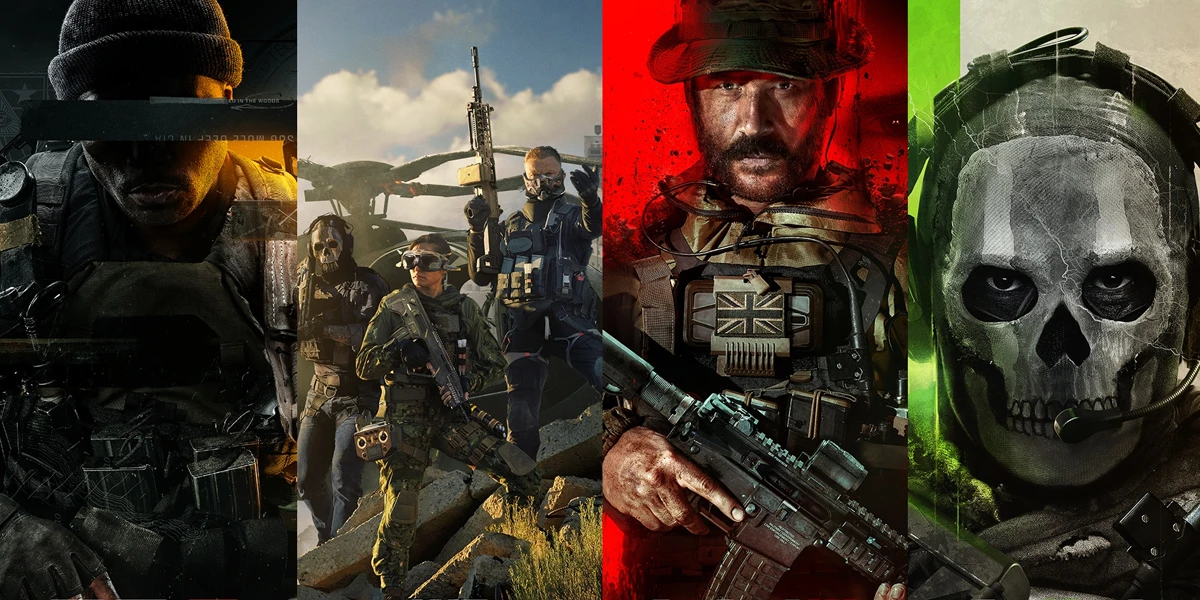
The Call of Duty series stands as a cornerstone of the first-person shooter genre, captivating millions since its debut in 2003. Developed primarily by studios like Infinity Ward, Treyarch, and Sledgehammer Games, it has evolved from gritty World War II simulations to high-stakes modern and futuristic conflicts, amassing over 500 million units sold worldwide as of 2025 (Activision-reported figure). What makes Call of Duty enduringly popular is its blend of intense, cinematic gameplay, compelling narratives, and robust multiplayer experiences that foster global communities. Players often grapple with questions like which entry offers the best starting point, how campaign modes compare to multiplayer, or what innovations have shaped the franchise’s legacy. Full cross-play across platforms arrived later in the series with Modern Warfare (2019).
This article ranks the top 10 best Call of Duty games based on a balanced evaluation of key factors: Metacritic and IGN scores above 80/100 (noting variations by platform, e.g., Xbox 360 or PS5), estimated sales figures, gameplay innovation, and long-term community impact drawn from polls and reviews. These selections reflect a consensus from sources like GamesRadar and Reddit discussions, prioritizing titles that excel in storytelling, tactical depth, and replayability. From the revolutionary shift in Call of Duty 4: Modern Warfare to the narrative twists in Black Ops, this list highlights the series’ diversity across eras.
For newcomers, these games provide an accessible entry into the FPS world, while veterans can revisit what made the franchise iconic. Imagine an infographic timeline tracing the evolution from 2003’s historical roots to 2024’s cutting-edge mechanics, visually mapping sales peaks and mode introductions. This pillar piece serves as a comprehensive guide, offering detailed breakdowns to inform choices and spark deeper exploration of individual titles. Whether you’re drawn to stealthy campaigns or chaotic battle royales, these rankings uncover why Call of Duty remains a cultural force in gaming.
Brief History of the Call of Duty Series
The Call of Duty franchise launched in 2003 with the original title, focusing on World War II battles through campaigns inspired by real events like D-Day and Stalingrad. Created by Infinity Ward, it quickly established a reputation for immersive, squad-based shooting that emphasized historical accuracy and emotional weight. By 2005’s Call of Duty 2, the series refined its formula with improved AI and larger-scale engagements, setting the stage for console dominance on platforms like Xbox 360.
A pivotal shift occurred in 2007 with Call of Duty 4: Modern Warfare, moving away from WWII to contemporary warfare and introducing killstreaks, prestige systems, and a global narrative. This entry revolutionized multiplayer, making it a social and competitive staple. Treyarch joined the rotation in 2008 with World at War, adding co-op and the zombies mode, which became a fan-favorite survival horror spin-off. Subsequent years saw diversification: Black Ops in 2010 delved into Cold War conspiracies, while 2016’s Infinite Warfare ventured into space combat.
Technological advancements have been constant, from early id Tech engines to modern ray-tracing and cross-play in titles like Warzone (2020), which popularized battle royale within the ecosystem. Studios rotated annually under Activision’s guidance, balancing innovation with familiarity. The series’ impact extends beyond gameplay, influencing esports through the Call of Duty League and fostering communities where players share strategies and fan theories. Highlights like 2012’s Black Ops II branching stories and 2024’s omnimovement in Black Ops 6 showcase ongoing evolution. For visual appeal, consider embedding YouTube timelines or developer interviews to trace these milestones. This history underscores Call of Duty’s adaptability, turning it into a benchmark for FPS titles.
Top 10 Best Call of Duty Games
10. Call of Duty: World at War (2008, Treyarch)
Background and Overview
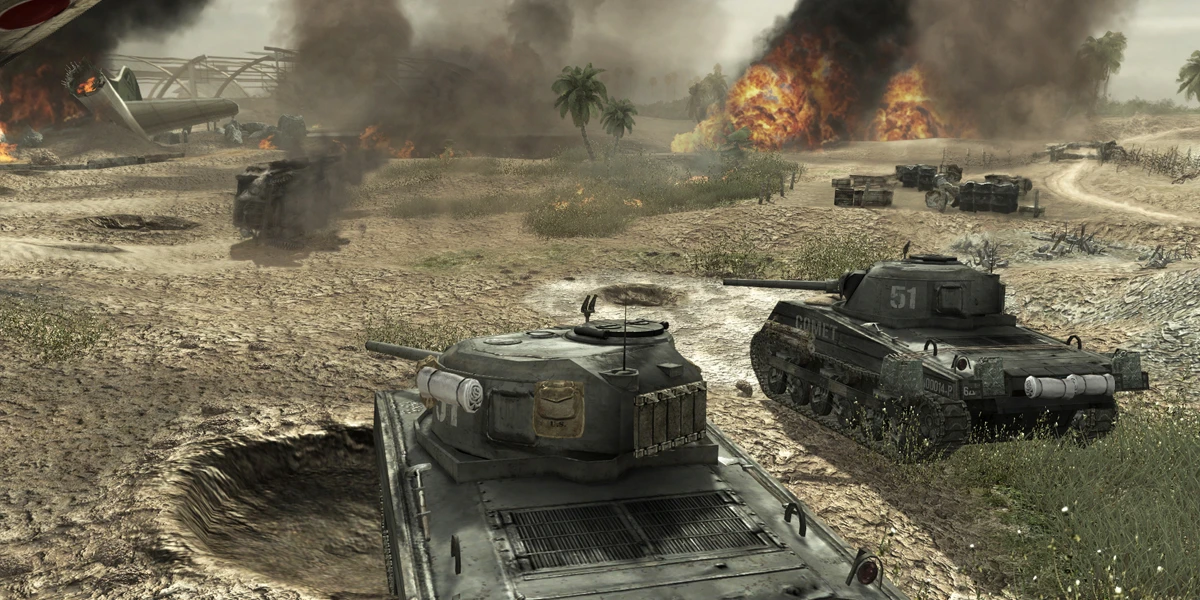
Set during World War II, World at War splits its narrative between the Pacific Theater with American Marines against Japanese forces and the Eastern Front with Soviet soldiers battling Nazis. Released as Treyarch’s first major entry, it captures the brutal realism of the era through intense firefights and moral ambiguity in war. The game’s dual campaigns provide a broad perspective on global conflict, emphasizing survival and camaraderie. Unlike previous entries that focused heavily on European theaters, this title dives into lesser-explored aspects of the war, such as the island-hopping campaigns in the Pacific and the grueling urban warfare on the Eastern Front. This approach not only educates players on historical events but also heightens the emotional stakes, portraying soldiers as ordinary men thrust into extraordinary horrors.
The development by Treyarch marked a significant moment for the series, as they aimed to differentiate from Infinity Ward’s style by incorporating more cooperative elements and atmospheric tension. The game’s release came at a time when the franchise was experimenting with new modes, and World at War laid the groundwork for the co-op survival experiences that would become staples. Its soundtrack, featuring haunting choral elements during key battles, further immerses players in the chaos and despair of the conflict, making it a standout for those interested in the human side of warfare.
Campaign Highlights
Missions like the assault on Peleliu Island deliver visceral close-quarters combat, with flamethrowers and bayonet charges heightening tension. Co-op functionality allows shared experiences, while atmospheric elements like night raids add horror-tinged dread. The narrative culminates in iconic battles, blending historical events with personal soldier stories for emotional depth. One particularly memorable sequence is the infiltration of a Japanese bunker system, where players must navigate dark tunnels filled with traps and ambushes, forcing careful resource management and tactical decisions. The Soviet campaign’s push through Berlin is equally gripping, with crumbling buildings and desperate last stands that evoke the raw intensity of the war’s final days.
These missions often incorporate environmental hazards, such as mustard gas clouds or collapsing structures, which add layers of realism and challenge. The voice acting, delivered with gritty authenticity, brings characters to life, making their sacrifices feel personal. Overall, the campaign’s length and variety ensure that players experience the war from multiple angles, from the humid jungles of Okinawa to the snow-swept streets of Stalingrad.
Multiplayer Highlights
Maps such as Airfield and Makin offer varied environments for objective-based play, continuing the perks system from Call of Duty 4: Modern Warfare, including Juggernaut for increased health. Basic killstreaks encourage aggressive tactics, and the ranking system rewards skill progression. Community servers thrived post-launch, extending longevity through custom matches. The multiplayer emphasizes teamwork in modes like Capture the Flag and Search and Destroy, where communication and positioning are key to victory. Maps are designed with multiple routes and elevation changes, allowing for diverse strategies whether playing defensively or pushing forward aggressively.
One of the strengths is the weapon customization, which, while limited by the era’s technology, feels balanced and rewarding. Players can unlock attachments and perks that suit different playstyles, from long-range sniping on open maps like Cliffside to fast-paced rushes in urban settings like Upheaval. The weapon selection feels authentic to the period, with accurate ballistics and recoil patterns that demand precision.
Why It’s Great
Earning an 84/100 on Metacritic (Xbox 360) and estimated over 15 million sales, World at War shines for pioneering zombies mode with Nacht der Untoten, a cooperative wave-defense that spawned endless expansions. Reddit communities praise its gritty authenticity, influencing later WWII titles. It balances spectacle with strategy, making it a foundational piece of the series’ horror-action hybrid. The zombies mode, in particular, transformed simple survival into a thrilling endurance test, where players must barricade windows, repair doors, and scavenge for power-ups amid hordes of undead. This innovation not only extended playtime but also created a subculture within the community, with fans modding and theorizing about the lore.
Beyond zombies, the game’s commitment to historical detail, such as accurate uniforms and weaponry, earns it respect among history buffs. Its influence is seen in subsequent titles that revisited WWII, proving that World at War set a high bar for immersive storytelling in shooters. For many, it’s the entry that captured the franchise’s potential for blending education with entertainment.
Weaknesses
Graphics and audio feel dated by today’s standards, with limited weapon variety restricting loadout creativity. Some missions suffer from linear design, reducing exploration freedom. The AI can be unpredictable, leading to frustrating deaths in scripted sequences, and the lack of advanced movement mechanics makes it feel rigid compared to later games. Multiplayer matchmaking was rudimentary, often resulting in unbalanced lobbies, and the absence of modern features like voice chat integration limited social aspects.
9. Call of Duty: Advanced Warfare (2014, Sledgehammer)
Background and Overview
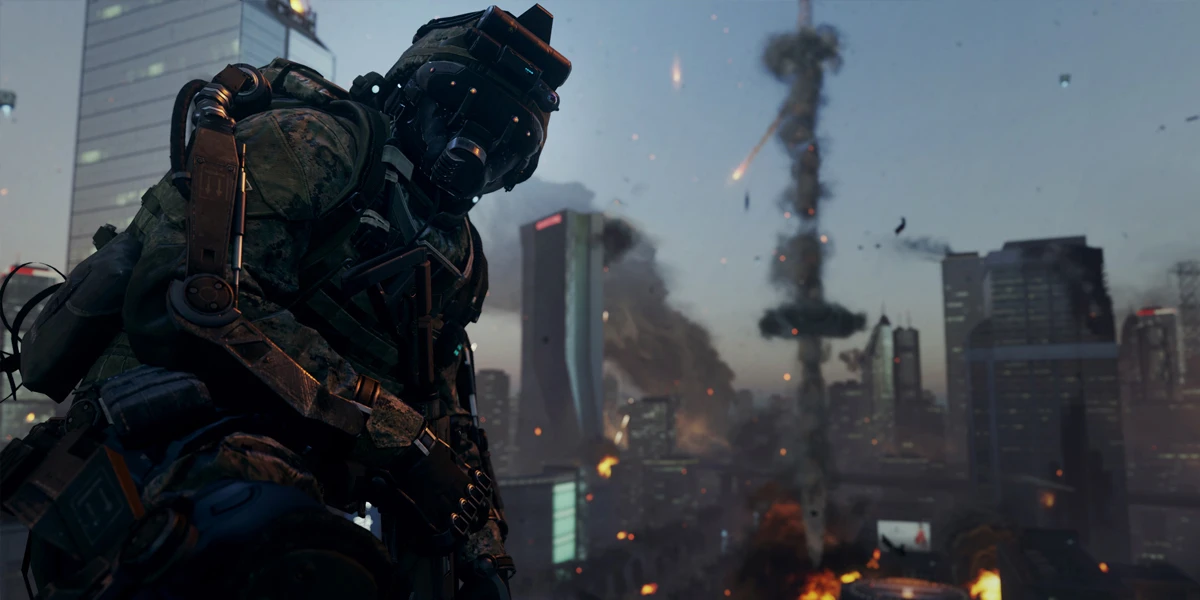
Advanced Warfare transports players to 2054, where private military contractor Atlas rises amid global unrest, led by protagonist Jack Mitchell. Sledgehammer’s debut emphasizes exoskeleton technology, enabling superhuman mobility in a near-future setting. The story explores corporate power and betrayal, drawing parallels to real-world geopolitics. This futuristic leap allowed the series to experiment with sci-fi elements, moving away from grounded military simulations to a world of enhanced soldiers and advanced weaponry. The narrative critiques the privatization of war, with Atlas as a symbol of unchecked corporate influence, adding a layer of social commentary to the action.
Development focused on motion-captured performances, including Kevin Spacey as the antagonist, to elevate the cinematic quality. Released during a transitional period for the franchise, it bridged the gap between modern warfare titles and bolder innovations, appealing to players craving evolution in gameplay while retaining core shooting mechanics.
Campaign Highlights
Exosuit features like double jumps and cloaking create dynamic set pieces, such as the zero-gravity space station fight. Missions blend vehicular combat with on-foot action, culminating in a Seoul skyline battle. Kevin Spacey’s villainous performance adds cinematic flair to the plot. The opening Detroit sequence sets a high bar with explosive set pieces and moral dilemmas, while later missions like the hijacking of a KVA train showcase seamless transitions between ground and aerial combat. Players can hijack drones or pilot mechs, adding variety to traditional gunplay.
The story’s twists, involving personal loss and global conspiracy, keep engagement high, with collectible audio logs providing deeper lore. The campaign’s pacing mixes high-octane action with quieter moments of reflection, making it one of the more narrative-driven entries in the series.
Multiplayer Highlights
Thirteen maps support exosuit variants, from speed boosts to grappling hooks, promoting vertical gameplay. Supply drops introduce loot progression and sparked early debates on monetization, while modes like Exo Survival test endurance. Advanced Warfare lacked cross-play, which first arrived fully in Modern Warfare (2019). The exosuit customizations allow for specialized roles, such as stealth-focused or heavy assault builds, encouraging team composition strategies. Maps like Detroit and Horizon feature multi-level designs that reward mobility, turning lobbies into three-dimensional battlegrounds.
Game modes expand on classics with twists, like Exo-Zombies where suits enhance survival against undead waves. The progression system, tied to supply drops, motivated grinding but also introduced microtransaction elements that divided the community at launch.
Why It’s Great
With an 83/100 Metacritic score (Xbox One) and estimated 21 million sales, it revolutionized movement mechanics, with AW popularizing exo-movement in CoD, paralleling movement trends seen in Titanfall. GameRant highlights its polished shooting and narrative pacing as standout elements. Fans appreciate the fresh sci-fi take, keeping the series vibrant. The exosuit not only refreshed combat but also opened up map designs, making every engagement feel fast and fluid. Its campaign’s Hollywood polish, bolstered by Spacey’s charisma, delivers blockbuster thrills that rival big-budget films.
Multiplayer’s depth in customization and the introduction of exo-variants provided replayability, while Exo-Zombies added a unique horror twist. For a mid-series entry, it boldly pushed boundaries, proving the franchise could thrive beyond realism.
Weaknesses
The storyline veers into clichés, with predictable twists undermining tension. Multiplayer’s loot system sparked pay-to-win concerns early on. Balance issues with certain exosuit abilities led to dominant meta builds, and the futuristic setting alienated purists who preferred grounded warfare. Campaign length is shorter than average, and some missions recycle assets, feeling repetitive upon replay.
8. Call of Duty: Black Ops II (2012, Treyarch)
Background and Overview
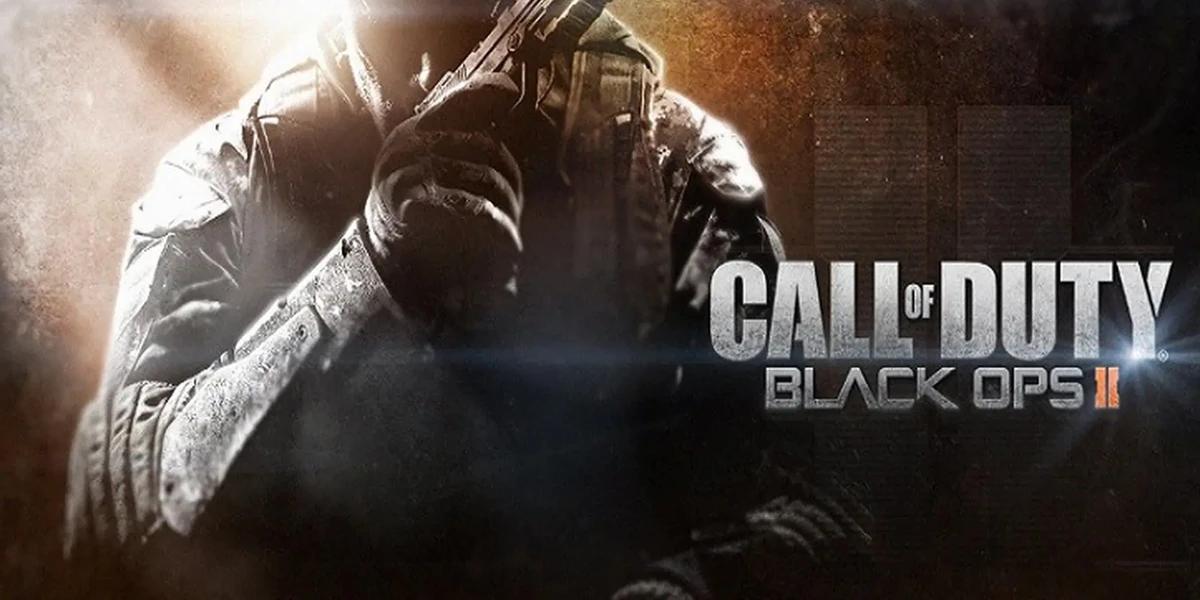
Black Ops II spans 1980s Cold War ops and a 2025 drone war, centering on David Mason hunting terrorist Raul Menendez. Treyarch’s ambitious scope weaves personal vendettas with global stakes, using tech advancements as plot drivers. It marks the series’ first major foray into player choice. The dual-timeline structure allows exploration of father-son dynamics between Alex and David Mason, blending espionage with high-tech warfare. Menendez’s charismatic villainy, inspired by real-world revolutionaries, adds complexity to the antagonist role.
As Treyarch’s follow-up to the original Black Ops, it aimed to evolve the sub-series by incorporating branching narratives, a rarity in linear shooters, and setting the stage for future installments with interconnected lore.
Campaign Highlights
Branching paths let decisions alter outcomes, like sparing or killing key characters, affecting endings. Iconic missions, such as the Angola raid, mix stealth and spectacle. Strike Force missions add RTS elements for variety. The Panama invasion sequence captures 1980s tension with jungle ambushes and helicopter assaults, while futuristic segments feature drone swarms and cyber warfare. Player agency in choices, such as allying with or betraying factions, leads to multiple endings, encouraging replays to see alternate paths.
Supporting characters like Harper and Salazar provide emotional anchors, with cutscenes that rival film quality. The integration of real historical footage grounds the fiction, making the global conspiracy feel plausible and engaging.
Multiplayer Highlights
The Pick 10 system allows custom loadouts, paired with scorestreaks like the Hunter Killer Drone. Fourteen maps at launch (+ Nuketown 2025 bonus), including Carrier, support diverse playstyles from sniping to rushing. League Play integration boosted competitive scenes. Scorestreaks reward skillful play without frustration, and the Theater mode lets players analyze replays for improvement. Maps like Yemen and Standoff offer balanced chokepoints and open areas, ideal for objective modes like Domination.
Zombies mode expands with Tranzit, introducing bus traversal across a zombie apocalypse map, adding survival strategy to the formula. Custom games and wildcards further personalize experiences, making multiplayer endlessly adaptable.
Why It’s Great
Scoring 83/100 on Metacritic (Xbox 360) with estimated 29-31 million sales, its narrative innovation and zombies expansion (Tranzit) earn high praise from GamesRadar. Community polls on Reddit rank it for twisty storytelling. It bridges eras effectively. The branching campaign was groundbreaking, offering true replay value and depth rarely seen in FPS titles. Multiplayer’s Pick 10 revolutionized loadout creation, promoting creativity and balance that influenced future games.
Zombies’ evolution into a larger mode with voice acting and Easter eggs built a dedicated fanbase. As a pivotal entry, it solidified Black Ops as a cornerstone sub-series, blending action with intelligent design.
Weaknesses
Initial multiplayer balance issues frustrated players, and some missions feel repetitive. The futuristic elements divided opinions. Strike Force missions were polarizing, often feeling out of place, and the story’s ambition sometimes led to convoluted plots. DLC integration was strong but required additional purchases for full content.
7. Call of Duty: WWII (2017, Sledgehammer)
Background and Overview
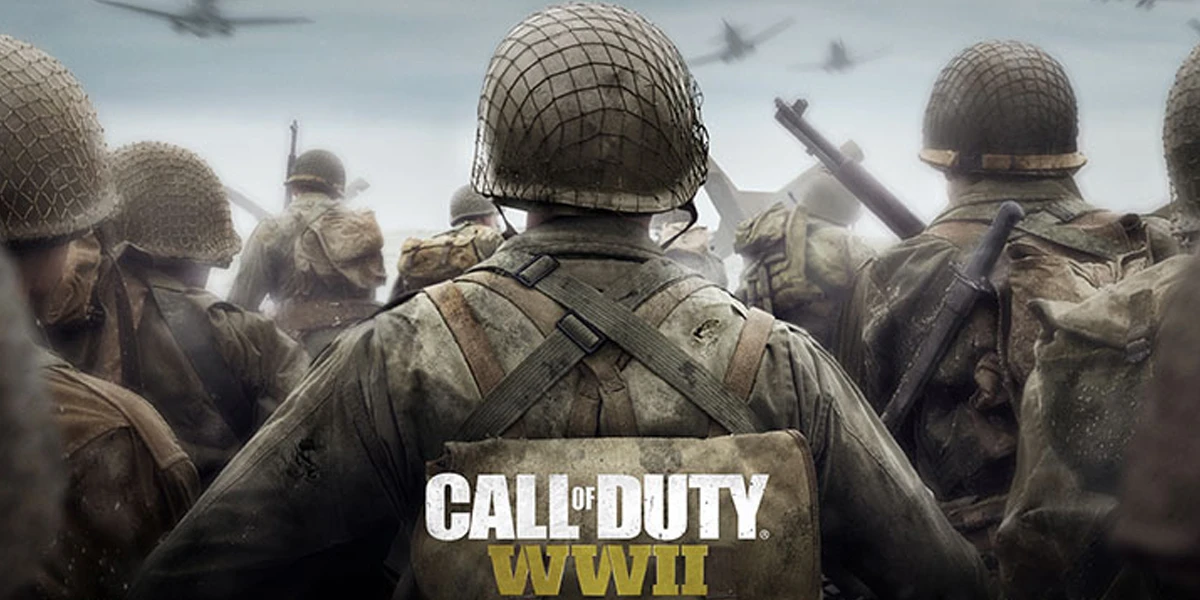
Returning to WWII roots, WWII follows Private Daniels from Normandy to Germany’s heartland, stressing bonds amid horror. Sledgehammer aimed for grounded authenticity post-futuristic entries. It humanizes war through letters and loss. The story emphasizes squad camaraderie, with Daniels writing home to maintain a sense of normalcy amid the chaos. This return to basics after sci-fi experiments refreshed the series, focusing on the infantry experience without superhuman enhancements.
Development drew from veteran interviews to ensure accuracy, positioning it as a tribute to the Greatest Generation while avoiding glorification of violence.
Campaign Highlights
No auto-health regeneration in the campaign amps realism in assaults like Pointe du Hoc, requiring players to seek health packs or rely on squadmates (multiplayer retains standard regeneration). Episodic structure builds emotional arcs, ending in poignant Rhine crossings. Squad dynamics shine in foxhole defenses. The D-Day landing is a harrowing opener, with waves crashing and bullets whizzing past, setting a tone of vulnerability. Later missions, like the Hurtgen Forest battle, incorporate weather effects and morale systems that affect AI behavior.
Collectible letters add narrative layers, revealing backstories and fostering attachment to comrades. The finale’s confrontation in a concentration camp delivers a sobering climax, underscoring war’s atrocities.
Multiplayer Highlights
Divisions system customizes classes, with Headquarters as a social lobby. Maps like Gustav Cannon mix urban and open warfare. War mode adds objective depth. Divisions allow specialization in roles like Airborne for mobility or Mountain for defense, enhancing strategic play. Social spaces in HQ let players customize avatars and interact, building community.
Grounded movement feels weighty and realistic, with modes like War emphasizing historical objectives such as tank escorts or bridge defenses.
Why It’s Great
Despite a 79/100 Metacritic score (PS4), estimated 20 million sales reflect immersion lauded by communities for historical fidelity. It refreshes WWII tropes effectively. Narrative depth stands out. The campaign’s focus on brotherhood and loss provides emotional resonance absent in many action-heavy entries. Multiplayer’s Divisions add progression without overwhelming complexity, making it approachable yet deep.
As a palate cleanser after futuristic games, it recaptured the series’ origins while introducing fresh mechanics like War mode, appealing to both veterans and newcomers.
Weaknesses
Lacks bold innovation compared to modern titles, with graphics underutilizing hardware. Campaign length feels uneven. Some maps are too linear, limiting flanking options, and the story’s predictability reduces tension in later acts.
6. Call of Duty 2 (2005, Infinity Ward)
Background and Overview
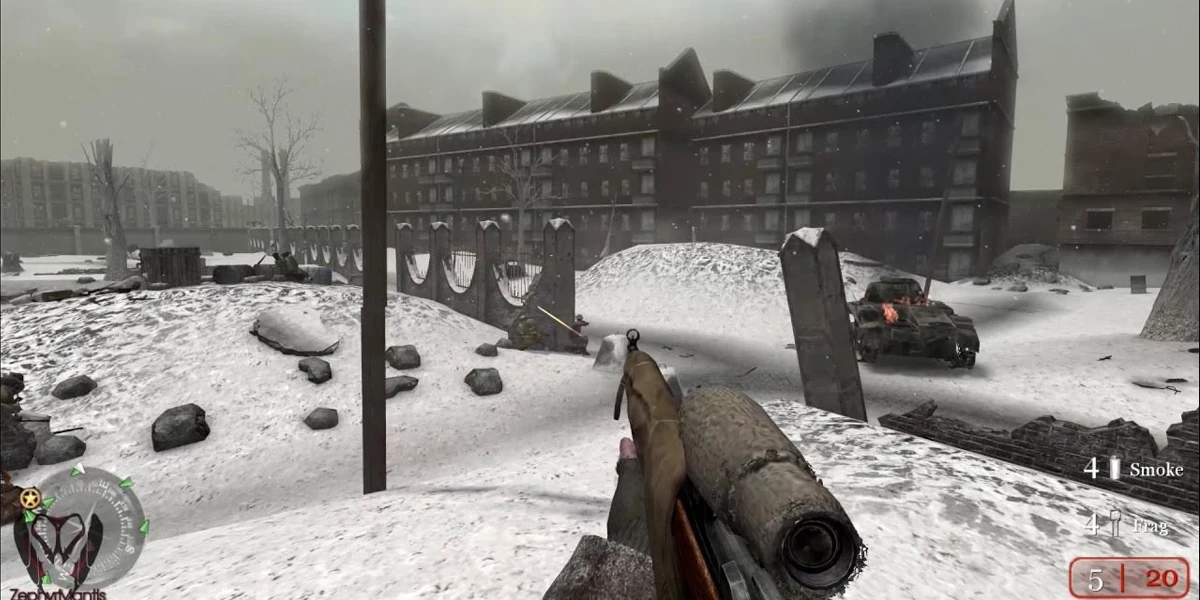
Call of Duty 2 expands WWII across American, British, and Soviet fronts, from North Africa to Berlin. Infinity Ward built on the original with epic scale. It prioritizes raw combat intensity. As a launch title for Xbox 360, it showcased next-gen capabilities with detailed environments and AI that flanked and suppressed enemies. The multi-perspective campaigns provide a comprehensive view of the war’s theaters, from desert tank battles to urban sieges.
It solidified the series’ reputation for cinematic storytelling, using scripted sequences to mimic Hollywood war films while maintaining gameplay focus.
Campaign Highlights
Stalingrad siege missions deliver prolonged, chaotic battles with dynamic objectives. Iron sights enhance aiming realism. Varied perspectives enrich the war tapestry. The British campaign’s defense of Caen involves holding positions against overwhelming odds, with destructible cover adding tension. Soviet missions in Berlin feature house-to-house fighting, where every room is a potential killzone.
Environmental storytelling, like bombed-out buildings and propaganda posters, immerses players in the era’s atmosphere. The pacing builds from defensive stands to aggressive pushes, keeping momentum high.
Multiplayer Highlights
Smooth basics include team deathmatch on maps like Toujane. Auto-health regen debuts, smoothing pacing. Xbox Live integration pioneered online play. Matches support up to 16 players with modes emphasizing capture points, and the weapon selection feels authentic to the period. Maps balance vehicles and infantry, allowing for combined arms tactics.
As an early online experience, it fostered rivalries and clans, laying the foundation for competitive esports in the genre.
Why It’s Great
86/100 Metacritic (Xbox) and estimated 7 million sales cement its foundational role, per PC Gamer polls. It refined FPS standards. Legacy endures. The introduction of regenerating health changed pacing paradigms, making shooters more accessible. Its campaigns set benchmarks for scale and immersion, influencing countless titles.
For its time, the technical achievements, like particle effects in explosions, pushed hardware limits, making it a showcase for console gaming’s potential.
Weaknesses
Absence of zombies limits modes, and multiplayer lacks later depth. Dated mechanics show age. Linear levels restrict freedom, and AI pathing can glitch in complex areas.
5. Call of Duty: Black Ops (2010, Treyarch)
Background and Overview
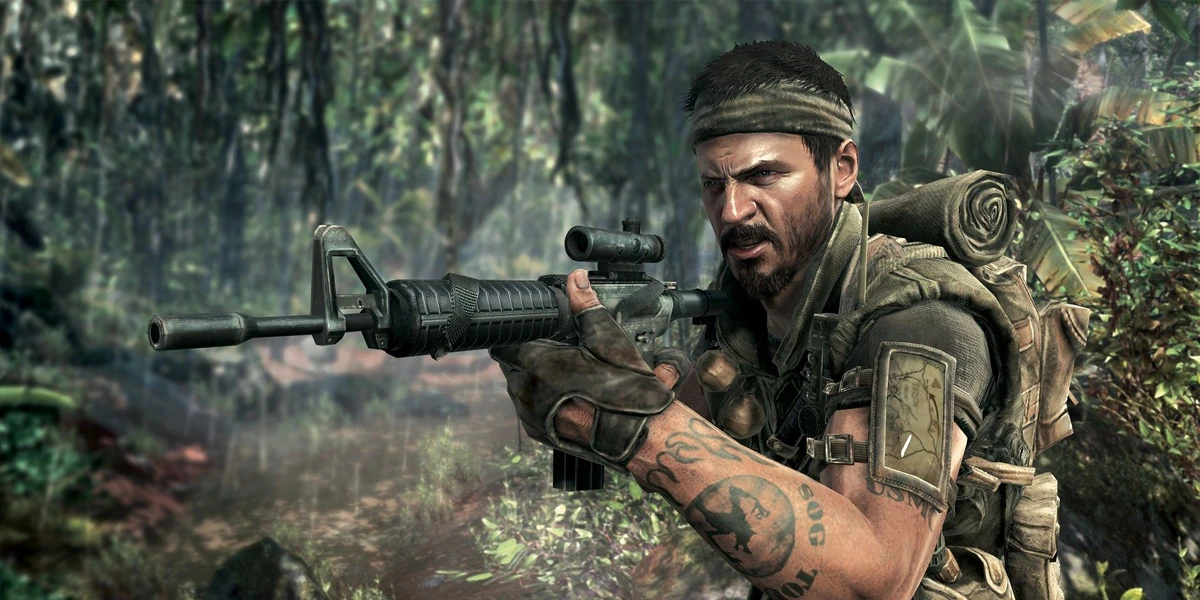
Black Ops immerses in Cold War shadows, following CIA operative Alex Mason amid brainwashing plots. Treyarch’s Vietnam-era tale twists history with conspiracies. It blends interrogation framing with flashbacks. The nonlinear structure reveals truths gradually, building paranoia through unreliable narration. Iconic figures like Reznov and Hudson add star power and depth to the espionage thriller.
Released during heightened interest in Cold War stories, it capitalized on declassified documents for authenticity while amplifying drama.
Campaign Highlights
Vorkuta prison break mixes melee and shooting frenzy. Gary Oldman’s Reznov adds gravitas. Revelations unfold nonlinearly. The Bay of Pigs invasion captures revolutionary chaos, with boat assaults and air strikes. Vietnam missions like the Hue City fight incorporate napalm and tunnels, heightening sensory overload.
Twists involving mind control culminate in a shocking finale, rewarding attentive players with foreshadowed clues. The variety, from sniper ops to vehicle chases, keeps the 6-8 hour campaign engaging.
Multiplayer Highlights
Theatre mode replays matches for analysis. Nuketown map becomes legendary for close combat. Custom killstreaks vary play. The wager matches add high-stakes gambling on performance, and maps like Array support vertical sniping. Perks like Ghost for stealth promote diverse tactics.
Zombies expands with maps like Five, featuring celebrity undead and wonder weapons, turning it into a full mode with progression.
Why It’s Great
87/100 Metacritic (Xbox 360), estimated 30 million sales, and zombies like Kino der Toten define it, per GamesRadar. Plot twists captivate. Enduring appeal. The campaign’s psychological depth sets it apart, with endings that tie into broader lore. Multiplayer’s CoD Points system modernized unlocks, and Nuketown’s legacy endures in remakes.
Zombies’ arcade-style fun and community challenges made it a social phenomenon, solidifying Black Ops as a fan favorite.
Weaknesses
Smaller maps crowd multiplayer at times. Pacing dips in spots. Some twists feel forced, and weapon balance favored automatics early on.
4. Call of Duty: Modern Warfare 3 (2011, Infinity Ward/Sledgehammer)
Background and Overview
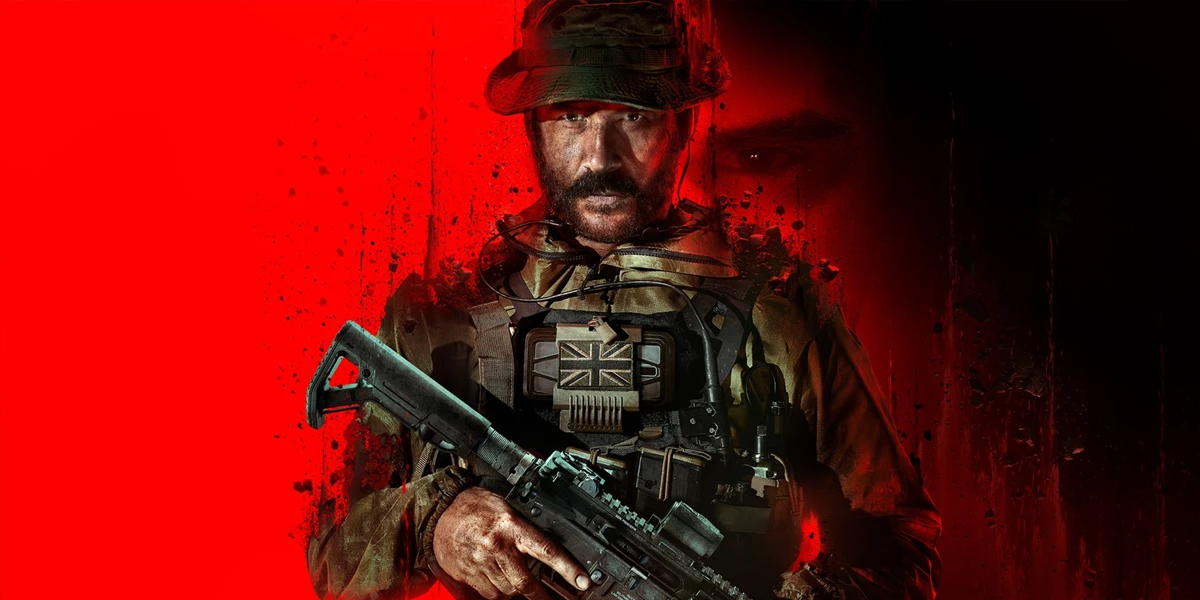
MW3 escalates the original Modern Warfare saga into World War III, with Task Force 141 averting catastrophe. Collaborative development ensures seamless continuity. Global locales heighten stakes. The story wraps the trilogy with high-profile invasions, from New York to Paris, portraying a world on the brink. Characters like Price and Yuri provide closure to arcs started years prior.
As a joint effort, it combined strengths from both studios, focusing on spectacle to deliver a blockbuster conclusion.
Campaign Highlights
Paris vehicle chase delivers pulse-pounding pursuits. Survival mode extends post-mission challenges. Ensemble cast ties loose ends. The Hamburg mission involves defending against ultranationalist advances, with dynamic civilian interactions. Spec Ops segments offer bite-sized co-op, varying from stealth infiltrations to bomb defusals.
Cutscenes and voice work maintain cinematic momentum, making the global war feel interconnected and urgent.
Multiplayer Highlights
Kill Confirmed innovates dog-tag collection. Sixteen maps at launch, including Village, suit snipers and rushers. Spec Ops co-op refines teamwork. Party modes like Gun Game add casual fun, and maps like Resistance feature destructible environments. Killstreaks like the Juggernaut suit promote aggressive plays.
Survival mode in multiplayer lobbies tests endurance against AI waves, bridging single and multi-player.
Why It’s Great
88/100 Metacritic (Xbox 360), estimated 30 million sales, and Reddit favorites mark its action peak. Cinematic closure excels. Fan service strong. The campaign’s set pieces, like the Statue of Liberty defense, are unforgettable spectacles. Multiplayer’s innovations like Kill Confirmed added risk-reward depth.
As trilogy capstone, it delivered satisfying payoffs, influencing narrative-driven shooters.
Weaknesses
Rushed plot sacrifices character depth. Some arcs feel underdeveloped. Multiplayer maps were criticized for similarity to MW2, lacking fresh variety.
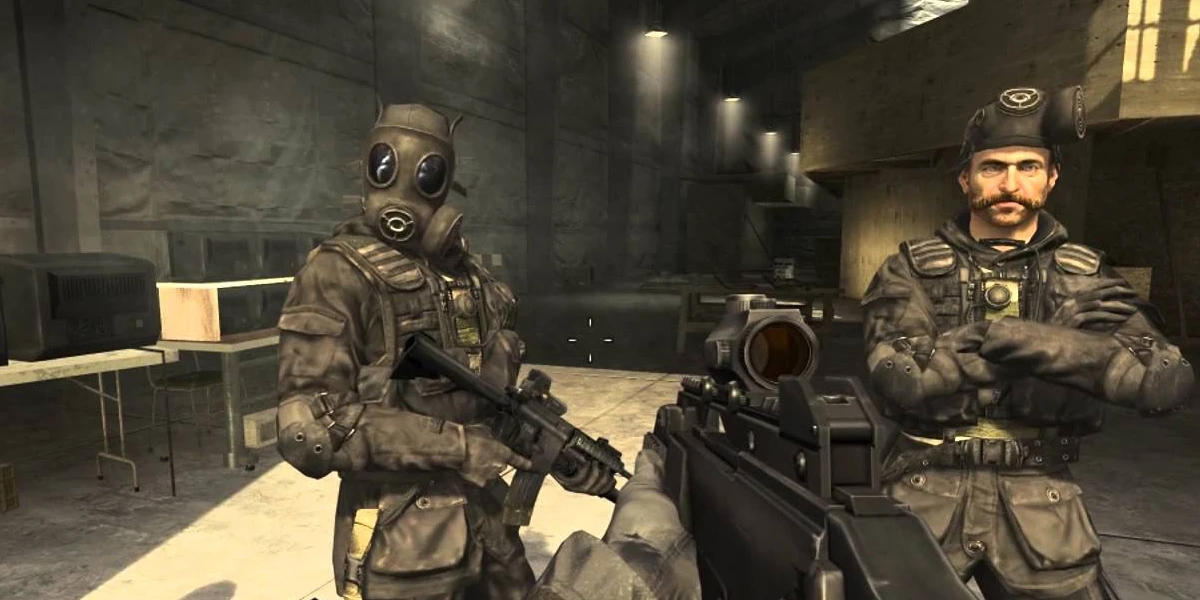
3. Call of Duty 4: Modern Warfare (2007, Infinity Ward)
Background and Overview
Modern Warfare pivots to 21st-century terrorism, starring Soap and Price in a coup-ridden Middle East and beyond. Infinity Ward’s bold reinvention abandons WWII. It sets genre templates. The shift to modern settings allowed for contemporary weapons and geopolitics, making conflicts feel immediate and relevant. Zakhaev’s ultranationalist threat drives a plot full of betrayals and high-stakes ops.
This entry redefined the series, proving FPS could evolve beyond historical settings while maintaining intensity.
Campaign Highlights
All Ghillied Up’s stealth sniper op remains timeless. Nuke twist shocks effectively. Pacing balances quiet tension and chaos. The Pripyat mission’s grass-swaying wind effects create unparalleled immersion. Crew Expendable’s ship boarding mixes tight corridors with open decks.
Short but impactful, the story’s twists and moral ambiguity elevate it beyond action fare.
Multiplayer Highlights
Killstreaks like airstrikes reward streaks. Prestige loops engagement. Maps like Crash favor all styles. Create-a-Class pioneered personalization, with perks enabling builds like silent assassins or tanky rushers. Modes like Free-for-All reward individual skill.
The foundation for modern COD multiplayer, its balance and progression hooked generations.
Why It’s Great
94/100 Metacritic (Xbox 360), estimated 17-18 million sales; Eurogamer and IGN hail it as pinnacle. FPS revolution. Timeless impact. Killstreaks changed reward systems industry-wide, and All Ghillied Up is iconic stealth. It launched the modern era, blending cinema and gameplay.
Multiplayer’s longevity through remasters shows enduring design.
Weaknesses
Short campaign limits scope. Replay varies by mode. Lacks co-op, and some missions are overly scripted.
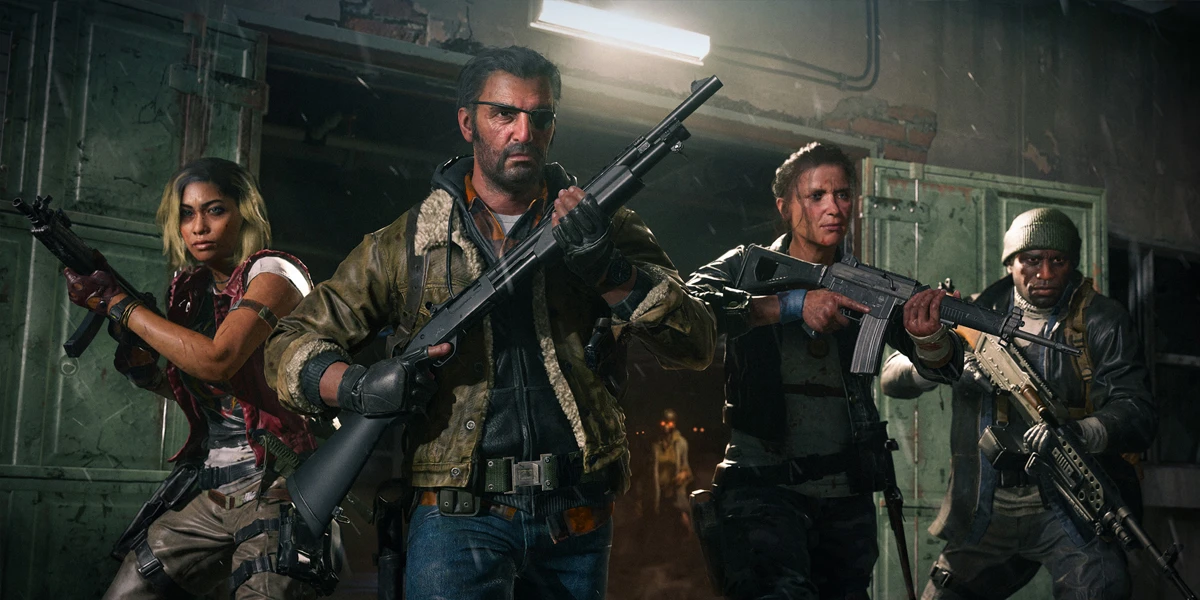
2. Call of Duty: Black Ops 6 (2024, Treyarch)
Background and Overview
Black Ops 6 thrusts into Gulf War-era espionage, evolving to modern CIA intrigue across Kuwait and D.C. Treyarch refines the sub-series with fluid mechanics. Narrative probes loyalty themes. The story follows rogue operatives in a web of double-crosses, blending 90s flashbacks with present-day tech. It expands Black Ops lore, connecting to previous entries through familiar faces and unresolved plots.
Released amid franchise revitalization, it emphasizes choice and consequence in a post-truth world.
Campaign Highlights
Omniscient mode switches perspectives mid-mission. Stealth-chaos blends keep variety. Twists build suspense. The Kuwait sandstorm assault uses dynamic weather for cover, while D.C. urban ops involve civilian evasion. Perspective shifts reveal hidden objectives, adding replay value.
Cinematic set pieces, like a train derailment, combine spectacle with tactical depth.
Multiplayer Highlights
Omnimovement enables 360-degree dodges. Cross-play maps enhance accessibility. Ranked modes competitive edge. Omnimovement fluidizes gunfights, with maps like Babylon supporting acrobatic plays. Scorestreaks integrate seamlessly, rewarding mobility.
Zombies returns refined, with directed mode for newcomers and classic for vets.
Why It’s Great
82-85/100 Metacritic (depending on platform, e.g., PS5 at 82), it set a record launch weekend for the series per Microsoft (day-one availability on Game Pass). IGN polls favor its Black Ops revival. Campaign depth shines. Modern polish. Omnimovement revitalizes movement, and the campaign’s twists honor the sub-series’ legacy.
Cross-play and prestige return make it inclusive and addictive.
Weaknesses
Zombies lacks fresh maps initially. Hardware demands high. Some mechanics feel unbalanced at launch.
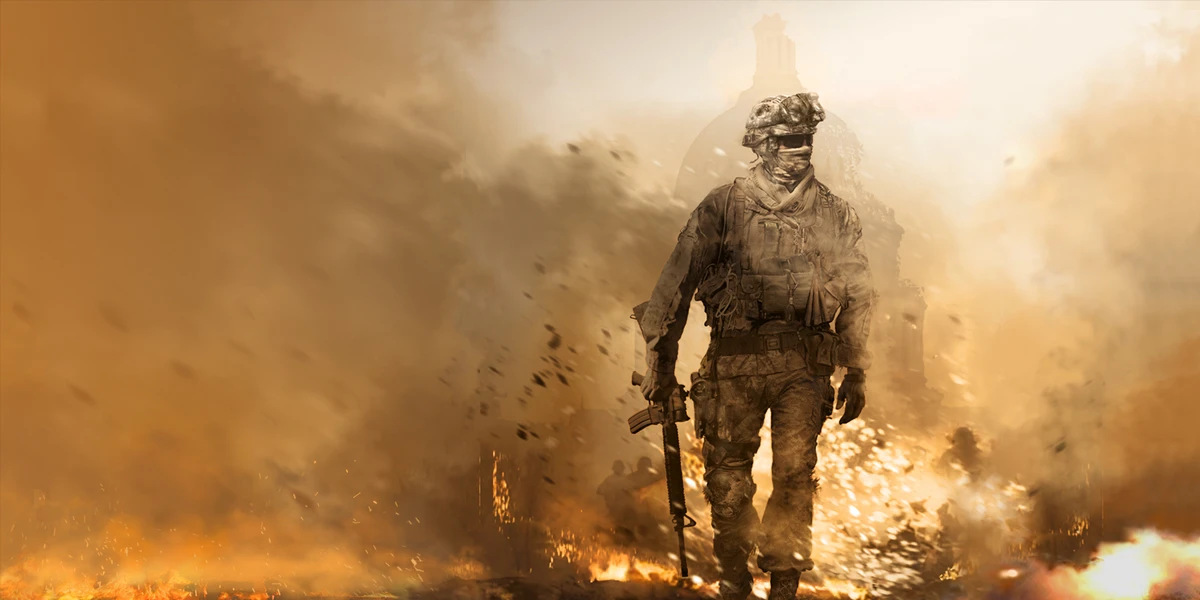
1. Call of Duty: Modern Warfare 2 (2009, Infinity Ward)
Background and Overview
MW2 continues the fight against ultranationalists, with Price and Soap targeting Makarov worldwide. Infinity Ward peaks the trilogy’s action. Betrayal drives plot. Makarov’s terrorist network sparks global chaos, from Russia to South America. The story’s intensity builds on MW1, with personal vendettas fueling the narrative.
As the trilogy’s middle chapter, it amplified scale and controversy for maximum impact.
Campaign Highlights
No Russian’s controversy sparks debate on ethics. Favela’s pursuits thrill. Ensemble missions global scale. The Gulag breakout mixes stealth and brawls, while Endgame’s snowmobile chase is exhilarating. Moral choices in missions like Wolverines add weight.
Iconic moments like the nuke aftermath deliver emotional punches.
Multiplayer Highlights
Sixteen maps at launch, Spec Ops co-op innovate. Perks and killstreaks perfect balance. Terminal map iconic. Create-a-Class depth allows endless builds, and modes like Demolition emphasize bomb sites. Spec Ops offers varied co-op challenges.
Its polish set multiplayer standards for years.
Why It’s Great
94/100 Metacritic (Xbox 360), estimated 22-23 million sales; IGN and ScreenRant crown it top. Ultimate harmony. Lasting legacy. Campaign’s set pieces and twists are unmatched, while multiplayer’s balance is legendary. It defined COD’s peak era.
Maps and perks influenced the genre profoundly.
Weaknesses
Early cheaters plagued online. Moral missions divisive. Campaign’s length is brief for its ambition.
Comparison and Lessons from the Top 10
| Game | Metascore (Example Platform) | Estimated Sales (Millions) | Key Highlight (Campaign/Multiplayer/Zombies) |
|---|---|---|---|
| Modern Warfare 2 (2009) | 94 (Xbox 360) | 22-23 | Balanced action / Perks system / N/A |
| Black Ops 6 (2024) | 82-85 (varies, e.g., PS5 82) | Record launch | Omniscient mode / Omnimovement / Limited new |
| Call of Duty 4: Modern Warfare (2007) | 94 (Xbox 360) | 17-18 | All Ghillied Up / Killstreaks / N/A |
| Modern Warfare 3 (2011) | 88 (Xbox 360) | 30 | Global chases / Kill Confirmed / N/A |
| Black Ops (2010) | 87 (Xbox 360) | 30 | Vorkuta escape / Theatre mode / Kino der Toten |
| Call of Duty 2 (2005) | 86 (Xbox) | 7 | Stalingrad siege / Auto-regen / N/A |
| Black Ops II (2012) | 83 (Xbox 360) | 29-31 | Branching story / Pick 10 / Tranzit |
| Advanced Warfare (2014) | 83 (Xbox One) | 21 | Exosuit jumps / Supply drops / Exo Survival |
| World at War (2008) | 84 (Xbox 360) | 15+ | Peleliu assault / Perks continuation / Nacht der Untoten |
| WWII (2017) | 79 (PS4) | 20 | Brotherhood narrative / Divisions / N/A |
This table illustrates trends: Modern Warfare entries dominate scores for innovation, while Black Ops excels in narrative sales. MW2 leads in equilibrium, Black Ops in twists, WWII in immersion. Lessons include persistent evolution from historical to futuristic while retaining fast-paced core, teaching real tactics like flanking. Newcomers should start with COD4 for foundations. The top 10 reveals adaptability as key to longevity.
Conclusion
The top 10 Call of Duty games chronicle a journey from 2003’s battlefields to 2025’s digital wars, blending revolutionary gameplay with profound cultural resonance for gamers of all ages. These titles not only entertain through adrenaline-fueled missions and strategic depth but also educate on war’s complexities via evidence-based narratives. Revisiting them or awaiting updates like potential Black Ops 7 extensions enriches appreciation of the franchise’s enduring legacy.
If you are passionate about the iconic motifs in Call of Duty, explore the Call of Duty shirt collection to express your pop culture style with designs inspired by beloved characters and missions.
