
No products in the cart.
Anime
Dandadan Anime Adaptation Studio: The Secrets Behind Its Success
Introduction to Dandadan: Journey from Manga to Anime Masterpiece
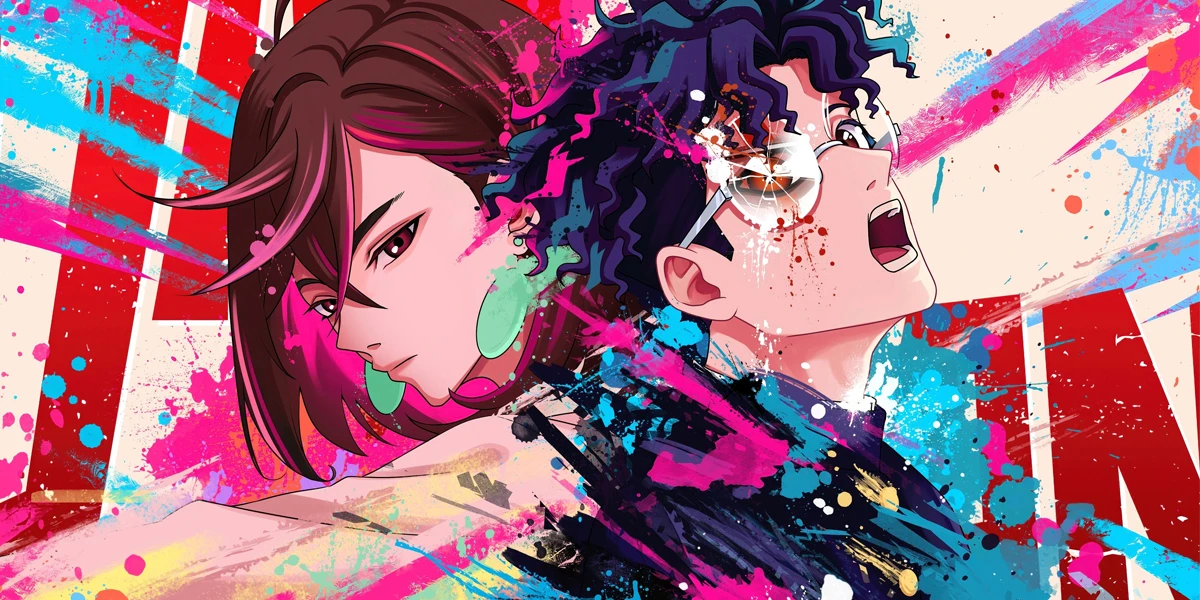
Dandadan stands out as one of the most captivating manga series of the recent decade, weaving supernatural elements, intense action, and relatable humorous moments to draw in millions of readers worldwide. Written and illustrated by Yukinobu Tatsu, the story began serialization on Shueisha’s Shōnen Jump+ platform starting April 6, 2021, rapidly emerging as a phenomenon thanks to its fresh plot revolving around two protagonists: Ayase Momo and Takakura Ken, better known as Okarun. Tatsu, who previously assisted mangaka like Tatsuki Fujimoto and Yuji Kaku, infused the narrative with influences from Japanese folklore, urban myths, and horror classics such as Kentaro Miura’s Berserk or Junji Ito’s works, creating a dynamic universe.
The tale unfolds through the fateful clash of beliefs between Momo, a bold high school girl convinced of ghosts but dismissive of aliens, and Okarun, a timid UFO enthusiast skeptical of yokai legends. Their naive bet leads Momo to a derelict hospital rumored for extraterrestrial activity and Okarun to a haunted tunnel. The twist confirms both exist in Dandadan’s world, plunging them into chaotic perils blending demons and aliens with comedy and growth. Momo’s psychic prowess and physical might symbolize courage, while Okarun’s curse from the yokai Turbo Granny (stripping his “golden testicles” and granting a speed demon form) forces him to confront fears. This explores themes of friendship, identity, and embracing the odd.
By 2025, the manga boasts 21 volumes, its energetic art, monstrous designs, and twisty plot fueling global fandom. This surge inspired the anime adaptation, set to deliver even more immersive visuals.
History and Adaptation Decision: From Pages to the Big Screen
The Dandadan anime adaptation was officially announced on November 27, 2023, alongside a teaser visual and key staff reveals. This marked a pivotal moment after the manga’s explosive rise on Shōnen Jump+ with record engagement and vibrant global discussions. The move aligned with growing demand for varied anime fare, as Tatsu noted in interviews his vision for animating the story’s chaos. Season 1 debuted on October 4, 2024 (12:26 a.m. JST), comprising 12 episodes aired domestically via the Super Animeism Turbo block on the JNN network (MBS/TBS) and internationally on Crunchyroll (outside Asia), Netflix globally, Hulu (U.S.), and ADN (select EU regions). For broadcast details in Japan, see the official MBS page for the series here. The premiere quickly garnered acclaim for capturing the manga’s wild essence. The June 2024 trailer sparked hype through fluid action and pulsing music, teasing supernatural clashes like Turbo Granny’s curse and Serpoians encounters.
The 2024 timing capitalized on the shonen anime boom mixing horror and humor, echoing successes like Jujutsu Kaisen or Chainsaw Man. Dandadan differentiated via its rom-com grounding. With over 100 manga chapters available, the anime adeptly covered early arcs without pacing issues. Follow-up teasers featuring updated Momo and Okarun visuals amplified excitement. Fans praised the experimental animation of Tatsu’s intricate panels. A special theatrical screening, “Dan Da Dan: First Encounter” compiling the first three episodes, premiered in Asian theaters and saw its English dub debut at Anime NYC on August 24, 2024. This broadened early access.
The adaptation aimed to globalize Dandadan via streaming, where motifs like alien tech and yokai battles could resonate widely. By 2025, Season 2 aired from July 4 to September 19, and Season 3 was announced right after the finale. This solidified its status as a pop culture staple.
Introducing the Production Studio: The Giant Behind the Chaos
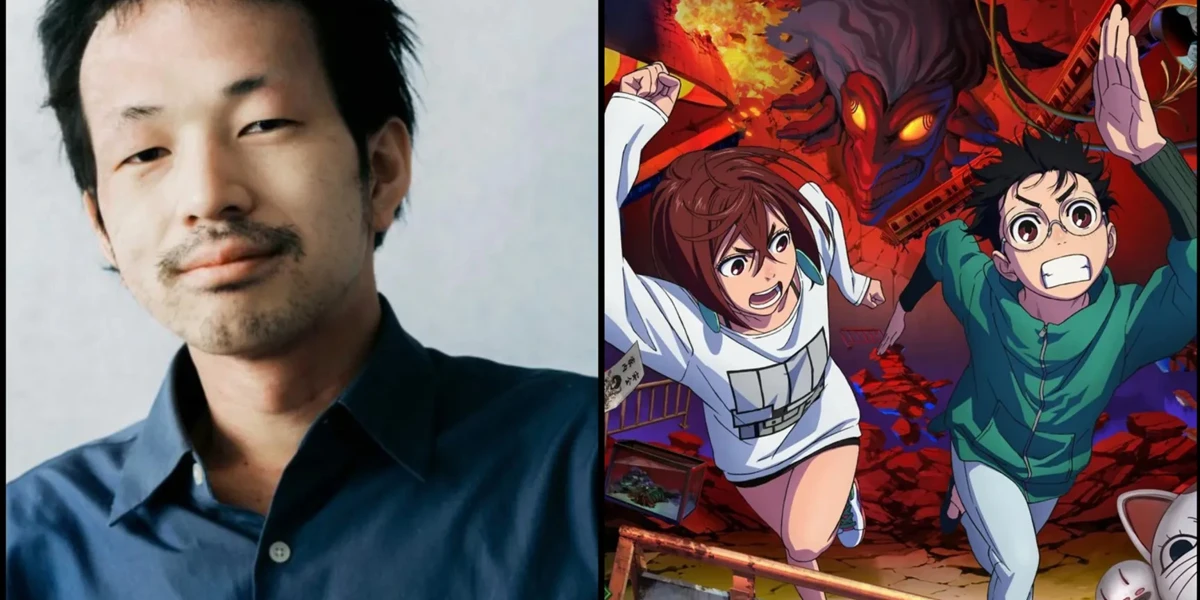
Science SARU helms Dandadan’s adaptation, a powerhouse in Japanese animation renowned for bold creativity and experimentation. Established in 2013 by director Masaaki Yuasa and producer Eunyoung Choi, the studio excels at fusing hand-drawn traditions with digital innovation for unparalleled visuals. Highlights include Devilman Crybaby (2018), revitalizing Go Nagai’s tale with fierce animation and bold palettes, and Ping Pong the Animation (2014), abstractly dissecting sports. For Dandadan, Science SARU treats it as a flagship, per producer Kohei Sakita’s Anime Expo 2024 insights. They leverage their prowess in frenetic action and whimsical supernaturalism.
Beyond animation, Science SARU gathers elite artists using custom tech for explosive sequences, from colossal yokai fights to tender rom-com beats. Amid industry pressures, they poured substantial resources into faithfully rendering Tatsu’s detailed panels into seamless motion. Choosing Science SARU was deliberate. Their track record in honoring sources while innovating (evident in past projects) elevates Dandadan beyond adaptation to cultural gem. Vietnamese audiences access this via iQIYI dubs, highlighting the studio’s frame-by-frame commitment.
Core Creative Team: The Golden Hands Behind Characters and Action
Dandadan’s team merges veteran skill and fresh ideas, spearheaded by director Fūga Yamashiro in his debut lead after assisting on Keep Your Hands Off Eizouken!. Yamashiro’s emotion-driven style made Momo (voiced by Shion Wakayama) and Okarun (Natsuki Hanae) instantly relatable. Turbo Granny is voiced by Mayumi Tanaka. Screenwriter Hiroshi Seko, of Attack on Titan fame, maintained the manga’s brisk tempo. Composer Kensuke Ushio crafted a soundtrack blending high-octane action cues with heartfelt melodies to amplify scenes.
Character designer Naoyuki Onda captured Tatsu’s lively strokes with amplified expressions for emotional depth. Creature designer Yoshimichi Kameda specialized in yokai like Turbo Granny and Serpoians, drawing retro flair from Tsuburaya Productions for a scary-yet-funny vibe. Art director Junichi Higashi oversaw backgrounds, with art designer Seiki Tamura assisting. Color leads Satoshi Hashimoto and Makiho Kondo tailored palettes per arc: shadowy for demons, vibrant for UFOs. This ensured visual pop. As shared in Anime Expo 2024 talks, the group closely consulted Tatsu for accuracy. They crafted entertainment rich in character evolution.
Secrets in the Production Process: Hidden Decisions
A key “secret” to Dandadan’s triumph is the rigorous process recreating Tatsu’s expansive panels. This demanded heavy artistic investment, as producers highlighted at events like Anime Expo 2024. Science SARU applied digital compositing and filters for crisp fidelity. They evolved rough keyframes (genga) to polished animation, like Episode 1’s Momo-Okarun intro with individualized color schemes. Yamashiro, who rarely pre-reads manga, dove deep into Dandadan to seize its action-rom-com frenzy. Creative flourishes in the adaptation, such as a spaceship camouflaged as the moon, amplify the series’ playful logic without derailing the source.
Storyboarding spanned hundreds of hours. Animators posted drafts online to trace concept-to-final progression. Sound design involved Ushio syncing tracks to motion for immersion. For example, in the Cursed House stretch, Turbo Granny’s cackle uses layered effects for eerie laughs. These choices keep fidelity while enhancing the manga and make supernatural icons approachable.
Challenges and Technical Innovations: Balancing Chaos and Perfection
Balancing raw action and slice-of-life proved toughest. Yamashiro cited real urban locales like tunnels and hospitals to amp realism and dread in arcs like Evil Eye. Science SARU pioneered 2D-3D harmony for retro creatures. They retained hand-drawn soul to dodge stiff aesthetics in peers. Kaiju skirmishes employed “limited animation” spotlighting expressions. This fostered arcs from camaraderie to self-discovery, such as Okarun taming his curse.
Compositing advances spotlighted UFO-demon contrasts, yielding jaw-dropping effects in Serpoians clashes. Veteran animators surmounted these. They positioned Dandadan as experimental anime benchmark.
Analysis of Main Arcs Through Animation Lens: From Cursed House to Evil Eye
Delve into core arcs via animation to see studio elevation of the plot. Each is refined to echo manga’s pulse. Cursed House Arc (Season 2, Episodes ~13–16) opens humorous horror with Turbo Granny’s dashes (urban yokai-inspired) in haunted pursuits. Yamashiro’s shadow play and audio sync build suspense. They frame the “golden testicles” curse as comedic-tragic, spurring Okarun’s shift from shy to heroic.
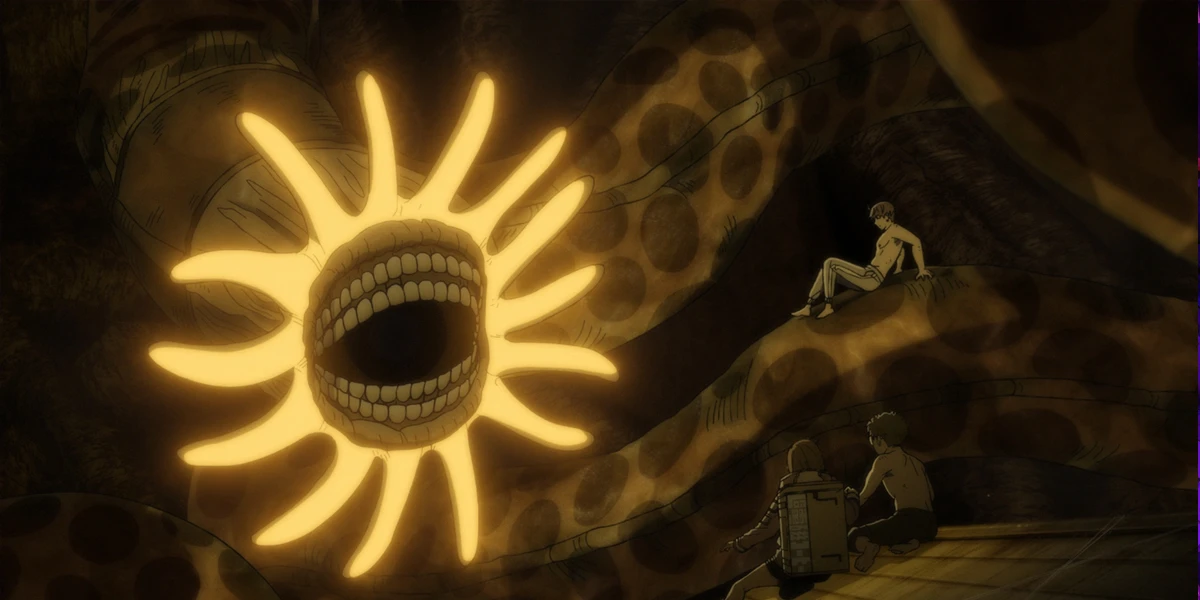
UFO Arc (Season 1, Episodes 5–8) renders Serpoians in retro sci-fi. Subtle CGI handles the moon-disguised ship as a showy set piece. Layered battles pit Momo’s psychics against tech. Compositing evokes cosmic turmoil. Evil Eye Arc unfolds in Season 2 (from Episode 14 onward, mid-2025). Kameda’s grotesque designs with meticulous frame animation trace emotional turmoil. They probe identity supernaturally amid volcanic threats and possessions. These not only adapt but enrich via subplots, heightening Momo-Okarun bonds for engagement.
Season 2’s Kaiju Arc escalates with hybrid tech for drama-action poise. This illustrates long-form adaptation prowess. This lens underscores animation’s narrative and distinguishing role in shonen.
Future Updates and Legacy: The Continuing Journey
Season 2 ran July 4 to September 19, 2025, probing Kaiju and Evil Eye with dazzling action trailers. Season 3, announced post-finale, expands the universe anew. Dandadan’s legacy advances experimental anime. It invites fans to original manga and kin works.
Conclusion: Secrets Behind a Masterpiece
Science SARU’s backstage “secrets” forged Dandadan into an icon. They fuse innovation and loyalty for timeless draw. Share favorite moments or track updates to join the ride. If Dandadan captivates, browse the Dandadan anime shirts at Inkrare.
