
No products in the cart.
Movies & TV Series
What is the Movie Black Bag About? A Detailed Summary and Explanation
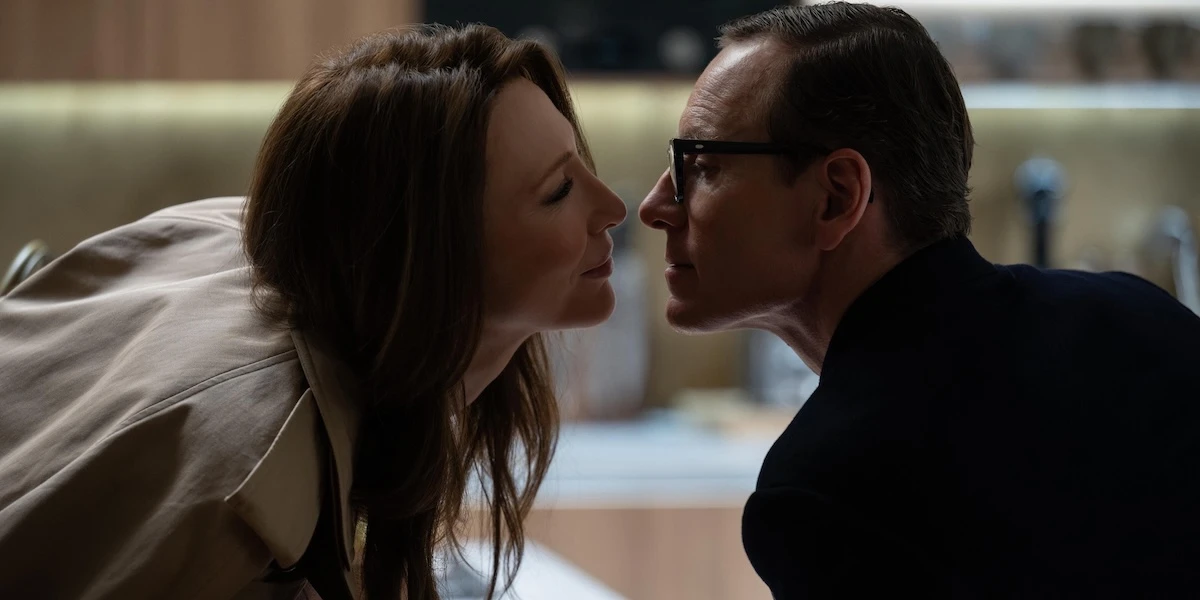
Black Bag is an engaging spy film released in 2025, directed by Steven Soderbergh, focusing on the secretive world of intelligence and the challenges to loyalty in marriage. The movie revolves around the spy couple George and Kathryn St. Jean, where national duty clashes directly with their personal relationship, creating a subtle thriller rather than the usual bombastic action. With Michael Fassbender and Cate Blanchett in the lead roles, Black Bag stands out thanks to David Koepp’s sharp script, blending psychological suspense with everyday drama. If you are searching for underrated American movies that are high quality, Black Bag is a true hidden gem worth exploring, and you can learn more about similar works in the article on underrated American movies: hidden gems. This piece will provide a detailed spoiler-free summary first, then delve into an explanation of the core elements, helping you better understand the film’s content and messages.
Summary of Black Bag’s Plot (No Spoilers)
Black Bag is set in modern-day London, where George Woodhouse, a British intelligence officer working at the National Cyber Security Centre (NCSC), is assigned an urgent mission following a major security breach. The secret software known as Severus, a tool capable of triggering a global nuclear disaster by interfering with reactor systems, has been leaked, and George must investigate within one week to prevent threats from hostile forces, possibly linked to Russia amid the Ukraine war. The list of suspects includes his closest colleagues, and surprisingly, his wife Kathryn St. Jean, also a top agent, is among them.
The story unfolds mainly through family dinners and casual conversations, where George uses his intellect and psychological tactics to probe the secrets of those around him. The atmosphere builds subtle tension through sharp dialogue and mundane moments like preparing meals or bedtime talks, interspersed with technological elements such as satellite tracking and secret Zurich bank accounts. The film avoids chase scenes or gunfire spectacles, instead emphasizing paranoia, the fear of betrayal, spreading among the group of colleagues, including characters like Arthur Stieglitz (the NCSC director), Freddie Smalls, Clarissa Dubose, James Stokes, and Dr. Zoe Vaughan (the staff psychiatrist).
George faces a tough choice: loyalty to his country or his marriage, while Kathryn St. Jean, an intelligent and alluring woman, seems always one step ahead. The dinners turn into “games” of challenge, where everyone reveals personal secrets through clever questions, creating dry humor mixed with suspense. Severus is not just a technical tool but symbolizes the fragility of global security, where information can shift the balance of war. Overall, Black Bag is a concise 93-94 minute film packed with details, reminiscent of classic spy works like John le Carré’s Tinker Tailor Soldier Spy, but with a modern take on cyber threats and personal relationships. This summary gives you a basic overview without revealing the main twists; the next section will explain in more detail, with a spoiler warning.
Detailed Explanation of the Plot and Key Twists (Spoiler Warning)
Warning: This section contains major spoilers about Black Bag’s storyline and ending. If you haven’t seen the film, stop here to avoid ruining the experience.
Starting from the opening, the film quickly establishes the conflict when George pressures Clarissa to briefly redirect a spy satellite; during that window, a Russian dissident vanishes from a Liechtenstein safehouse with Severus, software that can cause a nuclear reactor meltdown in Russia, leading to global catastrophe. George, played by Michael Fassbender, is given one week by his superior Philip Meacham (Gustaf Skarsgård) to investigate the leak, with a suspect list limited to five people: Kathryn St. Jean (his wife), Freddie Smalls (his close friend and case officer), Clarissa Dubose (satellite imagery specialist and Freddie’s girlfriend), James Stokes (counterintelligence officer), and Dr. Zoe Vaughan (the agency’s staff psychiatrist and James’s girlfriend). George decides to host the first dinner at home, where he secretly drugs the food and drinks to lower everyone’s inhibitions, leading to initial revelations: Freddie confesses to cheating on Clarissa with Zoe, Clarissa reacts by stabbing Freddie’s hand with a steak knife, and James and Zoe reveal they have broken up but continue working together.
As the plot develops, George tracks Kathryn St. Jean to Switzerland, where she meets a Russian dissident named Andrei Kulikov, and he discovers her Zurich bank account holds 7 million pounds, a suspicious sum. Meanwhile, Zoe conducts therapy sessions with Kathryn St. Jean, questioning her priorities between career and marriage, making Kathryn anxious about her financial future and memories of her mother. In a subsequent session, Zoe breaks up with James. The first twist emerges when George suspects the whole incident is a setup: Arthur Stieglitz (Pierce Brosnan, the NCSC head) and James may be using Severus to trigger a meltdown in Russia, forcing Russia to withdraw from Ukraine and end the war, but they need a “traitor” to cover it up. George and Kathryn St. Jean quickly form a covert alliance, with Kathryn smiling slyly as she prepares the second dinner, showing she anticipated her husband’s plan.
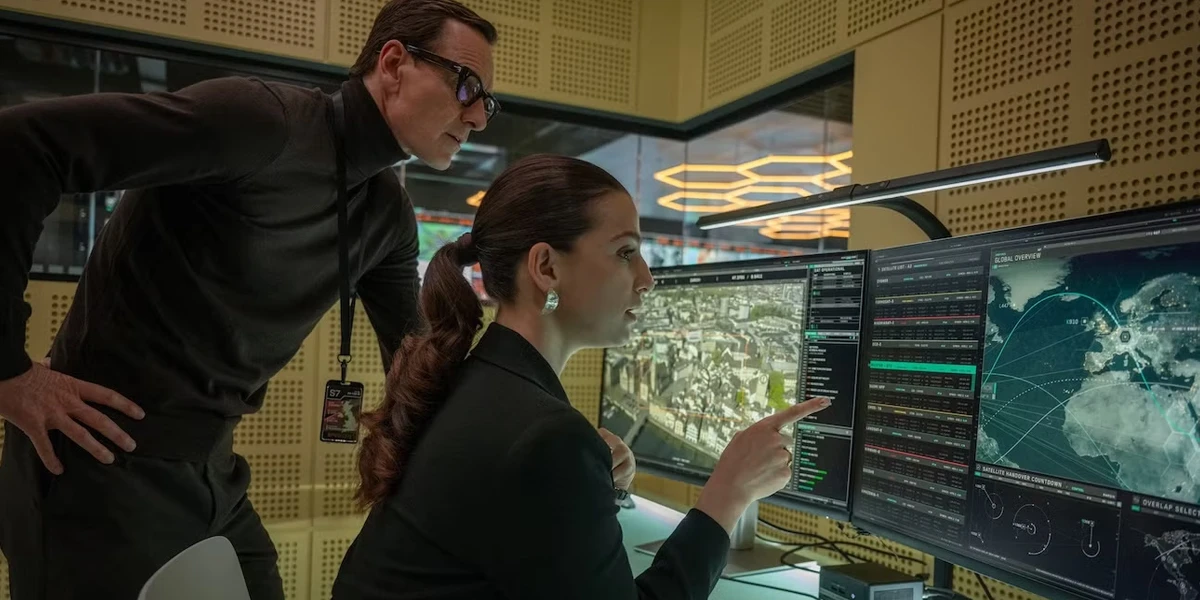
That same evening, Meacham dies of a heart attack while drinking at home. George subjects all suspects except Kathryn St. Jean to a polygraph test to determine who is behind the leak. Clarissa tells Freddie, with whom she has reconciled, about her involvement in redirecting a satellite for George, and Freddie secretly warns Kathryn that George suspects her. In bed that night, the couple compare notes and realize they are being set up. Kathryn St. Jean uses Clarissa to track the Russian dissidents, suspecting Stieglitz deliberately leaked Severus to cause a nuclear meltdown and destabilize the Russian government, even though it would kill thousands of innocent people. She leaks the expat Russians’ location to a CIA contact, resulting in a drone strike that kills them as they travel through Poland.
The climax occurs at the second dinner, where George places a gun on the table as a “who is the traitor” game, combined with hidden cameras to record reactions. Instead of serving dinner, Kathryn St. Jean places a gun on the table while George announces they will play a game in which he asks each of them a single question. His questions reveal several secrets, including that Freddie and Zoe had an affair, and that Zoe learned of the Severus program from James and attempted to stop its dissemination due to her Catholic faith. George states that there were two plots: one by Stieglitz and James to leak Severus and cause a nuclear meltdown to destabilize the incumbent Russian government and end the war in Ukraine, and another by Zoe and Freddie to use Kathryn St. Jean to stop it. James grabs the gun, confesses to plotting with Stieglitz and killing Meacham, and fires at George twice. However, the gun is loaded with blanks. Kathryn St. Jean pulls a gun from her bag and kills James, after which she firmly warns the remaining colleagues to never exploit her and George’s mutual fidelity again. George dumps James’s body in a lake. Kathryn St. Jean informs Stieglitz that his plot failed and suggests he remove himself from his position. She and George reaffirm their love for each other. At Kathryn’s questioning, George reveals that the Zurich bank account containing 7 million pounds is still untouched.
The twists are explained through a psychological lens: the dinners act as a “polygraph of the heart,” where daily deception in the spy profession mirrors personal relationships, but George and Kathryn St. Jean overcome it through mutual trust. Soderbergh employs wide-angle shots and soft-focus to heighten paranoia, making the audience doubt each character just like George. Overall, the plot is straightforward yet clever, avoiding unnecessary length and flipping expectations from the trailer, where the couple seems opposed, into a story of unity.
Character Analysis and Performances
George Woodhouse, portrayed by Michael Fassbender, is the film’s center, a calm spy who relies on intellect over violence to investigate. Fassbender brings inner depth, showing the conflict between his love for Kathryn St. Jean and national duty through anxious glances and a steady voice, especially in the scene where he tracks his wife yet maintains warmth in their marriage. This character represents the “grown-up spy,” mature and not a James Bond-style hero, but a man balancing personal life with dangerous work.
Kathryn St. Jean, with Cate Blanchett in the role, is a strong and mysterious female character, often one step ahead of George thanks to her sharp intelligence. Blanchett shines in the final action scenes, like when she shoots James, asserting female empowerment in the male-dominated spy world, while keeping her allure through sly smiles and witty dialogue. Her relationship with George is depicted as warm and non-toxic, a testament to love overcoming deception, with everyday scenes like preparing dinner emphasizing their bond.
The supporting characters add complexity to the plot: Arthur Stieglitz (Pierce Brosnan) is the ambitious antagonist, prioritizing the “greater good” of the nation over personal ethics, with Brosnan bringing charisma from his old James Bond role but darker. Clarissa Dubose (Marisa Abela) and Freddie Smalls (Tom Burke) represent fragility in relationships, with Abela standing out in her explosive reaction to discovering the affair, showing vulnerability among professional deceivers. James Stokes (Regé-Jean Page) and Dr. Zoe Vaughan (Naomie Harris) illustrate collapse when selfishness dominates, with Harris adding depth to the psychiatrist-lover role through scheming therapy sessions.
Overall, the cast creates natural chemistry, with Fassbender and Blanchett lighting up the screen through everyday interactions, highlighting the theme of trust among those living in shadows. The performances not only support the plot but deepen the message about deception in relationships, prompting audiences to reflect on true loyalty. For a deeper exploration of each character’s arcs, motivations, and how the actors bring them to life, check our detailed cast analysis.
Main Themes and Messages of Black Bag
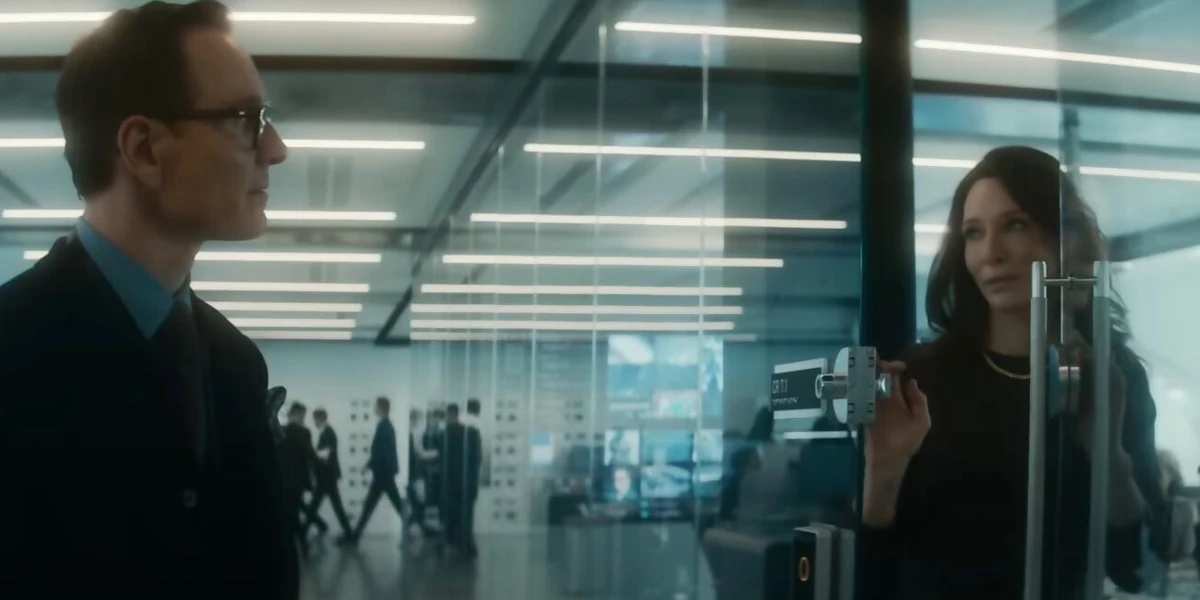
The core theme of Black Bag is the conflict between personal loyalty and national duty, where George and Kathryn St. Jean must choose between marriage and their spy careers. The film explores how Severus, a symbol of information power, exposes this tension, as Arthur Stieglitz and James are willing to sacrifice individuals to “save” the world, but the main couple prioritizes each other, proving love is the greatest strength amid paranoia. This message is emphasized in the ending, where they keep their secrets, suggesting that in a world full of deception, mutual trust is rare and valuable.
Another theme is deception in relationships, with every character using lies as a survival tool, but the film asserts that true intimacy requires a level of honesty, as seen in how George and Kathryn St. Jean “lockstep” from the start, unlike the envy and betrayal of their colleagues. Soderbergh compares the film to an “espionage version of Who’s Afraid of Virginia Woolf?”, focusing on psychological drama over action, reflecting how spy work invades private life.
In a modern context, Black Bag mirrors cyber threats and post-Ukraine war paranoia, where information can spark conflict, but the evergreen message is this: in the digital age, loyalty is not to country or job, but to loved ones. The film remains neutral, based on evidence from the twists, encouraging viewers to think about trust in daily life.
Production, Reviews, and Why Black Bag is a Hidden Gem
Regarding production, Steven Soderbergh handles cinematography under the pseudonym Peter Andrews and editing under Mary Ann Bernard, with a script by David Koepp (who wrote Jurassic Park), filmed mainly in London and at Pinewood Studios on a modest budget but with clean visuals, using bold colors and fast editing to build suspense. The film is distributed by Focus Features, released theatrically in France on March 12, 2025, and in the United States on March 14, 2025, with digital purchase/rental available April 1, 2025, and subscription streaming on Peacock from May 2, 2025.
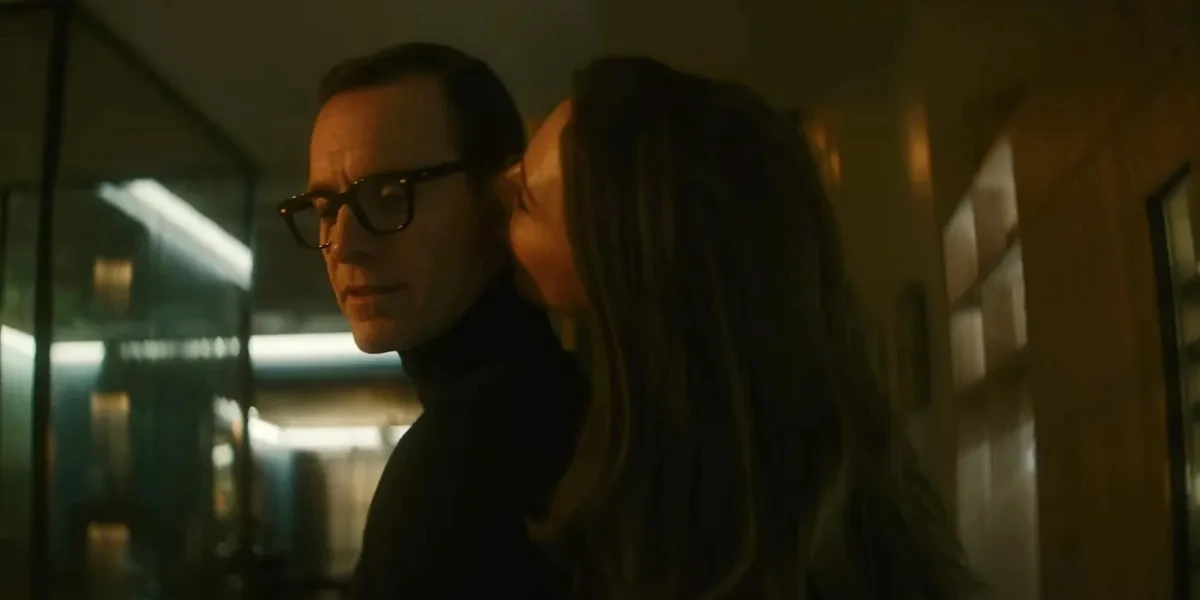
Critic reviews are very positive: 96% on Rotten Tomatoes (based on approximately 290 reviews, average 8.1/10), earning Certified Fresh status with praise for its sleek style and dry humor, allowing Blanchett and Fassbender to shine. Metacritic scores it 85/100 (based on 53 reviews), lauding its suspenseful and witty nature, though some criticize it as “boring” for action fans. Monica Castillo of RogerEbert.com awarded it a perfect 4 out of 4 stars, describing it as a smart, sexy spy thriller fought mostly over dialogue and praising Soderbergh’s direction for its svelte piece of entertainment that feels both vintage and timely. While the film grossed about $42-43 million worldwide, falling below its estimated $50 million budget, Soderbergh expressed frustration with the box office performance, noting concerns for mid-level, star-driven movies.
Black Bag is a hidden gem because it was overshadowed by 2025’s blockbusters, but it excels as an intelligent spy thriller, ideal for pop culture fans who prefer psychological depth over surface entertainment. With Soderbergh’s mastery, it offers a reflective experience on trust, making it worth rewatching for subtle details.
Conclusion
Black Bag is more than a standard spy film; it is a testament to the power of psychological drama in the thriller genre, with profound messages about loyalty and love in a world of secrets. Through the outstanding performances of Fassbender and Blanchett, along with clever twists, the movie encourages audiences to consider the balance between individual and collective, making it a true hidden gem of 2025. If you enjoy spy motifs and pop culture, explore the movie tees collection for designs inspired by similar themes. Watch Black Bag to experience a story where love triumphs over paranoia, and share your thoughts on the film.
