
No products in the cart.
Games
SWTOR Classes Ranked: Best Storylines from Worst to Best
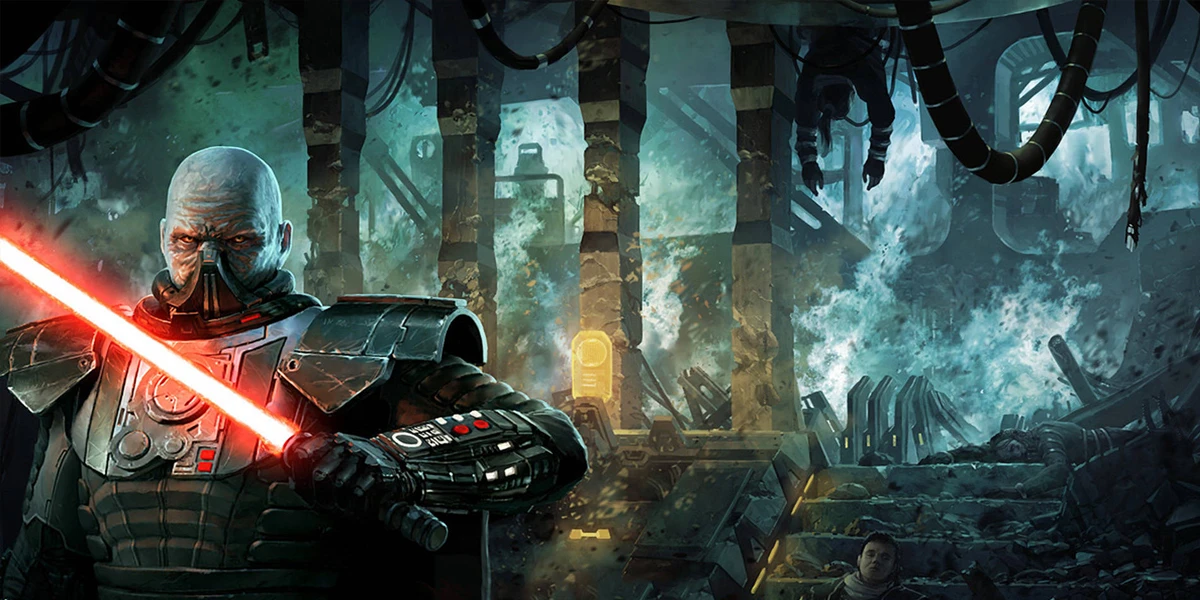
Star Wars: The Old Republic (SWTOR) is an MMORPG set in the Star Wars universe thousands of years before the events of A New Hope. The game offers eight class stories split between the Republic and the Empire. Republic players can choose Jedi Knight, Jedi Consular, Trooper, or Smuggler. Empire players can choose Sith Warrior, Sith Inquisitor, Imperial Agent, or Bounty Hunter. Each class has its own distinct storyline, companions, and role in the wider Old Republic era.
This guide ranks the class stories from least compelling to most compelling, based on narrative quality rather than combat power. The goal is to help you pick a first playthrough, or decide what to replay next, depending on whether you want classic hero stakes, political drama, dark side ambition, or a grounded military arc. The criteria focus on story depth, pacing, character growth, meaningful choices, emotional payoff, and how well the class fantasy stays consistent across the journey.
For a companion piece on lore focused characters, see SWTOR Best Characters Ranked by Lore. Classes are where many of those iconic moments land best, because the story is built around your decisions. We rank from position 8 (least compelling) to 1 (most compelling). Each entry highlights the core premise, standout strengths, and the main reasons it lands where it does.
SWTOR Classes Ranked: From Worst to Best Storylines
This ranking is built from in game story beats, publicly known lore, and commonly repeated community impressions. It prioritizes classes with clear motivations, strong arcs, memorable twists, and choices that feel meaningful. Later story chapters and expansions can add context for every class, but the placement here is anchored in the core class storyline experience and how well it delivers as a self contained narrative.
8. Trooper: A Straightforward Military Plot
The Trooper follows an elite Republic soldier tied to Havoc Squad. The story leans on missions, chain of command tension, and the idea of rebuilding after betrayal. Its best moments come from squad dynamics and ethics based choices, where you decide how strict, compassionate, or pragmatic your commander becomes. The companion mix supports the military tone and keeps the plot grounded.
What holds it back is predictability. The structure often feels like a clean sequence of operations, and the emotional peaks can be smaller than classes that tap into Force mythology or shadow politics. Many players like it as an accessible entry point, but it rarely surprises, and it can feel like it sits beside the grander Jedi and Sith conflicts rather than reshaping them.

7. Smuggler: Big Personality, Smaller Stakes
The Smuggler story is built on banter, hustles, and underworld chaos. It works best when you want a lighter tone, fast dialogue options, and a rogue style identity that can swing between charming and ruthless. The companion chemistry and the ability to roleplay as a scoundrel with a personal code are strong reasons to play it.
Its main weakness is scale. Even when the stakes rise, it can still feel like a side lane compared to class stories that are anchored in the core ideological war of the era. If you value humor, swagger, and a criminal world lens, it can be a favorite. If you are chasing heavy lore weight and galaxy shaping moments, it often lands lower.

6. Jedi Consular: Thoughtful Lore, Slower Rhythm
The Jedi Consular leans into the scholar diplomat fantasy. It spends more time on investigation, alliances, and Jedi philosophy than on constant confrontation. When it clicks, it feels like a deeper dive into what Jedi leadership and responsibility look like in a messy political war. The class identity stays consistent, and the story rewards patience with a more cerebral tone.
The drawback is pacing. Some stretches can feel dialogue heavy and methodical, especially for players who want a faster ramp of action and dramatic turns. Many fans still rate it as a lore rich experience, but it is best for readers who enjoy diplomacy, ethical tradeoffs, and a calmer Jedi approach.

5. Bounty Hunter: Freedom, Honor, and Clean Momentum
The Bounty Hunter delivers a non Force power fantasy with strong forward motion. It tends to feel focused, with clear goals, a competitive identity, and room for roleplay between ruthless professionalism and personal honor. The companion mix helps humanize the hunter life, and the class often keeps a fun, confident tone even when danger spikes.
It lands in the middle because the emotional ceiling can be lower than the top tier stories. It is satisfying, it has twists, and it can be surprisingly personal, but it does not always reach the same depth of internal conflict or ideological stakes as the best Jedi and Sith arcs.

4. Sith Inquisitor: Ambition, Horror Flavor, and Power Climb
The Sith Inquisitor is a rise story, built on survival, cunning, and a hunger for power. It stands out by leaning into ancient Sith themes, rituals, and a darker sense of mystery. The fantasy of starting as an underestimated outsider and climbing into real influence is a major hook, and the tone can feel uniquely eerie compared to other classes.
Its weakness is that the chaos and intensity can overwhelm nuance for some players. When you want a bold dark side arc with supernatural flavor, it performs very well. When you want subtle political maneuvering or a cleaner moral lens, it can feel more extreme and less balanced.

3. Jedi Knight: The Iconic Star Wars Hero Lane
The Jedi Knight is the most classic Star Wars experience in the class lineup. It follows a direct heroic arc, with high stakes conflict, clear villain pressure, and a strong sense of destiny. If you want the fantasy of being the center of a cinematic saga, this is the most reliable pick. Companion bonds also support the classic tone, mixing loyalty, romance potential, and moments of doubt.
The downside is familiarity. It uses recognizable hero beats, so players who want surprises and moral gray turns might find it more predictable than the top two. Still, it is consistently engaging, and it delivers the core Star Wars feeling cleanly.

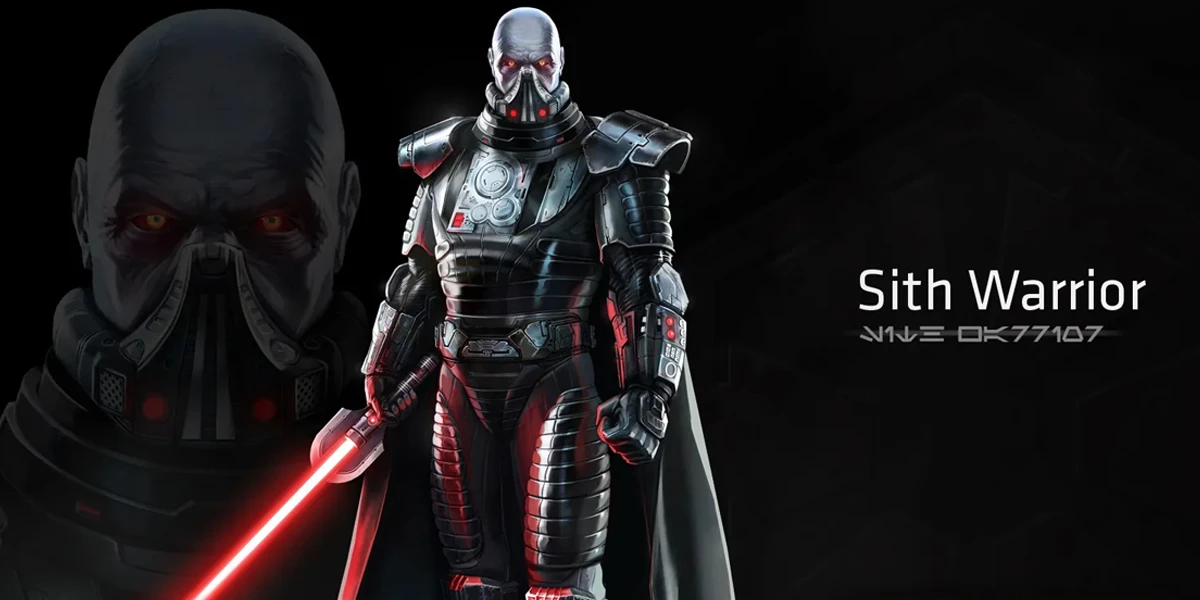
2. Sith Warrior: Power Politics and Personal Betrayal
The Sith Warrior is strong because it mixes intimidation, loyalty tests, and internal Empire politics in a way that feels personal. The arc often keeps a tight focus on domination, manipulation, and the price of being a weapon for a bigger machine. The story also supports two distinct roleplay lanes, one driven by raw rage, the other by controlled pragmatism, and the choices can feel weighty.
It ranks near the top due to consistent tension and payoff. Even when sections repeat a familiar Sith pattern, the character relationships and betrayals keep it sharp. For many players, it is the best Imperial drama if you want both scale and emotional punch.
1. Imperial Agent: The Best Spy Thriller Story
The Imperial Agent often earns the top spot because it feels like a tight thriller with real paranoia and branching identity. It blends deception, double games, and moral ambiguity in a way that rewards careful choices. The class fantasy stays sharp, you are not just watching politics, you are operating inside it. The story also tends to respect player agency more strongly, with endings that can feel meaningfully different depending on your approach.
It is not for everyone. If you dislike stealth themed pacing or prefer Force mythology, another class may hit harder. But as a narrative experience, it is widely viewed as the most layered, replayable, and surprising class story in SWTOR.

What Makes SWTOR Class Stories Stand Out?
SWTOR class stories stand out because they are written as personal arcs, not just a shared campaign. Light side and dark side choices change how scenes play out, how companions react, and how you interpret your character. Even when later story chapters bring everyone toward a shared threat, each class still carries a distinct voice and motivation that shapes the experience.
Replay value stays high because the tone changes dramatically by class. Jedi stories lean into belief and restraint, Sith stories lean into ambition and control, and the non Force classes explore loyalty, profit, survival, and espionage. Some paths are faster and more action driven, while others are slower and more political, which is why the best class for you depends on what kind of story you want, not on a universal tier list.
Companions and Story Connections
Each class begins with its own companion lineup, and those relationships add weight to the main plot through loyalty, conflict, and personal quests. Choices often reshape how you see your allies, and in some cases, how your character grows across the journey. Later story chapters can also bring returning faces back into your orbit, which makes early decisions feel more important when you revisit the game with a different class.
If you care about narrative payoff, pay attention to companion dialogue and class specific scenes, since those moments are where SWTOR feels most like a BioWare story. They are also the easiest place to notice how two playthroughs can feel very different even when they visit similar locations.
Conclusion
This ranking highlights how varied SWTOR storytelling can be, from the Imperial Agent spy thriller at the top, to the Sith Warrior power drama, to the Jedi Knight classic hero arc. Use it as a narrative guide, not a rule, because the best class story is ultimately the one that matches your preferred tone and roleplay style.
If you also like to wear your fandom, explore the Star Wars graphic t-shirts collection. SWTOR is more than an MMO, it is a long form chapter of the Old Republic era that rewards deep play and repeat runs.
