
No products in the cart.
Anime
Underrated Dragon Ball Characters Who Quietly Carry The Story
When All The Spotlight Goes To The Saiyans
In most people’s memories, Dragon Ball is tied to a few very specific images: Goku with golden spiky hair, Vegeta gritting his teeth, transformations with new colors every arc, and fusions like Gogeta or Vegito. Online memes revolve around the same small set of faces, from “Goku solos the verse” to “Vegeta loses again.”
But if you have ever taken the time to really rewatch Dragon Ball, not half watching while scrolling your phone, but actually paying attention, you start to notice something funny. A lot of the most emotional moments and some of the biggest turning points in the series do not come from the guys on the posters.
There are underrated Dragon Ball characters the fandom often labels as “weak,” “side characters,” or people who are “just there to fill the roster.” They rarely get cover art. They do not get a new form every few episodes. They are almost never the one to land the final punch. Yet if you try to erase them from the story in your head, huge pieces of Dragon Ball start to fall apart.
This article is a very late thank you letter to characters like that. Not a power ranking, not a list of who can beat who, but a look at the Dragon Ball characters who are underrated and quietly carry the story, themes, and emotions from the original Dragon Ball, through Z, all the way to Super.
What “Underrated” Really Means In Dragon Ball
Before we start throwing the word around, it helps to agree on what “underrated” means in the context of Dragon Ball. Here it is not just “a character you like but everyone else hates.” It is more specific than that.
In this article, an underrated character is someone who:
- Does not come up often in debates about the strongest or coolest characters.
- Is frequently turned into a meme, a punchline, or treated as if they exist just to die or lose.
- Yet, from a story and emotional perspective, has a role that is so important that removing them would leave a visible hole in the narrative.
The Dragon Ball fandom, for years, has had a habit of measuring everything by power level and transformations. Whoever gets the new hair color, the new aura, the new ultimate move, is automatically “top tier.”
This article forces itself to look at Dragon Ball in another way. Who keeps the story from collapsing. Who carries the emotional weight. Who makes this world feel deep and human, even if they never get silver hair or a god form.
And if you break the journey into three big eras – the original Dragon Ball, Dragon Ball Z, and Dragon Ball Super – you will find that each era has its own set of “B tier” heroes quietly doing heavy lifting.
The Original Dragon Ball Era When Things Were Small And Easy To Miss
For a lot of casual viewers, the original Dragon Ball is “the part where kid Goku runs around doing silly adventures.” But that early era is where a lot of the foundation for the entire franchise was laid down. That did not happen because of Goku alone.
Bulma – The Tech Genius Who Started The Whole Journey
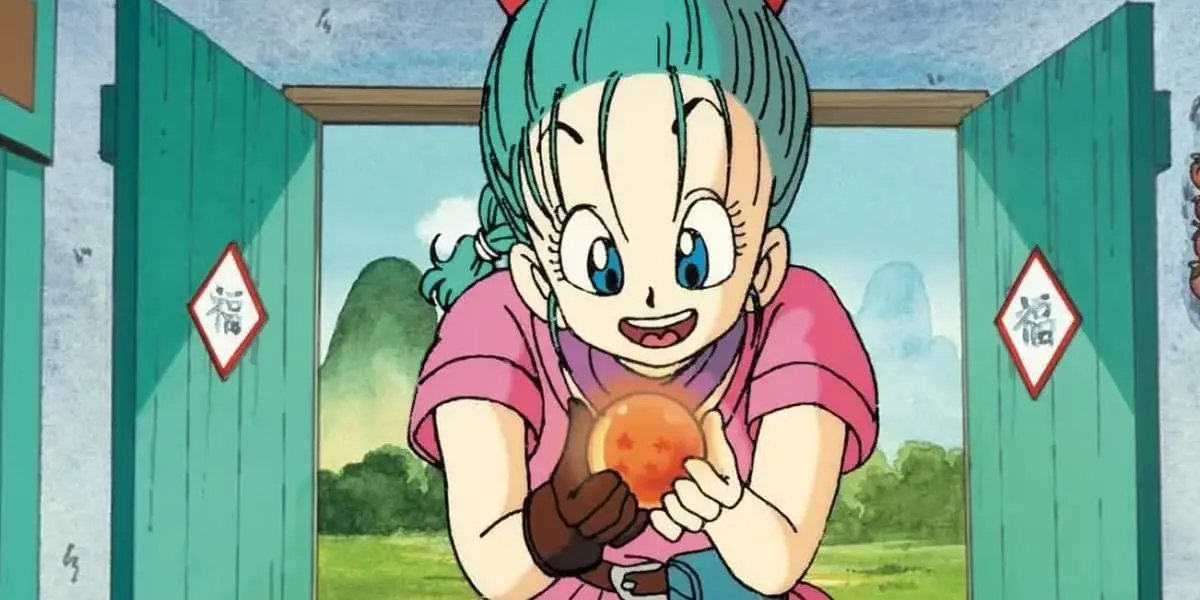
Bulma is one of the most unfairly treated characters in the entire series. When people talk about her, many only remember “Vegeta’s loud wife” or the comedic moments in Z and Super. If you go back to the original Dragon Ball though, you see a very different picture.
Bulma is the one who:
- Invents the Dragon Radar, turning the legend of the Dragon Balls into a concrete, doable quest.
- Pulls Goku off his mountain and drags him into the wider world.
- Provides almost every gadget, vehicle, and tech solution whenever the group gets stuck.
If you remove Bulma from the story, Dragon Ball never kicks off. There is no Dragon Ball hunt, no road trip, no early group of friends, no groundwork for things like the time machine or all the tech that supports later battles.
Bulma is underrated not because fans hate her, but because the way the series and fan culture talk about her often stops at “the nagging wife.” In reality, from a plot perspective, she is one of the most important characters from start to finish.
Master Roshi – Not Just The Perverted Old Man
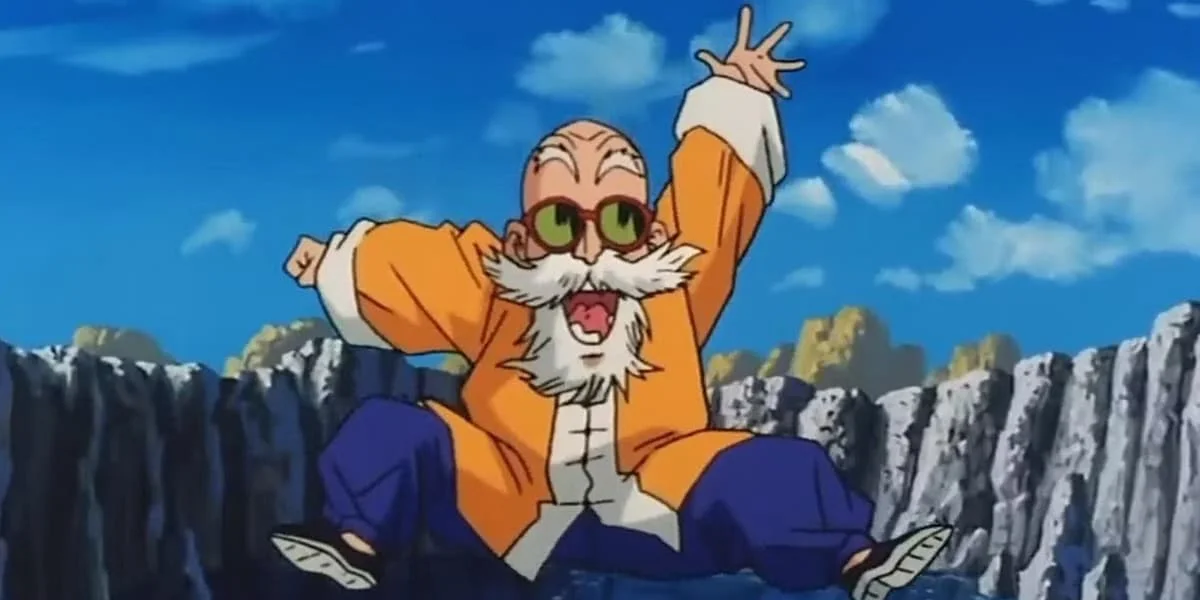
Master Roshi is the perfect example of a character whose own jokes end up burying his depth. On the surface, he really is a pervy old man, responsible for a lot of scenes that age badly and a huge chunk of early comedy.
If you stop there though, you miss almost everything “master” about Master Roshi.
In the original Dragon Ball, Roshi is:
- The first real martial arts teacher for Goku and Krillin.
- The one who designs training that looks ridiculous on paper, but forges stamina, discipline, and character all at once.
- The voice that keeps repeating that strength without responsibility is nothing to be proud of.
A lot of how Goku approaches power, fights, and even his enemies comes from the values Roshi throws into the story early on. Dragon Ball later escalates everything to cosmic levels, but the core idea that a fighter should be more than a fist comes from this old man in sunglasses and a turtle shell.
If you rewatch the original Dragon Ball and manage to look past the fan service, Roshi becomes one of the most useful characters in the series. He carries a chunk of the “human” philosophy inside a story that could have easily turned into nothing but screaming and explosions.
Tien And Chiaotzu – From Enemies To Principled Allies
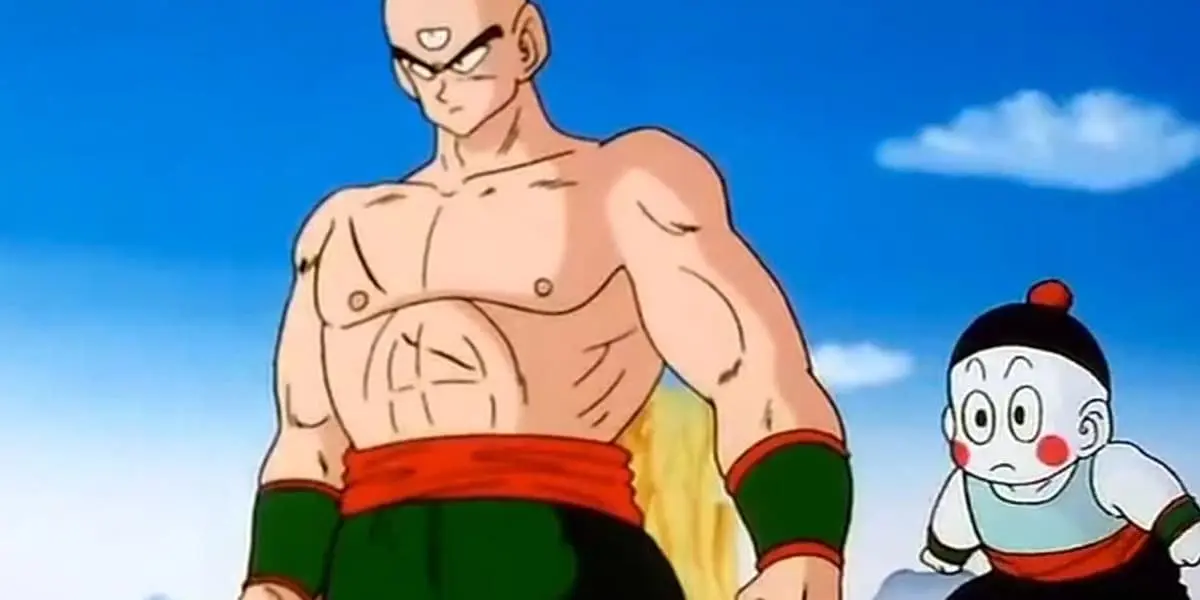
Before he became “one of the guys who show up just to fill out the Z fighter lineup,” Tien was a very serious antagonist. Early on, Tien and Chiaotzu stand on the opposite side, representing a style of martial arts built on assassination, tricks, and a completely different value system from Goku’s.
What many people overlook is that:
- Tien goes through one of the rare real internal journeys in early Dragon Ball, questioning his roots and choosing to change his path.
- He is one of the clearest examples of a character deciding to become a just fighter instead of a tool for darker purposes.
From the original Dragon Ball into Z and even Super, Tien slowly gets pushed to the margins. If you go back to his beginnings though, he was a serious threat and a strong example of the theme that people can change if they are willing to confront who they used to be.
The Dragon Ball Z Era When The B Tier Kept The Feelings Alive
Dragon Ball Z is where things explode. The scale jumps to planets and galaxies, power levels go off the charts, and Saiyans dominate the conversation. This is also when many “B tier” characters begin to look like background decorations next to Goku and Vegeta. Ironically, it is also where they carry some of the heaviest emotional weight.
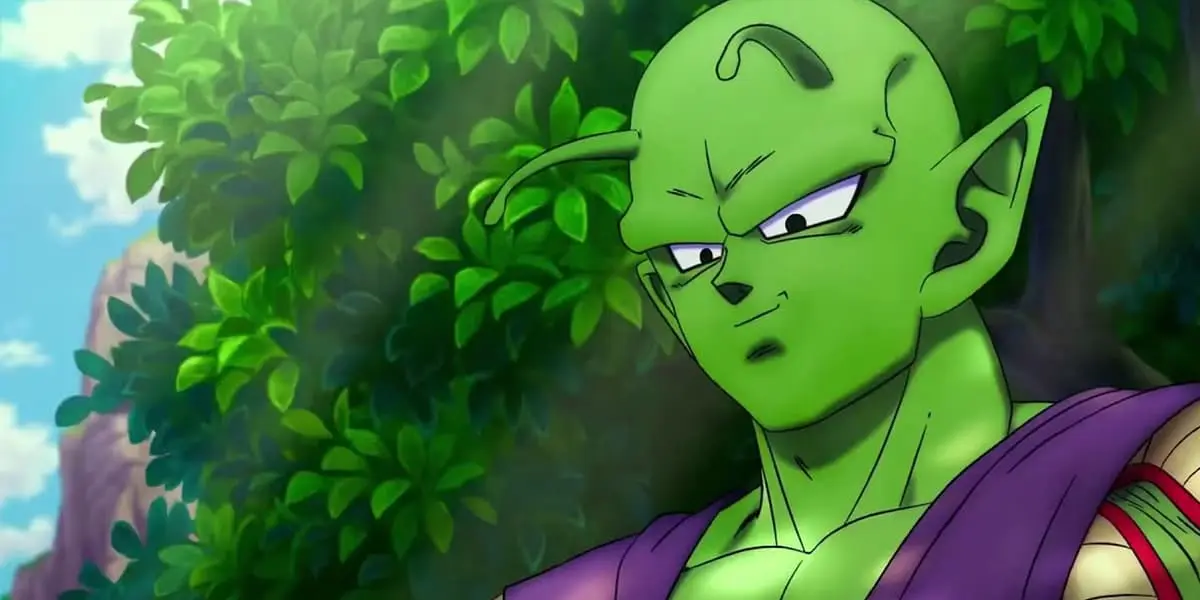
Piccolo – The Second Father And Emotional Backbone
Piccolo is a character who earns more respect the older you get. He starts as a villain at the end of the original Dragon Ball, but in Z, he turns into the only one who really trains Gohan to become a fighter, then gradually becomes a father figure that Goku never quite manages to be.
Moments like:
- Throwing himself in front of Nappa’s attack to protect Gohan.
- Quietly watching Gohan struggle with fear and anger, then choosing a hard way of training him because he sees potential.
- Standing behind Gohan in crucial battles, not stealing the spotlight but pushing him forward.
are the bricks that build one of the core relationships in Z. Without Piccolo, Gohan is just a weaker copy of Goku. With Piccolo, Gohan becomes a different kind of hero, with more inner conflict, a clearer moral line, and a unique identity.
Piccolo is underrated not only because he does not get flashy new forms all the time, but because the spotlight is almost always aimed at Goku and Vegeta. If you rewatch Z and pay attention to his expressions, his small choices, and his interactions with Gohan, you realize he is a major part of what keeps Dragon Ball grounded in something more than power escalation.
Krillin – The Danger Meter And The Human Heart
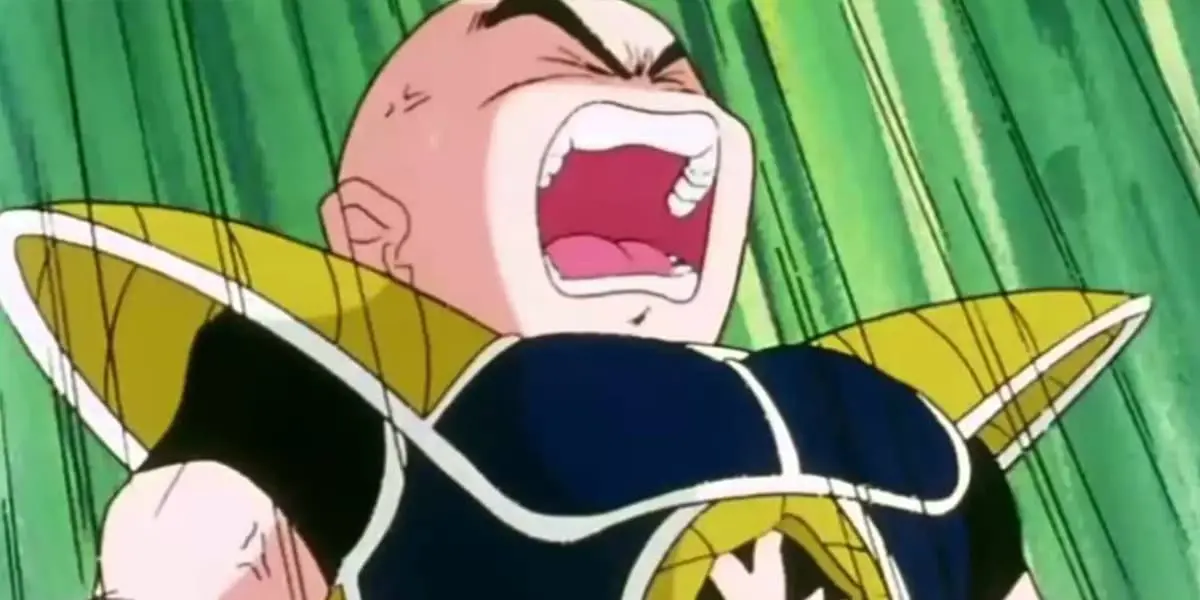
Krillin is often treated as a walking joke. Fans call him weak, laugh about how often he dies, and turn him into a shorthand for “outclassed.” Under all of that, he plays two crucial roles.
- The danger meter: when Krillin is terrified, when he decides to back off, the viewer understands the threat has gone beyond a normal fight. He is the window that lets ordinary people feel how bad things have gotten.
- The human heart: Krillin is one of the few who retain the perspective of a non Saiyan. He is scared, he hesitates, he makes mistakes, but he keeps coming back when it matters.
His death at the hands of Frieza is not just a cheap trigger for Super Saiyan. It is the moment when the audience loses a friend they have been traveling with since kid Goku’s early days.
Krillin is underrated because his strength cannot keep up with the Saiyans, but if you remove him, Dragon Ball loses something important. You lose the sense that there are normal people caught up in god level battles, still trying to run alongside the gods even though they know they will never truly catch up.
Yamcha – From Street Fighter To Meme Icon
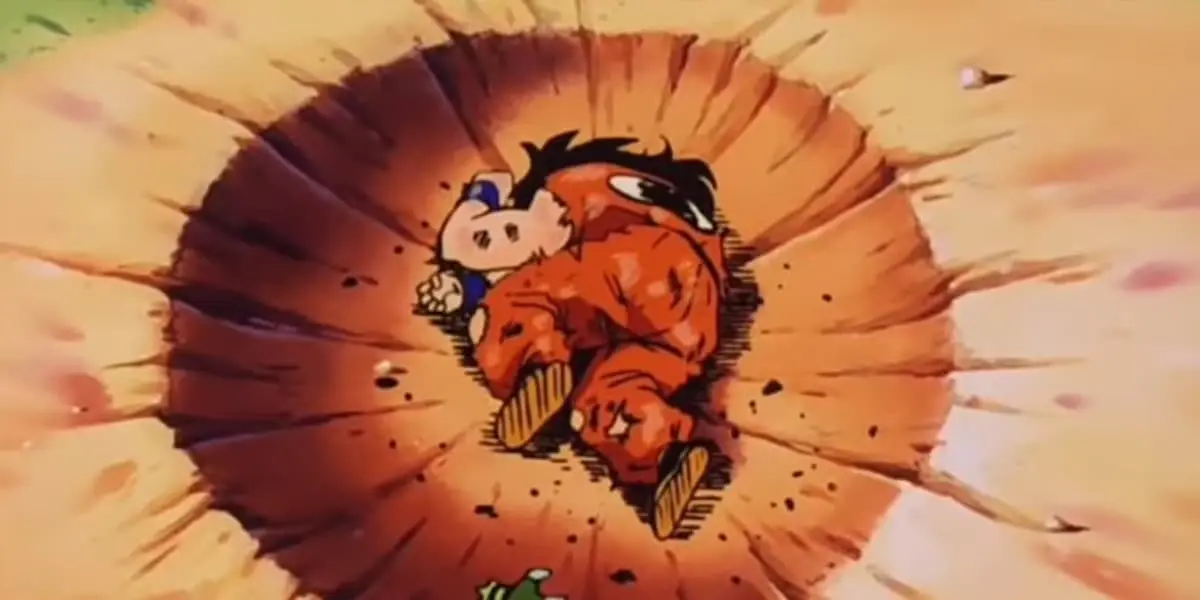
If you only know Yamcha from the famous crater pose after the Saibaman explosion, you would think he exists to be a joke. If you remember the original Dragon Ball though, you know there was once a very different Yamcha.
Back then he was:
- A desert bandit with pride, fear, and real growth ahead of him.
- A fighter with no special bloodline or destiny, just talent and determination trying to keep up.
The “lying in the crater” scene became such a legendary meme that Yamcha’s entire identity got compressed into that one moment. Over time he became a symbol of failure and irrelevance, even though he used to have his own arc and personality.
Calling Yamcha underrated is not a demand to make him top tier again. It is just a reminder that behind one of the biggest memes in anime history, there was once a fully realized character the story actually cared about.
Mr. Satan – The Clown Who Saved The World More Than Once
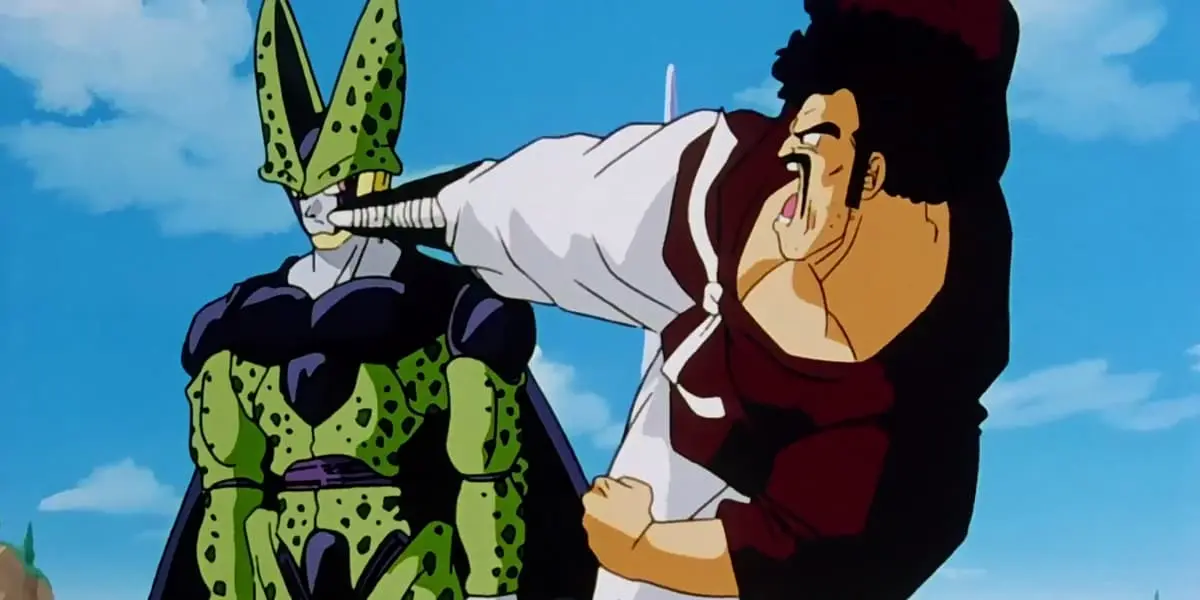
Mr. Satan, or Hercule, is easy to misunderstand. On the surface he is everything fake: he steals credit, hams it up for the camera, and lives off a lie about his strength. If you only look at that, he is annoying at best.
But in the Majin Buu arc, a very different picture appears.
- He is the only person who can approach Buu without treating him like a monster to be erased.
- His clumsy kindness is one of the first things that cracks Buu’s destructive nature and plants a seed of change.
- When the world needs to give Goku energy, it is not Goku or Vegeta the public trusts. It is Mr. Satan, the only “hero” they know by face and name.
Mr. Satan never lands the finishing blow on a villain. What he does is get the entire planet to believe in the people who can. In a story about gods and impossible warriors, he ends up as the “social hero” that an ordinary world can actually recognize and follow.
Future Trunks – The Leftover Of A Broken Timeline
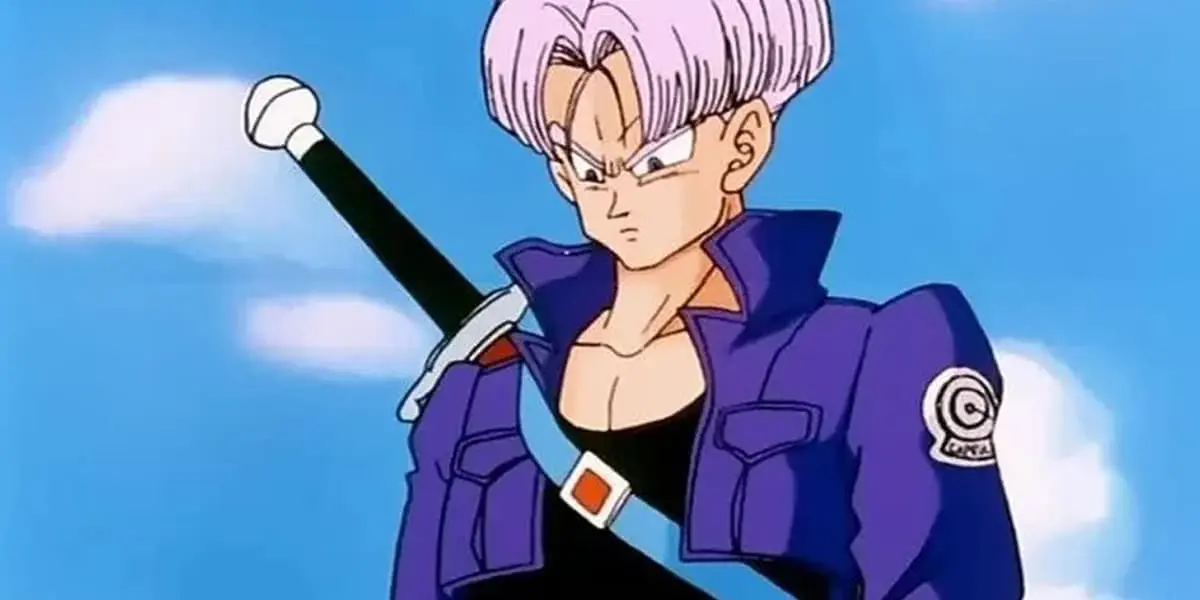
Future Trunks is often remembered for being cool. The hair, the sword, the dramatic entrances, they all leave an impact. If you look deeper though, he is one of the heaviest characters in Dragon Ball when it comes to emotional weight.
- He comes from a future where almost everyone he loves is dead.
- He grows up in ruins with the responsibility of “fixing history” resting on his shoulders.
- Every time he visits the main timeline and sees a happier world, it is a mix of hope and pain, a living reminder that his own timeline may never look like that.
Future Trunks is underrated because he is easy to frame as “the cool guest character who comes and goes.” For many grown up fans though, he is the one who makes them think the most about loss, duty, and the strange feeling of looking at a better version of a life you will never have.
The Dragon Ball Super Era Characters Drowned In A Sea Of New Forms
Dragon Ball Super is a playground for transformations. New forms, new colors, new auras, and new god level opponents keep stacking on top of each other. That is fun in its own way, but it also makes it easy for quieter characters to disappear in the noise.
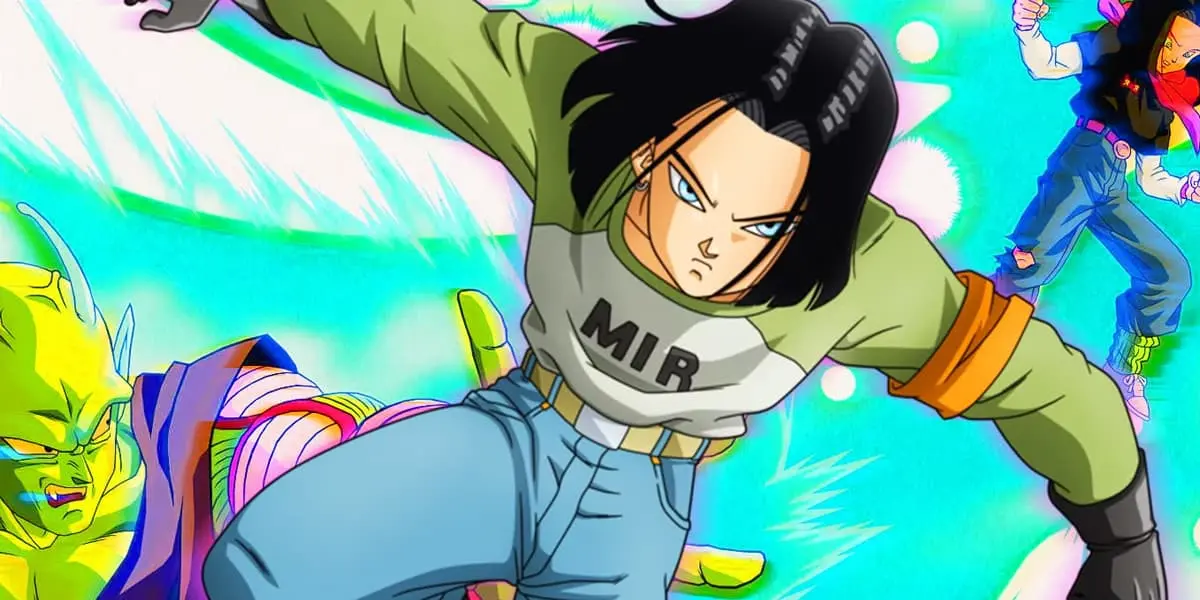
Android 17 – The Silent MVP Of The Tournament Of Power
Android 17 takes a very strange path. From a cold hearted villain in the Android saga, he moves off screen into a quiet life close to nature, then suddenly returns in Super as one of the most important players in the Tournament of Power.
In that arc, 17:
- Fights with restraint and strategy instead of screaming and rushing in.
- Uses his brain and experience to survive longer than many “monsters” around him.
- Ends up being the one who keeps hope alive when it looks like everything is over.
When fans talk about Super, they usually jump straight to Ultra Instinct, Jiren, or Goku Black. 17 rarely gets called a favorite, even though the Tournament of Power does not land the same way without him. He is proof that you do not need to hog the spotlight to be absolutely essential.
The Universe 6 Saiyans – A Different Mirror For Fans
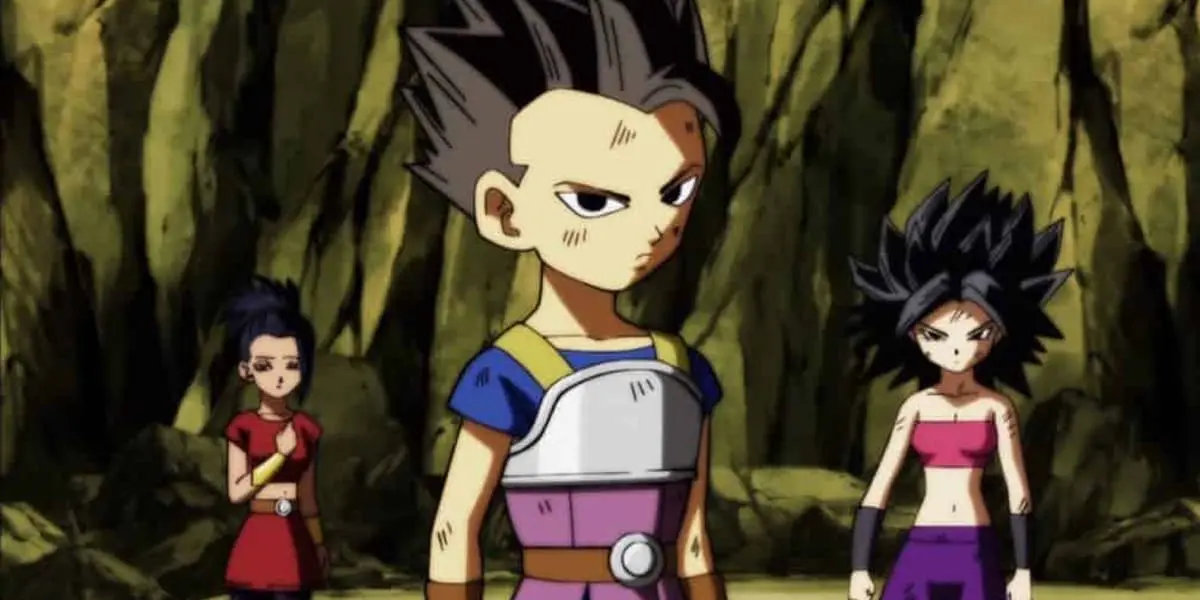
Cabba, Caulifla, and Kale got a mixed reaction. Some people liked them, some hated them, some felt they were only added to bring in female Saiyans. If you put your guard down a bit, you can see something else.
These characters act as a mirror, showing:
- A different culture of Saiyans compared to the proud, war like background of Vegeta and the carefree chaos of Goku.
- Alternative ways the Saiyan spirit can look, outside of what we already know.
You can disagree with how Super handled them, but at the idea level, they remind fans that Saiyans are a race, not just two personalities. There are many stories that can be told with that seed, even if the show only scratched the surface.
Hit – The Old Assassin Who Plays A Different Game
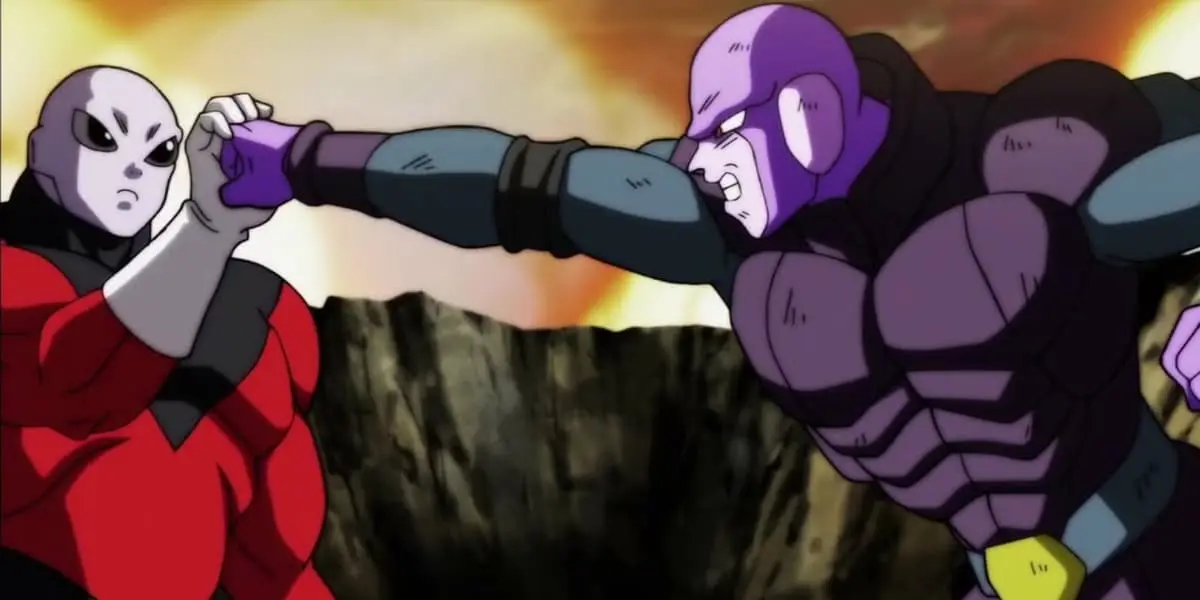
Hit does not appear in a large number of episodes, but every time he walks on screen, the tone shifts. Instead of yelling and power ups, he fights like a seasoned assassin. Calm, measured, efficient.
In a series where people are used to screaming their lungs out to get stronger, Hit feels like a hard break. His battles with Goku feel almost like a chess match layered on top of a fist fight. They are less about who can shout louder and more about who can read and adapt faster.
Hit is underrated because he does not fit the usual Dragon Ball mold of “louder and bigger.” For fans who are tired of endless new forms though, he might be one of the most interesting characters Super introduces.
Characters Who Quietly Walk Through Multiple Eras
Alongside era specific characters, there are a few people who walk through most of the franchise and still rarely get real acknowledgement.
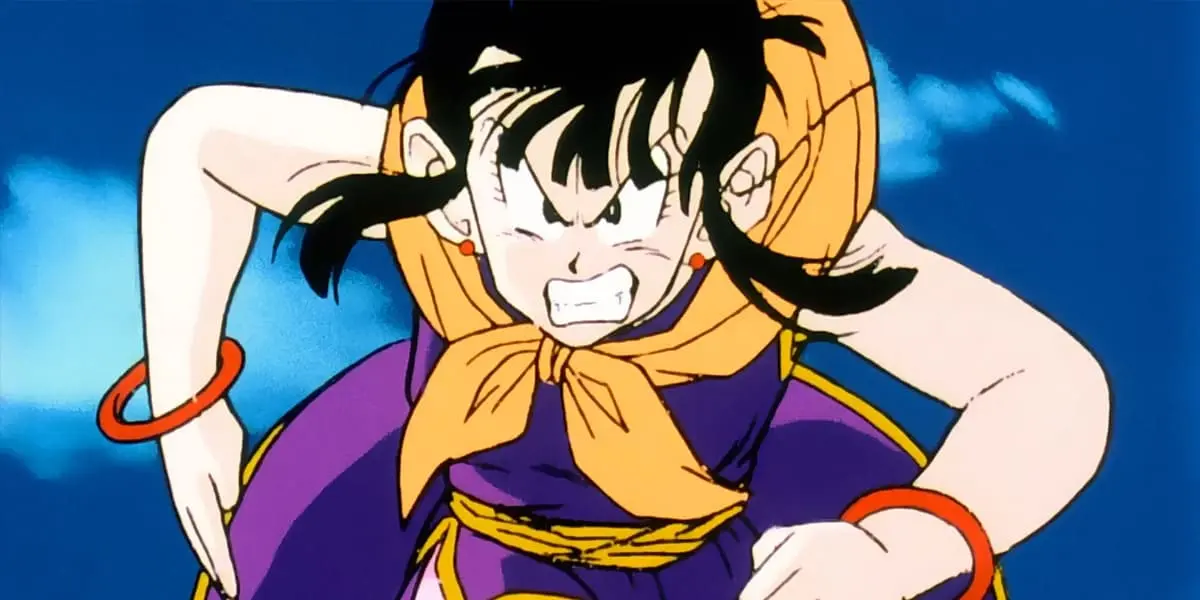
Chi-Chi – The One Keeping Goku’s Life From Falling Apart
Chi-Chi is roasted often. The common image is “the nagging wife” who stops Gohan from fighting and forces him to study.
But think about it. In a world where half the main cast spends their time dying and reviving, running off planet, or training in some other dimension, what happens if nobody cares about food, money, or school.
Chi-Chi is:
- The only one really trying to pull Gohan toward a normal life, not just an endless cycle of battles.
- The person keeping the family functional so that Goku can keep running off to save the world.
The way Chi-Chi is written can be frustrating, but at the functional level, she is the thread connecting Goku to the ordinary life he constantly leaves behind.
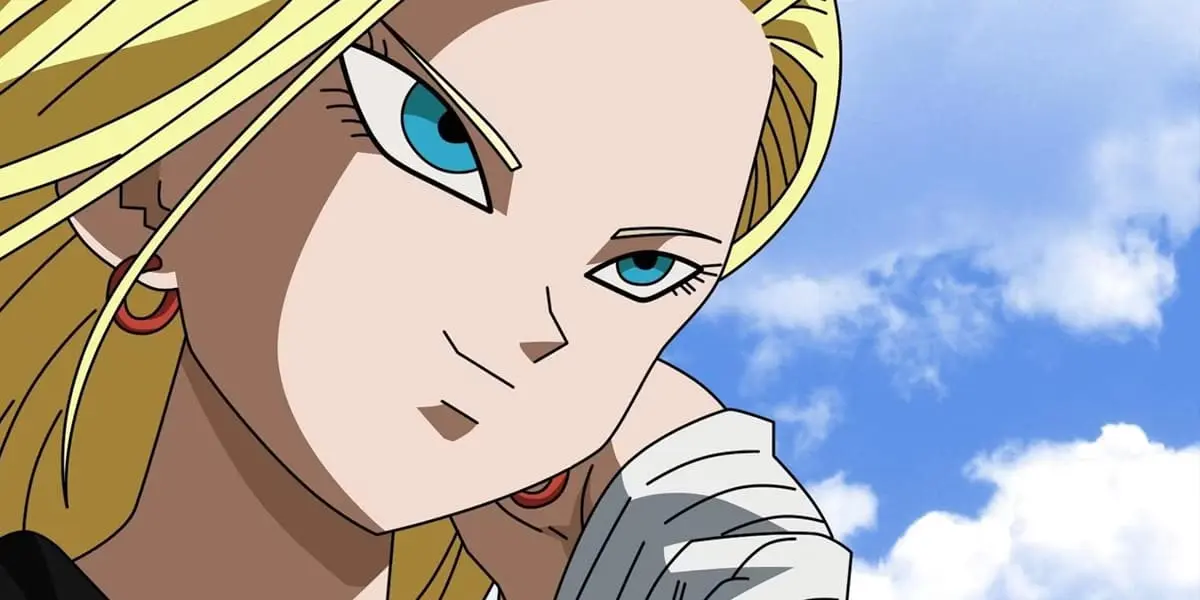
Android 18 – Cool, Distant, And Never Fully Tamed
Android 18 moves from a cold killer to a wife and mother, but unlike many characters, she never feels completely softened. She keeps her edge, her blunt honesty, and a specific kind of distance that makes her stand out.
She does not get a lot of spotlight, yet almost every time she appears, she leaves an impression. She is a living reminder that someone who once stood on the opposite side can integrate into normal life without losing who they are.
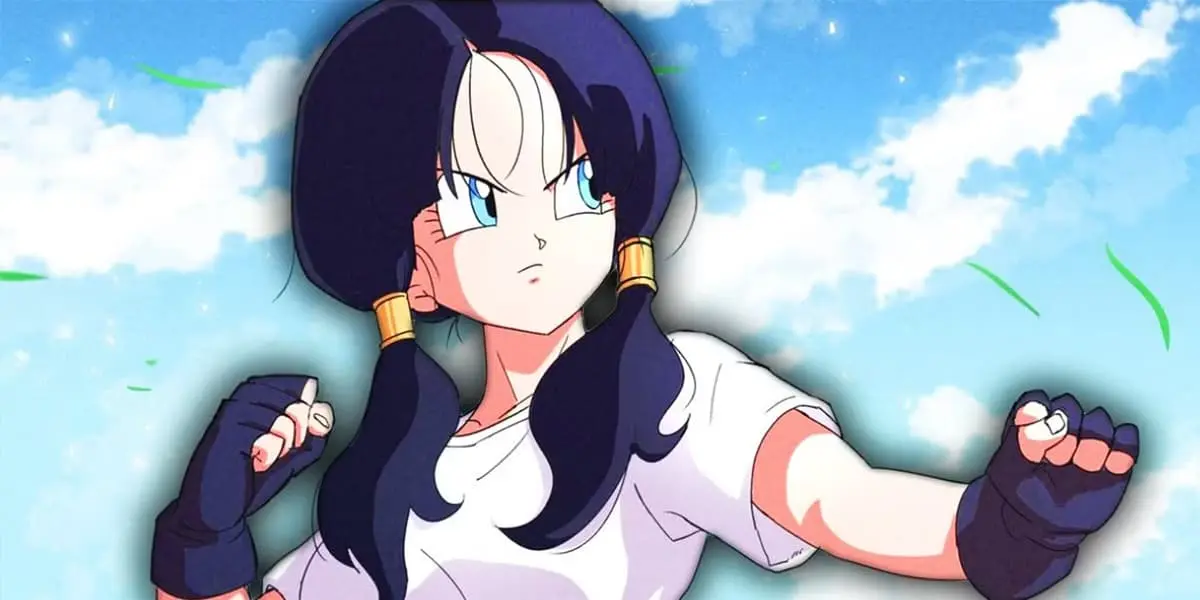
Videl – Gohan’s Door Back To Ordinary People
Videl does not transform into a god. She does not trade blows on a universal scale. What she does is give Gohan a path back toward a balanced life.
The Great Saiyaman storyline and all the awkward moments where Gohan juggles hero work and school run straight through Videl. Thanks to her, he never fully slides into either extreme, neither pure warrior nor pure academic. He lives somewhere in the messy center, which feels very human.
Rewatching Dragon Ball For More Than Power Levels
If you are still reading at this point, there is a good chance you have already started to get tired of power level arguments. The fights are still fun, but the moments you remember the longest are different.
They are moments like:
- Piccolo quietly watching Gohan grow up.
- Krillin clenching his fists even though he knows he cannot keep up.
- Yamcha forcing a smile while everyone keeps bringing up the crater scene.
- Android 17 standing calm in the middle of chaos like he is observing a nature documentary.
- Mr. Satan being pathetic and kind at the same time in a very human way.
Dragon Ball would not be Dragon Ball if it only kept Goku and Vegeta. The underrated characters, the ones turned into memes or pushed to the background, are a huge part of what gives this world its soul. They are why the series still feels human under all the screaming and light shows.
The next time you rewatch, try playing a little game with yourself. Ignore power level talk for a while and ask:
- In this scene, who is actually keeping everything from falling apart.
- Who is making the hard choice.
- Whose one line would change the entire meaning of the moment if it were missing.
Chances are, your list of “most important characters” will look very different by the time you are done.
If You Are The Kind Of Fan Who Notices The Small Characters
Every fandom has a certain kind of fan who does not automatically gravitate toward the loudest heroes. Instead of worshipping the strongest or the most marketable character, they end up caring about the mentor in the background, the “weak” friend who still shows up, the teacher who yells but never leaves, the girl who seems loud but is holding a whole family together.
If you are that kind of fan, the way you talk about Dragon Ball already says something about you. You pay attention to the people standing slightly off center. You remember the ones who are not on every poster but keep the story honest. You respect the characters who get laughed at in memes but carry something real under the jokes.
The way you carry that fandom into the real world tends to match that too, from your phone wallpaper and figures on your desk to the graphic t shirts you pick. There is a quiet kind of pride in wearing Piccolo instead of Goku, Android 17 instead of the latest Goku form, or a shirt that highlights Future Trunks’s weight as a character instead of just his cool entrance.
If that sounds like you, it might be worth taking a look at a dedicated Dragon Ball graphic tee collection at some point and seeing which underrated character you would actually put on your chest. In a fandom built on screaming power ups, choosing to celebrate the ones who quietly carry the story is one of the coolest flexes you can make.
