
No products in the cart.
Games
Old Republic Story Primer, The Core Wars That Shaped the Galaxy
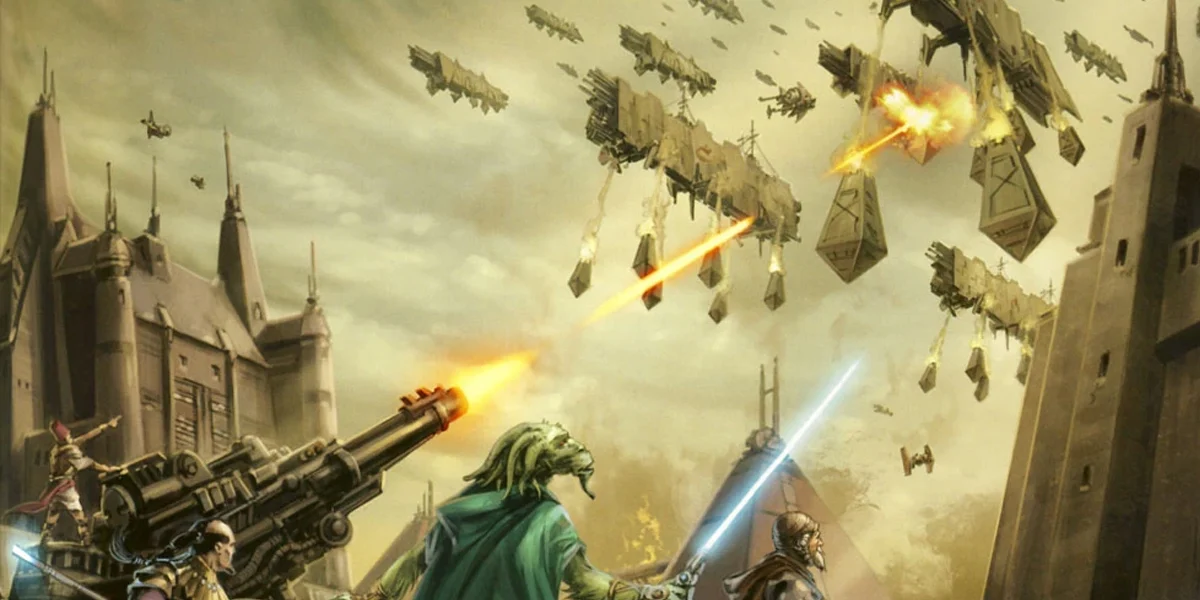
When people talk about the Old Republic, they often jump straight to names, Revan, Malak, Sith Empires, Jedi Councils, ancient wars. For someone new, those references can feel scattered, like pieces of a puzzle without the picture on the box. This article exists to do one thing clearly, explain the core story of the Old Republic era in a single narrative line, so the galaxy makes sense before you dive deeper.
This is not a timeline full of dates and not a character wiki. It is a story primer, a way to understand what happened, why it happened, and why the consequences of those wars still define how fans talk about the era today.
The calm before the long collapse
Before the Old Republic becomes known for endless war, it exists as an ambitious project. The Galactic Republic is already vast, built on trade routes, alliances, and shared law across many systems. The Jedi Order stands beside it as a stabilizing force, mediators, protectors, and symbols of balance. At this stage, the Republic believes expansion and unity will eventually bring lasting peace.
That belief is important, because everything that follows is shaped by how deeply the Republic and the Jedi trust their own ideals. They assume that order, once established, will hold. The Old Republic story is what happens when that assumption proves fragile.
The Mandalorian Wars and the first fracture
The Mandalorian Wars are often the first major crack in the Old Republic foundation. A powerful warrior culture begins a brutal campaign across the galaxy, forcing the Republic into a defensive war it is not fully prepared to fight. The Jedi Council hesitates, worried about repeating past mistakes and about how war might distort the Jedi purpose.
This hesitation becomes controversial. Some Jedi believe standing aside is a moral failure. Others believe intervention will lead to corruption. The split is not clean or dramatic, but it is real, and it matters. It sets the tone for the era, decisions made under pressure create consequences that cannot be undone.
When Jedi do enter the conflict, they are no longer simply guardians. They become generals, strategists, and symbols of resistance. Victory comes, but at a cost. The war leaves scars on entire systems and on the Jedi themselves, planting the seeds for deeper conflict.
Revan, Malak, and the price of decisive action
From the aftermath of the Mandalorian Wars emerge figures who define the Old Republic mythos. Revan and Malak are remembered not simply as heroes or villains, but as products of the era itself. They represent the danger of believing that strength and certainty can replace restraint.
What matters here is not specific twists or revelations, but the pattern. The galaxy rewards decisive action during crisis. Leaders who act boldly are praised, even when their methods bend or break ideals. Over time, those methods reshape identity. The Old Republic story repeatedly asks whether intention matters more than outcome, and whether outcome can justify transformation.
This is why later conflicts feel inevitable rather than surprising. The era does not hinge on a single fall or betrayal. It hinges on accumulated choices made during war.
The Jedi Civil War and the shattering of trust
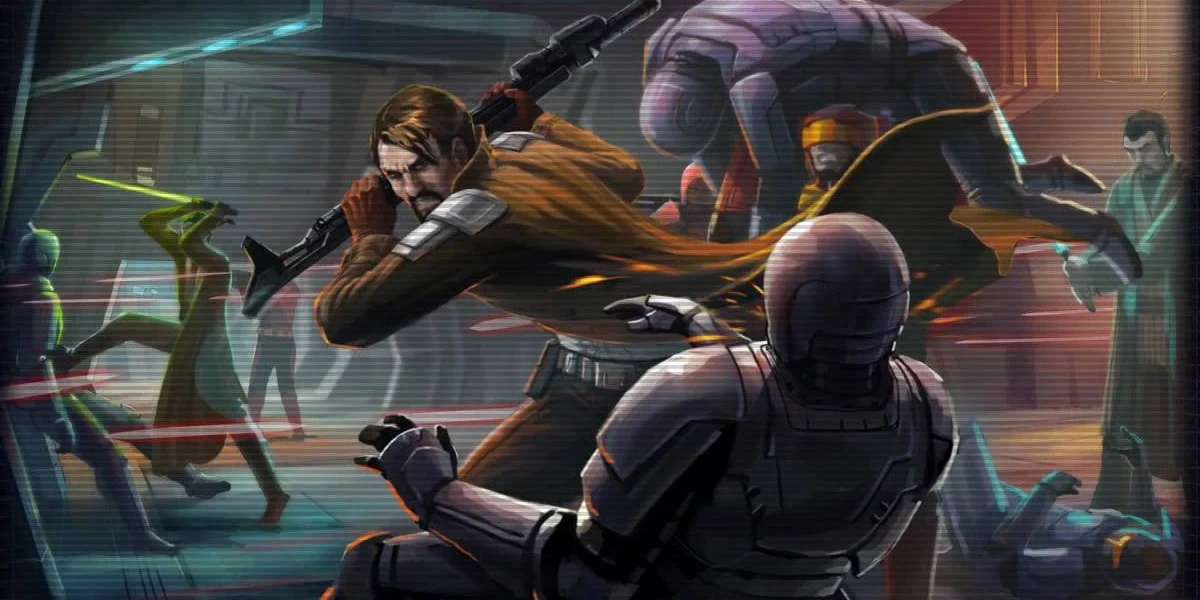
The Jedi Civil War is less about a single battlefield and more about trust collapsing from within. The Republic faces threats not only from outside enemies, but from figures who once stood at its center. The war challenges the idea that the Jedi Order can remain unified under extreme pressure.
For the Republic, this period is destabilizing. Institutions built on confidence suddenly feel vulnerable. For the Jedi, the conflict forces painful self reflection. If guardians can become conquerors, then discipline alone is not enough to guarantee balance.
This war leaves the Republic weakened and cautious. Even when immediate threats fade, the sense of security does not fully return. The Old Republic never quite recovers its earlier innocence.
The long shadow and the rise of the Sith Empire
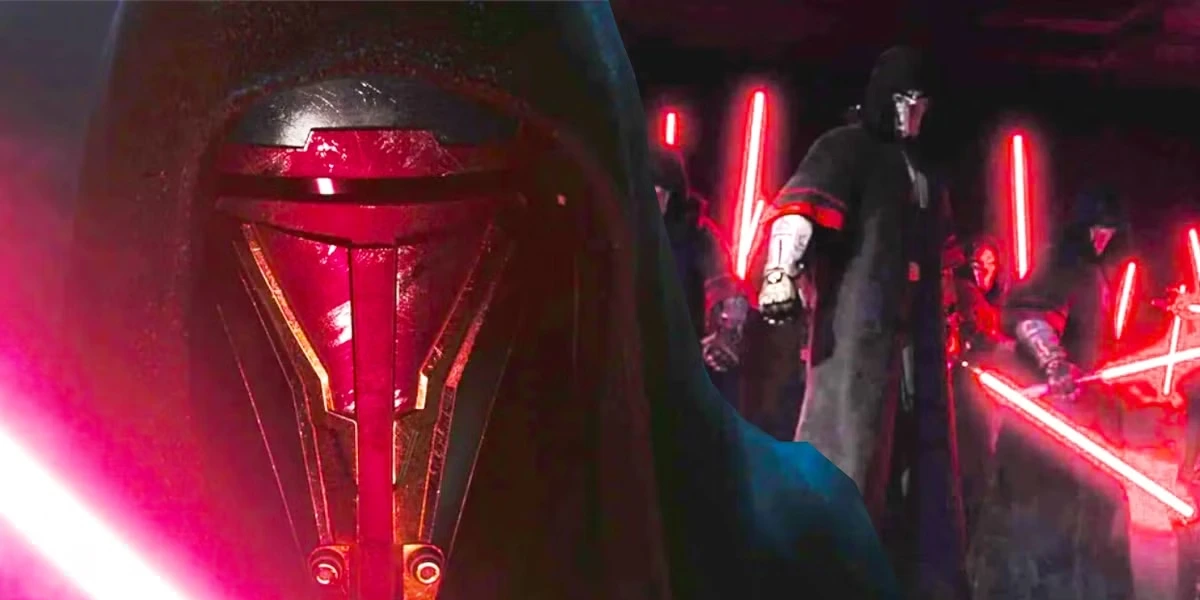
Out of the fractures left by earlier wars, the Sith tradition reasserts itself as an organized power. Unlike later eras where Sith operate in secrecy, the Old Republic often presents them as a visible empire with structure, leadership, and long term strategy.
The Sith Empire thrives on certainty. Where the Republic debates, the Empire commands. Where the Jedi question, the Sith decide. This clarity is dangerous, but it is also effective, especially against a Republic still healing from internal conflict.
As tensions rise, war returns on a larger scale. The galaxy enters another cycle, escalation, devastation, and exhaustion.
The Great Galactic War and a peace no one trusts
The Great Galactic War marks one of the largest conflicts of the era. Entire systems are reshaped by prolonged fighting. The Republic survives, but survival is not victory. When war ends through treaty rather than decisive resolution, resentment lingers.
This is the emotional starting point for the SWTOR era. Officially, there is peace. Practically, there is suspicion everywhere. Intelligence agencies expand. Proxy conflicts emerge. Both sides prepare for the next war while claiming to prevent it.
For fans, this is one of the most compelling aspects of the Old Republic story. The galaxy feels tense and unstable. History has taught everyone that peace is temporary.
Why this story still matters to fans
The Old Republic story endures because it treats history as cumulative. Every war leaves damage behind. Every decision reshapes institutions. Heroes are shaped by context, not destiny alone.
Unlike later eras where individual families dominate the narrative, the Old Republic focuses on systems, orders, empires, and the people caught between them. It feels like a long historical cycle rather than a single dramatic arc.
That is why fans return to this era. It feels ancient, tragic, and deeply human beneath the lightsabers.
Where this primer fits in your reading path
If this article did its job, you now understand the backbone of the Old Republic. You know why the wars matter, how they connect, and why later stories feel heavy with consequence.
From here, deeper articles make sense, timelines, character studies, philosophy, and faction breakdowns. But none of those are required to understand the era at a basic level. This is the spine everything else hangs on.
Final takeaway
The Old Republic is not defined by one battle or one betrayal. It is defined by cycles, war followed by uneasy peace, ideals tested by survival, and identities reshaped by power. Once you see that pattern, the era stops being confusing and starts feeling coherent.
If the atmosphere of ancient conflict, Jedi struggle, and Sith ambition resonates with you, you can explore that visual legacy through the star wars t-shirt collection and choose a style that matches how you read the galaxy.
