
No products in the cart.
Games
Star Wars Canon vs Legends Explained, And Why the Old Republic Still Matters
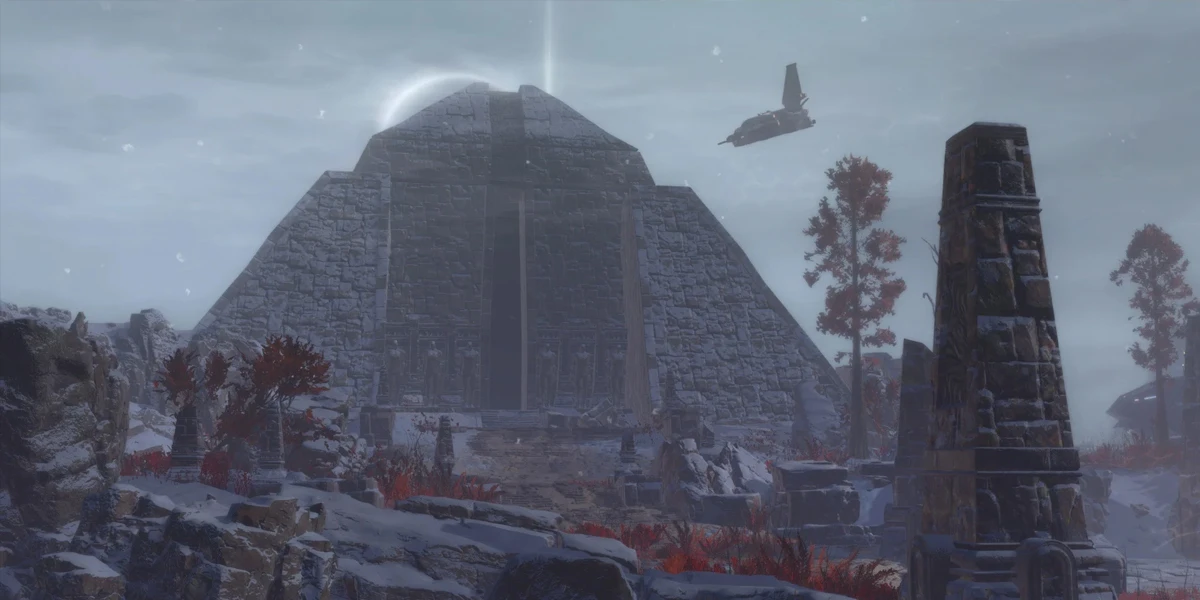
If you have watched the Star Wars movies and then stepped into online discussions, you have probably seen the words canon and Legends thrown around like everyone is supposed to know what they mean. For new fans, especially those starting to explore eras beyond the films, this distinction can feel confusing and unnecessary. This article exists to clear that confusion once and for all, using the Old Republic as the clearest example.
The goal here is simple. By the end, you should understand what canon and Legends actually mean, why the split happened, and why Old Republic stories continue to matter deeply to fans even if they are not always part of the current official timeline.
What canon really means in Star Wars
In Star Wars, canon refers to the official storyline that current films, shows, and selected books, comics, and games are built around. Think of canon as the shared narrative backbone. When something is canon, it means new stories are expected to respect it and build on it.
For fans who grew up with the movies, canon feels intuitive. The Skywalker saga, the Empire, the Rebellion, the Jedi purge, these ideas connect cleanly. Canon creates a sense of continuity, so new viewers can follow the story without needing decades of background reading.
However, canon is not about quality or importance. It is about coordination. As Star Wars expanded into more films and television series, keeping one consistent storyline became necessary to avoid contradiction.
What Legends actually is, and what it is not
Legends is often misunderstood. It is not a category for bad or outdated stories. It is a label used to organize older Expanded Universe material that no longer needs to align perfectly with new on screen storytelling.
For many years, novels, comics, and games filled in the galaxy far beyond the films. These stories explored distant eras, alternative philosophies, and long historical cycles. When the storytelling focus shifted toward new screen projects, those older stories were placed under the Legends label to give creators flexibility.
Importantly, Legends stories were not erased. They still exist, they are still sold, and they are still discussed. They simply operate as a separate continuity.
Why Old Republic stories live mostly in Legends
The Old Republic era became popular long before modern Star Wars television. Its most influential stories were told through role playing games and online worlds rather than films. These stories were designed to be expansive, player driven, and deeply layered.
Because of that, Old Republic storytelling developed its own internal logic. Wars unfolded over long periods. Institutions rose and fractured. Philosophies clashed repeatedly. This scale made the era feel complete, almost like a self contained mythological cycle.
When newer Star Wars storytelling began focusing on tighter timelines and character driven arcs, the Old Republic naturally fit better as a Legends continuity. It did not need to be rewritten to remain meaningful.
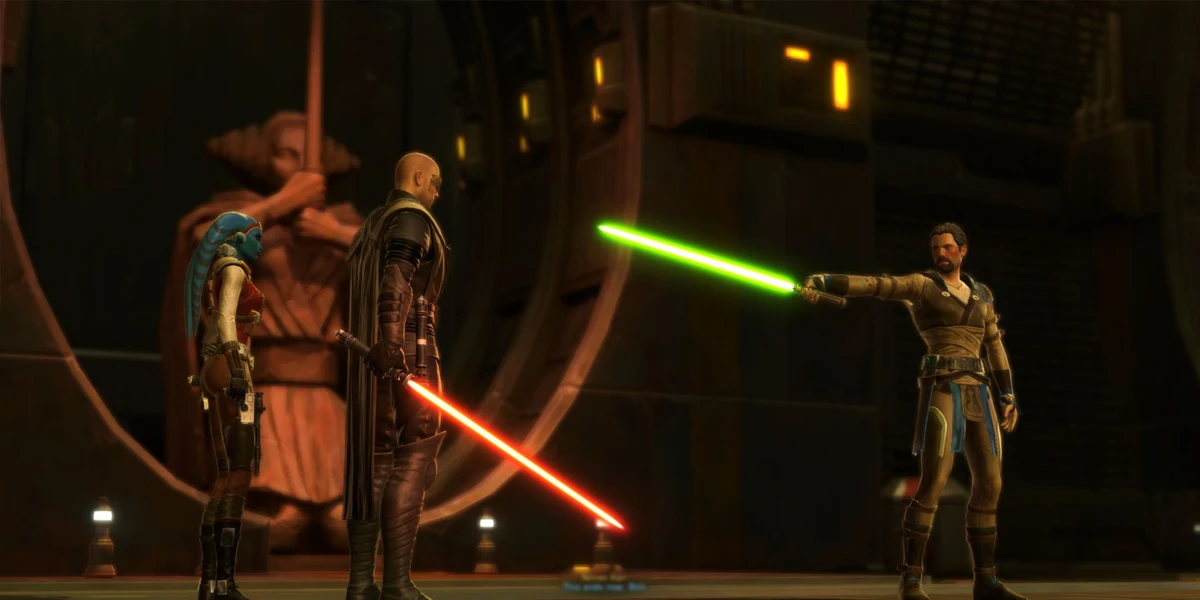
Does being Legends make the Old Republic less important
Not at all. In fact, for many fans, the Old Republic represents Star Wars at its most ambitious. It explores ideas that the films only touch briefly, how institutions decay, how war reshapes belief, and how power tests identity over generations.
Because Old Republic stories were not constrained by film runtime or casting continuity, they could slow down. They could show consequences lasting decades rather than minutes. This is one reason the era still feels emotionally rich.
Many ideas introduced in Legends Old Republic material continue to influence modern Star Wars. Concepts, aesthetics, and philosophical tensions echo forward even when specific characters or events are not directly referenced.
How to think about canon and Legends without getting stuck
The easiest way to approach this as a fan is to stop thinking in terms of permission. You do not need a story to be canon to enjoy it or to let it shape how you see the galaxy.
Canon provides a shared baseline. Legends provides depth and alternative perspectives. They serve different purposes.
If you come from the movies, canon helps you stay oriented. Legends helps you understand how flexible and expansive Star Wars can be when it steps away from a single family or era.
Why the Old Republic is often the gateway beyond the films
For fans who love the Jedi and Sith conflict but want something broader than the Skywalker story, the Old Republic is often the natural next step. It feels familiar enough to be Star Wars, but distant enough to feel fresh.
You do not need to memorize timelines or cross reference sources. You only need to understand the pattern, Republic and Jedi rise, ideological fracture creates the Sith, war repeats, peace fractures, and legends emerge from those cycles.
Once you understand that pattern, the canon versus Legends label stops being a barrier and becomes a simple organizational note.
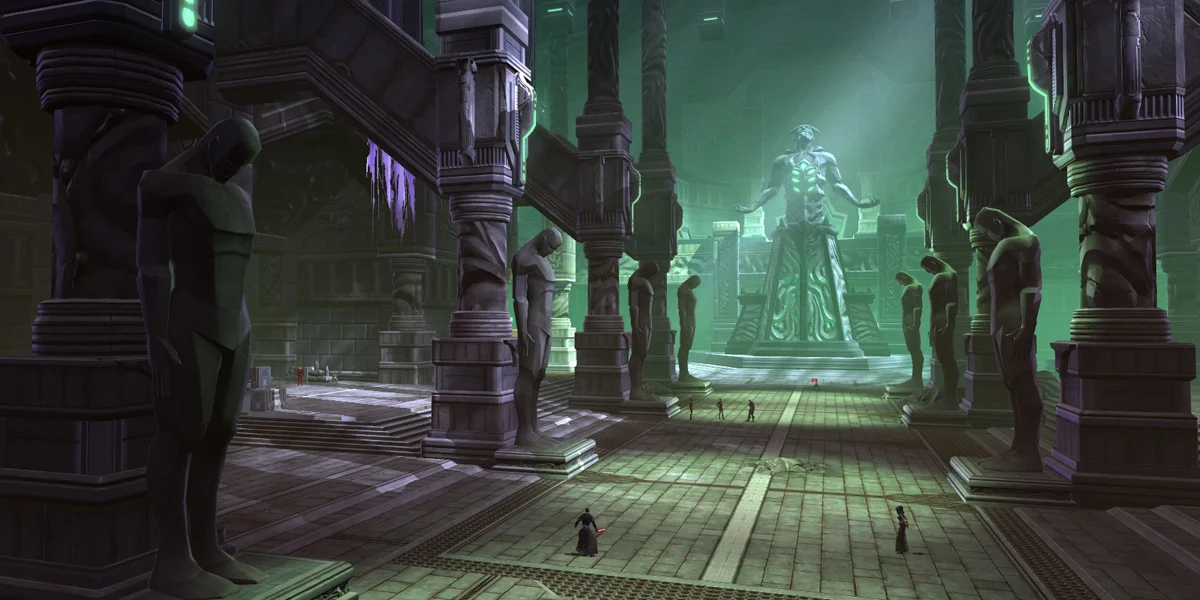
How this perspective helps you enjoy the era more
Seeing the Old Republic as a complete Legends mythology frees you from comparison. You do not need to ask how it connects to a specific film scene or whether a character will appear on screen.
Instead, you can appreciate the era on its own terms. Long wars. Heavy consequences. Institutions under pressure. Personal choices shaping history. This is why fans who spend time in the Old Republic often describe it as deeper or more tragic.
It is not better or worse than canon storytelling. It is simply built for a different kind of engagement.
Final clarity, canon and Legends are tools, not judgments
Canon exists to keep modern storytelling coherent. Legends exists to preserve the richness of earlier expansion. Both are part of Star Wars culture.
The Old Republic lives primarily in Legends because it thrives there. Its stories do not need constant alignment with new releases to remain powerful. They already function as a complete historical cycle.
Once you see canon and Legends this way, confusion fades. You stop asking which stories count, and start asking which stories resonate.
If the Old Republic era speaks to you through its symbols, conflicts, and ancient atmosphere, you can explore that legacy visually through the star wars t-shirt collection and choose a style that reflects how you connect with the galaxy.
