
No products in the cart.
Anime
Akane Banashi Explained: The Rakugo Manga & Upcoming Anime Adaptation
Akane Banashi Explained: The Rakugo Manga & Upcoming Anime Adaptation
Introduction
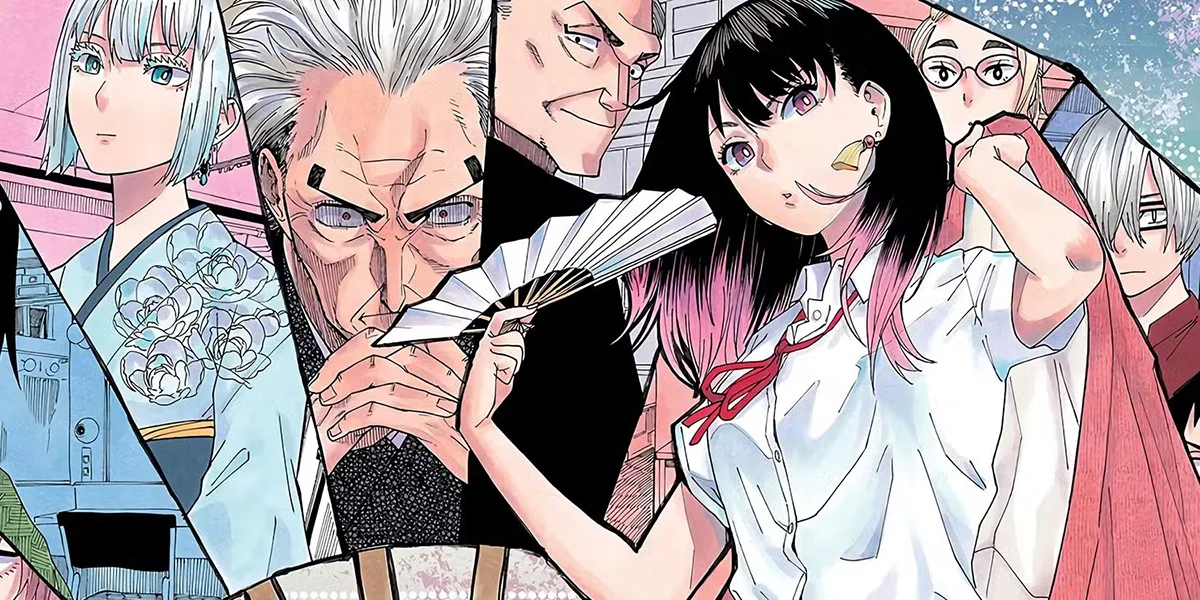
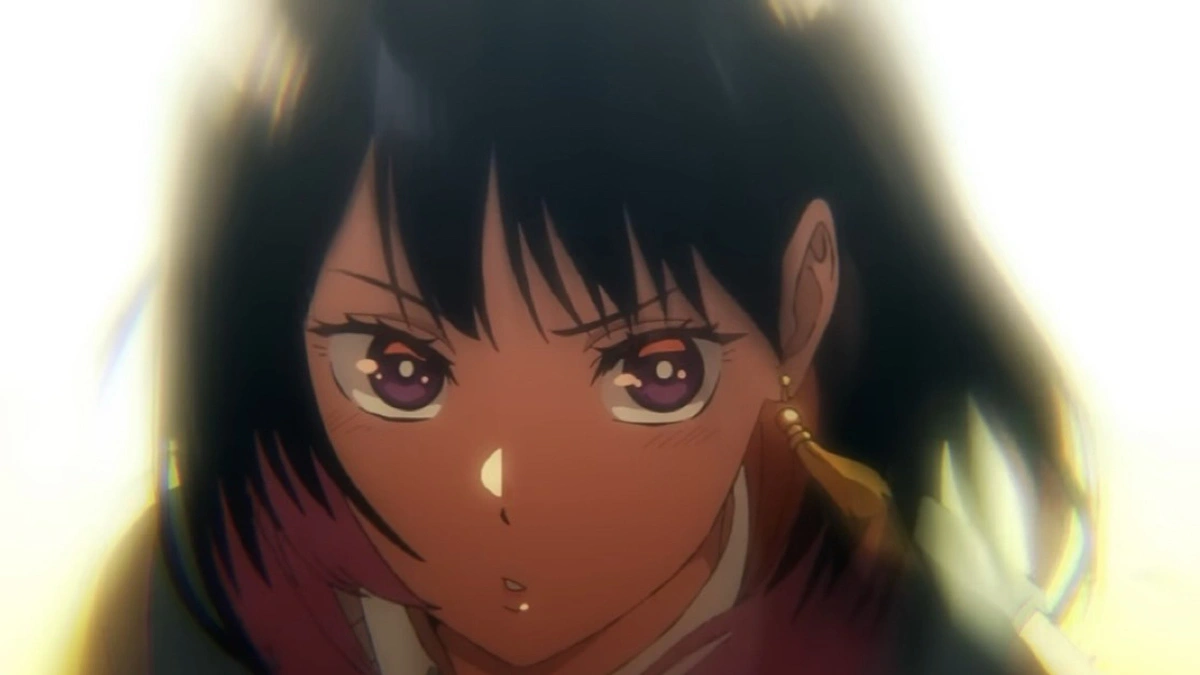
Akane Banashi is a unique shonen series that shines a spotlight on rakugo, a centuries-old Japanese art of storytelling performed by a single speaker. Instead of battles and superpowers, the tension comes from voice, timing, and the ability to captivate an audience with nothing but words, gestures, and a fan. The story follows Akane Osaki, a determined young performer who sets out to master rakugo and prove herself on the stage while honoring her family’s legacy.
Created by writer Yuki Suenaga and artist Takamasa Moue, the manga has earned praise for blending the excitement of shonen growth arcs with the depth of traditional performance art. An anime adaptation is already on the way, with a confirmed release window, studio, and cast. This article introduces the plot, explains the basics of rakugo, outlines the main characters, and shares everything known so far about the upcoming anime.
Plot Overview
Premise
Akane Banashi begins with a young girl named Akane Osaki who dreams of following in her father’s footsteps as a rakugo performer. Her father, once on the path to becoming a master storyteller, faces a harsh setback that leaves the family name in question. Determined to restore his honor and prove her own worth, Akane sets out to conquer the demanding world of rakugo. The premise is simple but powerful: a shonen story not about fists or swords, but about voice, craft, and the courage to hold an audience with nothing more than a fan, a towel, and skillful storytelling.
The Journey Structure
Unlike typical battle shonen, Akane Banashi builds its arcs around stages and examinations. Each chapter raises the stakes as Akane enters competitions, performs before critical judges, and confronts peers who challenge her talent and resolve. Success is never guaranteed. She must navigate a system of ranks, moving from apprentice toward professional recognition, with each performance carrying the potential to elevate or break her career. This structure mirrors the tension of a tournament arc but channels it into the artistry of storytelling.
Core Themes
At its heart, Akane Banashi is about legacy, perseverance, and the master–disciple relationship. The series explores how traditional arts survive in modern times, how a young woman challenges expectations in a male-dominated craft, and how skill is built not through shortcuts but through countless hours of practice. Themes of pride, resilience, and the search for authentic voice run through every chapter, making the story as much about human growth as it is about rakugo itself.
Rakugo 101
What rakugo is
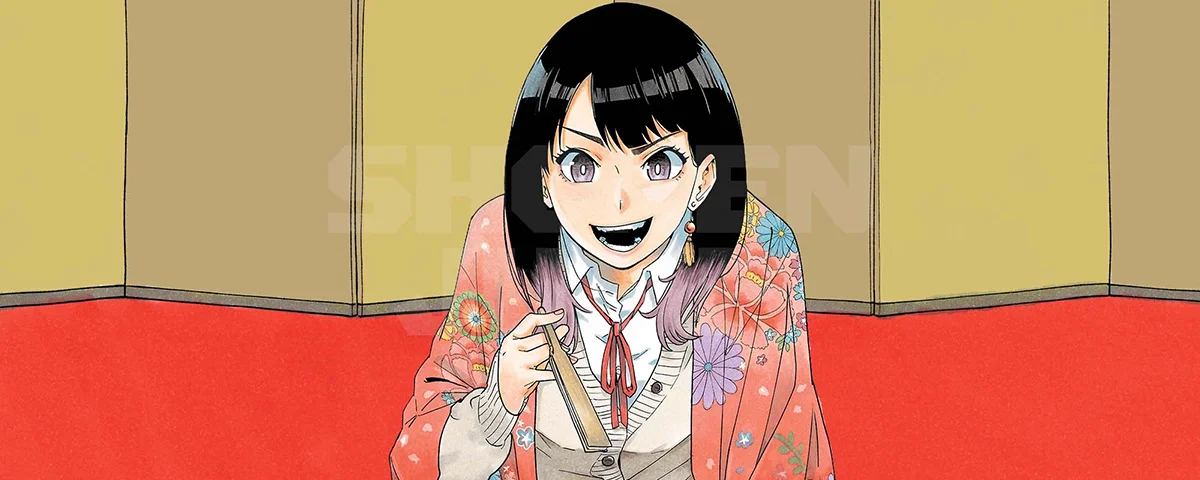
Rakugo is a traditional form of Japanese storytelling performed by a single speaker seated on a cushion in front of an audience. The performer portrays multiple characters within the same story using only subtle changes in voice, facial expression, and posture. Instead of elaborate sets or props, rakugo depends on timing, delivery, and the punchline known as the ochi that closes each performance.
Tools and stage language
A rakugo performer relies on minimal tools to suggest entire worlds. The fan, or sensu, can become anything from chopsticks to a pipe, while the hand towel, or tenugui, can stand in for everyday objects like a book or a wallet. Much of the craft lies in how the performer directs their gaze, shifts their body angle to mark different characters, and controls pauses. Even silence has meaning, creating anticipation or emphasizing humor.
Key terms
Makura refers to the introduction or warm up before the main story begins. Koza is the raised platform where the storyteller sits. Yose is the theater space where rakugo is performed. Ochi is the final punchline or twist that delivers the payoff for the audience. These terms are essential for understanding the flow and rhythm of rakugo stories.
Professional ranks
The rakugo world is organized into clear stages of advancement. A zenza is an opening act who prepares the crowd and learns by observation. Futatsume are intermediate performers trusted with more stage time. Shinuchi are the masters who lead their own schools and carry the art forward. Each rank defines the performer’s responsibilities and opportunities, and Akane’s journey is measured by her progress through this hierarchy.
Classic stories to know
Some rakugo stories are considered cultural staples and help readers or future viewers grasp the craft. Jugemu is a comedic tale famous for its long repeating name, while Shibahama blends humor and pathos in a way that tests a performer’s timing and emotional control. Knowing these examples enriches the appreciation of Akane Banashi and highlights why mastering rakugo is such a challenge.
Main Characters
Akane Banashi introduces a cast that reflects both the tradition of rakugo and the challenges of mastering it.
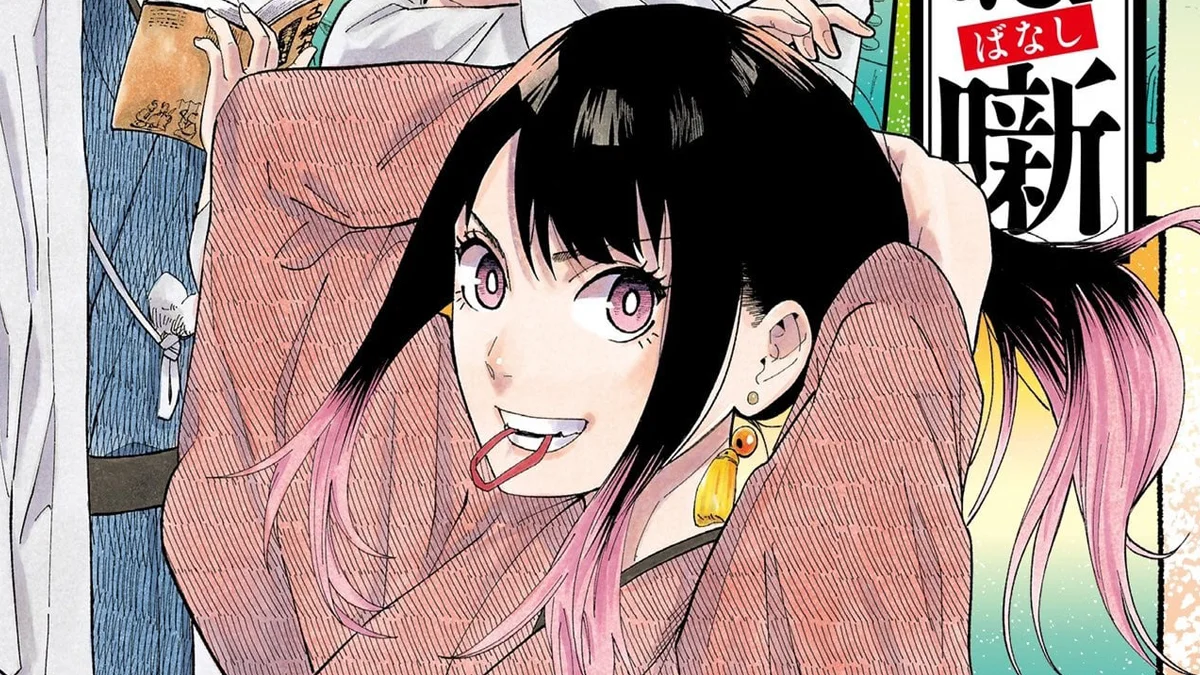
- Akane Osaki: The protagonist, determined to rise in rakugo and restore her family’s honor.
- Shinta Osaki: Akane’s father, once a rakugo student whose setback drives her motivation.
- Shiguma Arakawa: Akane’s mentor, a respected master of the Arakawa school, known for strict but fair training.
- Issho Arakawa: A powerful figure in the rakugo world, remembered as the man who ended Shinta’s career, representing the weight of tradition and authority.
- Karashi Arakawa: A fellow student in the Arakawa school, confident and sometimes arrogant, serving as a rival to Akane.
- Kaisei Arakawa: Another member of the Arakawa school, embodying a serious and disciplined approach to the art.
- Hikaru: A female peer who provides contrast to Akane, highlighting competition and different interpretations of rakugo.
These characters form the backbone of Akane-banashi’s narrative, offering rivalries, mentorship, and family dynamics that shape Akane’s growth while showcasing the varied personalities within the rakugo community.
Author and Storytelling Style
Creative team
Akane Banashi is written by Yuki Suenaga and illustrated by Takamasa Moue. To ensure authenticity, the series was supervised with input from rakugo professionals, giving the manga an added layer of realism that resonates with both Japanese readers familiar with the art and international audiences encountering it for the first time.
Style and influences
The storytelling style blends the familiar beats of a shonen manga with the nuances of traditional performance. Training sequences resemble sports arcs, while examinations and stage performances echo the tension of tournament battles. Moue’s art often zooms in on eyes, hands, and posture to suggest sound and rhythm without actual audio. Page layouts create pauses and crescendos that mimic the timing of live performance. The result is a series that feels as intense as action manga yet rooted in quiet craft.
Cultural significance
By centering rakugo in a mainstream shonen publication, Akane Banashi has reintroduced this centuries-old art form to a new generation. It stands as an example of how manga can preserve and modernize cultural traditions, showing that the pursuit of mastery and the struggle for recognition can be just as thrilling on a stage as on a battlefield.
Anime Adaptation: Everything Confirmed So Far
Release window
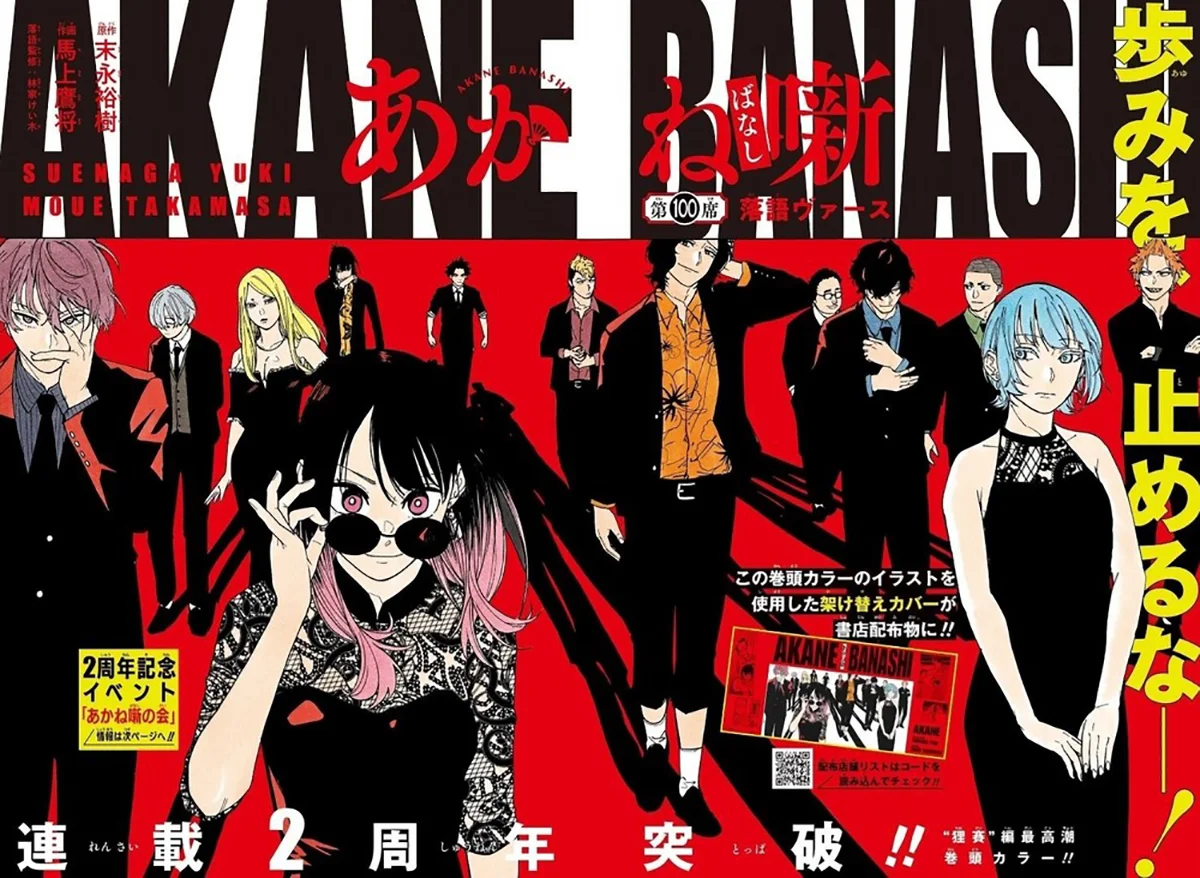
The anime adaptation of Akane Banashi is slated to premiere in 2026. It will air on the IMAnimation programming block on TV Asahi, a late night slot designed to showcase distinctive new projects. The announcement positions the series as part of a lineup that blends mainstream appeal with experimental storytelling, giving Akane Banashi the chance to reach both domestic and international audiences.
Studio and key staff
The production is handled by studio ZEXCS, known for its experience in character driven series. Ayumu Watanabe takes the role of director, bringing a track record of thoughtful adaptations. Series composition is by Michihiro Tsuchiya, with character designs from Kii Tanaka and music by Akio Izutsu. This team suggests a focus on performance detail and emotional resonance, both of which are essential for turning rakugo into compelling television.
Voice cast
Casting choices reflect the importance of vocal delivery. Anna Nagase voices Akane Osaki, bringing energy and nuance to a role that depends heavily on timing and tonal shifts. Takuya Eguchi voices Karashi, while Rie Takahashi voices Hikaru, each adding recognizable talent that can carry the layered demands of rakugo storytelling. The focus on proven voice actors indicates that production values will lean heavily on performance authenticity.
Adaptation challenges
Rakugo depends on cadence, silence, and subtle shifts in voice, making it a challenging art to adapt into animation. The anime must capture not only the words but also the audience’s reactions, the timing of the ochi, and the small gestures that signal character changes. Direction will need to balance faithful representation of rakugo performances with dramatic pacing that keeps television viewers engaged. Subtitling and localization will also matter, since punchlines and wordplay often rely on cultural context.
Episode count and stopping point
While no official episode count has been announced, industry observers suggest the first season will likely adapt the early arcs focused on Akane’s entry into the rakugo world and her initial trials. This pacing would give viewers a full introduction to the craft while leaving room for later seasons to expand on rivalries and higher level performances. The exact stopping point remains speculative and will be updated as more information becomes available.
FAQs
What genre is Akane Banashi and is it beginner friendly?
Akane Banashi is a shonen series focused on performance rather than battle. It blends competition, training, and personal growth with the cultural depth of rakugo. The story is accessible even to readers or viewers with no prior knowledge of rakugo.
Do you need to understand rakugo before watching?
No prior expertise is necessary. The manga and the upcoming anime introduce essential terms and concepts naturally through the story, making it easy for newcomers to follow while still offering depth for those who want to learn more.
How is rakugo different from stand up comedy?
Rakugo is a seated solo performance where one person plays multiple characters in the same story. It relies on timing, voice shifts, and minimal props, while stand up comedy usually features a performer delivering jokes directly to the audience without role switching.
When will the anime air and where can it be streamed?
The series is scheduled for 2026 on TV Asahi’s IMAnimation block in Japan. International streaming has not yet been confirmed, but given the popularity of Shonen Jump titles it is expected to be licensed by major platforms such as Crunchyroll.
Which studio and staff are producing the anime?
Studio ZEXCS is handling production. The project is directed by Ayumu Watanabe, with series composition by Michihiro Tsuchiya, character design by Kii Tanaka, and music by Akio Izutsu.
Who voices the main character?
Akane Osaki is voiced by Anna Nagase. The cast also includes Takuya Eguchi as Karashi and Rie Takahashi as Hikaru.
How many episodes will season one have?
No official count has been announced. Based on pacing, the first season is likely to cover Akane’s introduction to rakugo and her early examinations, but this remains speculative until formal confirmation.
Are there other rakugo series worth comparing?
Yes, a notable example is Showa Genroku Rakugo Shinju, which explores rakugo through a more dramatic and historical lens. Comparing it with Akane Banashi highlights how the same art form can inspire very different storytelling approaches.
Glossary
Rakugo – A traditional Japanese form of storytelling performed by one person seated on stage, portraying multiple characters through voice and gestures.
Ochi – The punchline or twist ending that gives a rakugo story its payoff.
Makura – The short introductory talk that warms up the audience before the main story begins.
Sensu – A folding fan used as a prop to represent a variety of objects during a performance.
Tenugui – A small cloth or towel used as a multipurpose prop on stage.
Koza – The raised platform where the storyteller sits while performing.
Yose – The theater or hall where rakugo performances are held.
Zenza – An apprentice rank performer who usually opens the show.
Futatsume – A mid level rakugo performer trusted with longer performances.
Shinuchi – A master rank performer who can headline shows and take on apprentices.
Conclusion
Akane Banashi stands out as a rare shonen that trades fists and magic for voice, timing, and the craft of performance. Its focus on rakugo gives readers and future viewers a glimpse into a cultural tradition that is both demanding and deeply human. With a determined protagonist, well drawn mentors and rivals, and an anime adaptation on the horizon, the series is positioned to reach a much wider audience in the coming years. This article will be updated as more details on the adaptation, cast, and release become available.
For fans who enjoy celebrating their favorite series through fashion, you can browse our curated range of anime inspired graphic shirts that capture the spirit of Japanese pop culture.
