
No products in the cart.
Anime
Takopi’s Original Sin Characters Explained: Takopi, Shizuka, Marina, and Naoki
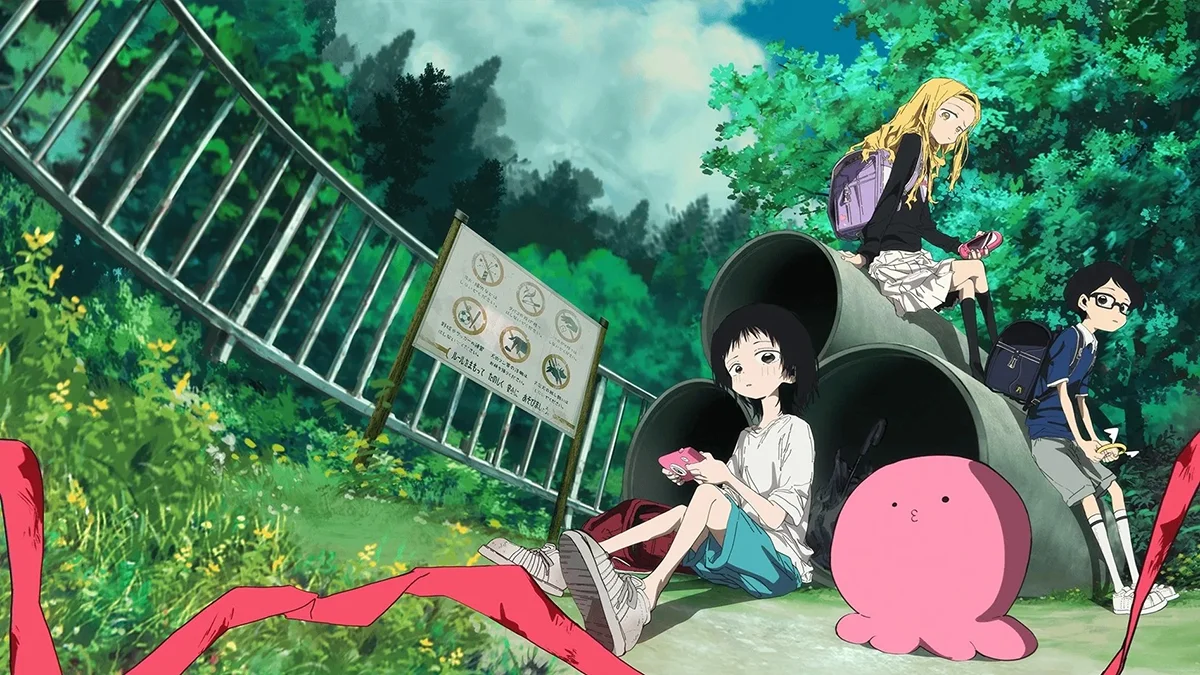
Introduction
Takopi’s Original Sin, a short web manga by Taizan 5 serialized on Shueisha’s Shonen Jump+ from December 2021 to March 2022, won the Excellence Prize at the 51st Japan Cartoonists Association Awards in 2022. The story shocks not just with its dark plot but also with characters who bear its emotional weight, each representing a different aspect of pain, innocence, and moral conflict to form the tragic cycle that defines the narrative. Though brief with two tankobon volumes, the characters’ depth has ignited endless discussions among fans and critics on platforms like X and Reddit. The original net animation adaptation by Enishiya and TBS Television, a six-episode miniseries directed by Shinya Iino that streamed from June 28 to August 2, 2025, on platforms including Crunchyroll, Netflix, and Amazon Prime Video, brings the tale to a global audience with refined psychological depth. With its stunning animation and heartfelt voice performances, the anime has earned an IMDb rating above 9/10 and briefly topped the site’s anime rankings.
This article dives into the four central characters: Takopi, Shizuka Kuze, Marina Kirarazaka, and Naoki Azuma. By exploring their backgrounds, choices, and symbolic roles, amplified through the anime’s visuals and voice acting, we can see why Takopi’s Original Sin hits so hard, even after the full adaptation. For more context on the full storyline and its reception, see our detailed Takopi’s Original Sin plot summary.
Takopi Happian: Innocence and Misunderstanding
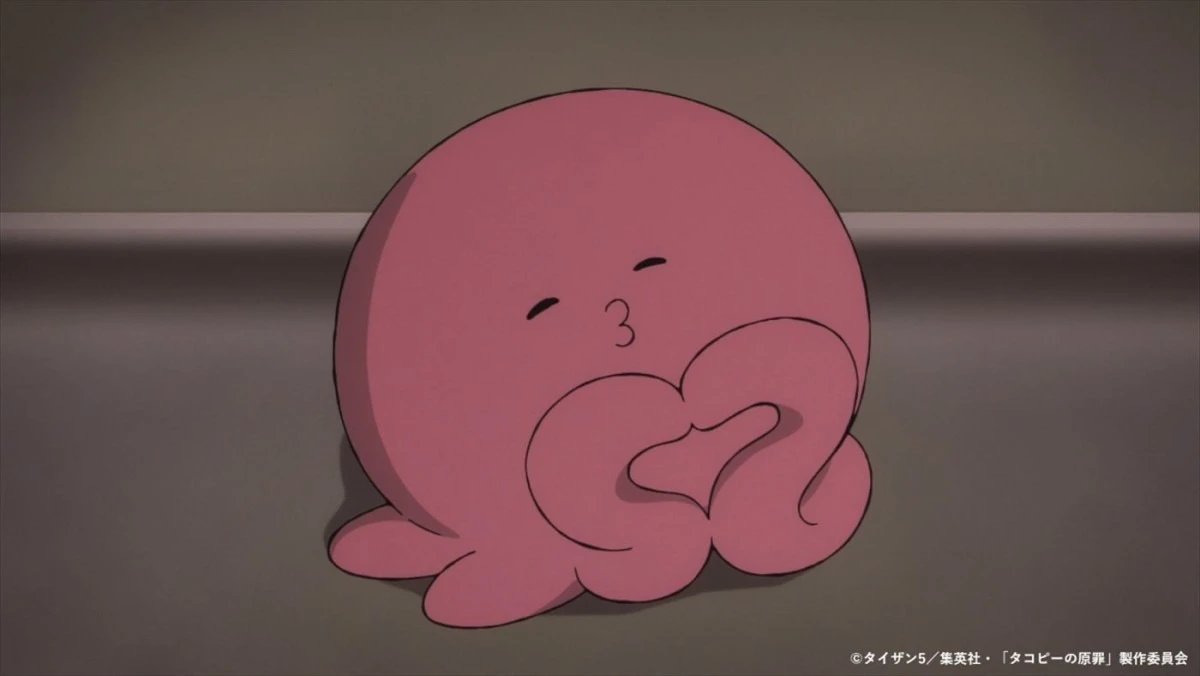
Takopi kicks off the story as its most unusual character. A Happian from the Happy Planet, he arrives on a mission to spread joy armed with gadgets like the Happy Camera, which erases memories or resets time. At first glance, his simple design and upbeat personality scream comic relief mascot, but in Takopi’s Original Sin, his arrival uncovers the fragility of human lives.
Voiced by Kurumi Mamiya in the anime, Takopi’s gadgets come alive on screen, underscoring how they only scratch the surface without touching deep scars. When he tries to help Shizuka escape bullying and despair, his efforts often backfire spectacularly. Resetting time or wiping memories might undo immediate fallout, but they never mend the lasting trauma or neglect. This leaves Takopi both innocently pure and tragically complicit in the escalating chain of events.
Fans often highlight how Takopi embodies the pitfalls of outsider intervention. No matter how advanced his tools, he can’t grasp the nuances of human emotions or the enduring harm of abuse. His naivety isn’t comforting; it’s gut-wrenching, as each “fix” spotlights the true brokenness. The anime delves deeper into Takopi’s backstory, revealing family-related trauma through mid-series twists that add layers beyond the manga.
In the end, Takopi transcends mascot status to become a mirror reflecting the world’s cruelty. By misreading human pain, he unwittingly pushes the characters and readers to grapple with responsibility, guilt, and the cost of trying to save others.
Shizuka Kuze: The Face of Trauma
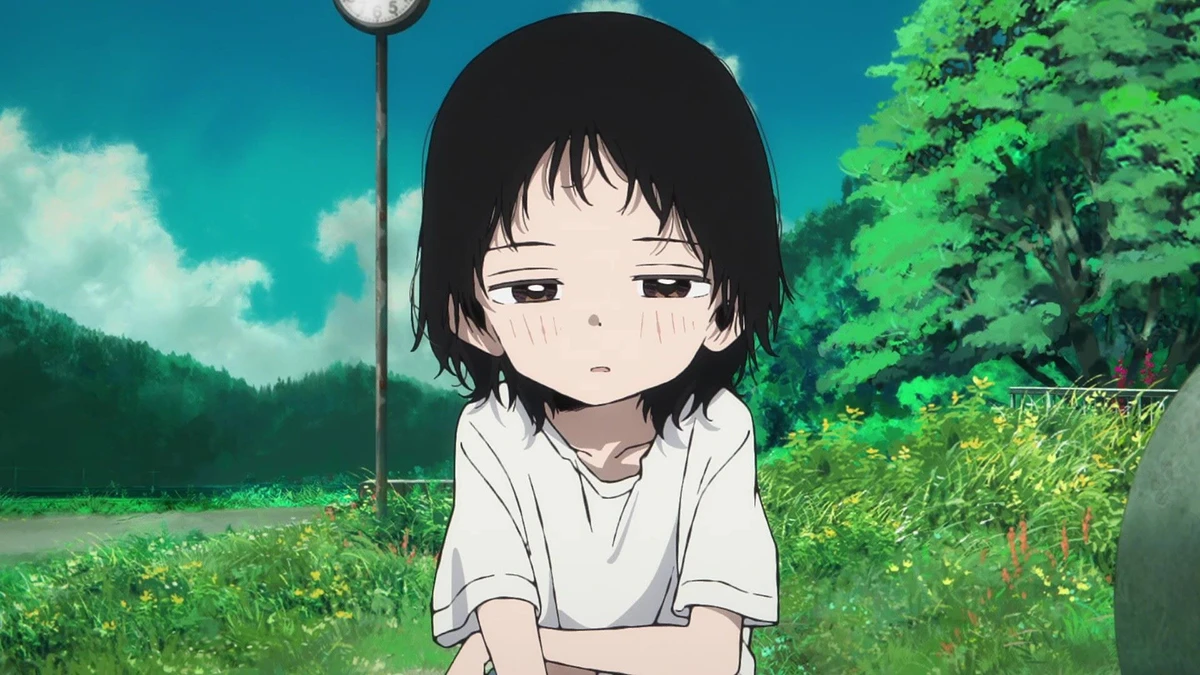
Shizuka Kuze sits at the heart of Takopi’s Original Sin, her struggles driving nearly every plot turn. From the start, she’s shown as a quiet, isolated girl who’s lost her smile, a direct result of nonstop school bullying and family neglect. She captures the brutal truth of how childhood innocence gets crushed under others’ cruelty.
In the anime, Reina Ueda’s voice brings Shizuka’s exchanges with Takopi to emotional peaks, especially in episodes 1 and 2 where she wields a gadget for suicide, sparking time loops. While Takopi promises happiness through his devices, Shizuka painfully knows they can’t heal her profound scars. Viewers see her as both a victim and an emblem of resilience. Even trapped in despair’s grip, her presence compels others to face their part in prolonging the suffering.
What sets Shizuka apart is how she lays bare the social issues fueling personal tragedy. She stands for kids who slip through cracks in dysfunctional families and apathetic schools. Her arc feels authentic, echoing real-world battles with bullying and isolation often swept under the rug. The anime’s detailed family and school scenes amplify these themes. Through Shizuka, the manga and anime pose tough questions on accountability and empathy: Is she doomed by her surroundings, or can she reclaim herself amid the hurt? She leaves audiences unsettled yet profoundly moved, as the emotional core of Takopi’s Original Sin.
Marina Kirarazaka: From Aggressor to Tragic Figure
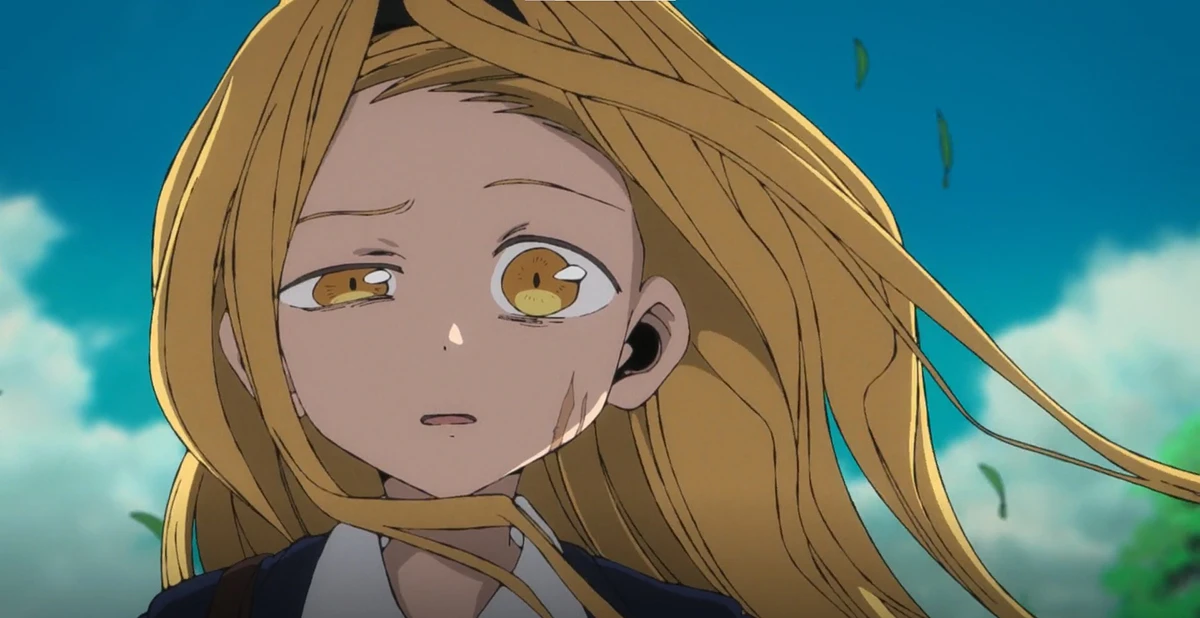
Marina Kirarazaka starts as an obvious villain. She torments Shizuka at school, mocks her loneliness, and fuels some of the manga’s darkest moments. To newcomers, she embodies childhood cruelty. But as the tale unfolds, her behavior stems from her own shattered world.
Voiced by Konomi Kohara in the anime, Marina isn’t just evil; she’s shaped by a home rife with neglect and chaos. Her outward aggression echoes the mistreatment she endures where love and guidance are nowhere to be found. This sparks a vicious cycle where the abused turns abuser, handing down trauma instead of breaking free. She proves kids lash out not from innate malice but from lacking healthier ways to handle pain.
Key turning points with Marina reveal this cycle’s devastation. She targets Shizuka, but her actions isolate her from peers, locking her in personal solitude. Her bids for control expose raw fear and insecurity, marking her as one of the story’s saddest figures. Mid-anime episodes expand on Marina’s viewpoint, including a confrontation leading to Takopi’s felony-murder via the Happy Camera, clarifying the violence loop. The work shows bullying rarely boils down to simple good versus evil; it often roots in profound social and family wounds. Marina’s collapse reminds us that kids’ cruelty often mirrors adults’ failures to protect and nurture.
Naoki Azuma: Peer Pressure and Moral Conflict
Naoki Azuma flies under the radar at first, but his role proves vital for grasping how peer pressure molds kids’ decisions. He lands in the awkward middle, neither as innocent as Takopi nor as hostile as Marina, where fear clashes with conscience.
Naoki’s choices illustrate the challenge of bucking group dynamics in childhood. He knows Shizuka’s treatment is wrong, yet he lets the bullying cycle roll on without stepping in. His silence and waffling don’t make him a hands-on bully, but they render him an enabler. This ethical tug-of-war feels achingly real, mirroring how bystanders often act in everyday scenarios.
Naoki stands out through his inner turmoil. He has empathy, but fear of becoming the next target holds him back. That hesitation rings deeply human, making him the most relatable soul here. Anna Nagase’s voice in the anime fleshes out Naoki’s perspective in episode 3, where he aids in hiding a crime, adding nuance. Takopi’s Original Sin widens its lens on trauma and guilt by including him. It reveals suffering’s loop isn’t just propped up by bullies and victims but by those who opt for inaction. His character urges reflection on duty in settings where silence lets cruelty thrive. Recent fan chats on X capture the buzz around his arc in the adaptation.
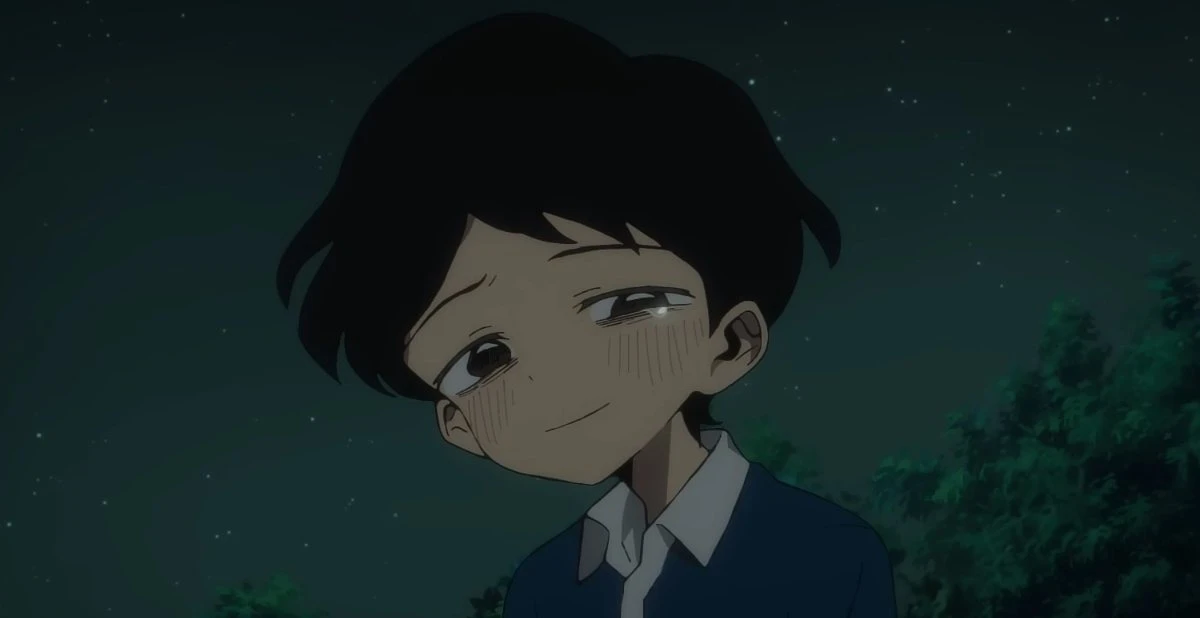
Character Dynamics and Interactions
Takopi’s Original Sin shines not just through solo characters but how their paths cross. Takopi, Shizuka, Marina, and Naoki each embody facets of childhood pain and survival, yet together they forge the momentum. Their bonds spotlight human relationships’ tangle, showing how innocence, guilt, and trauma spread from one to another.
Takopi crashes the scene as an outsider, wielding Happy Gadgets to patch issues he barely comprehends. His vibe cracks open rifts among the kids. Shizuka emerges as suffering’s hub, her reactions baring the wounds’ depth. Marina’s aggression slams into Shizuka’s fragility, while Naoki’s quiet underscores fear’s blockade on change. Each encounter tips the scales toward outcomes that feel fated and heartbreaking, heightened by the anime’s sound design and cinematography.
These dynamics also show how children echo their surroundings. Marina snaps because she absorbs home neglect. Shizuka retreats without family shields. Naoki wavers after learning safety trumps ethics. Takopi, alien roots and all, symbolizes naive faith that woes can vanish sans root fixes. Their clashes strip that delusion bare, forcing viewers to confront how violence loops form and persist. The anime’s viewpoint shifts, from Shizuka to Marina or Naoki, deepen this further.
Collectively, these figures prove no easy villains or heroes exist. Each gets ensnared in circumstances sculpting their paths, all feeding the grand “original sin” motif. Their ties form the emotional engine of manga and anime, leaving audiences pondering not just what unfolds but why.
Conclusion
Takopi’s Original Sin endures because its characters go beyond tragic roles to echo real struggles. Takopi captures innocence blind to human agony. Shizuka Kuze bears trauma and neglect’s crushing load. Marina Kirarazaka unveils how abuse flips victims to perpetrators. Naoki Azuma mirrors the mute bystander torn by fear and morals. Each spotlights a unique shade of childhood hurt, weaving a loop that’s both soul-crushing and true-to-life.
Analyzing these core four, elevated by the 2025 anime’s stellar cast and visuals, clarifies the manga’s grip. The narrative compels us to view how violent, neglectful worlds mold kids in varied ways. It challenges thoughts on duty, empathy, and snapping endless chains. With the full Takopi’s Original Sin anime out, including fresh timelines where Shizuka and Marina bond as friends via Takopi, it keeps fueling debates and introspection long past the credits.
These characters aren’t mere fiction symbols. They mirror worldly woes, explaining the series’ lasting spark. To grasp why this compact manga packs such a punch, unpacking its people is essential. Stream the series on Crunchyroll or join discussions on MyAnimeList. Fans inspired by these themes can also explore our curated anime-themed shirt collection.
