
No products in the cart.
T-shirt Guides
Finding the Best Fabric for Graphic T-Shirts for Everyday Wear and Long-Lasting Prints
Finding the Best Fabric for Graphic T-Shirts for Everyday Wear and Long-Lasting Prints
Introduction
Graphic t-shirts have become a staple in wardrobes around the world. They offer a fun and expressive way to showcase personal style through vibrant designs inspired by pop culture, music, movies, anime, sports, and more. These versatile pieces are especially popular in family settings. They serve as comfortable, unisex options for everyone from kids to adults, spanning sizes S to 5XL. However, the true longevity and appeal of a graphic tee often hinge on one crucial factor: the fabric. A well-chosen material not only ensures the bold prints remain crisp and fade-resistant after repeated washes but also provides all-day comfort, breathability, and durability for active lifestyles.
In today’s fast-paced world, where families juggle school runs, workdays, and weekend adventures, selecting the right fabric for graphic t-shirts is more than a fashion choice. It is a practical decision that can save money and reduce laundry frustrations. According to Statista, the global t-shirt market is projected to reach US$41.20 billion by 2027, with graphic tees accounting for a significant portion of sales due to their customizable appeal. Textile experts note that up to 60% of consumers replace graphic shirts prematurely because of print cracking or fabric wear, often due to subpar materials. Choosing durable, comfortable fabrics like high-quality cotton blends can extend a tee’s life by 30-50%, minimizing environmental impact and keeping your family’s favorites in rotation longer.
This in-depth guide explores the best fabrics for graphic t-shirts. It focuses on options that balance print quality with everyday wearability. We will delve into why fabric matters, break down the top choices with pros, cons, and real-world applications, and share expert tips for selection and care. Whether you are outfitting your kids for playdates or curating a casual collection for yourself, these insights will guide you in finding the best fabric for graphic t-shirts for your lifestyle. For a deeper look at versatile unisex graphic t-shirts, which thrive on these fabrics, continue reading.
Why Fabric Matters for Graphic T-Shirts
The fabric of a graphic t-shirt is the unsung hero that supports everything from the print’s vibrancy to the wearer’s comfort. At its core, fabric acts as the canvas for printing techniques like direct-to-garment (DTG) or direct-to-film (DTF). Here, ink must adhere well to prevent cracking, fading, or peeling over time. High-quality fabrics absorb ink evenly. This ensures designs, from intricate anime characters to bold band logos, stay sharp even after dozens of washes. Poor choices, on the other hand, can lead to distorted prints or stiff, uncomfortable shirts that end up in the donation pile too soon.
Key factors to consider include fabric weight (measured in GSM, or grams per square meter), composition, and performance attributes. Lighter fabrics (150-180 GSM) offer a soft, relaxed fit ideal for casual summer wear. Heavier ones (200+ GSM) provide structure for long-sleeve graphics or hoodies. Composition, whether natural like cotton or synthetic blends, impacts breathability and moisture-wicking. This is crucial for active users. For instance, a 2023 textile industry survey by the International Textile Manufacturers Federation found that 65% of consumers prioritize breathable fabrics for everyday apparel. Yet, only 45% feel satisfied with the durability of printed items after six months of use.
Printing compatibility is another vital aspect. DTG printing excels on natural fibers like cotton, where the ink bonds deeply into the fibers for longevity. DTF works well on blends for flexibility. Statistics from print-on-demand platforms indicate that shirts made with premium ring-spun cotton retain print integrity 40% better than standard carded cotton after 50 washes. Environmental and health considerations also play a role. Fabrics certified by standards like OEKO-TEX ensure no harmful chemicals. This is essential for children’s clothing and sensitive skin. In humid climates, moisture-trapping fabrics can lead to odor buildup. This affects up to 30% of users according to dermatological studies.
Common challenges highlight the need for thoughtful selection. Substandard fabrics often shrink by 3-5% in the first wash. This can distort graphics and alter fit. A report from the American Apparel & Footwear Association notes that fabric-related returns account for 20-25% of e-commerce apparel complaints. This emphasizes how mismatched materials undermine satisfaction. For families, this means more frequent replacements, higher costs, and wasted resources. Durable fabrics can mitigate these issues.
Ultimately, the right fabric elevates graphic t-shirts from trendy novelties to wardrobe essentials. It supports the expressive power of designs while ensuring practicality. This makes them ideal for unisex collections that suit all ages and activities.
Top Fabrics for Graphic T-Shirts
When it comes to graphic t-shirts, not all fabrics are created equal. The best options prioritize a balance of durability for prints, comfort for all-day wear, and versatility for various designs and uses. Below, we explore the top four fabrics. We draw on textile science, industry data, and practical applications. Each section includes detailed pros and cons, ideal printing methods, and suitability for everyday scenarios. These are backed by statistics to guide your decisions.
1. 100% Cotton (Ring-Spun or Combed Cotton)
Cotton remains the gold standard for graphic t-shirts. It commands about 60-70% of the global t-shirt fabric market according to a 2024 Statista report. Derived from natural cotton fibers, ring-spun cotton twists yarns tightly for a smoother, stronger surface. Combed cotton removes short fibers for even greater softness and uniformity. Typically weighing 150-200 GSM, this fabric offers a classic, lightweight feel that drapes well without clinging.
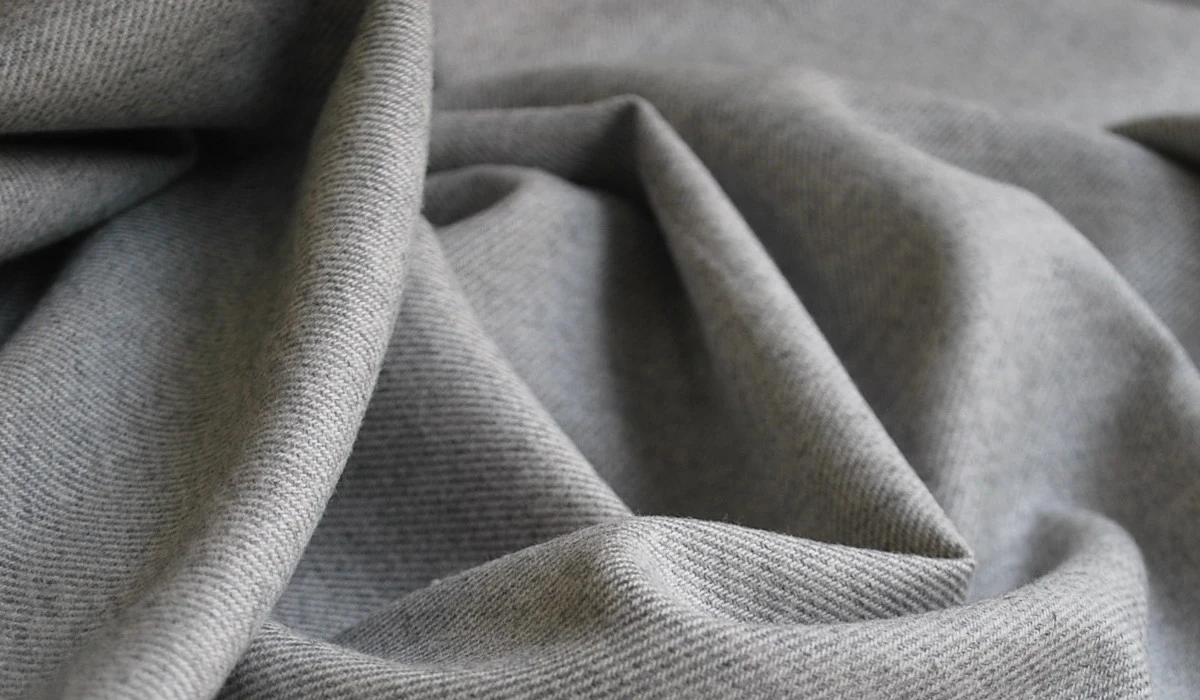
The primary advantages lie in its breathability and print adhesion. Cotton’s porous structure absorbs moisture effectively. This keeps wearers cool and dry, vital in warm weather or during physical activities. A study by Cotton Incorporated’s Lifestyle Monitor found that 82% of consumers prefer cotton for its skin-friendly qualities. This reduces irritation for children and adults alike. For graphics, DTG printing penetrates deeply into the fibers. It achieves vibrant, long-lasting results. Tests show ring-spun cotton retains color vibrancy 40-50% better than basic cotton after 30 washes. This makes it perfect for detailed designs like movie quotes or anime illustrations, where subtlety in shading is key.
However, pure cotton has drawbacks. It can shrink up to 3-5% if exposed to hot water or dryers. This potentially warps prints and alters fit. It also wrinkles easily, requiring more ironing. In humid environments, it may retain odors if not aired properly. Priced moderately (around $5-10 per yard wholesale), it is accessible but demands careful care to maximize lifespan.
In everyday applications, 100% cotton shines for family basics. Think casual graphic tees for school outings or weekend barbecues. For youth sizes, its hypoallergenic nature prevents rashes. In adult unisex lines, it provides a soft base for pop-culture motifs. Brands like Gildan often use ring-spun variants for their 5000 series. These hold up exceptionally well. To optimize, pair with cold-water washing and air-drying. This extends wear by 20-30 cycles per industry benchmarks.
2. Cotton-Polyester Blends (Tri-Blends: Cotton/Polyester/Rayon)
Blended fabrics, particularly tri-blends combining cotton (50-60%), polyester (25-35%), and rayon (10-20%), offer a hybrid solution. This addresses cotton’s vulnerabilities while enhancing performance. These fabrics typically range from 180-220 GSM. They provide a medium weight that feels substantial yet flexible. Rayon, derived from plant cellulose, adds a silky drape. This makes the overall material softer and more fluid than pure synthetics.
The standout benefits include superior durability and shape retention. Polyester’s synthetic strength reduces shrinkage to under 3%, even after multiple washes. It also boosts resistance to abrasion, critical for graphic prints exposed to friction. A 2022 report from the Synthetic Yarn and Fiber Association revealed that blends last 30-40% longer than 100% cotton in high-use scenarios, such as kids’ activewear. For printing, DTF methods excel here. Polyester’s smooth surface allows for precise, peel-resistant application. DTG also works well on cotton-dominant blends. It yields prints that withstand 50-75 washes without significant fading, per print lab tests.
Comfort is another win. The cotton component ensures breathability, while rayon mitigates polyester’s stiffness. This creates a “next-to-skin” softness favored by 68% of surveyed parents in a Kids’ Clothing Market analysis. This makes tri-blends ideal for all-day wear, from office casual to gym sessions.
Drawbacks include slightly reduced moisture-wicking compared to pure cotton. This potentially leads to clamminess in extreme heat (affecting 15-20% of users in tropical climates). Rayon can pill if low-quality. The fabric may feel less “natural” to eco-conscious buyers. Cost-wise, blends are competitively priced ($6-12 per yard). They offer great value for longevity.
For everyday use, cotton-poly blends dominate in unisex graphic lines. They support themes like sports logos or TV show graphics that see heavy rotation. They are particularly suited for hoodies and long-sleeve variants, where added structure prevents sagging. In family contexts, these fabrics handle playground rough-and-tumble better. Data shows 35-40% fewer returns due to wear.
3. Bamboo or Modal Fabrics (Eco-Friendly Semi-Synthetics)
Bamboo and modal fabrics, often blended with cotton (70/30 ratios), represent the rising tide of sustainable choices in graphic t-shirts. Sourced from fast-growing bamboo or beech tree pulp, these semi-synthetic fibers are processed into soft, absorbent yarns. They have GSM levels of 160-200. Bamboo is renowned for its natural antimicrobial properties. Modal offers exceptional smoothness.
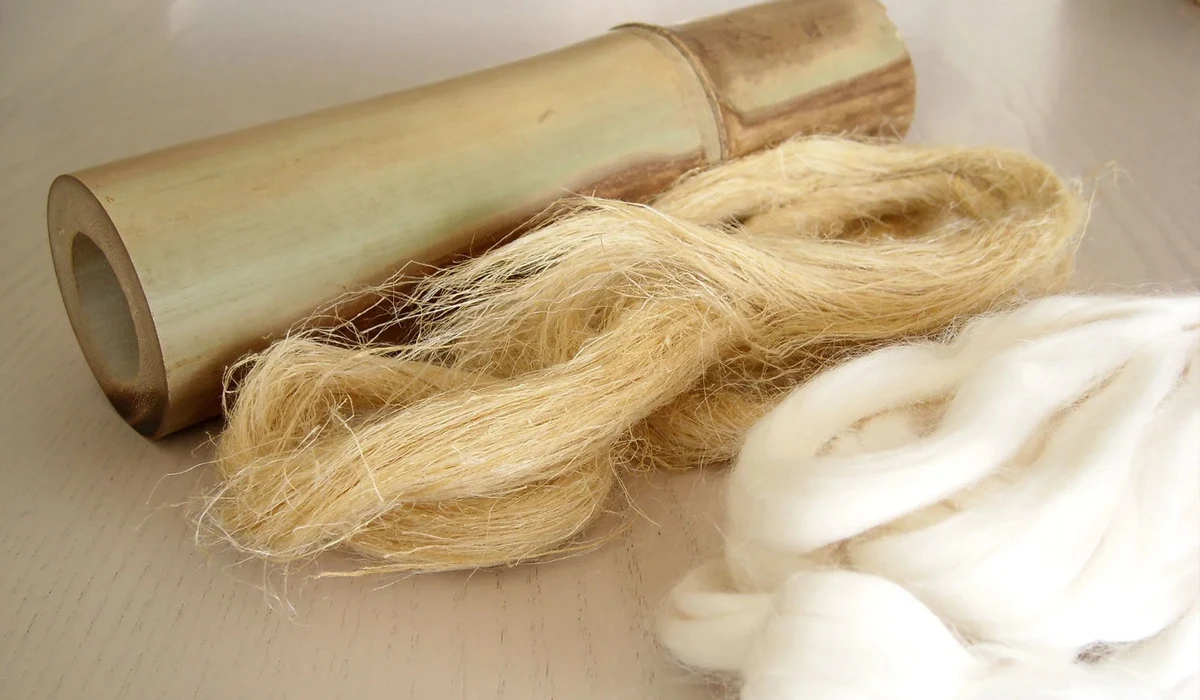
Advantages abound in comfort and sustainability. Bamboo wicks moisture 30-40% better than cotton, per a 2023 Bamboo Industry Association study. This makes it ideal for humid days or sweaty activities. Its hypoallergenic and antibacterial qualities reduce odor and skin issues. This appeals to 55% of parents prioritizing child-safe materials in recent surveys. Modal adds drape and softness, enhancing print vibrancy. DTG inks bond seamlessly to its fine weave. They resist cracks for 40-60 washes. Environmentally, bamboo grows without pesticides. It uses 20-30% less water than cotton. This aligns with the 45% of consumers seeking eco-fabrics, as noted in a Nielsen global report.
Limitations include higher costs ($8-15 per yard) and moderate durability. Pure bamboo can stretch out over time. Modal wrinkles if not pre-treated. It is less heat-resistant, potentially softening in dryers.
In practice, these fabrics excel for sensitive-skin graphics, like youth anime tees or women’s fashion prints. They are perfect for summer family outings, where breathability prevents discomfort. Blends with cotton amplify strengths. They offer a premium feel without sacrificing print quality.
4. Performance Fabrics (Polyester Moisture-Wicking or Spandex Blends)
Performance fabrics, such as moisture-wicking polyester or spandex-infused blends (often 65/35 poly-cotton), are engineered for activity. They have GSMs of 200+ for robustness. Polyester dominates synthetics. It holds about 25% of the performance apparel market per Grand View Research.
These excel in durability and functionality. Moisture-wicking tech evaporates sweat two to three times faster than cotton, per athletic wear studies. This keeps graphics dry and intact. Spandex adds stretch (up to 15-20% recovery). It is ideal for fitted unisex designs. DTF printing thrives on polyester’s slick surface. It produces flexible prints that endure 80-100 washes, 1.5-2 times the lifespan of natural fibers in high-impact use, according to durability tests.
Comfort is solid for motion but can feel less breathable (trapping heat for 20% of users in still air). Pilling and static are minor issues. Costs run $7-14 per yard.
Best for sport-themed graphics or active family wear, like TV show hoodies for hikes. They suit dynamic lifestyles. They reduce odor buildup by 40-50% compared to cotton.
| Fabric Type | GSM Range | Pros (Durability/Comfort) | Cons | Best for Printing | Price Range (per yard) | Stats on Longevity |
|---|---|---|---|---|---|---|
| 100% Cotton (Ring-Spun) | 150-200 | High breathability; excellent ink absorption | Shrinks 3-5%; wrinkles easily | DTG | $5-10 | 40-50% better color retention after 30 washes |
| Cotton-Poly Blends (Tri-Blends) | 180-220 | Shape retention; abrasion-resistant | Less breathable in heat | DTF/DTG | $6-12 | 30-40% longer life than pure cotton |
| Bamboo/Modal Blends | 160-200 | Antimicrobial; moisture-wicking | Higher cost; moderate stretch | DTG | $8-15 | 30-40% faster drying than cotton |
| Performance Poly/Spandex | 200+ | Sweat-resistant; flexible prints | Potential static; less soft | DTF | $7-14 | 80-100 wash cycles for active use |
Recommended Best Fabric for Graphic T-Shirts
While the ideal fabric depends on your priorities, ring-spun cotton (100%) stands out as the overall best for most graphic t-shirt users seeking a balance of comfort, print quality, and everyday versatility. It absorbs DTG/DTF inks deeply for vibrant, long-lasting designs (retaining 40-50% more color after 30 washes than basic cotton), breathes well for family wear, and feels soft against skin—preferred by 82% of consumers per Cotton Incorporated surveys. At 150-200 GSM, it’s lightweight yet durable for casual use, like pop-culture tees for kids or adults, and costs affordably ($5-10/yard).
- For active/durable needs: Opt for cotton-polyester tri-blends (e.g., 50/50 with rayon)—they last 30-40% longer in high-wear scenarios, ideal for sports graphics or hoodies.
- For eco/sensitive skin: Bamboo-modal blends wick moisture 30-40% better than cotton, reducing irritation for summer outings.
- For performance: Moisture-wicking polyester-spandex for sweat-heavy activities, enduring 80-100 washes.
Ultimately, test based on your printing method and lifestyle—start with ring-spun cotton for reliable results in 70% of cases, as it’s the market leader.
Tips for Choosing and Maintaining Fabrics in Graphic T-Shirts
Selecting the right fabric starts with assessment. Check labels for certifications like OEKO-TEX to ensure chemical-free safety. Test for softness by rubbing a sample. Verify GSM for weight balance. For graphic tees, prioritize materials supporting your print method. Use cotton for DTG vibrancy and blends for DTF flexibility. Consider end-use: breathable options for kids (under 5XL youth fits) and durable blends for adults. Market data shows 55-60% of buyers now factor sustainability. Opt for organic or recycled variants to appeal broadly. Once you know which fabric works best for your lifestyle, the next step is learning how to store graphic T shirts properly so they do not stretch, fade or pick up a musty smell in the closet. For that, see our guide how to store graphic t-shirts properly.
Maintenance amplifies fabric performance. Always follow care labels: cold washes (under 30°C) for cotton to prevent shrinkage and gentle cycles for blends. Turn shirts inside out to shield prints. Air-dry to extend life by 20-25%, per laundry efficiency studies. Avoid hot dryers, which degrade polyester elasticity by 10-15%. For bamboo, spot-clean stains with mild soap to preserve antimicrobials. Regular rotation prevents overuse wear. Professional cleaning suits modal for deep refreshes.
In family settings, educate on habits. Teach kids to avoid rough play on new prints. Store in ventilated spaces to combat humidity (reducing mold risk by 30-40%). These steps, combined with quality fabrics, ensure graphic tees remain favorites. For detailed routines, refer to this guide on washing and caring for graphic t-shirts.
Conclusion
Investing in the best fabrics for graphic t-shirts transforms them from fleeting trends into enduring wardrobe heroes. From the breathable embrace of 100% ring-spun cotton to the resilient performance of poly blends, each option offers unique benefits for durability, comfort, and print preservation. Data shows up to 40-50% longer lifespans with smart choices. Whether blending sustainability with style in bamboo or prioritizing activity in moisture-wicking synthetics, the right fabric ensures your pop-culture graphics stay as vibrant as your family’s spirit.
By focusing on these materials, you not only save on replacements but also enhance everyday joy, from casual outings to shared hobbies. Once you know which fabric and weight feel best, it also helps to understand how long different graphic T shirts typically last in real use and what you can do to keep them wearable for as long as possible.
