
No products in the cart.
T-shirt Guides
How Long Do Graphic T Shirts Last and How to Make Them Last Longer

You buy a graphic tee that feels great, looks sharp and fits perfectly, yet after only a few months the neck starts to stretch, the fabric loses its shape and the print looks cracked or faded. It is natural to wonder how long graphic t shirts are supposed to last and whether there is a realistic way to make graphic tees last longer without treating them like fragile collectibles.
There is no single number that applies to every shirt. The lifespan of a graphic tee depends on the fabric, the type of print, how often you wear it, how you wash it and how you store it between wears. The good news is that once you understand those factors, you can turn questions like how long do graphic tees last and how to make graphic tees that last into something you can control instead of leaving it up to luck.
Key factors that decide how long graphic T shirts last
Instead of asking how long a graphic tee lasts, it helps to ask what usually makes it wear out first. Looking at it this way makes the main variables easier to see and easier to change.
Fabric and GSM set the basic health of the shirt
Cotton, cotton blends and poly blends all react differently to friction, heat and repeated washing. Very thin, low GSM fabric can feel light and airy, but if it is washed on harsh cycles, dried too hot and worn constantly, it tends to lose shape and pill faster. Medium to heavier fabrics usually hold their form and structure better, especially if you reach for the same tee several times a week.
If you are still unsure which fabric matches your everyday habits, it is worth reading a detailed guide to choosing the best fabric for graphic T shirts, which breaks down cotton, blends, fabric weight and how they affect comfort and durability.
Print method and ink thickness decide how the artwork ages
Screen printing, DTG, DTF, heat transfers and puff inks all have different strengths. A very thick ink layer can look bold and raised, but if it is constantly bent, stretched or overheated in the dryer, it is more likely to crack and flake. A thinner layer that bonds more with the fabric may soften and fade gradually, yet often looks more naturally vintage over time instead of breaking suddenly.
How often and how hard you wear the shirt burns through its lifespan
A graphic tee worn three or four times a week, under a backpack strap, guitar strap or shoulder bag, and exposed to sweat and movement, ages much faster than one worn once a week in a gentler environment. Areas that rub against straps, armrests or seat belts will show wear long before the rest of the shirt.
Washing and drying habits are often the deciding blow
Hot water, aggressive spin cycles, skipping the inside out step, throwing tees in with jeans and zipper jackets, then using high heat in the dryer, is a very common recipe for shrinking fabric and making prints brittle. Cold water, gentle cycles, washing inside out and air drying or low heat drying can extend the life of the same shirt by years.
Storage conditions inside your closet can either protect or slowly destroy your tees
A damp wardrobe, folding shirts while they are still slightly wet, stuffing shelves so tightly that nothing can breathe or hanging graphic tees on thin, sharp edged hangers all make shirts wear out faster. A dry closet, some breathing room between stacks and hangers that actually match the shape of the shirt give the fabric and print time to rest between wears instead of being crushed and stretched.
How long do graphic T shirts last in real life?
There is no single perfect number that fits every shirt, only realistic ranges for different ways of buying and using them. Two people can buy the same graphic tee on the same day and end up with very different results depending on how they treat it.
Scenario 1: low quality shirt, rough use, harsh washing.
Imagine a very thin tee with a cheap print, bought as a souvenir or impulse purchase. The owner throws it in every load, uses hot water, never turns it inside out and always runs the dryer on high heat. In that situation the print usually starts cracking, the fabric pills and the collar stretches after only ten to twenty wash cycles. The “nice” phase of the shirt may last only a few months before it is demoted to a house shirt.
Scenario 2: midrange shirt, regular use, decent care.
Now imagine a graphic tee made from decent cotton or a good cotton blend, with a solid print. The owner washes it in cold water, usually turns it inside out, avoids hot drying when possible and wears it once or twice a week. In many cases the shirt keeps a reasonable shape, the neck does not sag badly and the print still looks good for roughly one and a half to three years before it clearly looks older. After that the colors may soften and the print may lose some sharpness, but it is still absolutely wearable for casual outfits.
Scenario 3: good shirt, careful use, consistent care.
In the third scenario, you start with a quality tee and print, always wash in cold water, keep it inside out in the machine, use gentle cycles, dry in the shade and store it in a dry, uncrowded closet. With that level of care and a normal rotation, many graphic T shirts can stay in good shape for three to five years or even longer. The print may slowly move toward a soft vintage look, but the fabric still feels solid and the neckline stays acceptable instead of collapsing.
If you are looking for a realistic answer to how long do graphic T shirts last, then for a reasonably good shirt that is washed, dried and stored with a bit of care, a lifespan of three to five years of regular wear is achievable for many people.
How to make graphic tees last longer by choosing better shirts
Wanting to know how to make graphic tees last longer should start at the moment you choose which shirts to buy, not only at the laundry step. Many people fall in love with the artwork and ignore the fabric, the weight, the stitching and the quality of the print, even though those details decide whether the tee can survive the way it will be used.
Start by being honest about how you will wear the shirt
A tee you plan to wear to the office or around town a couple of times a week has different demands than a tee meant for rehearsal, gigs, workouts or heavy travel. A novelty tee you will wear a few times can get away with lighter fabric. A “go to” tee that will see constant use should have a stronger base fabric and more robust construction.
Match fabric and GSM to your washing habits
If you know you rely on a washing machine and will not hand wash, then a slightly heavier fabric with a tighter knit is usually safer than very thin cotton. It handles friction in the drum better and is less likely to twist out of shape or shrink dramatically. The whole idea of finding tees that last starts with understanding how you really treat your clothes instead of how you wish you treated them.
Inspect the neckline, seams and print before you commit
A ribbed collar that snaps back into place, even and tidy seams without loose threads and a print that does not already show hairline cracks when you gently stretch the fabric are all good signs. If a tee has visible flaws straight off the hanger, those flaws rarely improve with time.
If you genuinely care about how to make graphic tees that last instead of constantly buying cheap shirts and throwing them away, then choosing the right shirt at the start is the most important step. Everything you do later in the wash and storage process only multiplies the base quality you chose at checkout.

How to make them last longer with better washing and drying habits
Washing is the easiest place to make changes and the place most people ignore. It is tempting to throw every garment into the same cycle, press one button and trust the machine to handle the details, yet that habit is one of the fastest ways to shorten the life of a graphic tee.
Avoid washing more often than the shirt really needs
If you only wear a tee for a few hours in a clean, cool environment and it does not smell or feel dirty, you can air it out and wash it later. Every wash cycle adds friction, twisting and stress to the fabric and print, so cutting unnecessary washes alone slows down the aging process.
Use cold water, turn shirts inside out and choose gentle cycles
Cold water helps reduce color fading and is easier on cotton fibers. Turning shirts inside out reduces direct abrasion on the print. Gentle cycles spin more slowly and generally cause less stretching and friction. If you must wash tees with jeans, zippers or hardware, putting them in a mesh laundry bag offers extra protection.
Many cracked or scuffed prints come from being thrown into the machine with rough fabrics, buttons and zippers or being washed on heavy duty programs, rather than from the print being poor quality. Small changes in how you separate and set up loads can dramatically change how long graphic tees last.
Keep the dryer on low or skip it when you can, and never iron directly on the print
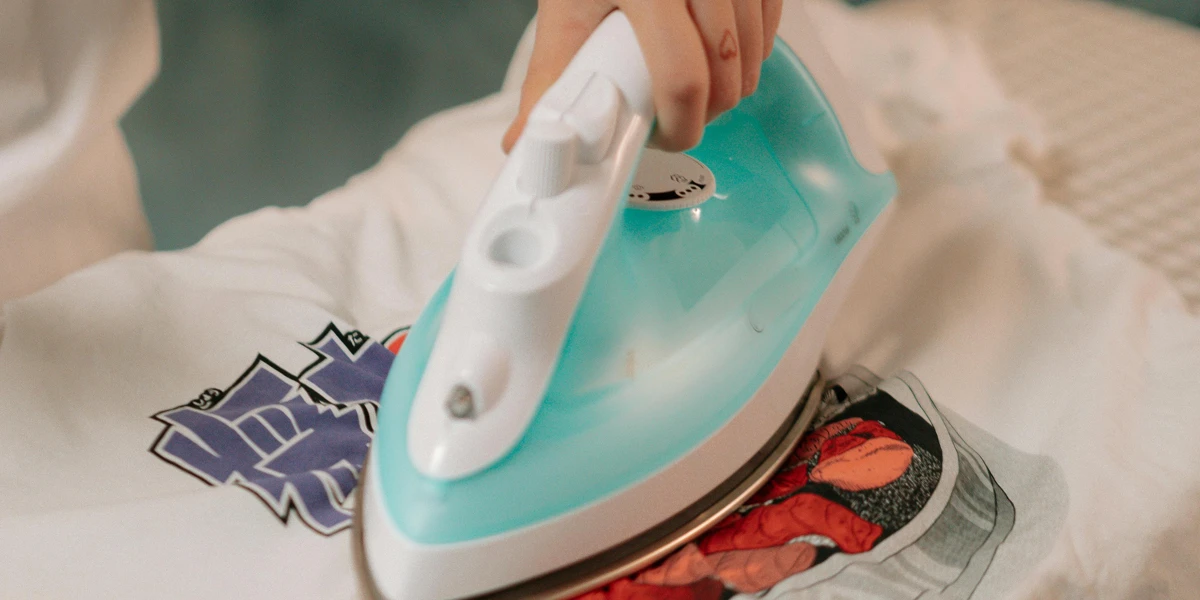
High heat in the dryer makes fibers contract aggressively, dries them out and over time makes both fabric and ink more brittle. When you can, air dry shirts in the shade. If you need the dryer, use lower heat and shorter cycles. When ironing, flip the shirt inside out or place a thin cloth between the iron and the design so the print is not exposed directly to heat.
If you want a step by step routine that covers detergent choice, machine settings and drying in more depth, you can read a full washing and care guide for graphic T shirts. That article focuses on the wash routine itself, while this guide connects those habits directly to shirt lifespan.
How to make them last longer with better storage and closet habits
Many shirts do not fail in the washing machine, they fail quietly in the closet. After washing correctly and drying fully, people still fold tees while they are slightly damp, press them into overcrowded shelves or hang them on flimsy hangers. The result is stretched necklines, crushed prints and a faint musty smell that is hard to remove.
If you compare one group of tees stored against a damp wall with no moisture absorbers and rarely opened doors to another group stored in a dry section of the closet with some breathing room, moisture control and occasional airing, the difference becomes obvious after a few months. The damp group often feels limp and smells stale, necklines lose their shape faster and the fabric looks tired, even when both groups were washed the same way.
Make sure shirts are completely dry before you fold or hang them
A tee can feel dry on the outside while still holding moisture deep in the fibers, especially if it is thick or dried indoors. Giving it a little extra time to dry through before folding or hanging greatly reduces the chance of trapped moisture turning into musty smells or mildew spots later.
Do not overpack drawers and rails, and consider upright folding
Stacking tall piles of folded tees puts heavy weight on the shirts at the bottom and compresses prints for long periods. Folding shirts so they stand vertically in a drawer lets you see every design at a glance, pick one without tugging the rest and spreads pressure more evenly. If you hang shirts, use rounded, appropriately sized hangers and avoid overloading one hanger with multiple tees.
Control humidity inside the closet
Simple tools like silica gel packs, moisture absorbers or activated charcoal bags are very useful in humid climates. Place them on lower shelves, near exterior walls or in deep corners where air does not move much, and replace them regularly. On dry days, open the doors for a few minutes to let air circulate through the wardrobe.
This section is a high level overview. If you want a more detailed breakdown of closet layout, folding and hanging methods and moisture control, take a look at an in depth guide to storing graphic T shirts in the closet, which focuses entirely on storage and long term protection.
When should you retire a graphic tee?
Not every graphic tee needs to be saved at all costs. A sensible approach to how to make graphic tees last longer includes knowing when to change a shirt’s role instead of forcing it to stay a main outfit piece when it is clearly past its prime.
Sign 1: the print has gone too far.
When the artwork is heavily cracked, flakes off in larger chunks or feels very hard and brittle to the touch, keeping that shirt as a centerpiece of an outfit can make you feel less confident. At that point it often makes more sense to demote it to home wear or keep it for sentimental reasons rather than pushing it back into rotation.
Sign 2: the fabric is worn thin or has holes in key areas.
If the armpits, shoulders or front panel are worn to the point where holes are appearing, or repairs would be very visible, then the shirt has moved beyond the “still looks good” phase. Stitching or patching may keep it physically wearable, yet it will no longer look the way a main graphic tee should.
Sign 3: stubborn odors that do not fully disappear.
If you have already used vinegar, baking soda, sunlight and fresh air and followed detailed musty odor removal steps, yet the shirt still carries a strong unpleasant smell, it becomes a hygiene issue as much as a style issue. At that stage retiring the shirt is often the healthier choice.
Soft retirement options for a favorite tee.
Instead of throwing the shirt away, you can turn it into a sleep shirt, a shirt for chores, or cut and repurpose the artwork in a quilt, patchwork project or wall hanging. The memories and design remain, they simply move to a new context where signs of age are less of a problem.
FAQ: quick answers about graphic T shirt lifespan
How long do graphic T shirts usually last if I wear them once or twice a week?
For a tee with decent fabric and a good quality print, washed in cold water, turned inside out, dried gently and stored in a dry closet, a realistic range is about one and a half to three years before it clearly looks older. With careful use and a moderate rotation, some shirts stay in good shape for three to five years.
How do graphic T shirts last if I wear the same one every week?
Wearing the same tee two or three times a week and washing it after each wear puts far more stress on it than a lighter rotation. In that situation, low quality shirts can look tired after only a few months, while better made tees with good wash habits may still last a couple of years. The more often a specific shirt is worn and washed, the more important gentle care becomes.
Does pre shrunk fabric make a graphic tee last longer?
Pre shrunk fabric mainly reduces surprise shrinking in the first few washes and helps the fit stay more stable. It does not automatically make a tee immortal, but a good pre shrunk shirt combined with reasonable washing and storage habits tends to feel more dependable, because you do not lose the fit you liked after the first handful of washes.
How can I make graphic tees last longer without babying them too much?
You do not need to hand wash every shirt or dry them in a climate controlled room. Simple habits go a long way: choose better base fabric, use cold water, wash inside out, avoid very hot drying, dry in the shade when possible, keep the closet dry and do not overpack drawers. These small changes can significantly extend the life of your tees without turning laundry into a complicated ritual.
Conclusion
There is no single universal answer to how long graphic T shirts last, yet there are many parts of the equation you can influence. Choosing a solid shirt at the start, paying attention to how you wash and dry it and giving it a healthier storage environment each add extra months or years to its life.
When you look across real examples, a clear pattern appears. Most disasters where prints crumble quickly, collars collapse and shirts pick up strong closet odors come from the same habits repeated over time, such as hot washes, high heat drying and damp, crowded wardrobes. On the other hand, people who make a few simple adjustments in these areas often notice that their graphic tees age more gracefully, last longer and keep looking good enough to wear proudly instead of being downgraded before their time.
