
No products in the cart.
Music
Why Is Morrissey From The Smiths Controversial? Legacy And Cultural Impact
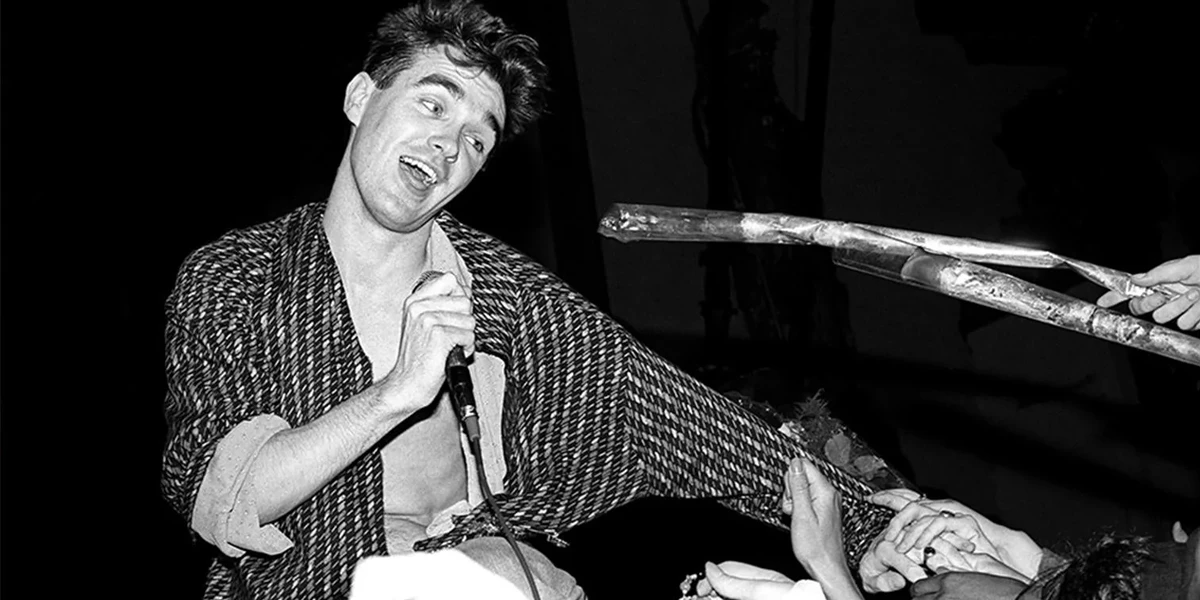
Morrissey, lead singer of the band The Smiths from 1982 to 1987, was once an icon of post-punk music with lyrics delving into love, social isolation, and institutional critique. However, from the 1990s onward, he became a deeply divisive figure in the music community through a series of shocking political and social statements. The question “why is Morrissey from The Smiths controversial” goes beyond personal scandals to reflect the tension between art and the artist’s views. These controversies include racism allegations, anti-immigration stances, and most recently, 2025 events like tour cancellations due to security threats and libel lawsuits. Most existing articles merely list incidents superficially. They lack deep analysis of the chronological timeline and long-term effects on The Smiths’ legacy and global fanbase. This piece fills that gap by exploring Morrissey’s background, a detailed timeline of controversies from the 1980s to 2025, and consequences for the band and its fans. For more on the band’s internal dynamics, read about drummer Mike Joyce of The Smiths, who played a key role in their early success.
Foundation of Morrissey and The Smiths: From Music Icon to Divisive Figure
Formation of The Smiths and Morrissey’s Role
The Smiths formed in May 1982 in Manchester, England, with Morrissey (Steven Patrick Morrissey) as lead vocalist and Johnny Marr as lead guitarist, alongside bassist Andy Rourke and drummer Mike Joyce of The Smiths. The band quickly emerged as a revolutionary force in indie rock and post-punk, blending Marr’s jangly guitar with Morrissey’s poetic, often self-deprecating lyrics. Their debut album The Smiths (February 1984) introduced this signature style, with tracks like “What Difference Does It Make?” exploring themes of loneliness and gender identity, positioning Morrissey as a queer icon in the 1980s. By 1986, The Queen Is Dead was hailed as a masterpiece, critiquing British royalty and consumer society, selling millions and influencing artists like Radiohead and The Strokes. The Smiths sold millions of albums worldwide (estimated over 4 million), and despite frequent rumors, they were not inducted into the Rock and Roll Hall of Fame until the class of 2025, announced in April with the ceremony on November 8, though internal rifts make a full reunion unlikely. Yet from the start, Morrissey sowed seeds of controversy with sensitive lyrics. For instance, “Hand in Glove” (1983) sparked discussions on ambiguity in his songwriting due to interpretations of homosexual themes. Another early incident was “Suffer Little Children” from the debut album, which recounted the 1960s Moors Murders. This series of child killings in Manchester by Ian Brady and Myra Hindley used the victims’ real names, prompting some record stores to pull the album for allegedly “glamorizing” crime. Morrissey later met a victim’s mother to explain the song as a tribute to the children, but the event marked the beginning of his “shock” image. Morrissey’s role extended beyond singing to social storytelling, but these lyrical choices drew tight scrutiny from British media. The Smiths’ formation mirrored Manchester’s declining industrial landscape, where Morrissey, raised in an Irish immigrant family, used music to express discontent with capitalism and social norms. By their August 1987 breakup, The Smiths left an indelible legacy, but internal conflicts between Morrissey and Marr over management and creativity foreshadowed future issues.
Morrissey’s Solo Career After The Smiths
After The Smiths disbanded in August 1987 due to personal clashes between Morrissey and Marr, mainly over grueling schedules and poor management, Morrissey swiftly launched a solo career. His debut Viva Hate (March 1988), produced by Stephen Street from The Smiths era, achieved major success, with the hit “Everyday Is Like Sunday” capturing his familiar melancholic tone and peaking at number 9 on the UK Singles Chart. Follow-up albums like Kill Uncle (1991) and Your Arsenal (1992) delved into more personal themes but also signaled a shift from pure music to political activism, including the track “Margaret on the Guillotine” from Viva Hate, which prompted police interest after Thatcher’s resignation. The 1990s were dubbed the “black phase” in Morrissey’s ties with British music press, featuring NME articles accusing him of disrespecting fans through cancellations and constant Smiths comparisons. He grew more reclusive with media, frustrated that his past “denied” his future, and claimed his new band outshone The Smiths technically. Morrissey’s solo run maintained appeal, with 13 studio albums and dozens of releases to date, but controversies increasingly overshadowed the music. Compared to The Smiths’ enduring legacy through streams and tribute tours, Morrissey’s solo path suffered heavily from his statements, fueling ongoing tensions with Marr over management and politics. In 2024, Morrissey reissued “Interlude” (a duet with Siouxsie) on gold vinyl for Record Store Day, but reunion efforts stalled due to ideological differences. This transition not only marked artistic growth but paved the way for larger scandals, where Morrissey used his solo platform for increasingly extreme social views.
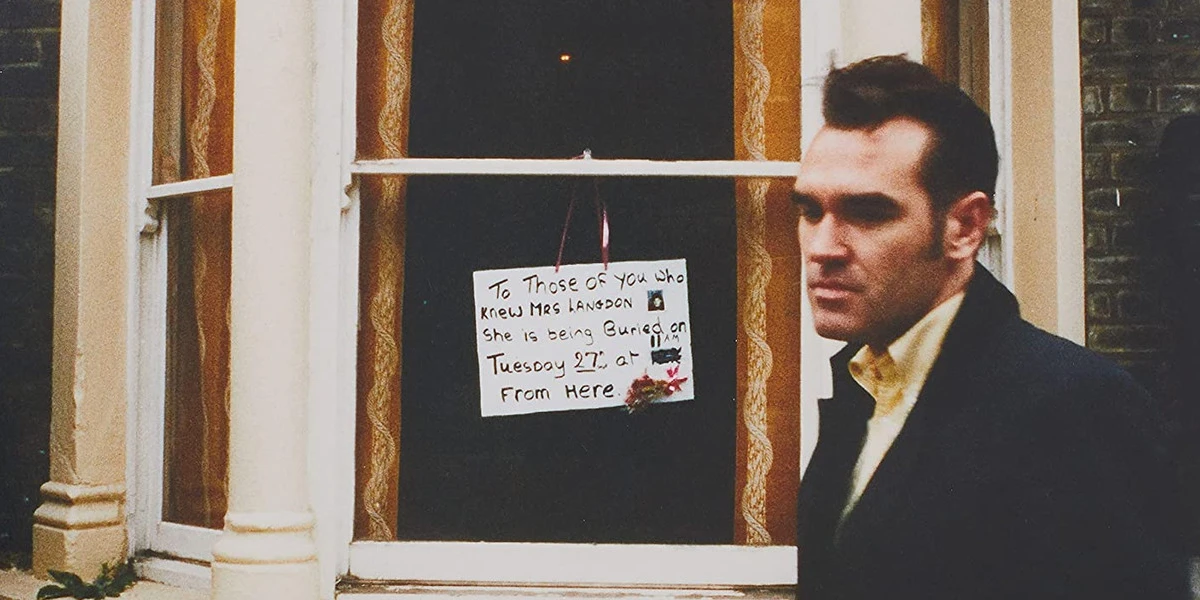
Timeline of Morrissey’s Major Controversies: From the 1980s to 2025
To clarify “Morrissey racism controversy explained” or the impact of his political views on The Smiths, a detailed timeline is essential, drawn from reliable sources like NME, Wikipedia, and historical reports. This timeline analyzes direct quotes and media reactions to provide evidence-based insights.
1980s to 1990s: Foundations of Early Statements
Morrissey’s first controversies stemmed from lyrics and remarks during The Smiths era, laying groundwork for his divisive image. In July 1986, the single “Panic” drew criticism for the line “Hang the DJ,” seen as opposing reggae and Black music amid American rock dominance, favoring traditional British sounds. Morrissey later clarified the song targeted media, but racism accusations spread, especially after praising 1960s British music and calling reggae “rubbish” in interviews. In 1984, he openly despised Prime Minister Margaret Thatcher, labeling her “the wicked leader” and wishing her destruction following the Brighton hotel bombing, leading police to search his home for threats. “Margaret on the Guillotine” (1988) from solo album Viva Hate repeated “When will you die?” just before Thatcher’s 1990 resignation, earning charges of lacking humanity. By 1991 to 1992, in an NME interview, Morrissey made remarks seen as praising the British Empire and stereotyping Mexicans as lazy, while staging a Finsbury Park concert in August 1992 with a Union Jack flag before a skinhead crowd, interpreted as far-right sympathy; this led to a long-running dispute, including a 2011 libel case against NME that settled in 2012 with an apology. This prompted an NME cover dubbing him “Morrissey: The Messiah?” in mocking tones, and he accused the press of “misrepresenting” him. These remarks occurred amid 1980s British racial tensions post-Brixton riots, where Morrissey, son of immigrants, seemed at odds with his roots. By the late 1990s, feuds with celebrities like calling Madonna “organized prostitution” (1991) amplified his oppositional image but marked escalation from lyrics to direct speech.
2000s: Escalation with Political and Social Issues
The 2000s saw Morrissey expand statements from personal to broader politics. In 2002, the documentary The Importance of Being Morrissey featured him calling for “Bring me the head of Elton John,” alluding to a vegetarianism feud and accusing Elton of hypocrisy for eating meat, echoing his animal activism from “Meat is Murder” (1985). In June 2007, Morrissey labeled Chinese people a “sub-species” in a Guardian interview for wildlife consumption, sparking fierce backlash from PETA and Asian communities, with activists branding him “racist.” He justified it as animal protection advocacy, but the quote spread widely as xenophobia evidence. In 2010 interviews and later in his 2013 Autobiography, Morrissey described Britain as a “national front family” and slammed multiculturalism as “filth.” This unfolded amid the post-2008 economic crisis, where his anti-immigration views resonated with some voters but alienated The Smiths’ diverse fanbase. In November 2017, after the Manchester Arena bombing, a Der Spiegel interview revealed his strongly critical remarks about immigration and Islam as “quite aggressive and dangerous,” linking it to terrorism; he later posted a transcript disputing how his comments were framed, though audio confirmed the quotes. These views evolved from 2000s British nationalism, where Morrissey positioned himself as a “defender of British culture” against globalization. Fan reactions included petitions and boycotts, yet he persisted.
2010s to 2020s: Recent Scandals and Impact on Career
From the 2010s, Morrissey’s controversies peaked with clear political ties and legal fallout, updated to 2025. In 2017 to 2019, he supported the anti-Islam For Britain party led by Anne Marie Waters, displaying party flags at concerts and calling Muslim leaders “hate preachers,” drawing Islamophobia charges from The Guardian and BBC. At the 2019 Hollywood Bowl show, he displayed For Britain imagery and defended Kevin Spacey and Harvey Weinstein amid #MeToo, leading BMG to drop him in November 2020 over diversity concerns; Capitol signed him in 2021 but parted ways in December 2022 after shelving the album Bonfire of Teenagers due to racism issues (a separate 2019 interview questioned Holocaust scale based on books, but not tied to the drops). In 2019, he backed Tommy Robinson (EDL founder jailed for contempt of court) as a “political prisoner.” By March 2025, his feud with Sparks escalated as Morrissey accused them of “stealing” ideas, and he complained of a “war on free speech” blocking album releases. In 2024, Morrissey claimed a “lucrative offer” for a 2025 Smiths reunion, but Marr explicitly refused, stating “I didn’t ignore the offer, I said no” and posting a Nigel Farage photo to mock it, reflecting political rifts (Morrissey’s Brexit/Farage support since 2016). Marr refuted Morrissey’s trademark claims, confirming joint registration in January 2024 to protect the band’s name after a 2018 third-party attempt, which Morrissey has not signed. In 2025, the UK/Ireland/Europe tour with openers Brigitte Calls Me Baby proceeded in Dublin and Manchester, but two US shows (Connecticut on September 19 and Boston on September 20) were canceled over a “credible threat” received before an Ottawa concert on September 12 that went ahead. In April 2025, Morrissey sued a UK individual for “libellous content” via lawyers Levy & McRae, with The Times reporting it as defamation related to alleged stalking, not parody. These events show controversies extend beyond words to career impacts like reduced streams and disrupted tours.
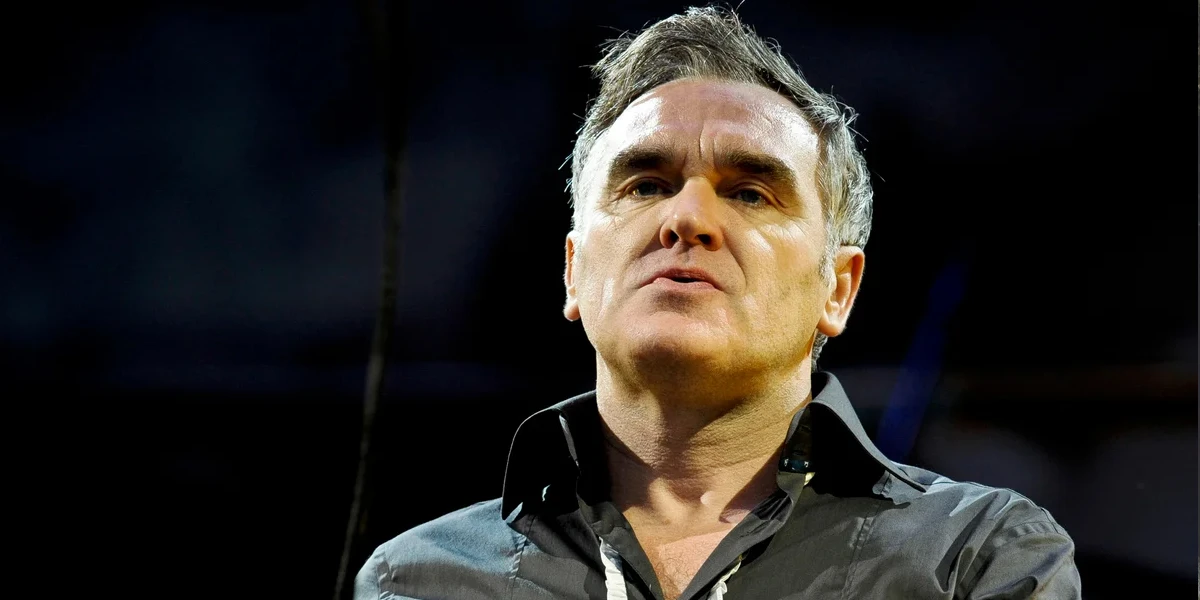
Impact of Controversies on The Smiths’ Legacy and Pop Culture Fanbase
Influence on Band Legacy and Internal Relationships
Morrissey’s controversies have overshadowed The Smiths’ legacy, turning the once-unified band into a source of prolonged internal conflict. Johnny Marr publicly opposes Morrissey’s views, like Farage and Reform UK support, calling it a “drawback” for any reunion, especially after refusing the 2025 offer. Royalty disputes from Mike Joyce’s 1996 lawsuit (winning 25% after Morrissey and Marr cut him) linger, combined with politics reducing reunion chances despite “lucrative” invites. The Smiths’ legacy, with albums like Strangeways, Here We Come (1987), remains strong, but Morrissey’s issues label the band “problematic,” affecting tributes and licensing. Politics deepened divides, with Marr stressing “differences in personalities” blocking progress. As a result, The Smiths reunion seems unlikely despite fan desire, reshaping legacy through modern accountability lenses.
Reactions from Fanbase and Music Community
The Smiths’ fanbase split deeply over Morrissey’s controversies, with a 2018 BBC discussion highlighting divided opinions on separating art from artist, though many turned away (subjective estimates from social media samples). The queer/LGBTQ+ community, once viewing Morrissey as an icon via lyrics like “This Charming Man,” now criticizes his far-right support, leading to anti-concert petitions and #MorrisseyIsCancelled on Twitter. On Reddit, most Smiths fans “despise him as a person” for racism yet stream the music. Discussions noted boycotts post-2019 scandals, with anti-racism groups like Hope Not Hate calling for them, though Spotify monthly listeners remain stable at around 2.4 million. Younger fans (Gen Z) forgive less, deeming The Smiths “problematic” and reducing TikTok engagement. Music community responses include Marr’s 2016 memoir Set the Boy Free rejecting reunion over “ideological differences,” solidifying rifts. Overall, controversies weaken the fanbase, but The Smiths’ music retains essential listening appeal.
Conclusion
From The Smiths’ iconic foundation to a decades-spanning controversy timeline, Morrissey’s issues from racism allegations to 2025 lawsuits have complexly reshaped the band’s legacy. Statements on immigration, Islam, and free speech not only affected his solo career but deepened internal conflicts and fan divides, making “why is Morrissey from The Smiths controversial” an endless pop culture topic. Still, The Smiths’ music embodies rebellion and raw emotion, transcending Morrissey’s personal shadows. To celebrate the timeless rebellion of The Smiths, browse our selection of graphic tees inspired by their musical legacy at Inkrare.
