
No products in the cart.
Music
Johnny Marr’s Journey: Meeting Morrissey, Leaving The Smiths, And Thriving Solo
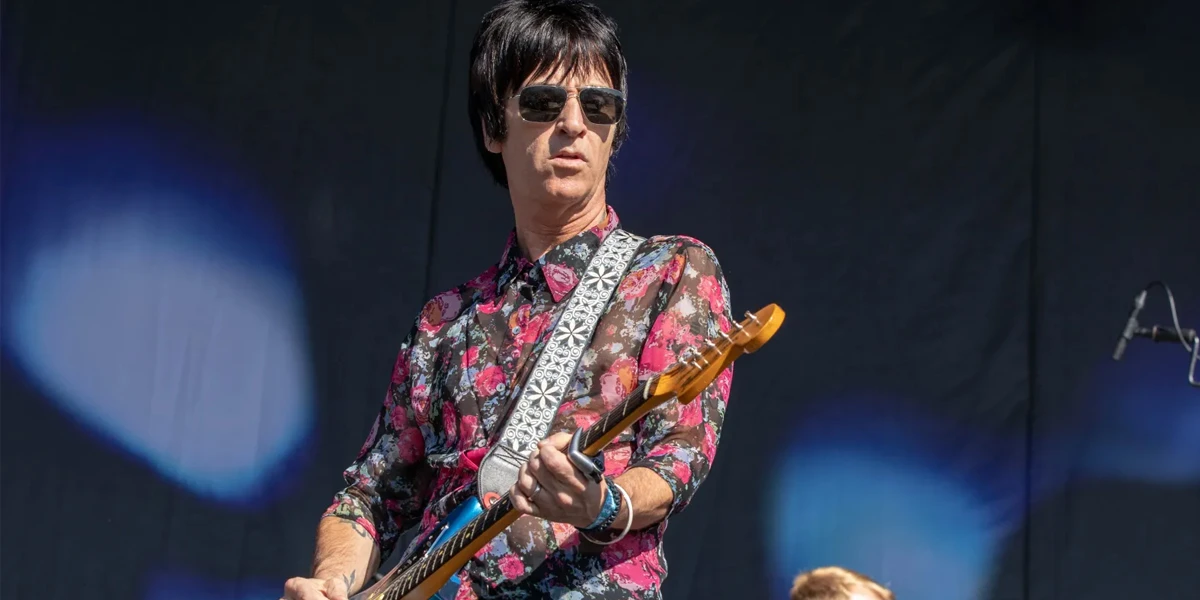
Johnny Marr’s Journey: Meeting Morrissey, Leaving The Smiths, And Thriving Solo
Johnny Marr is one of the greatest guitarists Britain has produced, cofounding the band The Smiths in 1982 and helping shape the jangly pop sound that profoundly influenced modern indie rock, from Radiohead to The Strokes. His journey from a young man in postindustrial Manchester to a global music icon is not just a tale of rapid success but one of resilience and enduring creativity, emerging from The Smiths’ shadow to build a diverse career. As a continuation of the series on The Smiths’ members, this article connects to Morrissey’s controversial legacy and drummer Mike Joyce‘s early role, highlighting Marr as the “silent storyteller” behind the band’s triumphs. Marr’s path proves that perseverance and innovation can overcome discord, reshaping pop culture without needing a reunion. As Marr shared in a 2023 Forbes interview: “I have to surmise that my life has turned out pretty f***ing crazy,” a statement reflecting his optimism after over 40 years in the industry.
How Did Johnny Marr and Morrissey Meet? The Spark of The Smiths
To understand Johnny Marr’s journey, we must return to the Manchester of the 1980s, a city in postindustrial decline where punk and postpunk music offered an escape for the youth. Johnny Marr, born on October 31, 1963, to Irish immigrant parents, grew up in a working-class family in Ardwick, Manchester. By age 13, Marr was obsessed with the guitar, playing in local bands like Sister Ray and White Dice alongside his future bandmate, bassist Andy Rourke. Marr’s childhood is vividly depicted in his memoir Set the Boy Free, where he describes afternoons wandering smoke-filled streets, listening to music on the radio and dreaming of a bigger world. He not only learned to play the guitar but also composed, drawing inspiration from artists like Bert Jansch and Davy Graham for their folk style, as well as The New York Dolls and The Rolling Stones. By 18, Marr was a skilled guitarist, but he was still searching for a voice to create something groundbreaking.
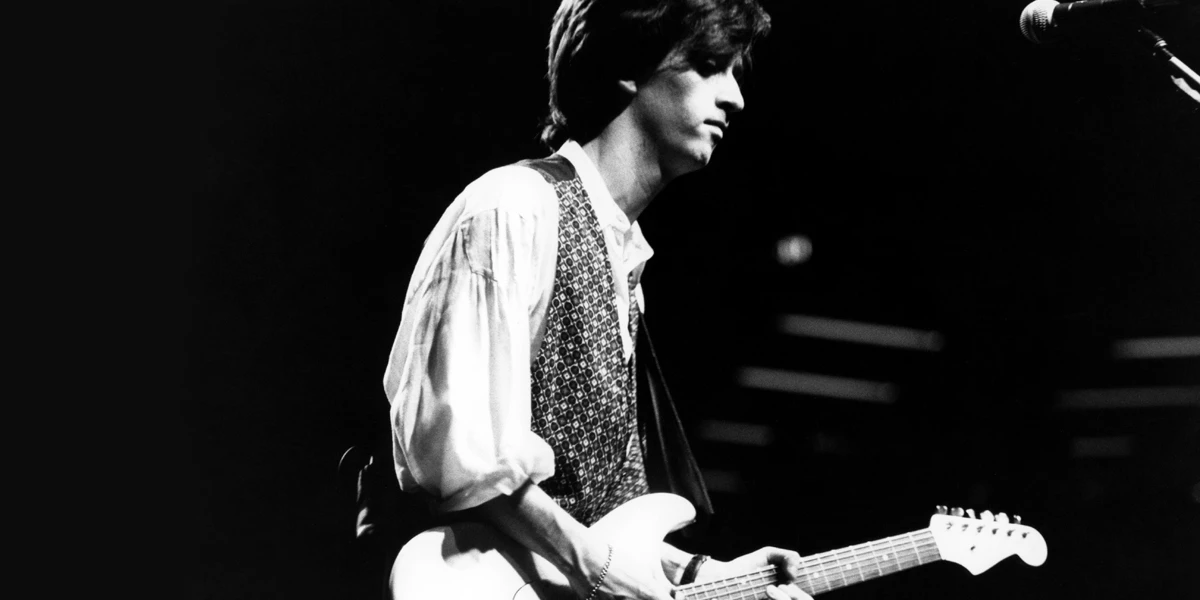
The fateful meeting between Johnny Marr and Morrissey took place in May 1982, after an introduction via a mutual friend, when Marr went to Morrissey’s home in Stretford. Marr, then seeking a singer for his new band, had heard about the 23-year-old Steven Morrissey, an avid fan of Oscar Wilde and glam rock. They immediately connected deeply. In Set the Boy Free, Marr recalls: “We were like two halves of a whole,” as they shared passions for 1960s music and poetic lyrics. The first meeting lasted hours, with Marr playing guitar on his old Rickenbacker and Morrissey singing evocative lines about social isolation. Just weeks later, they decided to form The Smiths, recruiting Rourke from White Dice and drummer Mike Joyce, who brought a solid rhythm to the group.
The initial collaboration between Marr and Morrissey quickly created The Smiths’ “magic.” Marr provided inventive soundscapes with his signature jangly riffs, a clean, shimmering guitar style inspired by The Byrds but infused with British depth, while Morrissey penned lyrics delving into love, gender identity, and social critique. Their debut album The Smiths (1984), produced by John Porter, introduced this style through tracks like “What Difference Does It Make?,” reaching No. 2 on the UK Albums Chart. This was followed by Meat Is Murder (1985), their first No. 1 album, featuring the title track’s call for vegetarianism, which has influenced many fans to adopt plant-based diets. Marr proudly writes in his memoir: “I am very proud of the fact that 20 years on people tell me they became a vegetarian as a result of ‘Meat Is Murder.'” The pinnacle came with The Queen Is Dead (1986), a masterpiece critiquing British royalty and consumer society, certified gold in the US with 500,000 units. The Smiths collectively sold millions of albums worldwide for blending music with incisive wordplay.
The role of the punk/postpunk Manchester scene, where Joy Division and Buzzcocks influenced the band’s formation, played a crucial part in this success. Marr and Morrissey’s meeting was no accident but the product of a local music network, birthing a band that became an icon for the queer community and disaffected youth. As Marr describes in Set the Boy Free: “The music was my way into somewhere, as well as a way out.” Deeper analysis reveals the perfect balance in their partnership: Marr’s optimistic, inventive guitar contrasting Morrissey’s melancholic lyrics, creating a lasting pop culture allure. Without that 1982 encounter, The Smiths might have remained a local act, and Marr may not have become a British guitar icon.
Timeline of The Smiths’ Rapid Ascent
- 1963: Johnny Marr born in Manchester.
- 1982: Marr meets Morrissey via mutual friend; The Smiths form.
- 1984: Debut album The Smiths reaches UK No. 2.
- 1985: Meat Is Murder hits UK No. 1.
- 1986: The Queen Is Dead released; band breaks up in 1987.
What Did Johnny Marr Do After The Smiths? A Diverse Solo Path
The Smiths’ breakup in 1987 marked a dark chapter for Johnny Marr, but it also opened a diverse and more successful path than anticipated. At 24, Marr left the band due to exhaustion from lengthy US tours, creative differences with Morrissey (who wanted Marr’s full focus on The Smiths), and management disputes, feeling exploited in royalties. Their final album Strangeways, Here We Come (1987) still hit No. 2 in the UK and sold over 500,000 copies worldwide. Rather than retreating, Marr dove into new collaborations, proving he was not bound by The Smiths’ shadow.
The 19871999 period saw Marr establish himself as a versatile artist. He joined The Pretenders, playing guitar on the single “Windows of the World” (1988), a dreamy Burt Bacharach cover, and toured Europe with Chrissie Hynde, learning to adapt to classic rock dynamics. Simultaneously, Marr worked with The The, his childhood friend Matt Johnson’s band, on Mind Bomb (1989) and later appeared on Dusk (1993), featuring the funky guitar riff on “Dogs of Lust,” which reached UK #25. This marked Marr’s shift to experimental rock, influencing Manchester’s Madchester scene. The era’s peak was Electronic, a project with Bernard Sumner from New Order. Starting in 1988, Electronic released “Getting Away with It” (1990), featuring Neil Tennant from Pet Shop Boys, hitting No. 12 in the UK and becoming a European hit. Marr described in his memoir: “We were open to any sounds, any ideas.” Follow-up albums like Raise the Pressure (1996) explored electronic rock, with Marr playing over 20 guitar types, showcasing his versatility. Electronic lasted until 2001 without formally disbanding, and Marr called it his “freest project.”
Into the 2000s, Marr diversified further. He formed Johnny Marr + The Healers, releasing Boomslang (2003) with the blues-rock single “Down on the Corner,” though sales were modest. A key milestone was 7 Worlds Collide, Neil Finn’s 2001 charity supergroup featuring members from Pearl Jam, Radiohead, and Split Enz. Marr performed two Smiths songs and new tracks, leading to the Oxfam-benefiting album The Sun Came Out (2009), where Marr co-wrote and performed “Too Blue” with Neil Finn. In 2007, Marr joined Portland’s Modest Mouse, contributing guitar to We Were Dead Before the Ship Even Sank, his first No. 1 on the US Billboard chart, with “Dashboard” highlighting his classic jangly riff. Marr left after the 2008 tour but left an imprint, as band front-man Isaac Brock noted: “Johnny manages to fit into our world while making his presence felt.”
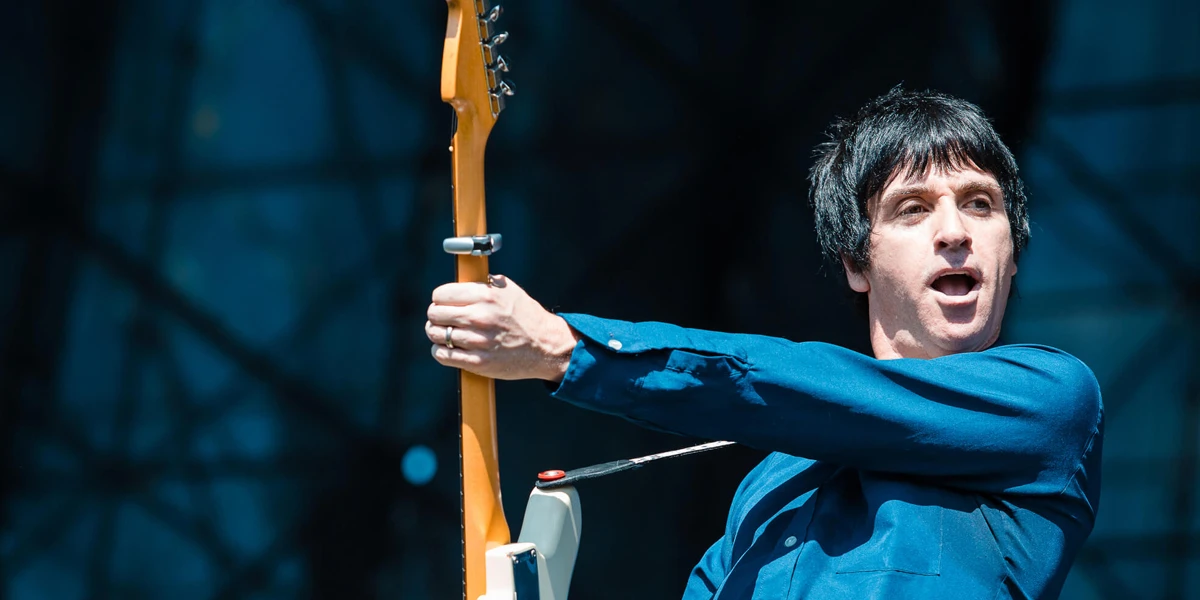
Next came The Cribs (20082011), the Jarman brothers’ band from Leeds. Marr met Gary Jarman by chance in Portland and joined, crafting Ignore the Ignorant (2009), which hit No. 8 in the UK, blending Marr’s jangly style with the Cribs’ punk on “We Share the Same Skies.” In Set the Boy Free, Marr wrote: “I tried to make it an agenda for us to have a very deliberate two-guitar assault.” Marr also guested with Oasis on Heathen Chemistry (2002) and scored films like Inception (2010) with Hans Zimmer, expanding into Hollywood’s ambient soundtracks. He later collaborated with Zimmer on No Time to Die (2021), bringing guitar back into the score.
From the 2010s onward, Marr’s solo career exploded. His debut The Messenger (2013) reached No. 10 in the UK, with “Generate! Generate!” celebrating guitar rock. Follow-ups included Playland (2014, UK #9), Call the Comet (2018, No. 7, addressing social themes), and Fever Dreams Pts 14 (2022, No. 4, his first double LP, featuring Neko Case). Marr toured with The Killers (2022, covering Smiths songs) and collaborated with Billie Eilish (2023) on a soundtrack. The compilation Spirit Power: The Best of Johnny Marr (2023) summarized his path, with the 2024 UK tour selling out. Marr has contributed to over 10 albums with other bands, produced for numerous artists, and built a distinct legacy, contrasting Morrissey’s controversy-bound path.
Marr’s guitar style stands out: The Rickenbacker 330 creates his signature jangle, influencing Britpop (Oasis, Blur) and indie (Arctic Monkeys). In Guitar Player 2022, he said: “There’s a lot of guitar culture that I don’t like at all,” yet he positioned The Smiths at the forefront of the UK’s 1980s scene. Marr evaded The Smiths’ shadow through diversification, from session work to mentoring via Epidemic Sound (2024). This demonstrates Marr as an adaptable icon, with a 40year career of nonstop innovation. His solo work on Spotify has exceeded 500 million streams since 2013.
Johnny Marr Post-Smiths Discography Highlights
| Project/Album | Year | Key Contribution/Chart |
|---|---|---|
| The Pretenders “Windows of the World” | 1988 | Guitar/tour |
| The The Mind Bomb | 1989 | Guitar |
| The The Dusk “Dogs of Lust” | 1993 | Guitar (UK #25) |
| Electronic “Getting Away with It” | 1990 | Single UK No. 12 |
| Oasis Heathen Chemistry | 2002 | Guitar |
| Johnny Marr + The Healers Boomslang | 2003 | Debut solo band, modest sales |
| Modest Mouse We Were Dead Before the Ship Even Sank | 2007 | US Billboard No. 1 |
| The Cribs Ignore the Ignorant | 2009 | UK No. 8 |
| Solo The Messenger | 2013 | UK No. 10 |
| Playland | 2014 | UK No. 9 |
| Call the Comet | 2018 | UK No. 7 |
| Fever Dreams Pts 14 | 2022 | UK No. 4 |
| Spirit Power compilation | 2023 | Bestof, sold out 2024 tour |
Chart positions verified via Official Charts and Wikipedia discography.
Are Johnny Marr and Morrissey Still Friends? From Collaboration To Distance
The rift between Johnny Marr and Morrissey is one of rock’s most famous feuds, evolving from tight collaboration to an unbridgeable divide. After The Smiths’ success, tensions arose in 1986 from grueling tour schedules; Marr, at 23, felt “burnout” and yearned to explore new music, while Morrissey clung to the old style. The official 1987 breakup stemmed not just from creative clashes but poor management, leading to royalties lawsuits (Marr and Morrissey sued by Mike Joyce in 1996, who won 25% after being cut out). In his memoir, Marr wrote of “ideological differences” as a key factor, especially linked to Morrissey’s controversial legacy, where his extreme political views pushed Marr further away.
The relationship between Johnny Marr and Morrissey is no longer close. Though they were “best friends” in the early days, it soured in the late 1980s amid public disputes over band name rights. Marr rejected reunions in 2011 and 2025, despite Morrissey accepting a “lucrative” offer (millions of pounds), citing “bad vibe.” In a 2024 Instagram post, Marr mocked it with a Nigel Farage photo, alluding to Morrissey’s Brexit support, which he opposes. Marr confirmed in a 2024 Pitchfork interview: “We were ideologically different,” prioritizing mental health over money. The tension timeline:
- 1996: Joyce lawsuit deepens the split.
- 2016: Memoir reveals “strained relationships” with Morrissey.
- 2023: Marr dismisses Morrissey’s trademark accusations for The Smiths, confirming registration to protect the legacy.
- 2025: Marr turns down reunion tour, stating “the vibe’s not right.”
Yet Marr respects their shared legacy: He covers “This Charming Man” on tour and acknowledges The Smiths as an “essential part of my life.” The feud is not personal enmity but differing visions; Marr is outward-facing with broad collaborations, while Morrissey is more insular. On Reddit, fans discuss: “Johnny moved on, Morrissey didn’t.” This analysis draws from quotes by both, showing no reunion despite fan hopes, but it freed Marr creatively. Marr said: “Once I’d learnt Jean Genie, I don’t need to know anyone else’s stuff now,” symbolizing independence. Overall, their dynamic illustrates early rock success’s challenges, where friends become business partners.
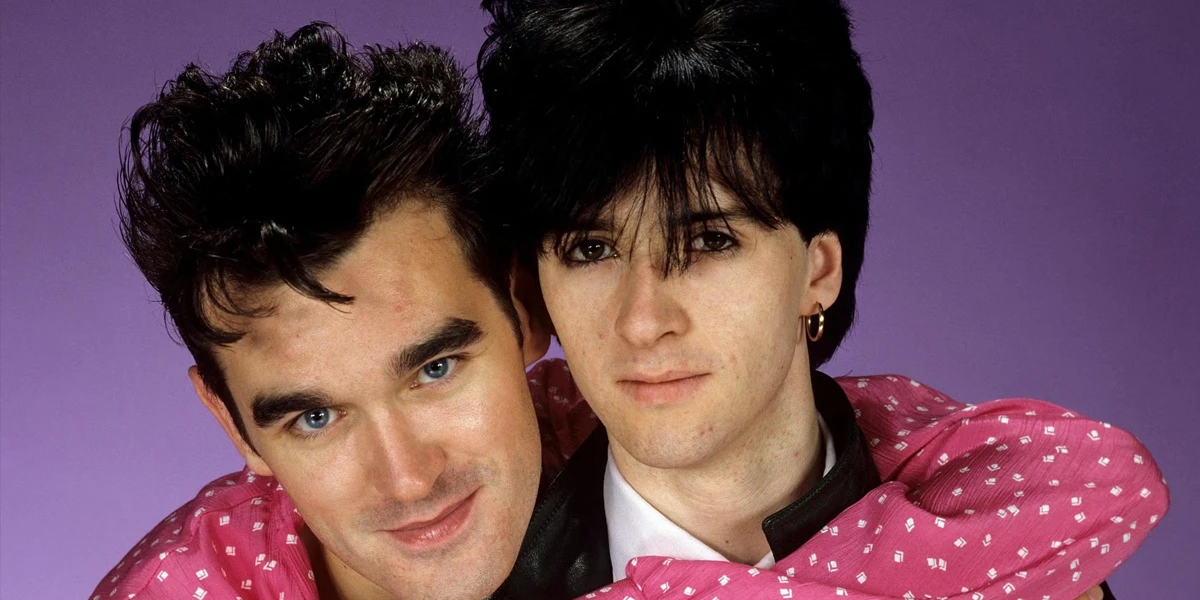
Johnny Marr’s Lasting Influence And Future
Johnny Marr’s influence extends far beyond The Smiths, with his jangly guitar style forming the bedrock of indie/alternative music. He inspires The Killers (2022 joint tour), NGHB, and The Strokes through inventive riffs on the Rickenbacker, as in “There Is a Light That Never Goes Out.” Marr is also an environmental activist, partnering with Oxfam via 7 Worlds Collide, and scores films like Inception and No Time to Die. Awards include NME’s Godlike Genius (2013), and the 2023 book Marr’s Guitars details his 100guitar collection.
The future looks bright: 20252026 tours across North America, Europe, and more, plus the new live album Look Out Live! (2025), capturing energy from recent shows and mentoring through Epidemic Sound (2024) for young artists like Billie Eilish. Marr’s collaborations continue with Pet Shop Boys and Kirsty MacColl. He embodies “reinvention” in pop culture, as in an interview: “Enjoy the process no matter the outcome.” With over 474.7K monthly listeners on Spotify, Marr remains a living icon.
Conclusion
From his 1982 meeting with Morrissey to solo triumphs, Johnny Marr’s journey proves a legacy transcending The Smiths through creativity and adaptation. This resilience inspires pop culture fans. To honor Johnny Marr’s guitar legacy, explore our collection of Smiths-inspired graphic tees at Inkrare.
