
No products in the cart.
Games
Resident Evil Timeline: Key Events from Progenitor to Village (1966-2025)
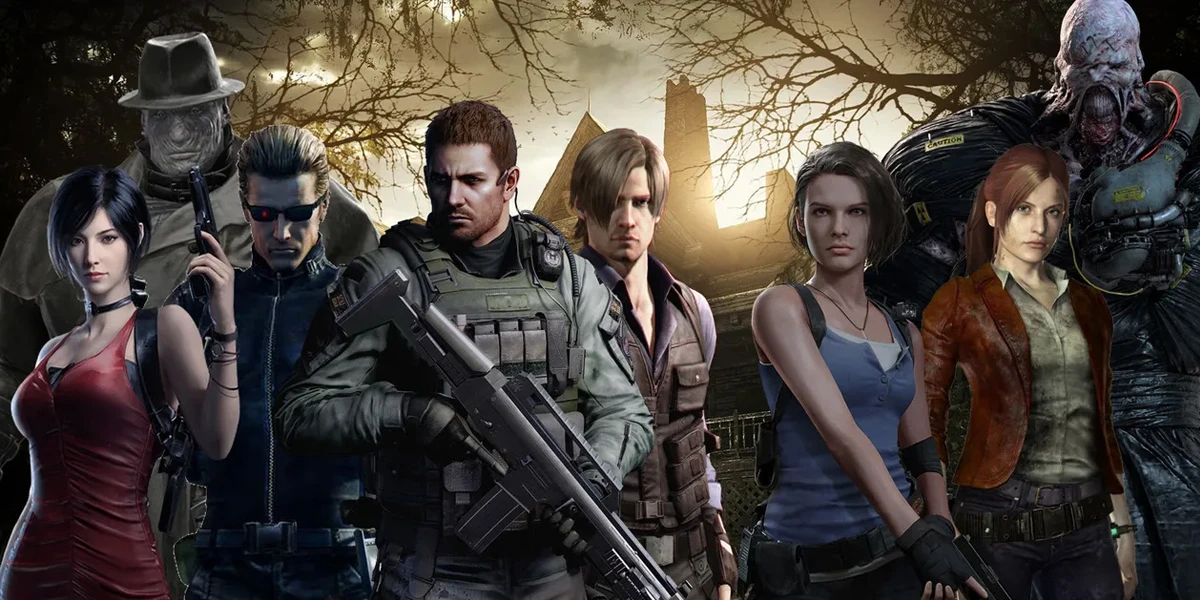
The Resident Evil series unfolds across decades of interconnected events, weaving a complex tapestry of viral outbreaks, corporate intrigue, and heroic survival against unimaginable horrors. From the shadowy origins of the Progenitor Virus in the 1960s to the modern-day confrontations in Eastern Europe, the timeline spans pre-game lore to the latest entries, providing fans with a chronological roadmap to the franchise’s escalating global threats. This detailed breakdown of Resident Evil timeline follows the canon established in the mainline games, spin-offs, and official media, highlighting pivotal moments like the Arklay Mansion incident and the fall of Raccoon City, while addressing common questions such as “How does the series’ chronology work with remakes?” and “What connects the early viruses to later mold-based stories?”
For a broader exploration of the franchise’s development and cultural impact, refer to the Resident Evil franchise’s history, lore, and legacy. Whether piecing together the S.T.A.R.S. team’s fateful missions or tracking the evolution of bio-organic weapons, this timeline reveals how each event builds on the last, creating a world where one leaked vial can doom civilizations. As the series progresses toward its ninth mainline installment, Resident Evil Requiem in 2026, the narrative continues to expand, hinting at unresolved echoes from Raccoon City’s destruction. The franchise has sold approximately 178 million units worldwide as of September 30, 2025, underscoring its enduring popularity.
Pre-Game Foundations: The Birth of Umbrella and Early Viral Research (1960s-1970s)
The Resident Evil saga’s roots lie not in the games themselves but in the clandestine world of bioweapon development, beginning decades before the first outbreak. In 1966, during an expedition to the Ndipaya region in West Africa, Oswell E. Spencer, Edward Ashford, and James Marcus discovered the Progenitor Virus within the rare Stairway of the Sun flower. This potent mutagen, extracted from the plant’s unique properties, promised enhanced human capabilities but carried the risk of uncontrollable mutations, laying the groundwork for all future viruses in the series.
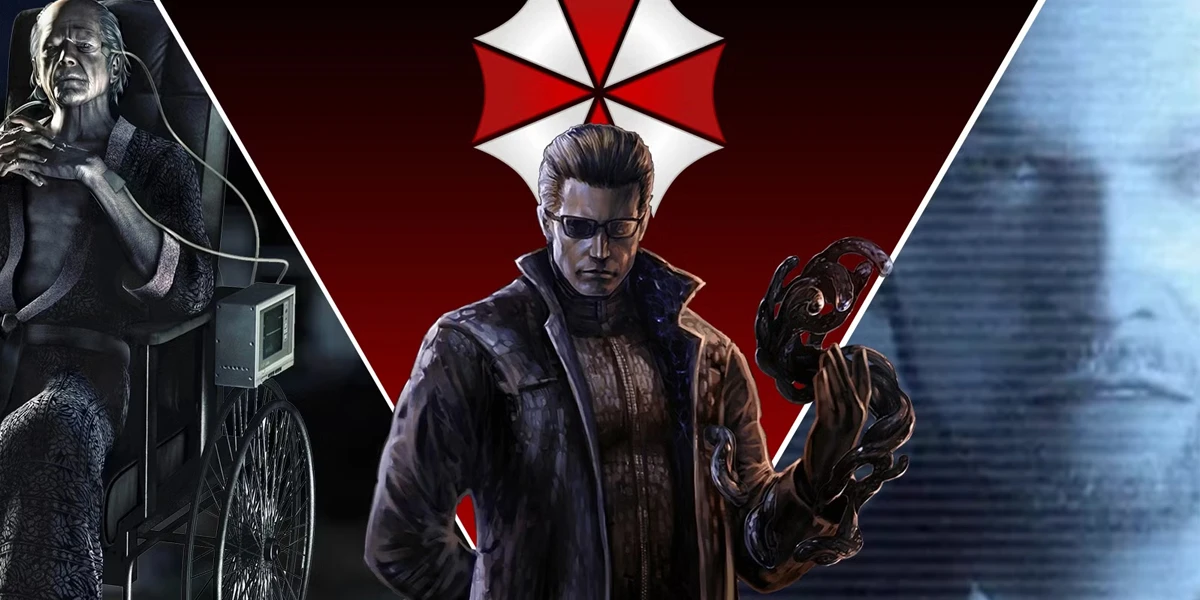
Miranda’s Megamycete research inspired Spencer, who later discovered the Progenitor Virus in Africa and founded Umbrella. By 1968, the trio established Umbrella Pharmaceuticals as a legitimate front for their experiments, masking bioweapon pursuits under pharmaceutical advancements. Umbrella’s early years focused on stabilizing Progenitor, with Marcus establishing the Arklay Laboratory in the 1970s, where leeches were used as hosts to refine viral strains.
The breakthrough came in 1978 with the creation of the T-Virus, a derivative of Progenitor that targeted the central nervous system to reanimate dead tissue, resulting in zombies driven by insatiable hunger. Tests on animals and unwilling subjects foreshadowed the horrors to come, with early incidents like escaped infected wildlife in the Arklay Mountains hinting at containment failures. These foundational events establish Umbrella’s dual nature: a corporation saving lives through vaccines while engineering doomsday weapons, setting the stage for the 1990s disasters. Fans often wonder about the real-world inspirations; the viruses draw from virology concepts like retroviruses and prions, amplified into fictional nightmares.
By the late 1970s, internal rivalries emerged, with Spencer’s aristocratic ambitions clashing with Marcus’s unorthodox methods, including his 1988 assassination by Umbrella agents, though files later reveal his resurrection via leech cloning. This era’s secrecy allowed Umbrella to expand globally, funding facilities worldwide while maintaining a facade of benevolence, unknowingly planting the seeds for the bio-terror that would engulf Raccoon City.
The Arklay Mountains Incident: Dawn of the Outbreaks (July 1998)
The timeline ignites in the summer of 1998, when bizarre cannibalistic murders in the Arklay Mountains near Raccoon City prompt the deployment of the Special Tactics and Rescue Service (S.T.A.R.S.). On July 23, the Bravo Team, led by Enrico Marini and including Rebecca Chambers, investigates, only to encounter the derailed Ecliptic Express train infested with leech-like creatures from James Marcus’s revived experiments. Resident Evil Zero captures this prequel chaos, as Rebecca teams with escaped convict Billy Coen to uncover Umbrella’s involvement, culminating in the Queen Leech boss fight that exposes Marcus’s grudge against Spencer for his 1988 death.
The next day, July 24, Alpha Team, comprising Chris Redfield, Jill Valentine, Barry Burton, and captain Albert Wesker, arrives to search for Bravo. Resident Evil (1996, remade 2002) unfolds in the Spencer Mansion, a labyrinth of traps and undead guardians like zombie dogs and the Tyrant T-002. Players navigate as Jill or Chris, solving puzzles tied to Umbrella’s history, such as the “Hope for Mankind” statues symbolizing Spencer’s evolutionary vision. Wesker’s betrayal is revealed: he orchestrated the mission to erase evidence of T-Virus leaks, injecting himself with a prototype for superhuman abilities before dying in the Tyrant’s rampage. Survivors escape the self-destructing mansion on July 25, with files warning of broader threats.
These events mark the series’ first major canon confrontation, emphasizing themes of corporate betrayal and limited resources. Umbrella covers up the incident by blaming wildlife, but S.T.A.R.S. dossiers circulate, fueling investigations.
The Fall of Raccoon City: Escalation to Catastrophe (September-October 1998)
By September 1998, Umbrella’s negligence spirals into apocalypse. On September 23, a raid on researcher William Birkin in Raccoon City’s underground lab to seize his G-Virus sample goes awry: Birkin injects himself, mutates, and in the chaos, T-Virus vials shatter. Infected rats spread the virus through sewers, contaminating the water supply and turning residents into zombies within days, as shown in the Resident Evil 2 remake continuity. Resident Evil Outbreak and its File #2 depict civilian perspectives during this initial outbreak, with scenarios like “Outbreak” and “Below Freezing Point” showing desperate escapes from hospitals and streets starting late September 24 through 30.
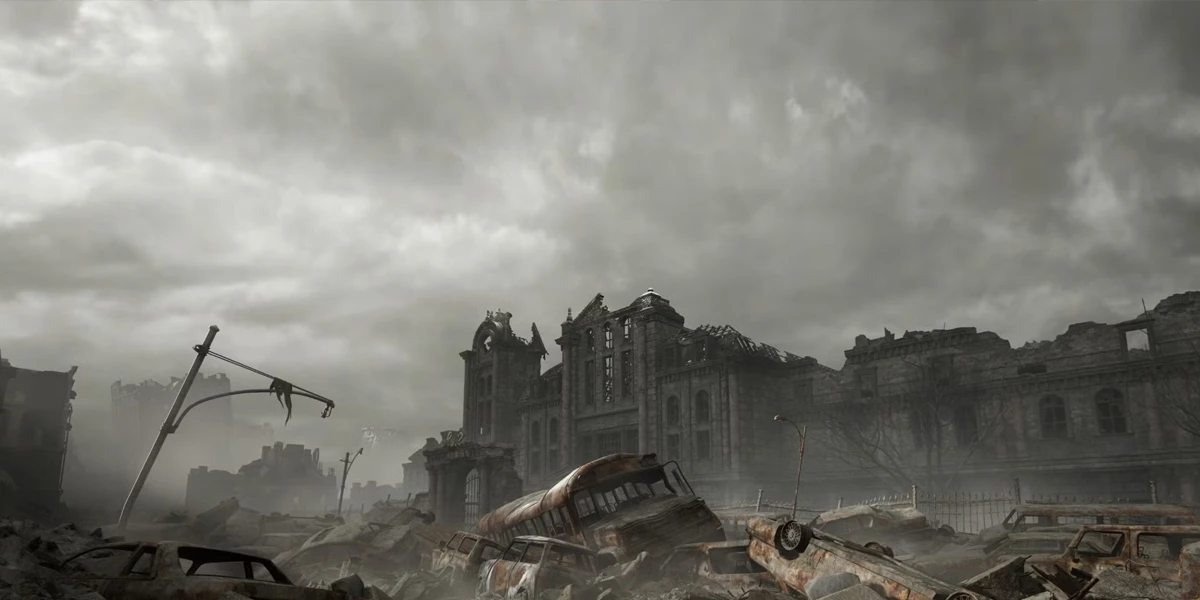
Resident Evil 3: Nemesis (1999, remade 2020) begins on September 28, following Jill Valentine as she flees the overrun city, pursued by the relentless Nemesis, a Tyrant variant programmed to eliminate S.T.A.R.S. survivors. Jill allies with mercenary Carlos Oliveira, who covers her during a T-Virus-induced coma after Nemesis’s attack; he secures a vaccine from a collapsing hospital. Key encounters span the police station, clock tower, and factory, ending with Nemesis’s defeat. The U.S. government, informed of the crisis, authorizes a missile strike on October 1, 1998, destroying Raccoon City and containing the spread, though escapees like HUNK retrieve viral samples.
Overlapping with RE3, Resident Evil 2 (1998, remade 2019) starts September 29, centering on rookie cop Leon S. Kennedy and student Claire Redfield (or her brother Chris in alternate paths). They navigate the Raccoon Police Department, sewers, and Umbrella labs, battling Birkin’s grotesque G-Virus mutations, from a multi-armed beast to an embryo-spawning horror. Ada Wong’s espionage and Sherry Birkin’s infection add layers, with the duo escaping via train as the lab explodes on October 1. These dual narratives highlight the city’s campaigns, with the remake canonizing the rat-spread outbreak for tighter continuity. The destruction claims over 100,000 lives, bankrupting Umbrella publicly but scattering their research worldwide.
Global Bioterror: Expansions and Alliances (2000-2009)
Umbrella’s collapse accelerates in December 1998 with Resident Evil: Code: Veronica (2000), where Claire Redfield, imprisoned after Raccoon, escapes a Paris facility on Rockfort Island during a T-Virus attack. She encounters the Ashford twins, Alfred and Alexia, the latter mutated by the T-Veronica Virus into a fire-breathing hybrid. Chris Redfield arrives for rescue, battling Nosferatu (Alexander Ashford) and leading to Antarctica, where Alexia’s defeat in January 1999 cripples Umbrella further. Congressional testimony from Raccoon survivors forces bankruptcy in 2003, but rogue elements persist.
Autumn 2004 brings Resident Evil 4 (2005, remade 2023), shifting to rural Spain. Leon Kennedy, now a government agent, rescues President Graham’s daughter Ashley from the Los Illuminados cult, infected with ancient Las Plagas parasites that control hosts as Ganados. Osmund Saddler’s plan to infect the U.S. President unravels in castle and island sieges, with Ada’s theft of a Plagas sample for the revived Wesker. The game evolves the formula with dynamic combat, including parry mechanics in the 2023 remake and Separate Ways DLC, selling over 23 million copies across versions.
Resident Evil: Revelations (2012) fills 2005 gaps, with Jill and Chris investigating the Queen Zenobia cruise ship amid T-Abyss outbreaks orchestrated by the Il Veltro group. It introduces the Bioterrorism Security Assessment Alliance (BSAA), formed post-Umbrella, and Raymond Vester’s sacrifice, bridging to larger threats.
By 2009, Resident Evil 5 sees Chris and Sheva Alomar dismantle Tricell in Africa’s Kijuju region, where Majini infected with enhanced Plagas ravage villages. They rescue a brainwashed Jill, confront Wesker’s Uroboros plan, an airborne virus to evolve humanity, and end it in a volcanic showdown. The Gold Edition DLC, including “Lost in Nightmares” (2006 mansion raid), adds depth to BSAA origins.
These years mark the shift from isolated incidents to international alliances, with BSAA combating black-market bioweapons. Spin-offs like Umbrella Chronicles (2007) retell Raccoon from HUNK’s view, enriching the post-1998 chaos.
Modern Nightmares: Mold, Connections, and Village (2010-2021)
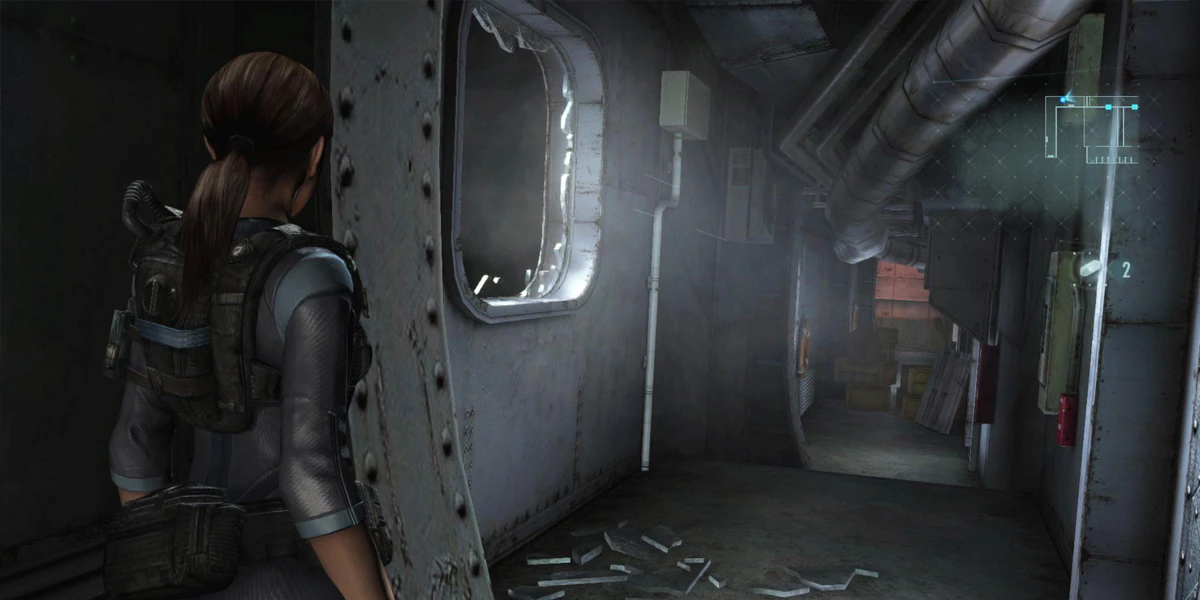
The 2010s escalate with Resident Evil: Revelations 2 (2015), set in 2011 on a remote island. Claire Redfield and Moira Burton face neo-Umbrella’s Alex Wesker (Albert’s sister), who experiments with a T-Phobos Virus inducing fear-based mutations. Barry Burton’s rescue adds emotional stakes, exposing ongoing viral research despite Umbrella’s fall.
Resident Evil 6 (2012) sprawls across 2013 in a four-campaign epic: Leon and Helena battle C-Virus J’avo in Tall Oaks (zombie president homage to Raccoon) and China; Chris and Piers fight in Edonia; Jake Muller (Wesker’s son) and Sherry evade Ustanak; Ada uncovers The Family’s conspiracy. The C-Virus, blending T-Veronica and G strains, creates adaptive horrors, emphasizing global scale but drawing criticism for action-heavy tone.
A return to horror arrives in 2017 with Resident Evil 7: Biohazard, set in rural Louisiana. Ethan Winters searches for wife Mia at the Baker estate, controlled by Eveline, a Mold-based bioweapon girl from The Connections. Mold, a fungal superorganism mimicking viruses, induces hallucinations and mutations like Jack Baker’s regenerations. Chris Redfield’s “Not a Hero” DLC hunts traitor Lucas Baker, tying to future events.
Resident Evil Village (2021) continues in 2021 Eastern Europe, with Ethan confronting Mother Miranda and her lords: Lady Dimitrescu’s vampires, Heisenberg’s Lycans, Beneviento’s dolls, and Moreau’s fish-man. Miranda seeks to resurrect Eva via Megamycete mold, revealing Ethan’s fungal body from RE7. Ethan’s sacrifice and Rose’s powers close the arc, with a stinger hinting at BSAA corruption. The Shadows of Rose DLC jumps to 2037, where teen Rose enters the mold realm to purge her abilities.
Remakes refine classics: RE2 (2019) tightens Raccoon chases; RE3 (2020) streamlines Nemesis; RE4 (2023) enhances Plagas horror, all preserving timeline integrity.
Future Horizons: Teasing Resident Evil Requiem and Beyond (2025-2026)
As of 2025, the timeline extends into speculation with Resident Evil Requiem, announced at Summer Game Fest and set for February 27, 2026 release on PS5, Xbox Series X|S, and PC, and the upcoming Nintendo Switch successor. Directed by RE7’s Koshi Nakanishi, it introduces FBI agent Grace Ashcroft, as announced in reveal trailers, investigating deaths at a ruined hotel in post-destruction Raccoon City remnants, potentially featuring Leon Kennedy and echoing original trilogy locations like the police station. Trailers show devastated urban ruins, suggesting a return to zombie roots amid new biothreats, possibly tying BSAA’s ethical lapses or mold remnants.
This entry, developed on RE Engine, promises survival horror with modern twists, building on Village’s 2021 events and Shadows of Rose’s 2037 glimpse. While exact dates remain unconfirmed, Requiem likely slots post-2021, exploring long-term fallout from Umbrella’s legacy. Fan theories abound on connections to HUNK’s escapes or Alyssa Ashcroft’s lineage (Grace’s possible mother from Outbreak).
The series’ chronology, spanning 1966 to 2037 and beyond, demonstrates Capcom’s commitment to evolving lore without retcons, rewarding dedicated fans.
In piecing together Resident Evil’s timeline, one sees a relentless progression from mansion whispers to worldwide peril, each outbreak a consequence of unchecked ambition. Whether revisiting Raccoon’s flames or anticipating Requiem’s shadows, the narrative invites endless replay. Express your survival spirit with designs from the Resident Evil tees, capturing iconic moments like the mansion escape or Village’s gothic dread.
Conclusion: Mapping Survival Through the Resident Evil Timeline
The Resident Evil timeline shows how a single discovery in a remote African flower field grows into a chain of apocalyptic events that alter the entire world. From early Umbrella experiments with the Progenitor Virus to the mold soaked nightmares of Ethan Winters and the coming of Requiem, every entry adds new layers to the same ongoing crisis. Once you place the games and spin offs on a clear chronological path, familiar scenes like the Arklay Mansion, Raccoon City, and the Baker estate feel less like isolated horror stories and more like chapters in one long record of corporate greed, scientific hubris, and human resilience.
Looking at the series this way also changes how you replay it. Instead of jumping from hit to hit, you can follow characters like Chris, Jill, Leon, Claire, Ada, and the Redfield family across decades, see how each outbreak pushes them forward, and catch details that are easy to miss in a single playthrough. The links between viruses, parasites, and mold become easier to follow, and remakes feel like refined lenses rather than contradictions. Whether you are a newcomer who wants a roadmap or a long time fan preparing for Resident Evil Requiem, a solid grasp of the timeline turns every file, cutscene, and quiet corridor into part of a larger, carefully built history of survival horror.
