
No products in the cart.
T-shirt Guides
What Does Pre-Shrunk Mean? Why Shirts Still Shrink and the Benefits for Pop Culture Graphic T-Shirts
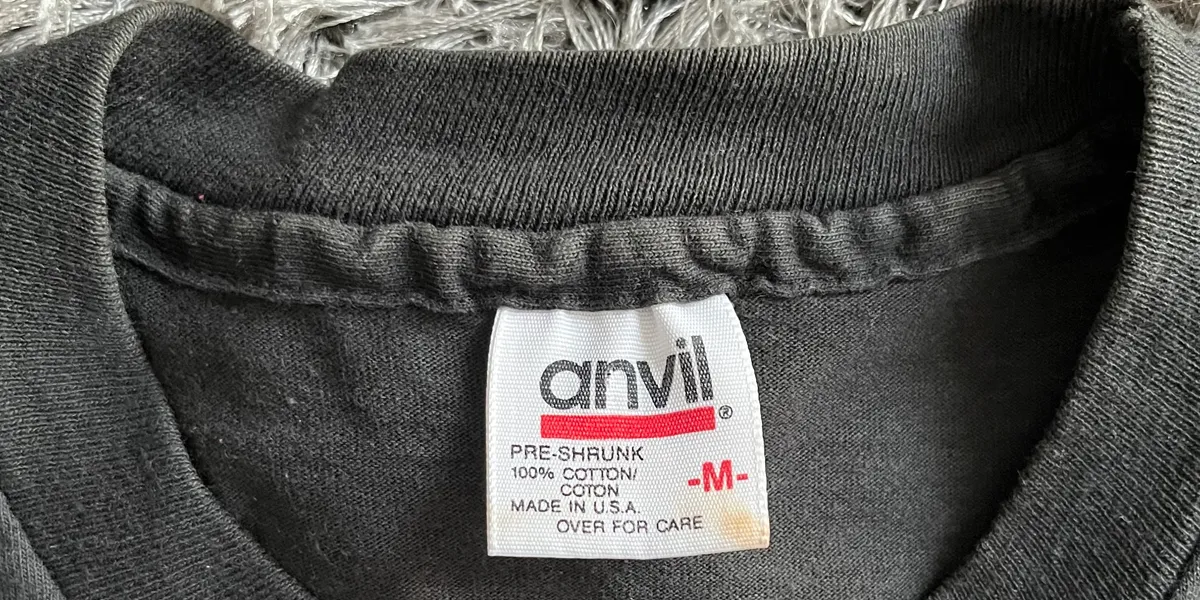
You buy a new graphic T-shirt with your favorite anime hero or rock band logo, wear it once, wash it, and suddenly the fit feels a little tighter and the print sits slightly higher than before. That small shift in fit is usually the result of fabric shrinkage. For cotton tees, one of the most common ways manufacturers try to control this is by using pre-shrunk fabric.
Pre-shrunk is a process that stabilizes the fabric before the shirt is cut and sewn so the finished tee holds its shape better in real-world washing. It does not mean the shirt will never shrink. In most cases, even a pre-shrunk cotton T-shirt can still tighten up around 3–5% depending on how you wash and dry it. This guide explains what pre-shrunk actually means, why shirts still shrink anyway, and how it specifically helps pop culture graphic T-shirts last longer in your wardrobe.
What Does Pre-Shrunk Mean? The Basics and How the Fabric Is Treated
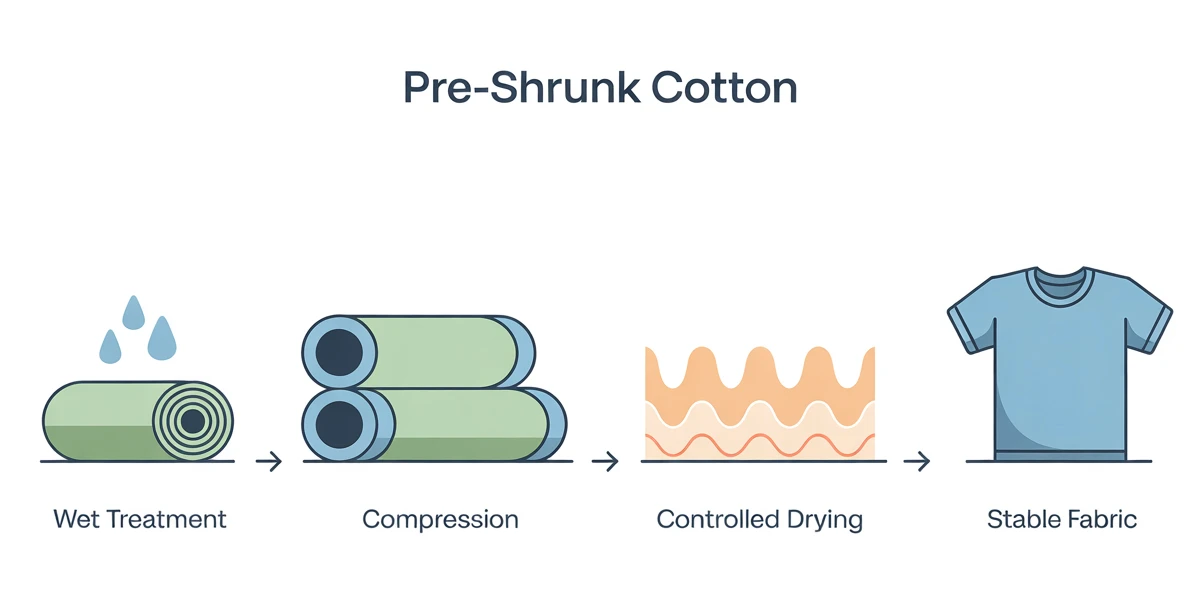
Pre-shrunk (or pre-shrunk cotton) is a finishing process used in the textile and apparel industry to reduce the amount of shrinkage that happens after you buy the garment. Instead of letting the fabric shrink for the first time in your washing machine, the mill deliberately exposes it to moisture, heat, and mechanical pressure during production so most of the “built-in” shrinkage happens in advance.
For T-shirts, this is often done with a method known as sanforization. The fabric is moistened, compressed between rubber and metal rollers, and then dried again in a controlled way. This sequence relaxes and compresses the cotton fibers so the fabric is much more dimensionally stable by the time it is cut into pattern pieces. Afterward, manufacturers test how much the fabric changes in size using standard home-laundering procedures such as AATCC Test Method 135 for dimensional changes after home laundering and ISO 6330 domestic washing and drying procedures for textile testing, and they aim to keep shrinkage within a small, acceptable range for everyday wear.
Compared to untreated cotton jersey, which can shrink noticeably if you wash it hot and tumble-dry on high heat, pre-shrunk fabric is designed so that the remaining shrinkage is minor and more predictable. In practice, many quality brands try to keep shrinkage in the ballpark of a few percent when you follow the care label. That is enough to protect the fit and the print placement for most people while still giving the shirt the natural softness and drape of cotton.
Pre-shrunk is most commonly used on 100% cotton or cotton-rich blends. It pairs especially well with ring-spun cotton, which is softer, smoother, and more durable than basic open-end cotton yarns. This combination gives graphic tees a comfortable hand feel, a nice surface for printing, and better long-term shape retention. If you want to go deeper into how different fabrics feel and perform for graphic tees, it is worth reading our guide to choosing the best fabric for graphic T-shirts.
Why Pre-Shrunk Shirts Can Still Shrink
If the fabric has already been shrunk at the mill, why does your pre-shrunk T-shirt still change after a few washes? The short answer is that cotton is a natural fiber with a flexible, cellulosic structure that continues to react to heat, moisture, and mechanical action over time. Pre-shrunk processing removes most of the potential shrinkage, but not every last bit of it. In the United States, manufacturers also have to make sure their claims about shrinkage and care are backed by testing, in line with the FTC Care Labeling Rule for clothing, so “pre-shrunk” is not supposed to be just a marketing slogan.
Hot water and high dryer heat are the biggest culprits. When you wash a cotton T-shirt in hot water, the fibers swell and relax, then contract again as they dry. The higher the temperature, the stronger this effect tends to be. Tumble-drying on high heat amplifies it even more, which is why the same tee shrinks much less if you wash it cold and air-dry it.
The type of washer and the way you load it also matter. Traditional top-load machines with a central agitator create more aggressive mechanical action, which can twist and compress the fabric unevenly. Front-load or high-efficiency machines are generally gentler. Overloading the drum, using harsh detergents, or skipping a gentle spin setting can all add up to extra stress on the cotton and contribute to incremental shrinkage.
Finally, not all “pre-shrunk” labels reflect the same level of quality control. Some manufacturers put the fabric through a light stabilization step and still call it pre-shrunk, even if the remaining shrinkage is on the high side. Better brands invest in more rigorous testing and are transparent about the expected shrink percentage when you follow the care instructions. For example, premium blank suppliers such as BELLA+CANVAS explaining how they control T-shirt shrinkage in pre-shrunk tees often state a maximum shrinkage of around 5% when garments are washed according to the label.
Why Pre-Shrunk Matters So Much for Pop Culture Graphic T-Shirts
For plain basic tees, a couple of percent of shrinkage is mostly about comfort and fit. For pop culture graphic T-shirts, it affects both the fit and the artwork. When the fabric shrinks unevenly, a screen print or DTG (direct-to-garment) print can drift off center, warp, or start to crack earlier because the ink layer is repeatedly stretched and compressed.
Pre-shrunk fabric helps stabilize the canvas before any design is printed. Because most of the shrinkage has already been forced out and controlled at the mill, the T-shirt panels are more predictable in size when they go through cutting, sewing, and printing. That means the anime character, movie scene, or band logo you see on the product page has a much better chance of sitting in the same spot after dozens of washes.
At Inkrare, we print our pop culture designs on pre-shrunk cotton tees for exactly this reason. The goal is to balance comfort, breathability, and a soft hand feel with a stable shape that keeps the artwork where it belongs. Whether you are wearing a shirt inspired by your favorite series, a cult classic movie, or a legendary musician, pre-shrunk fabric makes it easier to enjoy the design without worrying that the collar will sag or the print will suddenly ride up your chest after a few laundry cycles.
Pre-shrunk fabric also plays nicely with different print methods. Screen printing tends to be the benchmark for durability, especially for bold graphics and larger print runs, while DTG shines when you want highly detailed or full-color art and the flexibility to print smaller batches on demand. Both benefit from a stable, pre-shrunk surface because the print is less likely to distort over time. If you are deciding which print method you prefer for your next tee, you can compare the pros and cons in our article on DTG and DTF printing for graphic T-shirts.
How to Care for Pre-Shrunk Tees and Minimize Extra Shrinkage
The good news is that you can keep additional shrinkage very small by treating your pre-shrunk graphic tees kindly in the wash. Start with the basics: turn the shirts inside out, wash them in cold or cool water, and choose a mild detergent without heavy bleaching agents. Avoid long, hot soak cycles unless you are dealing with serious stains, and try not to overload the machine so the garments can move freely. One more reason not to leave pre-shrunk shirts sitting damp in the washer or in a laundry basket overnight is that trapped moisture can lead to mildew and a musty closet smell. If you ever notice that your favorite tees come out of storage smelling off, our article on how to get musty smell out of shirts explains how to deodorize them safely while protecting the fit and the print.
Drying is where many graphic tees take the biggest hit. Air-drying is almost always the safest option, especially for shirts with large prints. Hang them on a wide plastic hanger or lay them flat on a clean surface to support the shoulders and neck. If you must use a dryer, choose the lowest heat setting and remove the shirts while they are still slightly damp, then finish drying flat. This approach helps keep shrinkage closer to the small range the fabric was designed for and also protects the ink from excessive heat.
Spot-cleaning can also reduce how often you need to run a full wash. For small marks, gently dab the area with a soft cloth and a bit of diluted detergent instead of throwing the entire shirt into a hot cycle. When you store your tees, fold them neatly and keep them in a cool, dry place rather than leaving them stretched out on hangers in a humid room.
If you want a step-by-step routine that covers everything from water temperature to how to handle cracked prints, take a look at our complete guide to washing and caring for graphic T-shirts. Following those habits, combined with pre-shrunk fabric, is one of the easiest ways to keep your pop culture wardrobe looking sharp for years.
Conclusion
Pre-shrunk does not mean “shrink-proof,” but it does mean your T-shirt has been given a head start toward long-term stability. By removing most of the built-in shrinkage at the fabric stage, sanforized and pre-shrunk cotton helps pop culture graphic tees keep their fit and artwork placement much more reliably than untreated fabric.
When you understand what pre-shrunk really is, why a little bit of shrinkage is still normal, and how to care for your shirts, you can build a collection of graphic tees that feel good and look good for a long time. Combined with smart choices about fabric, print method, and washing routine, it is one of the quiet details that separate a throwaway T-shirt from a favorite piece you reach for again and again.
If you want to feel the difference in real life, you can explore our movie graphic tees and music graphic tees at Inkrare, where we print pop culture designs on pre-shrunk cotton blanks. Together with this guide and our other articles on fabrics, printing methods, and washing tips, you get a complete roadmap for choosing, caring for, and collecting your favorite graphic tees.
