
No products in the cart.
Games
Resident Evil Iconic Characters: From Leon to Wesker
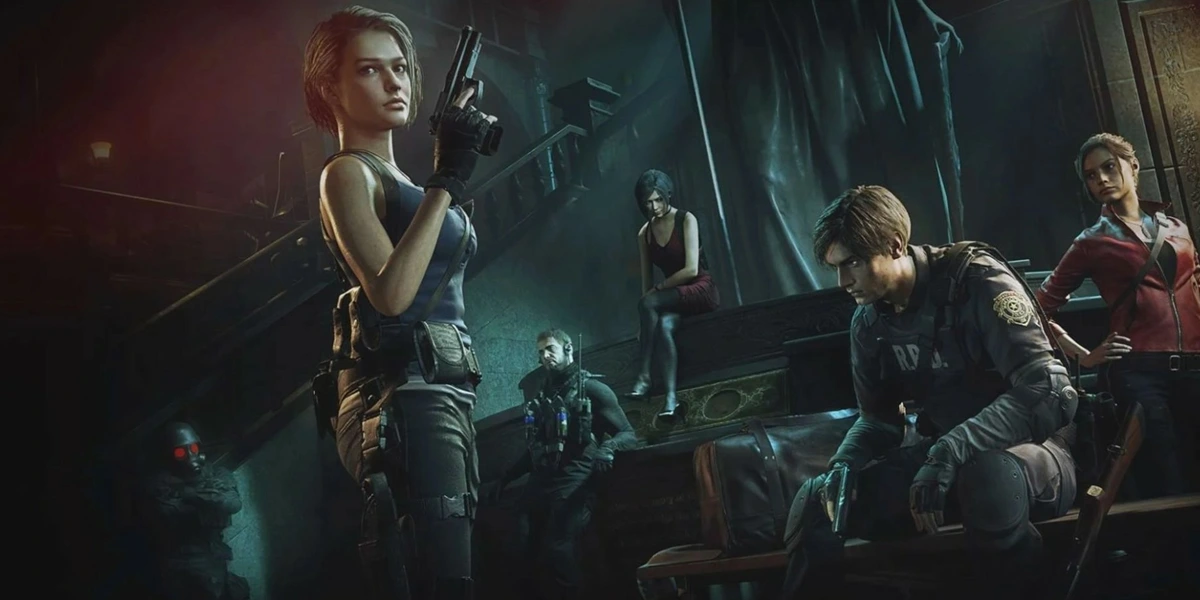
The Resident Evil franchise stands out not only for its survival horror gameplay, but for a cast of characters who have carried the series across nearly three decades of outbreaks, conspiracies, and evolving bio-threats. These characters anchor the narrative emotionally, transforming abstract viral disasters into personal struggles for survival, loyalty, and responsibility. From inexperienced rookies trapped in their first nightmare to veterans shaped by loss and moral compromise, Resident Evil’s iconic figures define the tone and longevity of the series.
This overview focuses on the most influential characters in the franchise, prioritizing narrative impact, longevity, and fan recognition. It covers core protagonists such as Leon S. Kennedy, Chris Redfield, Jill Valentine, and key allies like Claire Redfield and Ada Wong, before examining the villains who shape the overarching conflict, most notably Albert Wesker. The goal is not to catalogue every appearance, but to explain why these characters matter and how they connect the early survival horror roots to modern global bioterror narratives.
Protagonists: Survivors Who Became Symbols
Resident Evil protagonists are rarely superheroes at the start. Most are defined by circumstance rather than destiny, thrown into impossible situations where adaptability matters more than brute force. Over time, their repeated exposure to bioterrorism reshapes them into symbols of resistance against corporate and ideological extremism.
Leon S. Kennedy: From Rookie to Reluctant Veteran
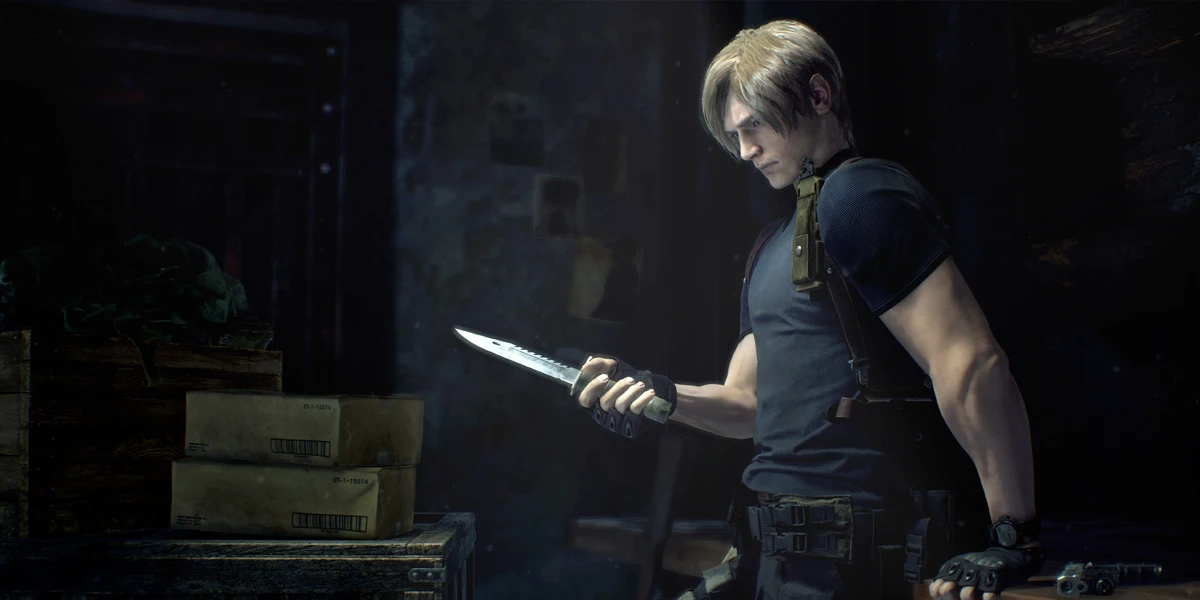
Leon S. Kennedy is often regarded as the most recognizable face of the franchise. Introduced in Resident Evil 2 as a rookie police officer on his first day in Raccoon City, Leon represents the audience’s entry point into the chaos. He begins inexperienced, uncertain, and visibly overwhelmed, yet quickly adapts under pressure. His survival through the city’s collapse establishes a core theme of the series: competence forged through trauma.
Leon’s later appearances track a steady transformation rather than a sudden reinvention. By the time of Resident Evil 4, he is a trained government agent operating in hostile territory, confronting not only infected enemies but ideological fanaticism. His calm demeanor, dry humor, and visible fatigue create a grounded contrast to the increasingly extreme situations he faces. Later entries and animated films portray him as capable yet emotionally distant, shaped by repeated exposure to loss and moral ambiguity. This balance between professionalism and vulnerability is a major reason Leon consistently ranks as the most popular protagonist among fans.
Chris Redfield: Duty Taken to Its Extreme
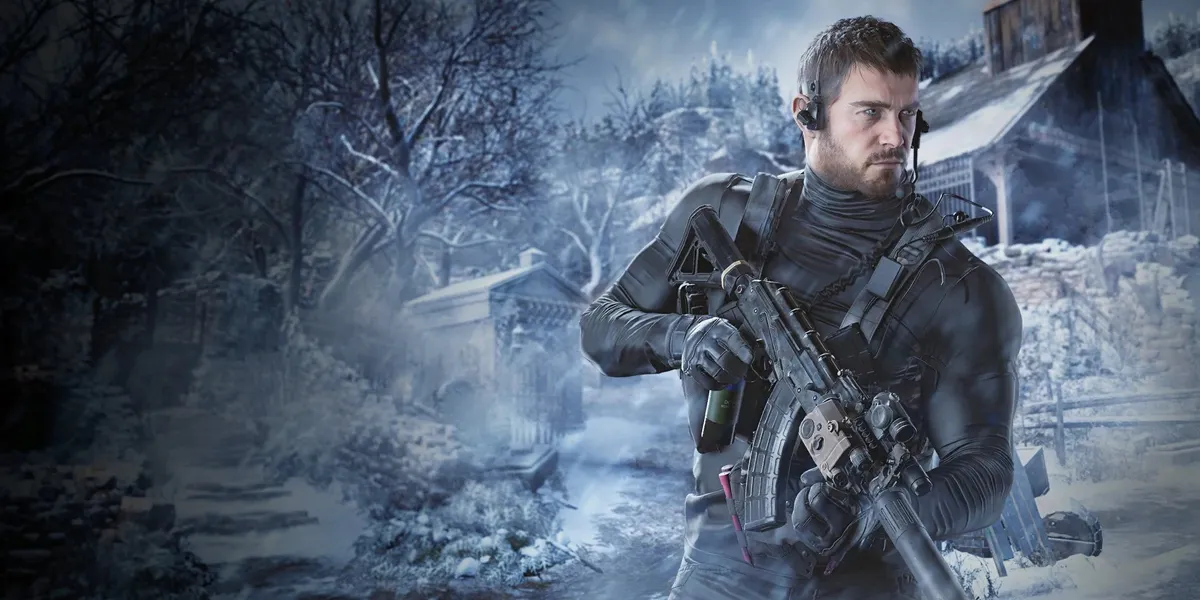
Chris Redfield represents the opposite trajectory. Introduced as a trained S.T.A.R.S. operative in the original Resident Evil, Chris begins as a capable soldier rather than an everyman. His defining trait is persistence. Where Leon adapts, Chris endures. His experiences in the Spencer Mansion and the betrayal of Albert Wesker push him toward a life defined almost entirely by opposition to bioterrorism.
As a founding member of the BSAA, Chris’s role expands from survivor to global enforcer. His later storylines emphasize the psychological cost of this commitment, particularly in Resident Evil 6, where repeated squad losses and moral exhaustion take a toll. By Resident Evil Village, Chris is portrayed as hardened and secretive, willing to make ethically questionable decisions if he believes they serve a greater good. This uncompromising sense of duty makes him polarizing, but essential to the series’ shift from localized horror to international conflict.
Jill Valentine: Competence Under Pressure
Jill Valentine is one of the franchise’s foundational characters and remains one of its most influential. As a S.T.A.R.S. operative with technical expertise, Jill is defined by intelligence and composure rather than brute force. Her survival of both the Spencer Mansion incident and the Raccoon City outbreak establishes her as a benchmark for competence in extreme conditions.
Resident Evil 3 centers her experience more personally, placing her under constant pursuit and stripping away any illusion of control. Her later brainwashing and recovery add complexity to her arc, reinforcing a recurring theme in the series: survival does not guarantee autonomy. Jill’s limited appearances in later titles have only increased fan demand for her return, reflecting her status as a core pillar of the franchise’s identity.

Claire Redfield and Ada Wong: Two Paths Through Chaos
Claire Redfield and Ada Wong serve as contrasting reflections of how individuals navigate catastrophe. Claire enters Raccoon City as a civilian searching for her brother, yet quickly proves herself capable and resilient. Her defining trait is empathy, most notably in her protection of Sherry Birkin. Later portrayals position her as an activist figure, extending the series’ moral scope beyond combat-focused solutions.
Ada Wong, by contrast, thrives in ambiguity. A professional spy with shifting allegiances, Ada operates according to her own code rather than clear moral alignment. Her relationship with Leon adds emotional tension, but her true loyalty is always uncertain. Ada embodies the espionage-driven side of Resident Evil, where information and leverage are as dangerous as any virus.

Antagonists: The Faces of Control and Obsession
While Resident Evil features many memorable monsters, its most enduring villains are human. These antagonists are defined less by mutation than by ideology, ambition, and obsession with control.
Albert Wesker: The Axis of the Franchise
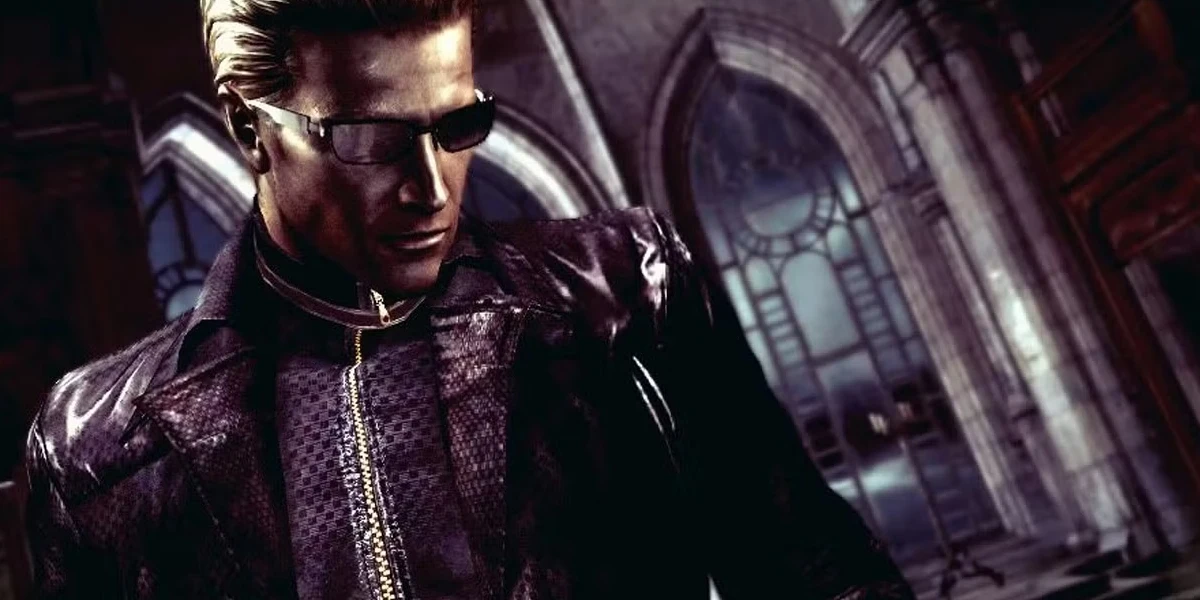
Albert Wesker is the connective tissue of early Resident Evil lore. Introduced as a commanding officer, his betrayal reframes the series’ initial events as part of a much larger experiment. Wesker’s pursuit of viral enhancement is not driven by chaos, but by a belief in superiority and forced evolution.
His rivalry with Chris Redfield provides the franchise with a long-term personal conflict, while his involvement with Umbrella’s founders ties him directly to the origins of bioterrorism. Wesker’s downfall does not end his influence; his legacy continues through characters, research, and ideological echoes in later threats. His controlled demeanor, theatrical confidence, and philosophical extremism make him the most iconic antagonist in the series.
Beyond Wesker: A Pattern of Escalation
Other villains follow a recurring pattern: personal trauma amplified by unchecked power. Figures such as William Birkin, cult leaders, corporate executives, and later bio-engineered manipulators reflect different facets of the same core danger. Each represents a variation on ambition divorced from accountability, reinforcing Resident Evil’s central warning about scientific progress without ethical restraint.
Supporting Characters and Narrative Depth
The franchise’s depth is reinforced by supporting characters who ground the story emotionally. Rebecca Chambers, Barry Burton, Carlos Oliveira, Sherry Birkin, and Ethan Winters each offer perspectives outside elite military structures. Their stories emphasize survival, sacrifice, and unintended consequences, preventing the series from becoming purely militarized spectacle.
These characters often carry unresolved arcs, a deliberate choice that sustains long-term fan discussion and speculation. Their presence reinforces the idea that no one emerges unchanged from contact with bioterror.
Legacy and Cultural Impact
The enduring popularity of Resident Evil characters stems from their evolution alongside the franchise itself. As the series shifted from isolated survival horror to global-scale threats, its characters adapted in ways that felt earned rather than arbitrary. Their designs, personalities, and conflicts continue to influence games, films, merchandise, and fan culture.
This longevity explains why characters like Leon, Chris, Jill, and Wesker remain relevant decades after their introduction. They are not static icons, but evolving figures shaped by a world that continually tests their limits.
For fans who want to represent that legacy visually, the Resident Evil shirt collection brings together designs inspired by the franchise’s most iconic characters and themes.
