
No products in the cart.
T-shirt Guides
What Is GSM in T-shirts? A Practical Guide to Fabric Weight for Graphic Tees
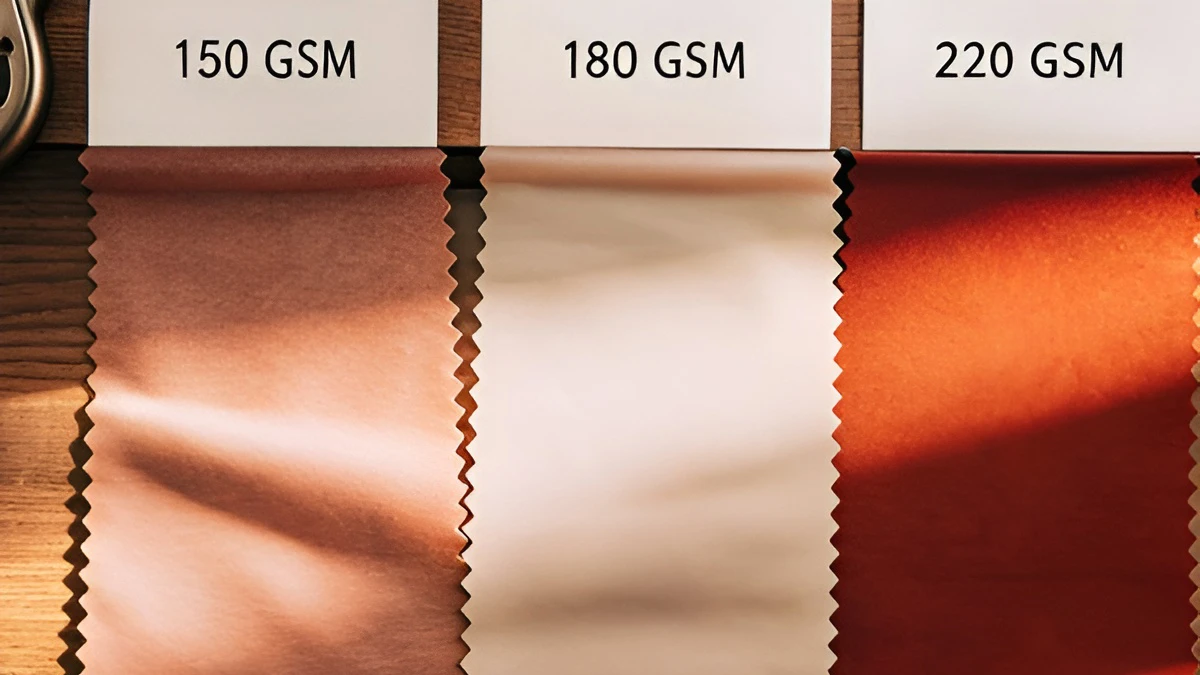
What Does GSM Mean in T-Shirt Fabrics?
GSM stands for grams per square meter. It measures how much one square meter of fabric weighs. In other words, it is a simple way to describe how light, medium, or heavy a fabric is.
If you could cut a piece of fabric exactly 1 meter by 1 meter and put it on a scale, the number of grams you see would be its GSM. A higher GSM means the fabric is heavier for the same area, which usually translates into a thicker and more structured feel. A lower GSM means the fabric is lighter and often feels thinner and more breathable.
For graphic tees, GSM acts as the foundation for your print. A fabric that is too thin can make colors look washed out or show the print through the back, while a fabric that has enough weight and a smooth surface helps your anime, movie, or band artwork look crisp and stay readable after many washes.
How GSM Is Calculated?
The basic formula is simple: GSM equals fabric weight in grams divided by fabric area in square meters. Imagine a small fabric sample that is 10 by 10 centimeters. That size is 0.1 meters by 0.1 meters, which equals 0.01 square meters. If that sample weighs 1.8 grams, the GSM is 1.8 divided by 0.01, which gives 180 GSM.
In practice, factories and testing labs use specialized equipment to measure GSM accurately. As a shopper, you do not need to weigh swatches at home. What matters is knowing how to interpret the numbers that brands put in their product descriptions so you can tell whether a shirt is lightweight, mid weight, or heavy.
It is also important to remember that GSM is not the same as fiber type. Cotton, polyester, and blends can all be produced at many different GSM levels. A 180 GSM cotton tee and a 180 GSM cotton blend tee will have the same weight per area, but they can feel different because of yarn quality, knitting style, and finishing. For a deeper breakdown of materials beyond weight, you can look at how to find the best fabric for graphic t-shirts.
GSM vs Ounces Per Square Yard
Many US and European brands list fabric weight in ounces per square yard instead of GSM. The idea is the same, it is still a weight per unit of area, just in a different measurement system.
You will often see ranges like roughly 4.0 to 4.5 ounces for relatively light tees that feel airy and cool, around 5.0 to 5.5 ounces for mid weight tees similar to many classic band shirts, and around 6.0 ounces and above for heavy tees that feel thicker, more rigid, and more streetwear focused. These ranges roughly overlap with about 130 to 220 GSM, depending on the exact conversion.
Understanding both systems helps when you compare different brands. One may talk only in GSM, another only in ounces, but they are both describing the same thing, how heavy the fabric feels, which is only one part of what goes into high quality graphic t-shirts alongside construction, stitching, and print finish.
How GSM Changes the Feel of a Graphic Tee
GSM has a direct impact on how your graphic tee feels and behaves on the body. Lightweight fabrics under roughly 150 GSM tend to feel very soft and airy. They are great if you want a barely there sensation, especially for warm days or for layering under jackets. However, for large, detailed prints, these fabrics can sometimes look a bit less saturated. Colors may appear softer, and you might notice the print slightly showing through to the back if the ink deposit is heavy.
Mid weight fabrics in the 150 to 200 GSM range are the workhorse of the graphic tee world. They strike a balance between comfort and structure. These shirts are light enough for everyday wear but have enough substance for the print to sit nicely on the surface without the fabric collapsing around it. Many anime, movie, and music tees are made in this range because it works well for both casual fits and more styled outfits.
Heavier fabrics in the 200 to 250 GSM range feel substantial in the hand and on the body. They are popular for boxy fits, streetwear cuts, and tour style band tees where you want the garment to feel solid and hold its shape. They support bold front prints, oversized artwork, and embroidery without the fabric stretching out too much. Some people find them warmer to wear all day, but when you want a shirt that feels like a real piece of outerwear, this weight is very appealing.
GSM is only part of the story, because washing habits and storage also decide how long a graphic T shirt truly lasts in your wardrobe once you start wearing it every week. Print durability still depends on the type of ink, printing method, curing process, and how the wearer washes and dries the shirt. A good GSM gives the print a stable base, but it does not guarantee that the design will never crack or fade.
GSM and Printing Methods
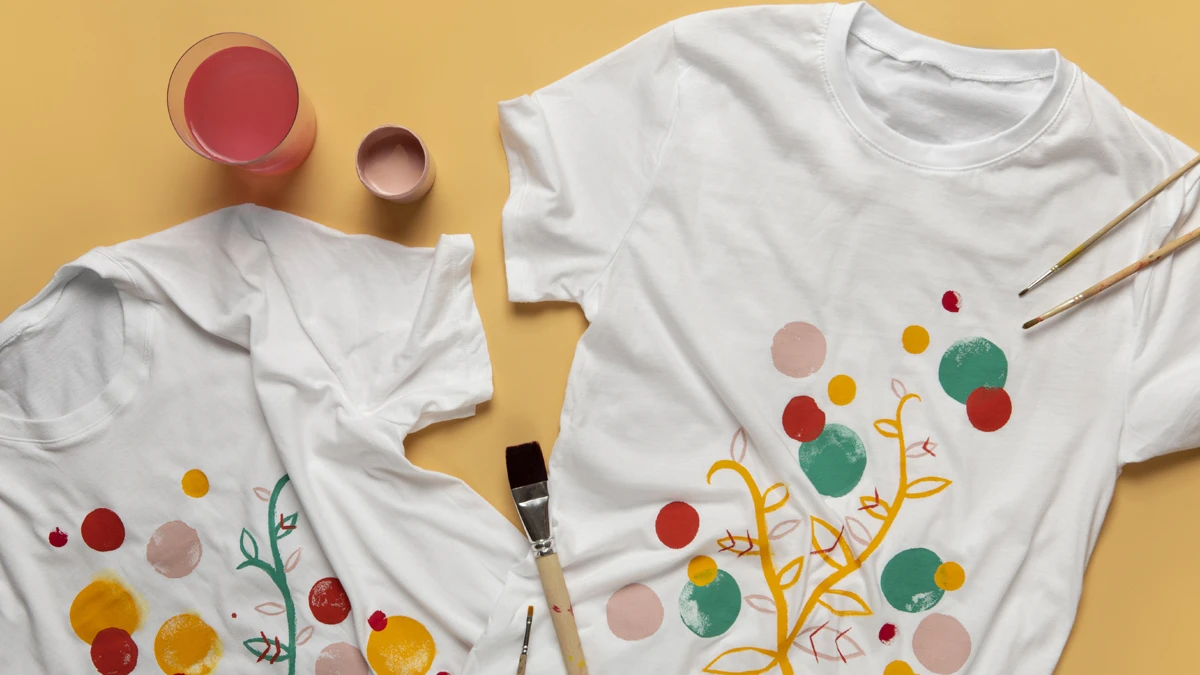
Different printing methods interact with fabric weight in slightly different ways. Direct to garment printing usually performs best on mid weight cotton fabrics with a relatively smooth surface. In the 150 to 200 GSM range, the shirt is soft enough to drape naturally but strong enough for pretreatment and ink to sit evenly. Thin tees can still be used, but the print may feel more prominent against the lighter fabric.
Screen printing is more flexible and works on a wide range of GSM levels. On fabrics around 180 to 220 GSM, the ink has enough resistance from the fabric to build up a vivid, solid layer without the shirt feeling overly stiff. That is one reason many classic band and tour shirts feel dense yet comfortable.
Transfer based methods such as DTF can attach well to different weights, but on very thin tees the transfer patch can feel more obvious and slightly stiffer than the surrounding fabric. A mid weight tee helps balance comfort and print stability, especially for large or full front designs.
Embroidery benefits from heavier fabrics. When the GSM is higher and the knit is denser, the stitches are less likely to distort the fabric or cause visible puckering. That is why many brands choose heavier tees or fleece for embroidered logos, badges, and patches, and you can see how DTG and DTF behave on real shirts in our guide to DTG and DTF printing for graphic tees.
Why 150 to 250 GSM Works Well for Graphic Tees
If you put all these details together, the 150 to 250 GSM band covers most practical scenarios for graphic t-shirts. The lower part of the range covers lightweight fashion tees and everyday anime or movie designs that should feel easy to wear. The middle portion, around 170 to 190 GSM, is where many fans feel the shirt is just right in terms of softness, drape, and structure. The upper part of the range supports heavy prints, oversized graphics, and streetwear fits that look best on a more substantial fabric.
| GSM range | Fabric feel | Support for graphics | Typical use |
|---|---|---|---|
| Below 150 GSM | Very light, airy, thin on the body | Fine for simple prints, less ideal for large solid areas | Fashion tees, summer layers, event shirts |
| 150 to 180 GSM | Light to mid weight, soft and easy to wear | Good for DTG and basic screen prints | Everyday anime, movie, and casual graphic tees |
| 180 to 220 GSM | Mid weight with clear structure | Ideal for DTG, screen printing, and detailed artwork | Movie tees, music tees, higher end pop culture graphics |
| 220 to 250 GSM | Heavy, solid, more structured feel | Great for bold prints, large logos, embroidery | Streetwear fits, boxy cuts, tour and merch style tees |
| Above 250 GSM | Very heavy, more like outerwear | Depends on knit, better for logos than tiny details | Hoodies, crewnecks, heavyweight sweatshirts |
At Inkrare, we use Gildan blanks around 180 GSM mainly because they are a good balance of price and quality for most pop culture designs. This weight keeps the shirt accessible while still giving the print a reliable, mid weight base that feels familiar to people who grew up wearing band and movie tees.
You can absolutely find good graphic tees outside this range, but if you are browsing a new brand and see fabric weights in the 150 to 250 GSM zone, that is usually a positive sign that the shirts are built with graphic printing in mind.
Quick Checklist When You Are Buying Graphic Tees
You can use a simple checklist whenever you read a product description. First, look at the fabric weight. Under 150 GSM, you can expect a very light feel that is better for simple prints or layering. Between 150 and 200 GSM, you are in the safe mid weight zone for most graphic designs. From 200 to 250 GSM, you are moving into heavier, more structured tees that pair well with bold artwork and streetwear fits.
Next, check the fiber content. Mid weight cotton or cotton rich blends are usually the most comfortable base for detailed pop culture graphics. Polyester blends can feel smoother and lighter, but you may want to avoid extremely thin knits for large, solid prints. Finally, read how the print is made. DTG on mid weight cotton, screen printing on mid to heavier tees, and embroidery on denser fabrics are all good signs. When a brand mentions that they test wash their samples, that is another indicator they care about long term quality.
Common Myths About GSM
There are a few misunderstandings about GSM that are worth clearing up:
- Higher GSM always means higher quality. A heavy shirt is not automatically better. Yarn quality, knitting, and finishing all matter. A 220 GSM tee can feel rough and stiff, while a 180 GSM tee can feel smooth and premium.
- Low GSM shirts are always cheap and disposable. Some lightweight tees are intentionally designed to be thin and breathable and still use good materials. They are simply optimized for a different wearing experience and may not be ideal for huge, heavy prints.
- If the GSM is high, the print will never crack or fade. Fabric weight helps, but print durability still depends on ink type, curing temperature, and how the wearer washes and dries the garment.
Understanding these myths helps you judge a shirt in context instead of chasing a single number. When you combine fabric weight with other quality signals, it becomes much easier to pick graphic tees that actually match your expectations.
Final Thoughts
GSM is a simple measurement that tells you how heavy a T-shirt fabric is, but it has a big impact on how a graphic tee feels, drapes, and supports printed artwork. The range from roughly 150 to 250 GSM covers everything from lightweight fashion pieces to heavyweight streetwear, with the mid weight zone around 180 GSM acting as a sweet spot for many pop culture designs.
When you shop for your next graphic tee, pay attention not only to the artwork but also to the fabric weight, fiber content, printing method, and care instructions, a routine you can refine with our article about how to wash and care for graphic tees. All four together decide whether your favorite anime, movie, or band design will still look great after dozens of wears and washes.
