
No products in the cart.
Games
How the Sith Empire Works in the Old Republic, Power, Fear, and Constant Collapse
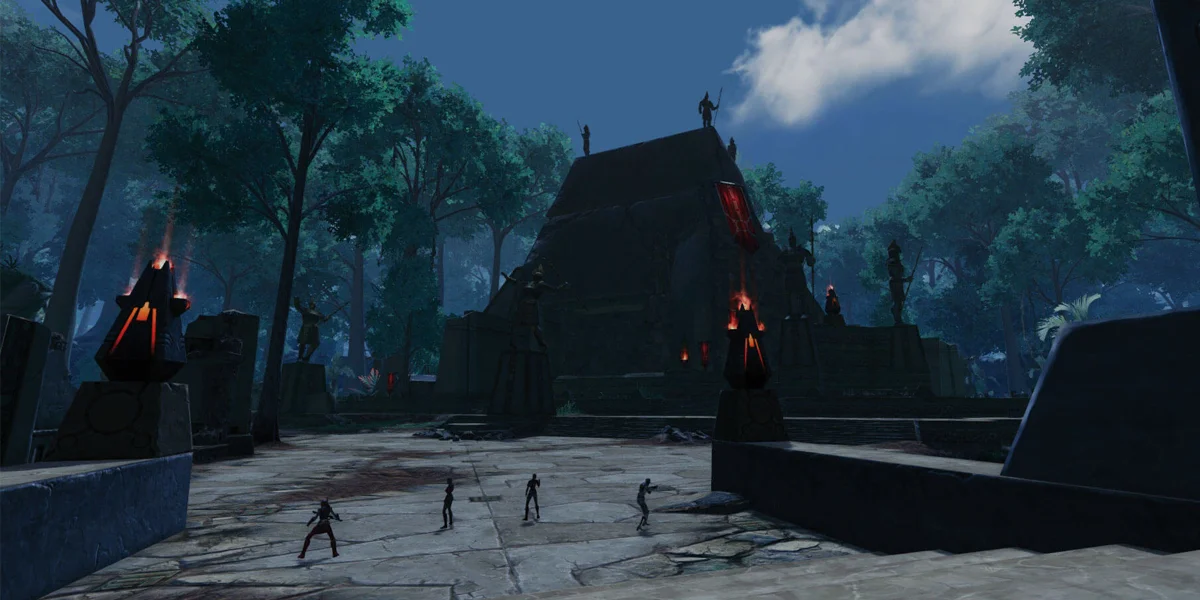
When new fans hear “Sith Empire,” they often imagine a darker version of the Galactic Empire from the movies. Black armor, strict hierarchy, fear based rule. That image is not wrong, but it is incomplete. In the Old Republic era, the Sith Empire is not just an enemy faction. It is a political system, a philosophy turned into government, and a long running experiment in what happens when power is treated as the highest value.
This article explains how the Sith Empire actually works in the Old Republic. Not as a list of ranks or dates, but as a living structure. By the end, you should understand why the Empire can be terrifyingly effective, why it is always unstable, and why it keeps collapsing and reforming across history.
The core idea behind the Sith Empire
The Sith Empire is built on a simple belief: power brings order. Where the Republic debates, the Sith command. Where the Jedi hesitate, the Sith act. This belief shapes everything, from military decisions to education and daily life.
Unlike later eras where Sith operate in secrecy, the Old Republic often presents them as an open ruling class. Sith are not hiding in shadows. They are leaders, generals, governors, and symbols of authority. The Empire does not pretend to be kind. It promises stability through dominance.
Power as a system, not a personality
One of the biggest differences between the Old Republic Sith and movie era Sith is scale. In the films, Sith power is concentrated in a few individuals. In the Old Republic, Sith power is institutional.
The Empire functions because ambition is normalized. Advancement comes through strength, intelligence, and the willingness to seize opportunity. Loyalty exists, but it is conditional. Every Sith is expected to grow stronger. Stagnation is treated as failure.
This creates a culture where betrayal is not a scandal. It is a risk of doing business. The Empire accepts internal conflict as a feature rather than a flaw.
The Dark Council and internal rule
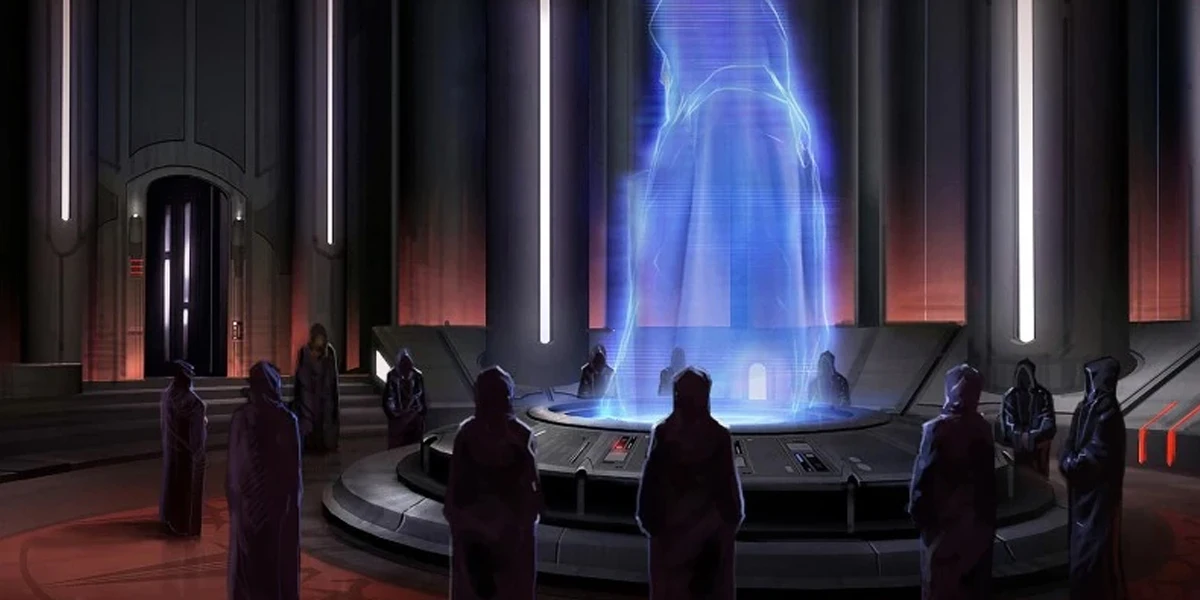
At the top of the Sith Empire sits a governing structure often referred to as the Dark Council. Instead of a single uncontested ruler, power is divided among elite Sith who oversee different aspects of imperial control.
This division is intentional. It prevents total stagnation, but it also guarantees constant tension. Council members compete for influence, resources, and prestige. Alliances form and break. Politics inside the Empire can be as dangerous as open warfare.
From the outside, this makes the Empire look chaotic. From the inside, it creates pressure that rewards adaptability. Only those who survive constant political stress remain in power.
The military machine and fear based order
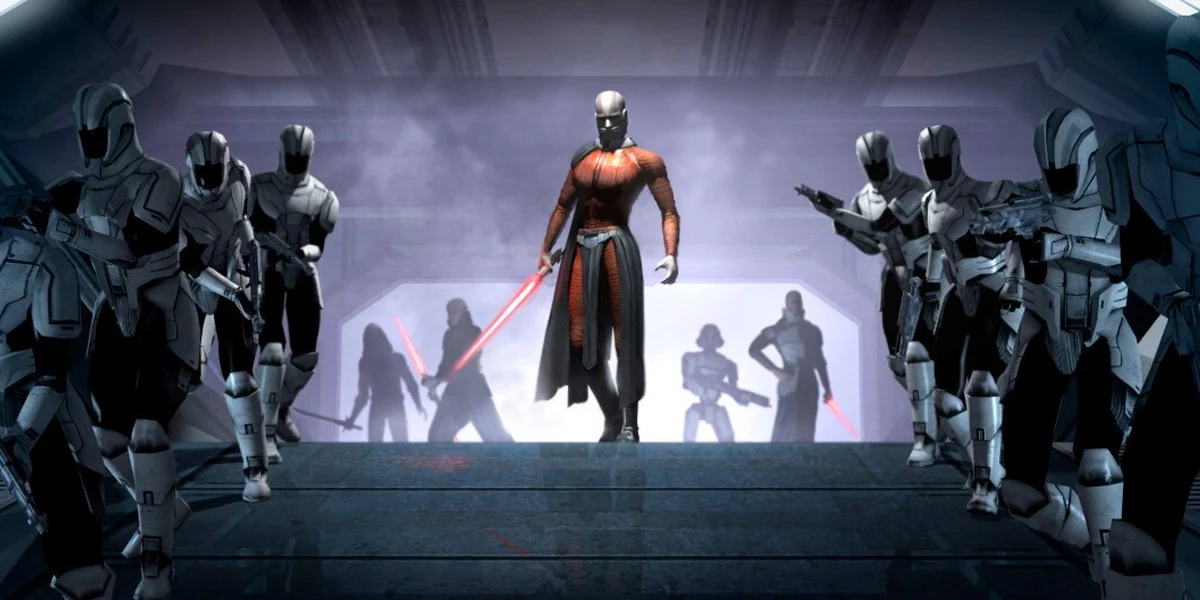
The Sith Empire’s military operates on discipline reinforced by fear. Orders are expected to be followed immediately. Failure is punished visibly. Success is rewarded with authority.
Imperial officers understand that Sith oversight is constant. A commander who hesitates or questions orders risks replacement. This creates fast decision making, but it also encourages short term thinking.
The Empire excels in rapid mobilization and overwhelming force. Where the Republic balances ethics, politics, and logistics, the Sith focus on results.
How the Sith view the Force
The Sith relationship with the Force is not about balance. It is about dominance. Emotion is not a weakness to be controlled, but a resource to be weaponized.
Anger, fear, ambition, and desire are treated as fuel. The Empire trains its Sith to draw power from conflict rather than serenity. This philosophy produces powerful individuals quickly, but at a cost.
Burnout, obsession, and internal rivalry are common. The Force becomes a constant test of control rather than harmony.
Why the Sith Empire is always unstable
For all its strength, the Sith Empire carries a built in weakness. It relies on competition to function. That competition never turns off.
When the Empire is expanding, internal conflict is masked by success. When expansion slows or fails, those conflicts surface immediately. Leaders turn on each other. Alliances fracture. Civil conflict becomes inevitable.
This cycle repeats across Old Republic history. The Empire rises, dominates, fractures, collapses, and then reforms in a new shape.
The contrast with the Republic and the Jedi
The Republic survives through compromise. The Jedi survive through restraint. The Sith Empire survives through pressure.
This contrast explains why Old Republic wars feel so heavy. The Republic struggles because it doubts itself. The Sith struggle because they never stop testing themselves.
Neither system is stable. The Republic risks paralysis. The Sith risk implosion. Old Republic history is the story of these systems colliding again and again.
Why fans find the Sith Empire so compelling
The Sith Empire fascinates fans because it is honest about its values. It does not pretend to be just. It promises order through strength and accepts the cost.
In a galaxy full of idealism and moral debate, the Empire represents brutal clarity. That clarity is seductive, especially in times of chaos.
At the same time, fans recognize its tragedy. A system built on endless ambition cannot rest. Power becomes both goal and prison.
How this understanding changes how you read Old Republic stories
Once you understand the Sith Empire as a system rather than a villain, Old Republic stories become clearer. Conflicts feel less random. Betrayals feel inevitable. Victories feel temporary.
The Empire is not trying to win forever. It is trying to prove itself constantly.
Final takeaway
The Sith Empire in the Old Republic is not evil for the sake of evil. It is a political and philosophical experiment built on power as order. That experiment creates terrifying efficiency, constant internal conflict, and inevitable collapse.
This is why the Empire keeps returning in different forms across history. It reflects a question Star Wars never fully answers: how much control is worth sacrificing freedom and stability.
If the dark ambition and ancient authority of the Sith Empire resonate with you, you can explore that aesthetic side of Star Wars through the star wars tshirt collection and choose a style that matches your reading of the galaxy.
