
No products in the cart.
Games
Star Wars Old Republic Timeline Explained Simply
The Old Republic timeline often scares new fans away before they even start. Dates stretch thousands of years into the past, wars blur into each other, and every source seems to list events differently. This article is not here to overwhelm you. Its goal is much simpler, to help you understand the Old Republic era as a sequence of phases, each one logically leading to the next.
You do not need exact years to understand history. You need rhythm. The Old Republic timeline makes sense once you see how peace, war, collapse, and uneasy rebuilding repeat across generations.
The early Republic and the age of confidence
The earliest part of the Old Republic timeline is defined less by war and more by belief. The Galactic Republic expands through trade, diplomacy, and shared law. Hyperspace routes connect distant systems, and cooperation feels possible on a large scale.
The Jedi Order grows alongside the Republic as its moral and stabilizing force. At this stage, the Jedi are not defined by constant warfare. They act as mediators, explorers, and guardians. The galaxy believes progress will eventually solve conflict.
This confidence matters, because it sets up the shock that follows. The Old Republic story is powerful precisely because the fall comes from a place of optimism.
The first great fracture and the rise of the Sith tradition
Over time, philosophical disagreement within the Jedi leads to a break. This fracture does not instantly create an empire, but it creates an alternative way of understanding the Force. Power, control, and personal will become central values.
This is the birth of the Sith tradition. At first, it exists more as an idea than a state. But ideas travel. They attract followers, form hierarchies, and eventually demand territory.
From this point forward, the Republic is no longer facing random threats. It is facing a recurring rival worldview.
The Mandalorian Wars, when war becomes unavoidable
The Mandalorian Wars mark the first major turning point that reshapes the Republic’s identity. A powerful warrior culture launches aggressive campaigns that force the Republic into prolonged conflict.
The Jedi response is divided. Some believe intervention will corrupt the Order. Others believe refusal to act is a moral failure. This disagreement is not abstract. It shapes who leads, who follows, and who is remembered.
Victory comes, but it feels hollow. Systems are devastated. The Jedi are changed. And the Republic learns that peace does not automatically follow success.
The Jedi Civil War and the collapse of trust
What follows is not a clean transition back to stability. Instead, internal conflict erupts. The Jedi Civil War is less about territory and more about legitimacy.
The Republic faces the terrifying realization that its greatest defenders can also become its greatest threats. Trust within institutions fractures. The Jedi Order is forced to confront its own limitations.
This phase permanently alters how the Republic and Jedi see themselves. Authority is no longer assumed. It must be defended and justified.
The shadow period, rebuilding without certainty
After internal conflict, the timeline enters a quieter but fragile phase. The Republic rebuilds. The Jedi attempt reform. On the surface, the galaxy looks calmer.
Beneath that calm, old wounds remain open. Power vacuums invite ambition. Former enemies adapt. Ideologies do not disappear simply because battles stop.
This is the phase many timelines gloss over, but it is crucial. It explains why later wars feel inevitable rather than sudden.
The rise of the Sith Empire as an organized power
Eventually, Sith influence consolidates into an empire with structure, leadership, and long term goals. Unlike later eras where Sith operate in secrecy, the Old Republic often presents them as an open rival civilization.
This changes the nature of conflict. War is no longer about stopping isolated threats. It becomes a clash between systems of governance.
The Republic is forced into a defensive posture, reacting rather than expanding.
The Great Galactic War, escalation on a massive scale
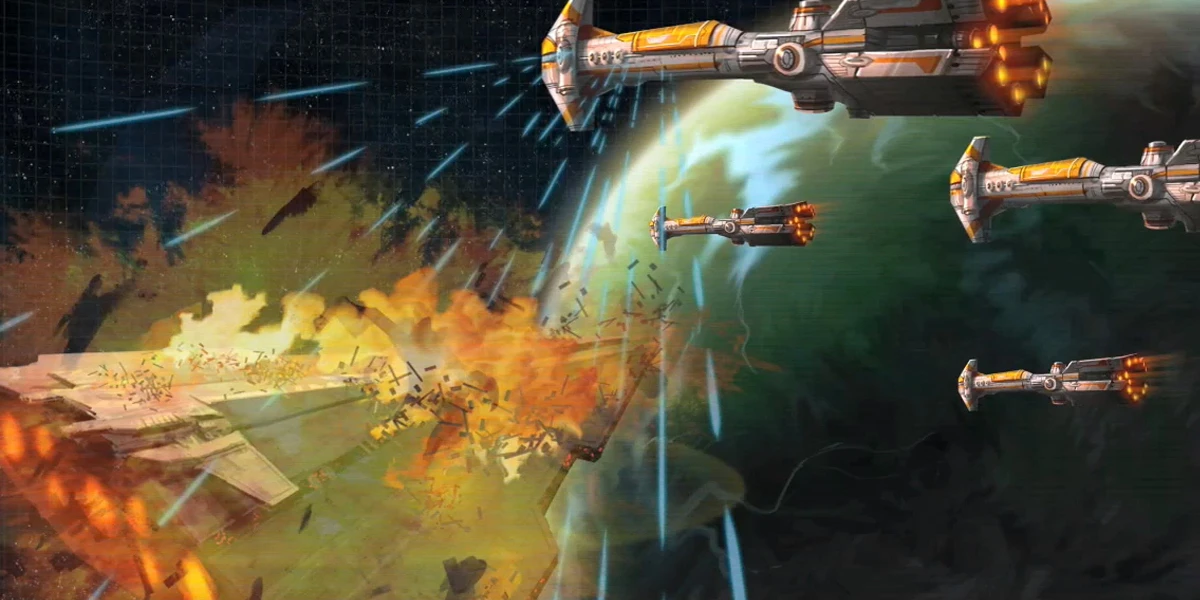
The Great Galactic War represents the largest sustained conflict of the era. Fleets clash across sectors. Entire worlds are reshaped by prolonged fighting.
No side emerges unbroken. The Republic survives, but at tremendous cost. The Sith Empire proves its strength but exposes its own internal instability.
Importantly, this war does not end in clear victory. It ends in exhaustion.
The treaty era, peace without trust
The war ends through political agreement rather than decisive defeat. Officially, peace returns. In reality, the galaxy enters one of its most tense periods.
Both sides view the treaty as temporary. Intelligence operations expand. Proxy conflicts appear. Every calm moment feels like preparation for the next collapse.
This is the starting atmosphere of the SWTOR era. History feels unfinished. Everyone knows the story is not over.
How to remember the Old Republic timeline without dates
If you want to keep the timeline straight, forget numbers and remember patterns.
Expansion leads to confidence. Confidence leads to fracture. Fracture leads to war. War leads to exhaustion. Exhaustion leads to fragile peace. Fragile peace leads back to war.
This cycle repeats with different faces and names, but the structure remains the same.
Why this timeline still resonates with fans
The Old Republic timeline endures because it feels historical rather than cinematic. It does not rush toward resolution. It lingers on consequence.
Fans connect with it because it reflects how real history works. Institutions rise slowly. They weaken gradually. Collapse is rarely sudden.
This is why the era feels ancient and heavy. Every conflict carries memory.
Final clarity
The Old Republic timeline is not a list of dates. It is a sequence of eras shaped by repeating choices and unresolved tensions. Once you see that structure, the era stops feeling confusing and starts feeling coherent.
If the sense of long history, ancient conflict, and enduring symbols draws you in, you can explore that legacy visually through the star wars graphic tee collection and choose a style that matches how you read the galaxy.
