
No products in the cart.
Games
Old Republic Glossary for New Fans – Key Terms That Make the Era Click
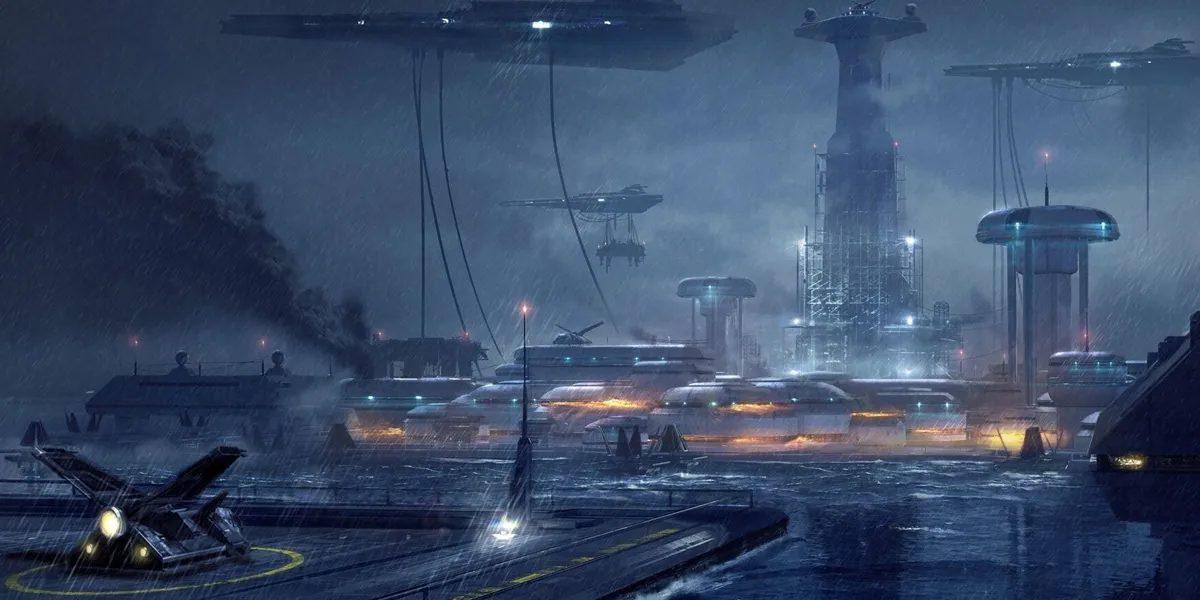
If you are new to the Old Republic era, the biggest obstacle is rarely the story itself. It is the language around it. Conversations are full of terms that longtime fans take for granted, Republic, Jedi Council, Sith Empire, schism, treaty, Dark Council, Mandalorians. When those words stack up, the era can feel harder to enter than it really is.
This glossary exists to remove that barrier. It is not a dictionary. It is a guided explanation of the key terms you will encounter when reading about the Old Republic, written so you understand not only what each term means, but why it matters.
Galactic Republic
The Galactic Republic is the political backbone of the Old Republic era. It is not a single planet or culture, but a vast network of worlds connected by trade, law, and mutual defense. The Republic believes stability comes from cooperation and shared governance.
In the Old Republic, the Republic is already ancient. It carries history, tradition, and bureaucracy. This age gives it legitimacy, but also makes it slow to adapt. Many of the era’s conflicts begin when the Republic’s ideals clash with the realities of long, destructive wars.
Jedi Order
The Jedi Order is a Force tradition built around discipline, restraint, and service. In the Old Republic, the Jedi are numerous, organized, and deeply involved in galactic affairs.
They act as diplomats, investigators, and military leaders when necessary. Their closeness to the Republic gives them influence, but it also creates tension. Understanding the Jedi Order is essential, because much of the Old Republic story explores what happens when ideals are tested by scale and duration.
Jedi Council
The Jedi Council is the governing body of the Jedi Order. It sets policy, interprets doctrine, and makes decisions during crises.
In the Old Republic, the Council often represents caution and tradition. This is not because its members lack courage, but because they fear repeating past disasters. Many conflicts arise when individual Jedi act faster than the Council is willing to move.
Sith
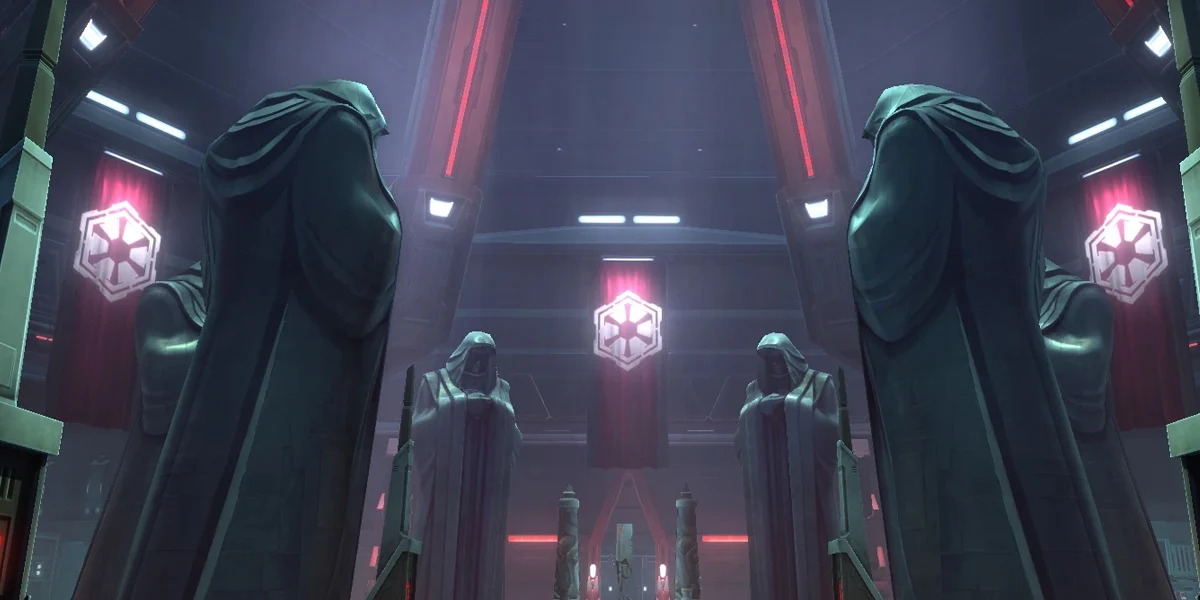
The Sith are a rival Force tradition born from ideological fracture. Where the Jedi emphasize restraint, the Sith emphasize power, ambition, and control.
In the Old Republic, Sith are not always secretive individuals. They often exist as part of an organized political system. This makes them more than villains. They are an alternative worldview competing with Jedi philosophy on a galactic scale.
Sith Empire
The Sith Empire is a structured state ruled by Sith ideology. It values strength, hierarchy, and decisive action. Power is earned, taken, and constantly contested.
Unlike later eras where Sith hide in shadows, the Old Republic Sith Empire operates openly. Its existence forces the Republic and Jedi into prolonged conflict, shaping the era’s tone.
Dark Council
The Dark Council is the ruling body of the Sith Empire. It is composed of powerful Sith Lords who control different spheres of influence.
The Council reflects Sith philosophy perfectly. Cooperation exists, but only so long as it serves ambition. Internal rivalry is expected. This constant tension makes the Empire effective and unstable at the same time.
The Force
The Force is the energy field connecting all life. In the Old Republic, it is not treated as a simple moral binary.
The era explores the Force as something shaped by belief, intention, and interpretation. Jedi and Sith do not just use the Force differently. They understand it differently.
Light Side and Dark Side
The Light Side emphasizes balance, self control, and harmony. The Dark Side emphasizes emotion, passion, and dominance.
The Old Republic complicates this divide. Characters and institutions slide along this spectrum over time, showing that alignment is often gradual rather than sudden.
Schism
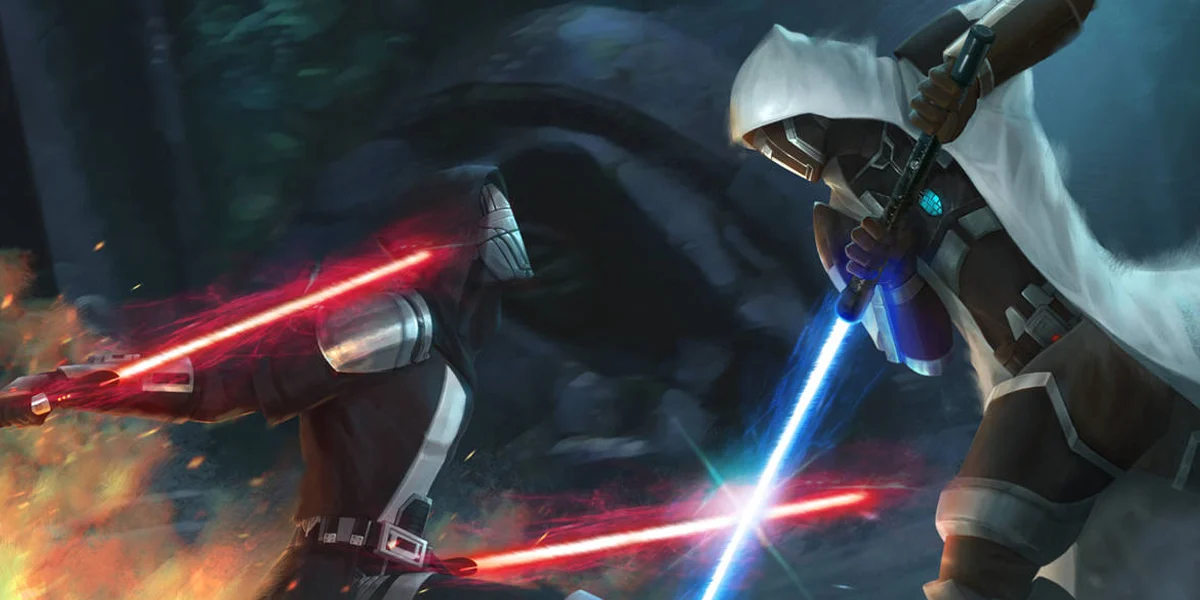
A schism is a philosophical fracture. In Old Republic history, it refers to the ideological break within the Jedi tradition that leads to the creation of the Sith.
This concept matters because it frames the Sith not as external evil, but as a divergent path born from the same roots.
Mandalorians
Mandalorians are a warrior culture defined by honor, strength, and conquest. Their wars play a critical role in shaping the Old Republic.
They force the Republic and Jedi into moral crises, pushing them toward decisions that leave long lasting consequences.
Mandalorian Wars
The Mandalorian Wars are a major early conflict of the era. They test the Jedi’s willingness to intervene and expose tensions between restraint and responsibility.
The aftermath of these wars directly feeds into later internal conflicts, making them a cornerstone of the Old Republic narrative.
Jedi Civil War
The Jedi Civil War is a conflict defined less by territory and more by loyalty and ideology. It represents trust collapsing from within institutions.
This war permanently alters how the Republic and Jedi view security and authority.
Great Galactic War
The Great Galactic War is a large scale conflict between the Republic and the Sith Empire. It devastates systems and ends without clean resolution.
The war’s conclusion sets the stage for a tense period of uneasy peace, which defines much of the SWTOR era.
Treaty
A treaty in the Old Republic context is rarely a true ending. It is a pause.
Treaties exist because exhaustion replaces victory. They often deepen resentment rather than resolve it.
Canon
Canon refers to the current official Star Wars continuity connected to modern films and shows.
Canon helps keep new storytelling consistent, but it does not determine the value of older stories.
Legends
Legends is the label applied to older Expanded Universe stories that operate outside the current canon.
Most Old Republic stories live in Legends, where they function as a complete mythology without needing alignment with new releases.
Why this glossary matters
The Old Republic can feel overwhelming because its language reflects its scale. Once you understand the terms, the era becomes approachable.
You stop reading names as noise and start seeing patterns, institutions under pressure, ideals tested by war, and history repeating itself.
Final takeaway
The Old Republic era is not difficult because it is complicated. It is difficult because it is old, layered, and institutional. This glossary gives you the tools to navigate it without confusion.
If the language, symbols, and conflicts of the Old Republic resonate with you, you can explore that legacy visually through the star wars graphic t-shirt collection and choose a piece that reflects how you connect with the galaxy.
