
No products in the cart.
Music
Why Billie Eilish Connects So Strongly With Many Gen Z Listeners
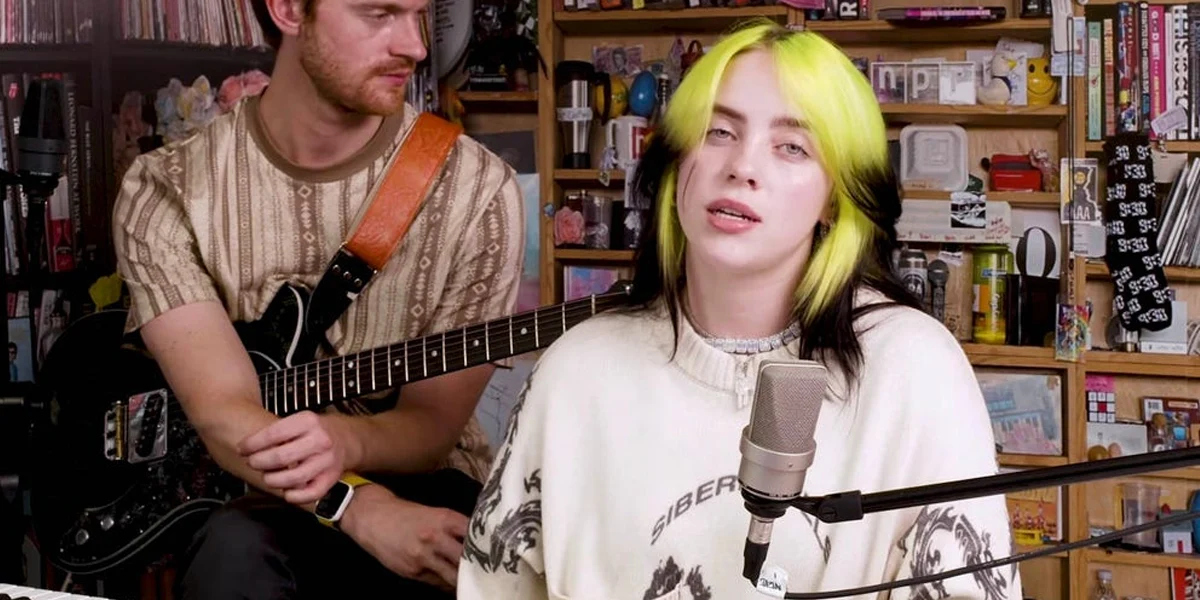
Even people who are not hardcore fans of Billie Eilish often feel that she is different from many pop stars who came before her. It is not because of huge vocals or a glamorous image. In many ways, Billie has presented herself almost in the opposite direction of a traditional pop star.
While not every Gen Z listener likes Billie, many young people still feel emotionally close to her in a very specific way.
Looking back, Billie started rising around 2018-2020, right when the internet, social media, and emotional pressure were shaping young people’s lives more intensely than ever. She appeared at a time when many of us were getting tired of overly perfect, polished pop stars.
Billie Eilish Does Not Feel Like a “Distant Celebrity”
Many older pop artists were built to feel larger than life. They often appeared perfect in public, with carefully styled looks and massive stage presence.
Billie felt very different. In her early years, she wore oversized clothes, looked tired or awkward, and did not seem interested in traditional glamour. Sometimes she looked more like someone who had stayed up too late than a polished celebrity.
And for many of us, that felt more real. She did not seem like she was constantly trying to impress an audience. Instead, she felt like someone living in the same world as us, dealing with anxiety, pressure, and emotional exhaustion alongside her fans.

Billie’s Music Does Not Pretend Everything Is Fine
Another reason Billie connected so strongly with many young listeners is that her music does not rush to erase difficult emotions.
A lot of older pop music focused on escapism — parties, confidence, romance, and feeling unstoppable. Billie often goes the other way.
She sings about overthinking, anxiety, loneliness, fear, emotional numbness, and feeling disconnected. Importantly, she does not always turn those feelings into quick positive lessons. Many songs simply stay inside the sadness or confusion.
That honesty is what makes many of us feel understood. Of course, some people find her music too heavy, but for those who connect with it, that openness feels much more real.
Especially for Gen Z — a generation that grew up with constant internet access, doomscrolling, and social media pressure — this kind of emotional exhaustion feels familiar. When Billie sings about it quietly and personally, it often hits close to home — the same emotional honesty that makes her music feel perfect for late night listening.
Billie Eilish Is an Artist of the Internet Era
Billie is also different because of how audiences discovered her.
Many previous pop stars became famous through television, radio, or big label promotion. Billie grew up inside internet culture. A lot of us found her through YouTube, late night playlists, Tumblr aesthetics, fan edits, and viral clips.
That makes the connection feel more personal. She does not feel like a celebrity sent from a big entertainment machine. She feels like someone who came directly from the same online world we were living in.

Billie Represents a Very Different Kind of “Cool”
Ten or twenty years ago, being “cool” in pop music often meant strong confidence, perfect looks, and high energy on stage.
Billie brought a different energy — something more detached, tired, awkward, and sometimes intentionally strange. And strangely enough, that matched the feeling of growing up with the internet quite well.
Many of us are familiar with overthinking, self-doubt, and feeling emotionally lost sometimes. Billie does not hide those parts of herself. She makes them part of her music and identity. That feels refreshing and honest.
Even as her image has become more mature in recent years, that core honesty remains one of the main reasons many fans connected with her from the beginning.
Maybe Billie Appeared at Exactly the Right Time for Many Young People
If Billie had debuted ten years earlier, she might still have been successful, but she may not have become such a big cultural moment.
She rose during a time when dark pop aesthetics, bedroom music, open mental health conversations, and tiredness of perfect celebrity images were all growing stronger. Billie fit that moment almost perfectly.
Her music does not push you to “become your best self” immediately. It often feels more like a quiet place where you can escape to when everything feels emotionally overwhelming.
That might be why Billie Eilish connects so strongly with a large part of today’s younger audience. Not everyone sees themselves in her, but for many of us, her music reflects the honest feelings of growing up with the internet, loneliness, and the desire to be understood — the core reason so many people feel deeply connected to Billie.
