
No products in the cart.
Music
How Billie Eilish Changed Across Her Albums
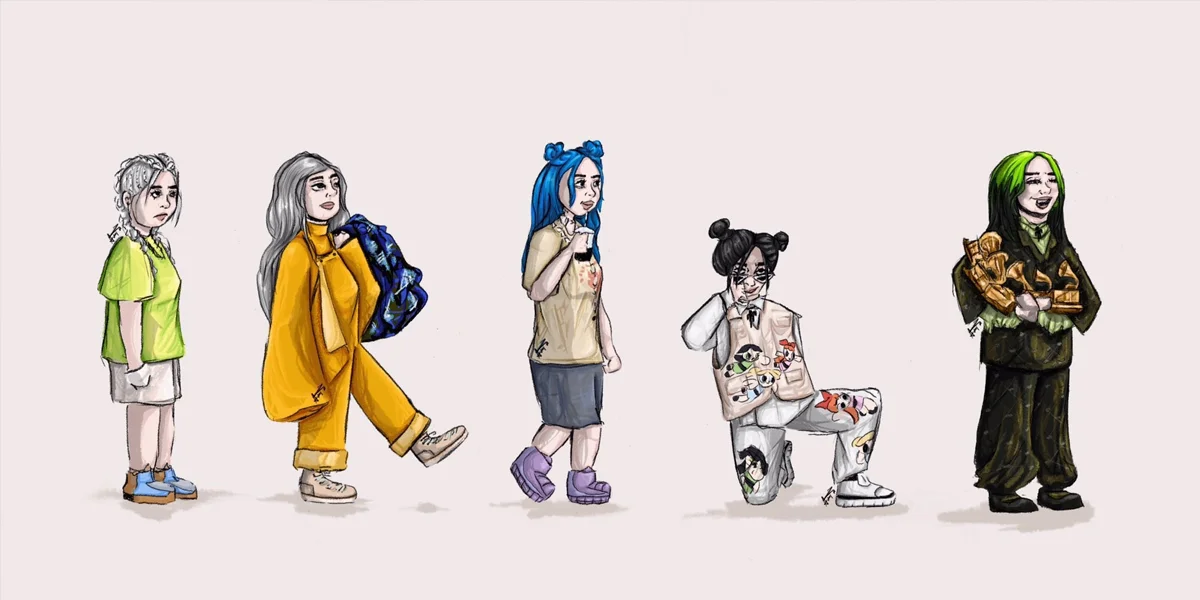
If you have been listening to Billie Eilish from her earliest years until now, one of the clearest things is how much she has changed. Not just in her appearance or public image, but also in her music, the way she expresses emotions, and how she sees herself.
But even though her music has evolved a lot, there is still something unmistakably “Billie Eilish” that remains. A feeling of intimacy, emotional closeness, and a slight distance from the traditional pop star image.
Maybe that is why many fans feel like they have grown up alongside her music, rather than just watching an artist change to follow trends.
Billie’s Early Era Felt Deeply Connected to Bedroom Internet Culture
When Billie first started gaining attention with songs like “Ocean Eyes” and the dont smile at me EP, she felt very different from other young pop stars at the time.
The music was minimal, with quiet, almost whispered vocals. Many songs sounded like they were made in a bedroom at midnight rather than in a big studio. Her image — oversized clothes, colorful hair, and an awkward, unglamorous presence — also made her feel more real to many young listeners.
Her early music often explored:
- loneliness
- overthinking
- emotional confusion
- feeling disconnected
- internet-age anxiety
Instead of turning those feelings into big dramatic performances, she expressed them in a small, private way. That made many of us feel like we were hearing someone’s inner thoughts.
These feelings continue to appear strongly in many of Billie’s songs that fans love to play during late night overthinking moments.
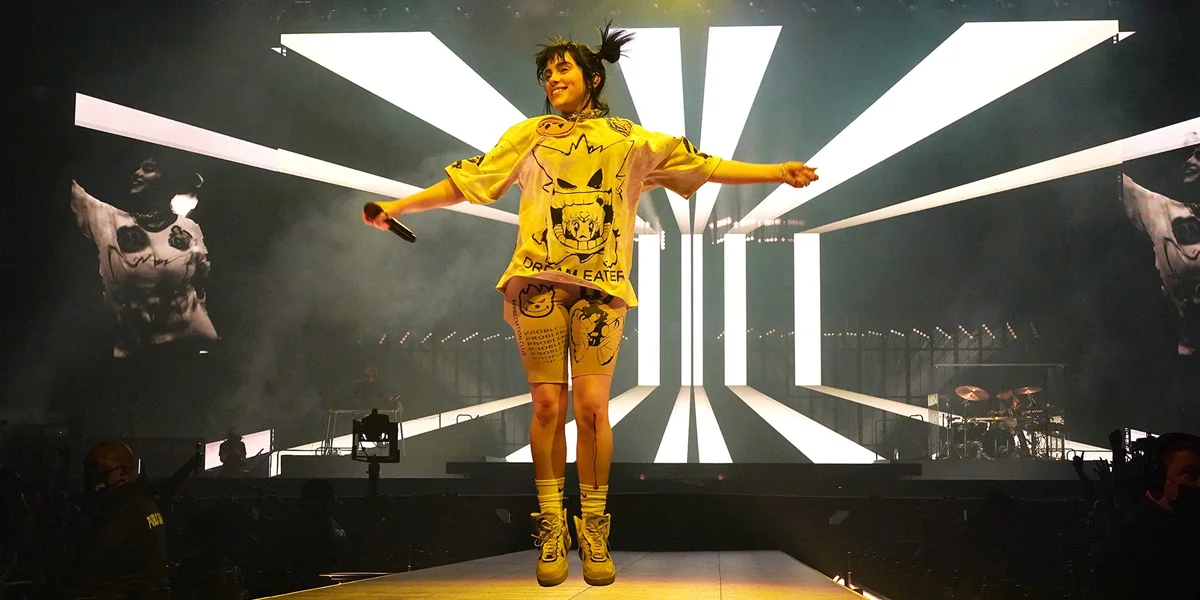
When We All Fall Asleep Was the Moment Billie Became Stranger and More Cinematic
If the first EP still had that minimal bedroom-pop feeling, then WHEN WE ALL FALL ASLEEP, WHERE DO WE GO? was when Billie and Finneas pushed their sound much further.
The album was still full of anxiety and darkness, but it became more surreal, theatrical, and dreamlike in a strange way. Songs like “bury a friend,” “xanny,” and “ilomilo” felt both unsettling and deeply lonely, contributing to the cinematic quality that many associate with Billie’s music.
This was also when Billie’s image became a big internet phenomenon — green roots, oversized fashion, and dark visuals. Even as the music grew bigger and more experimental, she still kept that important sense of intimacy. Many songs still felt like she was singing directly into your ear.
Happier Than Ever Was Billie’s Biggest Shift
The album that probably felt like the biggest change for many fans was Happier Than Ever.
This was no longer just the “sad bedroom” Billie. The album sounded more mature, frustrated, and emotionally direct. Instead of focusing only on internal anxiety, she started singing more openly about fame, losing privacy, pressure, exploitation, relationships, and frustration.
The sound also changed. While many songs stayed quiet and intimate, some moments exploded with much more intensity. The title track “Happier Than Ever” is the best example — starting restrained and then bursting into raw anger and exhaustion by the end.
For many of us, this was the moment we realized Billie was growing up in public and learning to express herself more openly.

Hit Me Hard and Soft Feels Like a More Emotionally Comfortable Billie
If Happier Than Ever was about frustration and emotional release, then HIT ME HARD AND SOFT feels softer and more emotionally complex.
The album feels less like it is trying to create a strong “dark pop” character. It sounds more natural, gentler in places, and more comfortable with emotional contradictions.
The familiar intimacy is still there, but the themes have expanded to explore vulnerability, desire, emotional ambiguity, confusion about adulthood, and different kinds of intimacy. The production also feels more cinematic and fluid.
Overall, it gives the impression of someone who has become more at peace with her own emotions.
Even Though Billie Has Changed a Lot, Something Has Always Stayed the Same
Looking back across her albums, Billie has clearly changed in many ways — image, fashion, production, songwriting, and how she expresses emotions.
But the core thing that still makes her recognizable is the intimacy in her music. Even when the sound gets bigger or more mature, her songs rarely feel like a big pop star performing for a crowd. They still often sound like private thoughts shared closely with the listener.
Maybe that is why it does not feel like she changed in the typical “outsider to celebrity” way. It feels more like listening to someone slowly grow up across different chapters of her life — which may explain why so many young people connect deeply with Billie.
