
No products in the cart.
Anime
Demon Slayer Characters That Stay With You Long After The Fight
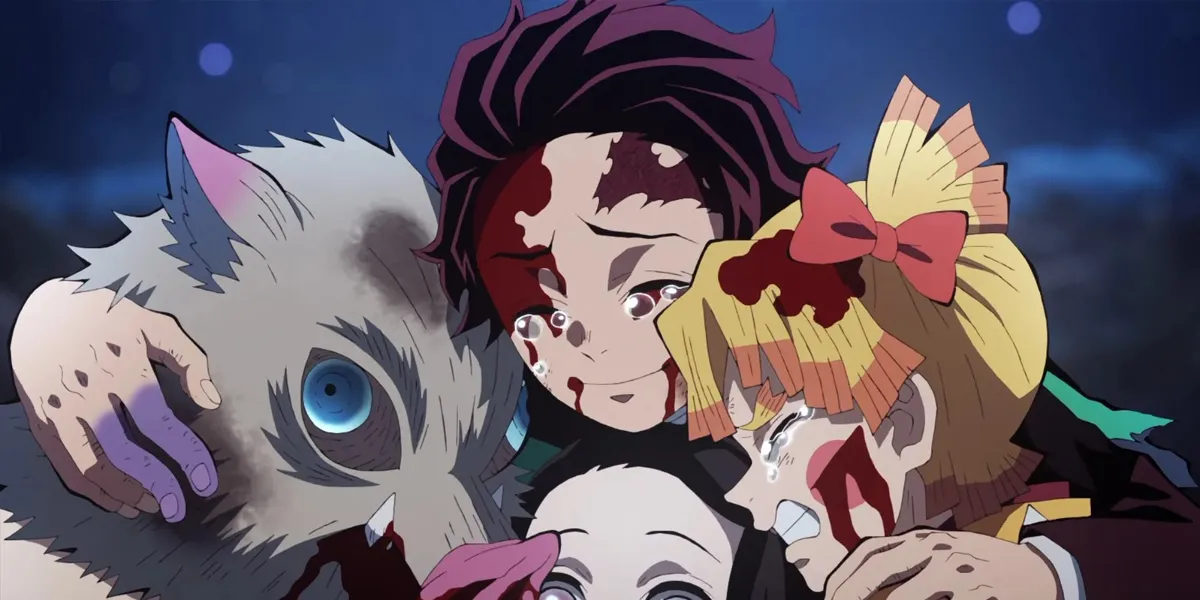
There was a time when I watched anime whenever I had a free evening. I would jump from one pirate streaming site to another, sort shows by view count, and click whatever looked popular. Demon Slayer was one of those picks. I opened it thinking it would just be another flashy series to kill time. Instead, it became one of the few shows where I kept thinking about the characters even after I closed the tab and went back to work and real life.
People often talk about Demon Slayer in a very short way. Beautiful animation, smooth fights, amazing effects. None of that is wrong. But if looks were the only thing that mattered, fans would not still be thinking about a guy like Zenitsu years after the first time he fell asleep and then instantly finished off a demon with Thunder Breathing First Form. These are the characters that make you laugh at first, then feel soft toward them, and then realize there is something uncomfortably familiar in the way they move through the world.
This article is not a power ranking. It is not a list of the strongest Hashira. It is a different kind of list. These are Demon Slayer characters who stay with you long after the fight is over, not only because they swing their swords well but because they carry something deeply human.
What It Means For A Demon Slayer Character To Stay With You
Staying with you is more than simply remembering a name. Any fan who watched the show can list Tanjiro, Nezuko, Zenitsu, Inosuke, Rengoku, the Hashira, and a bunch of demons by heart. The ones who truly stay in your head are the characters who make you do at least one of these things:
- You rewatch their scenes even when you did not plan to.
- You remember a line, a look, or one small decision long after the episode ends.
- You see yourself, a friend, or someone in your family reflected in the way they handle fear, grief, or pressure.
This list is not meant to be definitive. Everyone has their own personal lineup. Think of it as an invitation to look back at Demon Slayer through the characters who left a mark, and to compare that list with your own.
Tanjiro And Nezuko, The Heart That Keeps Everything Moving
Tanjiro, kindness that is not weak at all
At a glance, Tanjiro can look like a typical good boy main character. He speaks gently, bows, thanks people, apologizes a lot, and always tries to save someone. A lesser story would make that kindness feel empty. Demon Slayer does not. It gives his softness weight.
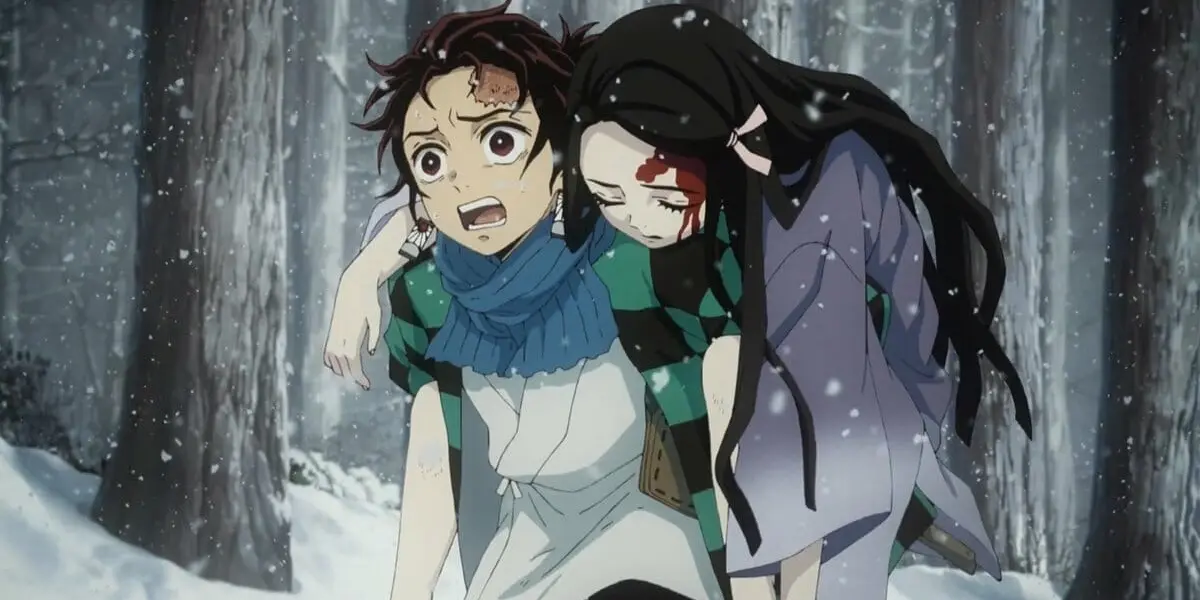
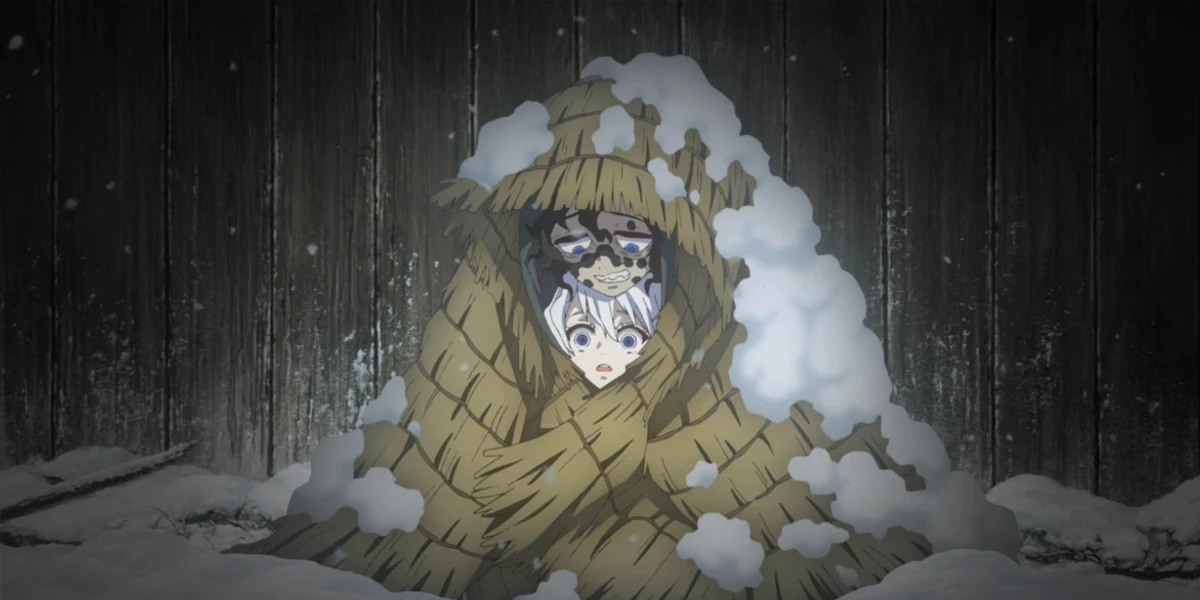
The very first images of Tanjiro are brutal. He carries Nezuko through the snow after his entire family has been slaughtered. There is no time to collapse. He has no option except to keep moving. Later, he kneels in front of the gathered Hashira, defending Nezuko while taking every suspicious glance onto himself.
What makes Tanjiro linger in your memory is that he never abandons his kindness, yet it is not naive. He is not saying that everything can be forgiven. He looks straight at the pain of others. He apologizes even to demons who have killed people, not because he excuses what they did but because he recognizes that they once had specific lives and stories before they became monsters.
The older you are, the easier it is to see an ideal version of yourself in Tanjiro, someone who manages to keep a soft heart without getting blurry about right and wrong.
Nezuko, much more than a cute little sister in a box
It is easy to treat Nezuko as the cute sister in the wooden box, the mascot made for fan art, cosplay, and stickers. Look a bit closer and she becomes one of the reasons the whole show feels heavy from the first episode.
Nezuko chooses to live in darkness. She shrinks her body to fit inside that box, hides from sunlight and from people, and travels the world in silence. She cannot speak, so everything is carried by her eyes, by the way she moves, and by the way she steps in front of Tanjiro whenever danger appears. The fact that she keeps a part of her human heart inside a demon body is not some convenient spell. It is the result of a relationship that even demon blood cannot erase.
Nezuko is the kind of character who feels familiar to anyone who ever had to make themselves smaller for family or circumstances. You may not be able to describe that feeling clearly, but every time Nezuko shows up, your chest relaxes a little.
Zenitsu And Inosuke, When Comic Relief Cuts A Little Deeper
Zenitsu, the fear many people do not want to admit
Zenitsu is a controversial character. Some fans dislike him, some adore him, and some find him annoying and endearing at the same time. It is hard to deny that he is one of the most memorable faces in Demon Slayer.
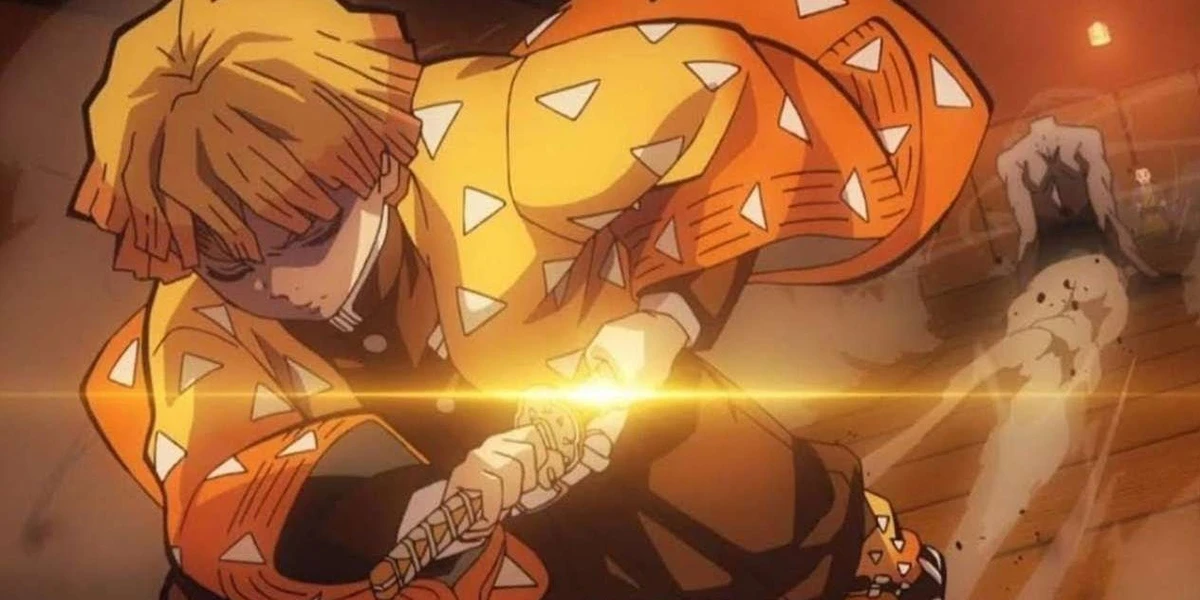
My strongest impression of Zenitsu came from that early scene in the dark wooden room. The demon in the house rushes forward, the whole situation is pure panic, and Zenitsu simply drops, shaking and almost frozen. Then, in the space of a heartbeat, something flips. He rises from the floor into a perfect stance, hand locked around the hilt, the entire room suddenly quiet. He moves in a single clean line of Thunder Breathing First Form, and the demon falls before the viewer has time to process what just happened.
Later, the story reveals that Zenitsu only mastered one technique and failed at everything else. That detail instantly reminded me of the quote often attributed to Bruce Lee about not fearing the person who practiced a thousand kicks one time, but fearing the person who practiced one kick a thousand times. Zenitsu is that principle made into a shaky, crying boy. He is weak, terrified, and often pathetic, yet he clings to the one thing he can do and drills it until it becomes deadly.
Zenitsu sticks in your mind because he is not a perfect hero. He is a blown up version of the fear many people carry in real life. The difference is that most people hide it better than he does.
Inosuke, the lost child under the boar mask
At first, Inosuke is pure chaos. He yells, picks fights with everyone, charges into danger without thinking, and waves his chipped blades around like a wild animal. That is exactly what he is, a boy who grew up in the mountains and never learned what the word home should feel like.
When the story slowly opens his past, his behavior begins to make sense. Inosuke had to fight to exist. Strength and noise were the only language that worked. Of course he refuses to listen. Of course he feels threatened by any hint of weakness.
What keeps Inosuke in your mind are the quieter moments. The way he reacts when teammates show concern. The awkwardness when he has to rely on others. The gradual understanding that cooperation does not mean losing himself. He may be one of the funniest characters in the show, but underneath that is a very recognizable kind of loneliness.
Rengoku And The Adults You Admire And Mourn At The Same Time
Rengoku, the character you meet once and never forget
If you have seen Mugen Train, you know why one movie was enough for Rengoku to become unforgettable for so many fans. The first impression is almost silly. He eats like a man who has never seen food before, shouts about how delicious everything is, and radiates an over the top big brother energy.
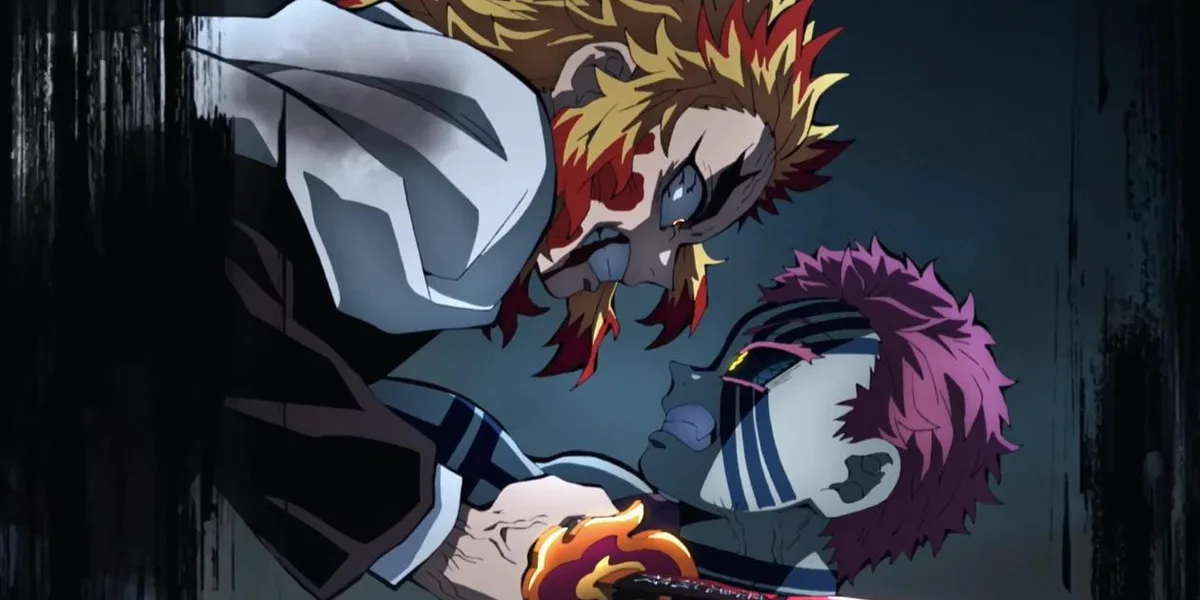
As the story continues, Rengoku gets heavier. The story does not need an hour long flashback. A few brief glimpses of his family, of a broken father, and of expectations and duty are enough to show how many times he had to stand up alone. When the fight with Akaza reaches its peak, Rengoku does not talk about retreat or bad luck. He simply does what he thinks he must do, places himself between a monster and the people he wants to protect, and accepts the cost.
When Rengoku falls, many viewers find themselves replaying every earlier scene on the train. The loud jokes, the polite encouragement, the bright smile. Everything recontextualizes that final stand. That is why he stays in your head, not because of where he would land on a power chart but because he embodies a kind of adult you rarely see, someone both reliable and tragically easy to lose.
The other Hashira and the wounds they barely mention
Demon Slayer does not present the Hashira as a flawless elite squad. They are survivors who have all paid a price to stand where they are.
Giyu is quiet, always slightly out of sync with everyone. He is incredibly strong yet never looks comfortable in his own place within the group. Shinobu smiles gently, speaks in a soft tone, and hides a core of rage and grief that comes through in small cracks. Uzui fills the screen with flash and swagger, but his greatest fear is not looking uncool. It is losing the small family he has left with his three wives.
Each Hashira gets a handful of silent shots, a short line, or a moment of vulnerability. Those little things are enough to show that they are not just cool designs. They are adults with scars the story chooses to respect rather than explain away.
The Demons And The Uncomfortable Human Questions They Carry
Rui and the twisted idea of family
Rui is frightening not only because of his threads and cruelty but also because of his obsession with family. He builds a fake family around himself and forces everyone into roles they never chose. In his hands, the word family no longer means safety. It becomes a cage.
When his past is revealed, fans face a conflict. They still hate what he has done, yet it is impossible to hate him in a simple way. The show does not ask you to forgive Rui. It simply refuses to let the emotion remain clean. It raises questions instead. If a child is twisted from the very beginning, how much of the monster is choice, and how much is the shape the world pushed him into.
Akaza, a villain you cannot fully let go of
Akaza enters as a nightmare opponent, strong, brutal, and obsessed with a warped idea of strength. His fight with Rengoku is where he carves his place into the memory of fans. It is not only the choreography that matters. It is the way he recognizes and respects Rengoku even while trying to kill him.
Without going beyond what the anime has shown, it is already clear that Akaza is not a simple one note villain. Every move and every line hints at a deep fear of weakness and a history he refuses to look at directly. Strength has become his shield and prison at the same time.
Akaza is the kind of character who shows up in your thoughts whenever you think about the Mugen Train arc. You remember Rengoku of course, but you also remember this demon who feels like a tragedy spiraling out of control.
Daki and Gyutaro, children abandoned behind the lights
Daki and Gyutaro are one of the clearest examples of demons as warped reflections of human suffering. They grow up in the red light district, treated as disposable from the start. Beauty and ugliness become weapons people use on them, not qualities they own.
Their bond is ugly and intense. They cling to each other, hurt each other, and rely on each other entirely. In their final moments, when they are given the chance to separate, they choose to walk into hell together instead. The scene needs very few words. Their backs, their silhouettes, and the darkness ahead do most of the talking.
Daki and Gyutaro stay with you because they remind you that not every demon began as a monster. Some were simply children no one protected.
Kanao, Genya And The Quiet Ones You Still Remember
Kanao and the coin that decides her life
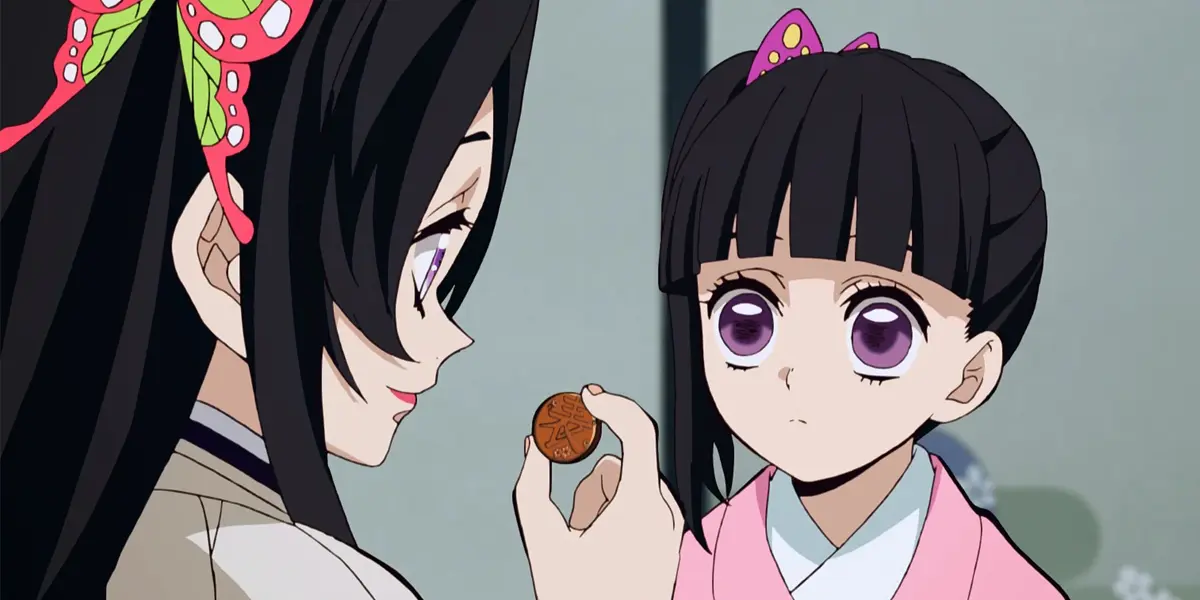
Kanao is easy to overlook at first. She speaks little, shows almost no emotion, and often sits on the edge of the frame. Then the story reveals her habit of flipping a coin whenever she has to decide something, and suddenly she becomes one of the most painful characters in the cast.
When someone has been forced to obey for too long, the question “what do you want” becomes terrifying. Kanao uses the coin as a shield against that pressure. As long as the coin chooses, she does not have to own the outcome. The real turning point is not when she pulls off a cool move. It is when she starts deciding without flipping anything. That quiet shift says more about her growth than any big speech could.
Genya, anger aimed at the entire world
Genya is not the first name most people bring up when they think about Demon Slayer, yet his presence is hard to forget. His relationship with Sanemi is raw and full of jagged edges. Genya carries a very specific kind of anger, anger at his brother, at himself, and at a world that tore their family apart.
He represents everyone who has spent their life running after someone they respect and resent at the same time. No matter how hard he tries, the distance never seems to close. Genya reminds the audience that not everyone in the Demon Slayer Corps stands there with calm confidence. Some are just trying not to get left behind again.
The faces that drift by and still stay
There are also characters who appear only briefly yet leave a mark if you were paying attention. Sabito and Makomo, the Kamado family in flashbacks, and the children at the Butterfly Mansion. They do not have full arcs, but they are the bricks under Tanjiro and Nezuko’s journey.
Whenever you think about where Tanjiro’s strength really comes from, you inevitably remember these faces, even if the show does not spotlight them for long.
Why Demon Slayer Characters Stay Longer Than Many Battle Shonen Heroes
Demon Slayer is praised for its animation, and it deserves that praise. Still, if visuals were the only strength, people would not be thinking about Zenitsu or Rengoku or Rui or Kanao while sitting at a desk or watching some other movie.
One of the series’s biggest strengths is that every significant character is given at least one or two moments that are deep and quiet enough to stick. Demons always come with a personal story. The show does not excuse them, but it refuses to reduce them to simple evil. Every fight becomes a collision between different kinds of wounded people rather than a straightforward good versus bad showdown.
The pacing also leaves room for ordinary life. Meals, naps, small arguments, and the quiet work of bandaging wounds. These pauses remind the audience that these are still teenagers and tired adults trying to hold it together, not machines built to show off animation techniques.
That is why a piece of fan art of Nezuko, a print of Rengoku, or a hoodie with Zenitsu on it does not just remind you of a move or a power up. It pulls back the entire feeling that came with that character.
Carrying These Characters Into Your Everyday Life
Every Demon Slayer fan has one special character. For some people, it is Tanjiro, a quiet model of empathy. For others, it is Nezuko, a small symbol of family and resilience. For some, like me, it ends up being someone chaotic like Zenitsu, because his fear and hesitation feel uncomfortably familiar.
Keeping these characters close does not always mean hanging a giant poster on your wall. Sometimes, it is just a phone wallpaper, a sticker on a laptop, or a graphic tee you reach for when you want a little extra courage or comfort. It is a way of saying this story meant something to you, and you do not want to leave it behind completely.
If that sounds like you, you might enjoy browsing a small curated selection of anime graphic tees for Demon Slayer fans that let you carry a bit of that Demon Slayer energy with you even when you are far from the screen.
