
No products in the cart.
Movies & TV Series
Home Alone Through Adult Eyes: The Little Things You Missed as a Kid
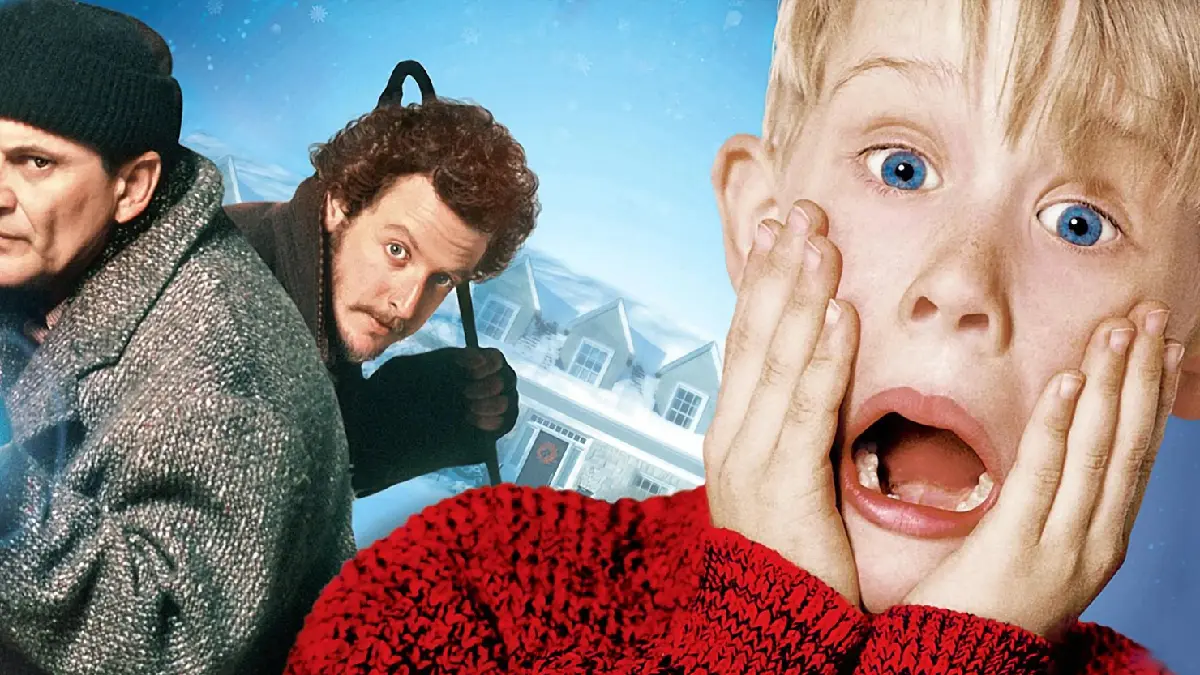
There are some movies that automatically pop into your head the moment the air turns colder and Christmas trees start showing up on social media. Home Alone is one of those. As a kid, it felt very simple. Kevin was clever, the burglars were dumb, the traps were hilarious, and the more they hurt, the harder you laughed. You could rewatch it over and over and it never seemed to get old.
At some point though, once you start working, paying rent, buying plane tickets, and worrying about gifts for your own family, Home Alone stops being just a story about a kid left behind. With the exact same frames, new layers start to surface. You suddenly see the chaos of a big family, the stress on the parents, the loneliness of the elderly neighbor, and even quiet hints about money and class hiding in the background.
Watching Home Alone with adult eyes feels like replaying an old tape that suddenly has new subtitles turned on. All the tiny things your kid brain skipped past now stand out clearly. This article is an invitation to turn on that adult mode, not to nitpick the movie to death, but to look a little closer at the small details that make Home Alone such a true comfort movie.
Why Home Alone feels completely different once you grow up
As a child, Home Alone has one clear center of gravity: Kevin. All your attention goes to this eight year old who is stubborn, sharp, and suddenly completely free. He yells that he made his family disappear, jumps on the bed, eats junk food, watches forbidden movies, and sprints around the house like he owns the place. The focus is on pratfalls, shouting, firecrackers, and slippery stairs. It plays almost like a live action cartoon.
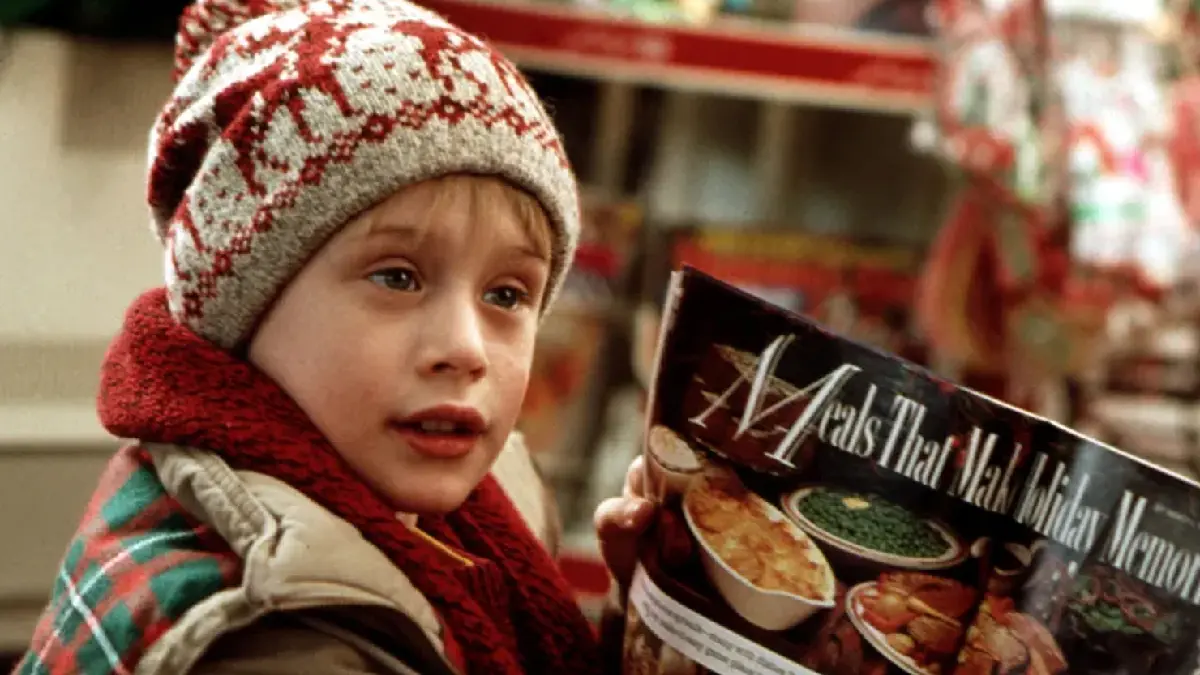
When you are older, Kevin is no longer the only interesting person on screen. Your eyes start drifting to his parents and the endless checklist before an international trip. Plane tickets, passports, luggage, hungry kids fighting over pizza in the living room. That night before the flight, which once felt like filler, now looks exactly like those big family gatherings where joy and exhaustion are mixed into the same room.
You also notice how long the movie lingers on the pre departure chaos. As a kid you might have felt impatient, waiting for the first trap to go off. As an adult, that noisy family section is where the story gets its emotional weight. Before Kevin becomes king of the house, this is a home filled with people, mess, and very real friction.
Seen this way, Home Alone quietly shifts from a simple kids comedy into a full on family movie. It starts to feel less like a fantasy about being left behind and more like a snapshot of how complicated it is to keep a big family moving in the same direction.
The McCallister house is a whole character when you look closely
One of the reasons Home Alone sticks so hard in people’s memories is the McCallister house itself. As a kid, it is just “the big nice house.” When you revisit the movie, especially in high definition, the house becomes a full character with its own mood and style.
The red and green everywhere you never noticed as a kid
If you look closely, you will notice red and green almost everywhere. Walls, curtains, bedspreads, tablecloths, dishes, décor, even the clothes the family wears. None of this is an accident. Together, those colors create a dense Christmas bubble that makes every corner of the frame feel seasonal, even when no one is talking about the holidays.
As a kid, your brain just registers that everything looks very Christmas. As an adult, you start to appreciate that this is a deliberate visual choice. The house is not just a backdrop. It is the embodiment of a very specific kind of American nineties Christmas energy: warm, a bit loud, a bit over the top, but instantly recognizable.
If you love decorating for the holidays, it is easy to steal ideas from the McCallister house. A sofa corner with red pillows, plaid blankets, warm string lights, and maybe a fun Home Alone graphic T-shirt or two can become your own mini “Home Alone corner” for December. Some fans even build a tiny Home Alone graphic T shirts collection they only wear for Christmas movie nights.
The small props that quietly tell you who this family is
When you pause and scan the background, there are dozens of little props that tell you who the McCallisters are. Family photos line the staircase. Toys are scattered everywhere. The kitchen is always a bit messy but clearly lived in. Kevin’s room is covered in posters, gadgets, and random treasures. This is not a cold showroom house. It is a home for a big, slightly chaotic, well off family.
Those details make Kevin’s alone time feel more intense. He is not just free in some generic nice house. He is running loose in a fully built world that feels real. As an adult, you recognize the care and budget that went into creating that world and you appreciate how much the production design carries the story.

Money, class, and adult worries hiding in the background
One of the oldest jokes about Home Alone is the question, “What does Kevin’s dad do for a living?” As kids, we barely think about it. The house is big, the flight to Paris is exciting, and that is the end of it. As adults who have had to buy plane tickets and book hotels, the money side of the story becomes much louder.
Flying a huge group to Paris at Christmas time is an enormous expense. The large suburban home, the endless decorations, and all the extras in the background quietly position the McCallisters as a comfortable upper middle class family. Small touches like credit cards, long distance calls, and last minute bookings remind you that none of this is cheap.
To be clear, Home Alone never turns into a lecture on class. It uses this wealthy suburban setting as a playground for its holiday fantasy. But once you start thinking like an adult, you cannot help noticing the safety net. This is a family that can afford to make a huge mistake, then throw more money at flights, hotels, and phone calls to fix it.
The fascinating thing is that the movie still keeps its tone light. It does not demand that you analyze it like a sociology paper. It just quietly adds one more layer that your grown up brain is free to notice if it wants to.
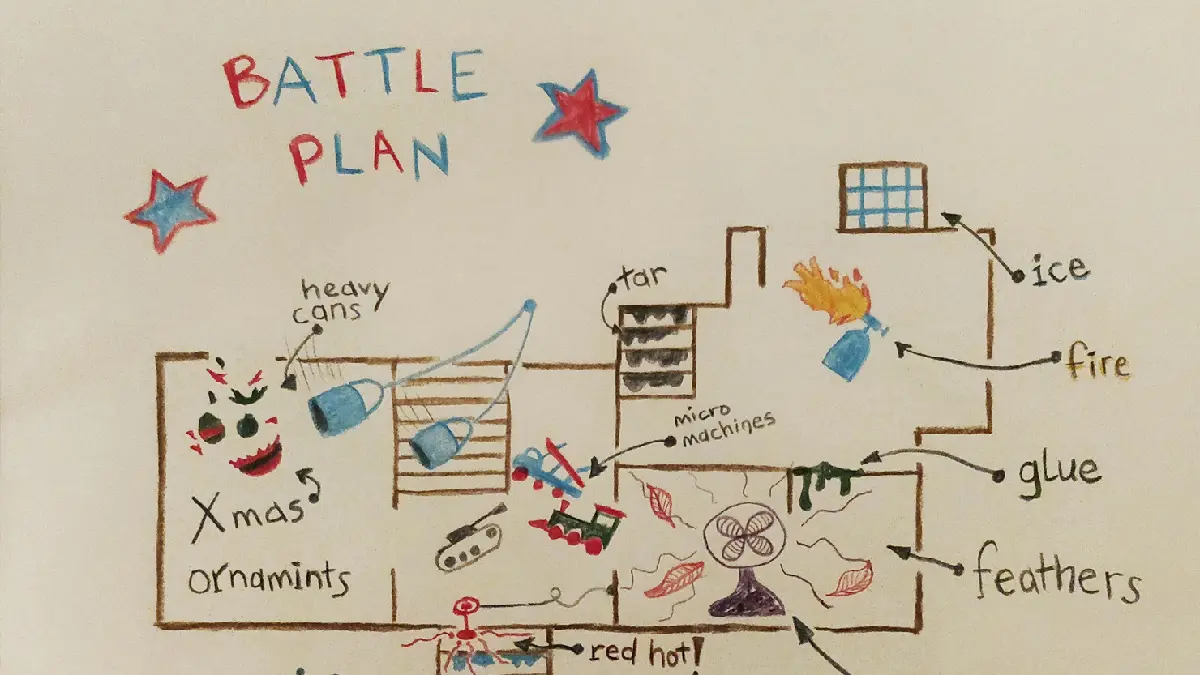
Kevin’s traps, cartoon violence, and suddenly feeling bad for the Wet Bandits
You cannot talk about Home Alone without talking about the traps. They are the part that glued you to the screen as a kid, and they remain the most quoted sequences today. What changes is the way you feel while watching them.
As a child, every slip and fall is pure slapstick. Marv stepping on a nail in the basement is awful but hilarious. Harry’s head catching fire is shocking but somehow still funny. You read all this violence like you would in a Tom and Jerry cartoon. Pain is stretchy, injury is reversible, and everyone pops back up after a few seconds.
As an adult, your brain starts doing different math. A hot iron dropping onto someone’s face from that height, a skull cracking on frozen stairs, blowtorches on bare skin, shards of glass under bare feet. These are the kinds of injuries that in real life would mean ambulances, surgeries, and long recoveries. You catch yourself ranking the traps by how lethal they would be outside of a movie.
A part of you still loves the screaming and chaos. Another part is a little horrified. Without quite meaning to, you start to feel a tiny bit sorry for Harry and Marv. Yes, they are criminals. Yes, they deserve to be stopped. But you cannot deny that what Kevin does to them is extreme. That guilty laughter is something you simply do not have when you watch the movie as a kid.
Because the film constantly frames the violence like a cartoon, you do not sink into misery. You still laugh, but now you know you are laughing from a safe distance. The traps are no longer just a collection of clever gags. They are also a strange little test of where you personally draw the line between funny and painful.
Old Man Marley and the fear of ending up alone
If there is one character who hits much harder once you grow up, it is Old Man Marley. As a child, he is introduced as the scary neighbor with a shovel, wrapped in rumors about murdered families and bodies in garbage cans. You are meant to fear him because the kids in the movie do.
On a rewatch as an adult, all that melts away. What you see instead is a lonely man moving slowly through the snow, sitting by himself, and watching other families from a distance. The close ups on his face do not look monstrous anymore. They look tired and sad.
The church scene might be the most adult moment in the whole movie. The conversation between Kevin and Marley could be lifted out and played as a short film about estrangement and reconciliation. Marley is terrified to call his son. He is afraid of being rejected, of hearing that he is not welcome, of confirming his worst fears. Those feelings are not abstract. They are the exact anxieties many adults carry into the holidays.
By the time you see Marley hugging his granddaughter in the snow at the end, that scene might hit you harder than any of the traps. Side by side with Kevin being reunited with his mother, Marley’s reunion shows a much bigger gap being bridged. It is not just one night of panic being resolved. It is years of silence finally breaking.
Growing up with Kevin and rewatching Home Alone every Christmas
When you revisit Home Alone after years away, something subtle happens. The character you identify with starts to move. As a kid, you are fully on Kevin’s side. The adults are a blur of rules and unfair decisions. You cheer for the child who finally gets to be in charge, to eat what he wants, to make the house his playground.
At a certain point in your own life, you start to slide into the parents’ point of view. You imagine the terror of realizing a child was left behind. You feel the helplessness of being trapped on a plane, of dealing with airport bureaucracy, and of knowing that you made a mistake you cannot instantly undo. You know what it is to be the person who is supposed to be responsible and still mess up.
Later, you might even recognize parts of yourself in the other kids, in the stressed aunt, in the relatives who mean well but are a little insensitive. Home Alone does not change. You do. Every rewatch is a tiny check in with your current place in life, and the movie somehow keeps having a place for you to stand.
Over time, watching Home Alone stops being simply “watching a movie” and becomes a ritual. Some people have a specific night each December. Some watch it with the same friend group every year. Others wait until the house is quiet, turn off the main lights, leave only the tree glowing, and press play. You are not just watching Kevin set traps. You are measuring how you feel about the same story one more time.
Letting Home Alone live in your real life with movie nights, décor, and outfits
The thing about comfort movies like Home Alone is that they rarely stay locked inside the screen. Fans almost never stop at simply pressing play. The movie leaks into home décor, playlists, little habits in the kitchen, and even the clothes people choose when they rewatch it.
Plenty of fans build a little “Home Alone night” tradition. Maybe it is ordering pizza, making hot chocolate, and watching the movie in dim light. Maybe it is decorating a corner of the living room to feel a bit like the McCallister house, with red and green accents, candles, and a slightly vintage look that feels straight out of the nineties.
For others, what they wear becomes part of the ritual. A Christmas sweater with a quote, a graphic tee that nods to Home Alone, or another favorite holiday movie, paired with soft pajama pants and thick socks. That is not about following fashion trends. It is about giving your tradition a visual cue. When you pull on that shirt or sweater, your brain knows it is time for the annual rewatch. Some people even rotate a tiny lineup of Christmas movie graphic T shirts for true fans, with at least one piece dedicated to a Home Alone reference.
The nice thing is that none of this has to be perfect or expensive. You do not need a huge tree, piles of gifts, or a closet full of merch. A few small details repeated year after year are more than enough. Maybe that is your favorite mug, a string of lights you always hang in the same place, or a Home Alone graphic t-shirt you save for December. When those little things come out, your holiday season officially begins.
Watching with adult eyes and keeping your kid heart
When we call Home Alone a comfort movie, it is easy to think only about the laughs. Look a little closer with the eyes you have now, and it becomes clear that what keeps the film alive is not just pain based slapstick and quotable lines. It is the way it holds real fears and real joys side by side. Fear of being left behind, fear of being alone, fear of having failed your family, and right next to them, the thrill of freedom, the warmth of being welcomed back, the relief of being forgiven.
Watching Home Alone as an adult means letting yourself see all of that. You still laugh at the falls and burns, but you also feel your throat tighten during the church scene. You feel for Kevin, but you also feel for his mom, for Old Man Marley, and yes, even a little for the two hapless burglars who picked the wrong house.
Maybe that is why, year after year, with new holiday movies dropping on every platform, you still circle back to this one. It is not because you refuse to grow up. It is because for ninety minutes, Home Alone lets you be both things at once. You get to understand the heavy parts like an adult and still laugh like a kid when someone slips on the ice. Holding those two feelings in the same story might be the best gift the movie gives you every Christmas.
