
No products in the cart.
Anime
Why Levi, Mikasa, and Erwin Hit So Hard for Adult Attack on Titan Fans
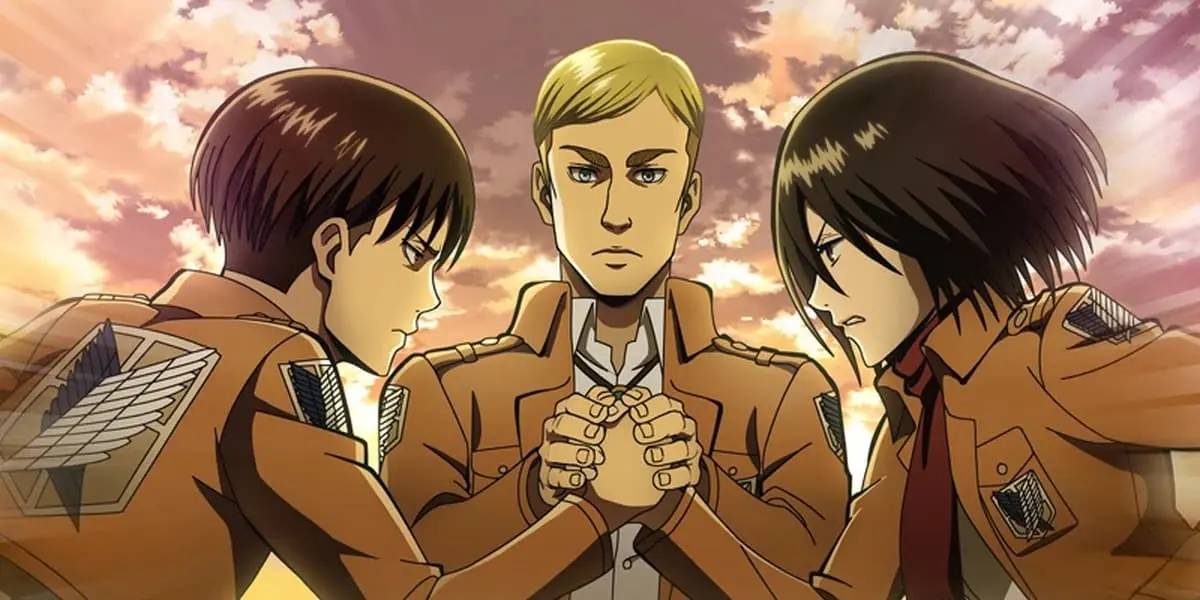
But when you grow older and come back to Attack on Titan, something else starts to happen. Eren feels less like your current self, and Levi, Mikasa, and Erwin start to feel painfully familiar instead. Together they represent three very recognizable types of adults: the soldier who has lost too much, the protector who does not know whether to hold on or let go, and the leader who is torn between duty to others and his own private obsessions.
This is not a power-scaling article about who is stronger or who deserved to live. It is a piece about looking at this trio through the eyes of someone who has already bumped into life a few times and suddenly realizes that some scenes that once looked only cool now hurt in a very different way.
On a rewatch you also start noticing all the quiet moments around them. A glance, a pause before a decision, a small gesture in the background that you once skipped over. Those are exactly the kind of emotional details that sit next to the more obvious plot twists, and they line up nicely with the kind of little Attack on Titan moments you usually only catch on a rewatch.
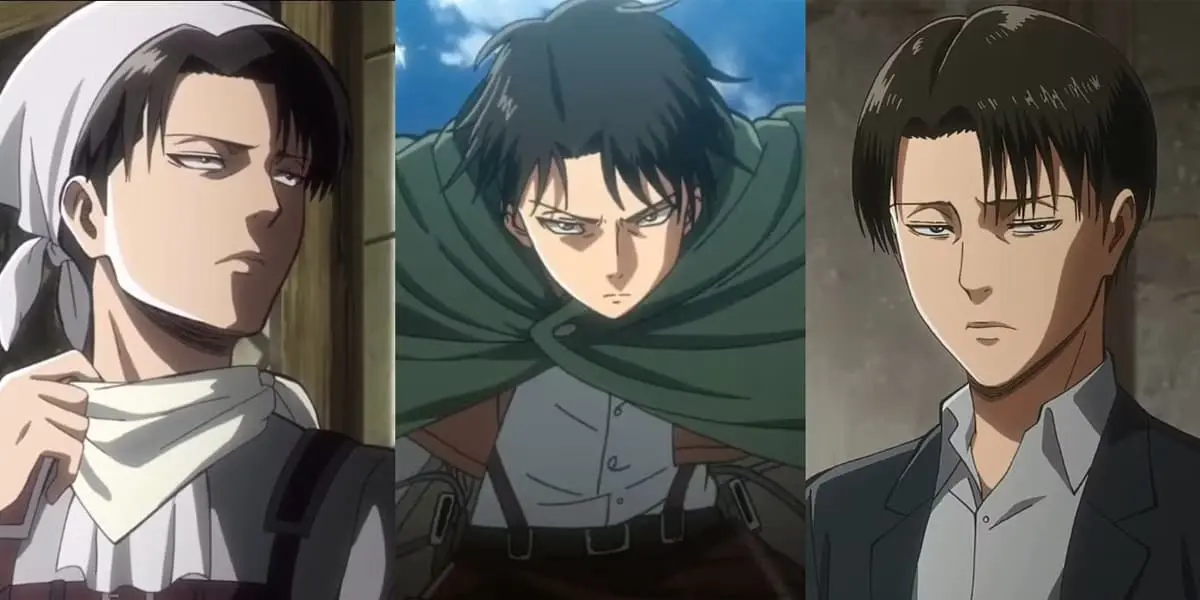
Levi: standards set too high, wounds buried too deep
On a first watch, it is very easy to read Levi at the surface level. He is the cool captain: fights clean, moves sharply, talks harshly, stays calm. He is the textbook example of the hyper-competent side character that younger fans latch onto, from his famous spins through the air to his showdown with the Beast Titan.
If you watch again after a few years of work and a few personal losses, Levi stops being just the cool squad leader. He becomes the shape of someone who has seen and lost too much, so he has no choice but to hold himself and everyone around him to a brutal standard. He understands that a small mistake does not cost points, it costs people.
Every time he stands among the bodies of his dead comrades, the expression on his face rarely explodes into visible grief. It looks more like someone who ran out of tears long ago. What is left is exhaustion and a stubborn decision to keep moving because there is no way back. Scenes where he simply looks down at his own hands or stands next to someone who is about to die may feel like quiet beats at first, but with older eyes you start reading all the unsaid weight inside them.
His relationship with Erwin hits harder too. You see a man who never really trusted anyone slowly put his faith in one commander. That same commander repeatedly sends people into near certain death. Later Levi is the one who has to choose between dragging Erwin back to life or giving that chance to someone else. From an adult fan point of view this is no longer just a dramatic twist. It is the kind of decision anyone who carries responsibility dreads: if your choice means someone dies, are you still a good person.
Levi is the kind of character you understand more as you grow older. He exists in the story as a reminder that sometimes survival and protection mean accepting that people will hate you for what you did, and you will still have to live with yourself afterward.
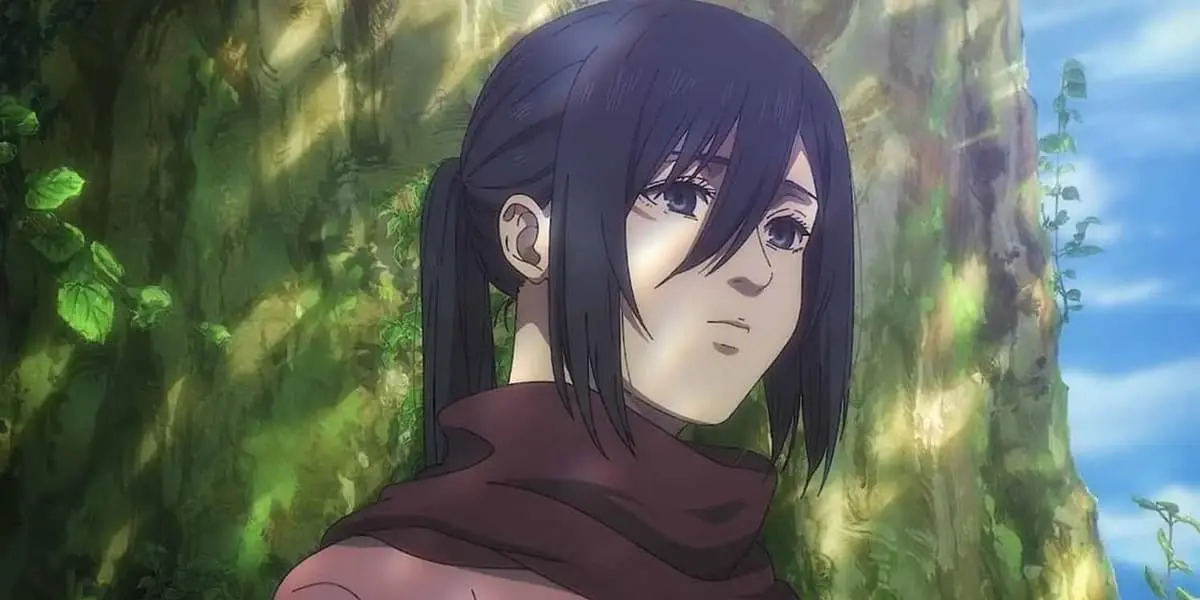
Mikasa: from protect at all costs to the question of when to let go
Mikasa is often remembered by the fandom as the unbreakable guardian. She always arrives just in time to pull Eren out of danger, always dives into the front lines, always looks strong enough to drag the whole squad away from the jaws of death. For younger fans she is the pure image of protecting the person you love at any cost.
With a more adult mindset, Mikasa becomes much more complicated. She is a child who lost almost everything in a single day, then was pulled out of that darkness by Eren and clung to him as if he were the last solid thing left in the world. Every time she steps in front of him and shuts down anyone who threatens him, it is not just a cool rescue. It is a sign that she cannot even imagine a future where Eren does not exist.
There are many moments where she stands half a step behind him. When he says he will do something reckless, she moves as if to interfere, then pulls back, caught between forcing him to listen and respecting his choice. Those small movements do not shout, but they speak loudly. If you have ever been in a relationship where you are stuck between holding on and accidentally suffocating the other person, Mikasa feels uncomfortably real.
Her final decision is the sharpest cut of all. Choosing to do the most painful thing to the person you love, not because you stopped loving them, but because it is the only way to end a nightmare, is the kind of choice that adults have a hard time even thinking about. It is not a fairy tale ending. It is the sort of ending real life sometimes hands you when loving someone and saving the world refuse to fit together.
On rewatch, Mikasa stops being just the unstoppable warrior behind the main character. She turns into a story about learning how to love someone deeply and still be able to let go when holding on will destroy both of you. A lot of fans only understand that layer after they have had to walk away from something or someone they never thought they would lose.
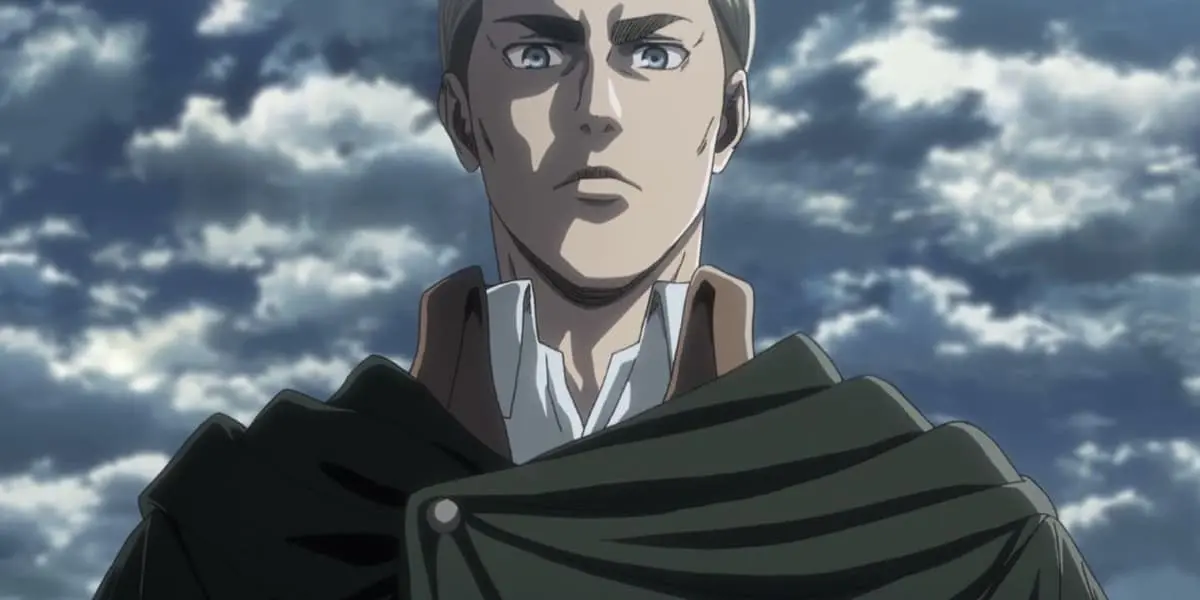
Erwin: obsession with the truth and the cost of leadership
On your first run through the series, it is easy to file Erwin under “the commander who gives great speeches”. The scene of him riding at the front of the charge toward the Beast Titan, shouting over the sound of stones and blood, is one of the most iconic in the show. But that is only the surface.
When you revisit Attack on Titan with more life behind you, Erwin becomes one of the most difficult characters to sit with. He carries a private obsession with the death of his father and the lies baked into the history of their world. At the same time he is the one who has to decide what hundreds of other people do with their lives.
Every decision he makes cuts somewhere. Each time he orders a charge that will almost certainly kill the people riding beside him, he has a strategic reason. That does not make the weight of it any lighter. The anime does not just show you his rallying cry. It also shows him sitting in silence, bowing his head, or staring into the distance after everything ends. Those are the moments when you see he is not a war junkie. He is a man trapped between a question that will not let him go and the faces of the people who trust him.
The moment when Erwin is given the chance to be pulled back to life or allowed to rest feels like a punch aimed straight at anyone who has ever had to let a big dream go because they had nothing left. Some people just want to live long enough to see the truth with their own eyes, yet by the time they reach that point, they are too tired to carry it. From an adult angle, Erwin is not just a heroic commander who falls in battle. He is a portrait of someone crushed under the weight of both his own ambition and the voices of those who followed him.
If you later read a ranking of every Titan shifter from the least unsettling to the most nightmare inducing, you can feel how the Beast Titan only becomes truly horrifying when you frame it inside Erwin’s decisions and Levi’s charge. The terror is not just in the monster. It is in the human cost wrapped around it.
When you grow up, the word “hero” stops being simple
Watching Attack on Titan as a teenager or as someone who still sees the world mostly in black and white, it is easy to sort people quickly. This one is a hero, that one is a villain, this person deserves to live, that person deserves to die. As you grow older, the gray area between those boxes starts to feel like the most frightening part of the story.
Levi, Mikasa, and Erwin all make choices that are hard to defend if you rip them out of context. Levi is capable of levels of brutality that make viewers flinch. Mikasa puts Eren above her own safety and sometimes above the safety of others. Erwin knowingly sends whole groups to their deaths for the chance at a small opening. Yet when you drop yourself into their world, with the information they have and the situation they are in, you realize there are no clean options left.
That is what makes adult viewers feel this trio so strongly. They are not pure heroes, but they are not simple monsters either. They are people forced to walk paths where any turn kills someone or breaks something. Attack on Titan never hands you a neat label that says they are right or wrong. It just lets you watch them carry their choices and quietly asks you what you would do in their place.
Once you have lived through a few hard seasons in your own life, it becomes easier to see them in people around you. A manager who has to make decisions nobody wants to take. A friend who always steps in front to shield others. A family member who tries to absorb all the blame so everyone else can breathe. At that point the show stops being a story about monsters outside the Walls and starts feeling like a story about humans trapped inside their own limits.
Rewatching with older eyes: when small scenes start to cut
One of the best parts of rewatching Attack on Titan is realizing how many small moments you missed the first time. With Levi, Mikasa, and Erwin, those moments often live in silence instead of in big action scenes.
It might be the way Levi looks at his hands after a battle. It might be Mikasa standing just behind Eren with an expression that mixes worry and stubbornness while she decides whether to step in. It might be Erwin sitting quietly while other people argue in a meeting, his gaze somewhere far away. These little shots are not there to hint at surprise twists. They are hints about where each of them is emotionally.
When you are younger, it is easy to treat those as filler between the big fights. When you have a bit more life behind you, they start to look a lot like the way real people show their deepest scars. In reality, the strongest person you know is often the one who has had the most sleepless nights, not the one who talks the loudest.
Rewatching from this angle turns the whole series into something different. You are not just waiting for the next Titan to appear. You are watching to see how Levi reacts to losing yet another soldier, whether Mikasa steps forward or hangs back, whether Erwin chooses the truth or the people who believed in him. If you like digging into that side of the show, pairing a character focused rewatch like this with a deep dive into rewatch only details scattered across Attack on Titan gives the series even more to chew on.
Carrying Levi, Mikasa, and Erwin into real life
Attack on Titan fans rarely stop at finishing the last episode. Many of them walk away with bits of Levi, Mikasa, and Erwin stuck in their own way of living, working, loving, and taking responsibility.
Some people gravitate toward Levi because they see in him the mindset of doing the job properly, without excuses, and holding a line even when others let it slide. At the same time they also learn the danger of pushing themselves so hard that they forget they are human and have limits too.
Others lean toward Mikasa because they understand what it means to love someone so much that you are always ready to shield them. Over time they realize that if you never learn to let go, both of you can end up trapped. Mikasa becomes a reminder that love is not always about keeping someone close. Sometimes it is about having the courage to end something that is hurting everyone involved.
Some fans feel closest to Erwin because they know what it is like to be pulled along by a long term goal. They understand the mix of wanting to reach that goal and knowing that every big choice you make will hit someone else. For them, Erwin looks a lot like real world leaders who are praised for vision when things go well and blamed as villains when things go badly, even though they still have to live with the same memories either way.
Outside of the mindset side, fans also like to keep small, quiet signs of their favorite characters with them. A scarf, a bird emblem, a subtle wing symbol, or a piece of clothing that only other fans will recognize. You do not have to show up in full cosplay for people to notice. Sometimes a simple top with a low key Survey Corps vibe is enough for two fans in a crowd to catch each other’s eye and nod in recognition. If you enjoy that kind of silent connection, you might have fun browsing a focused selection of Attack on Titan graphic T shirts that lean into Levi, Mikasa, and Erwin and picking something that feels like your version of their energy.
In the end, why this trio hits adult fans so hard
Levi, Mikasa, and Erwin are not perfect people. They are not always right, not always kind in the easy sense, and their hands are far from clean. That is exactly why they become such solid emotional anchors for viewers who are no longer looking for flawless heroes.
Levi is the person who has seen too much to believe in simple stories, yet still refuses to stop caring about each death. Mikasa is the person who is both strong and lost, forced to learn how to love without erasing herself. Erwin is the person in charge who is split between a private obsession and the lives of those who trusted him. All three are pushed into decisions nobody wants to make and then have to keep living afterward.
Once you have bumped into life enough times, Attack on Titan stops feeling like a story about monsters out there and starts feeling like a story about people at their limits. In that story, Levi, Mikasa, and Erwin are not just impressive side characters. They are mirrors. They quietly ask you who you think you would be if you stood where they stood, and whether you could carry the price of your own choices.
Maybe that is why, even when you already know how the series ends, scenes built around this trio still make your chest tighten on every rewatch. And if you ever wonder how much you have grown since the first time you watched the show, it can be surprisingly revealing to ask yourself a simple question: right now, out of Levi, Mikasa, and Erwin, who feels most like you.
