
No products in the cart.
Movies & TV Series
Spider-Man Brand New Day Enemies: In-Depth Analysis
Spider-Man Brand New Day Enemies: In-Depth Analysis
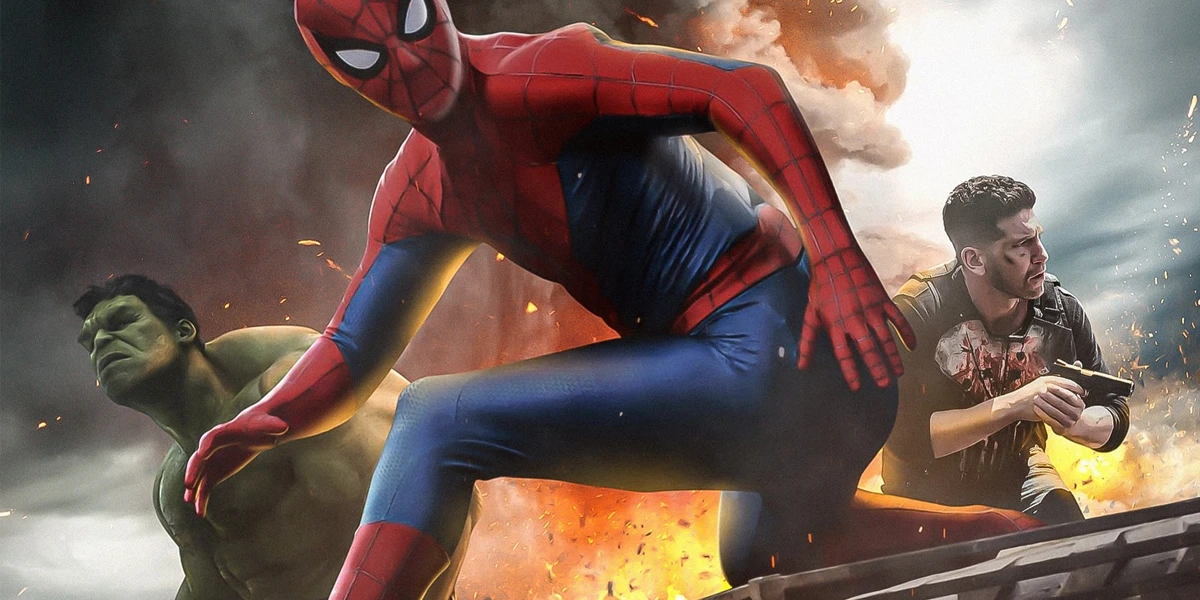
Spider-Man Brand New Day is the highly anticipated next chapter in the MCU, set for release on July 31, 2026, with Tom Holland reprising his role as Peter Parker following the events of No Way Home. The film draws inspiration from the 2008 comic arc “Brand New Day,” which focuses on Spider-Man’s journey to rebuild his life after everyone forgets his identity, introducing street-level threats from New York’s underworld. These enemies are not just physical adversaries but also symbolize themes of growth, isolation, and responsibility, helping to solidify Spider-Man’s iconic status.
If you’re a fan of Spider-Man and his compelling foes, explore our Spider man graphic t-shirts to showcase your passion for pop culture through unique designs inspired by the film.
Overview of Brand New Day and Its Enemies
The “Brand New Day” comic arc begins after the One More Day event, where Peter Parker trades his marriage to Mary Jane to save Aunt May, resulting in Mephisto erasing all memories of Spider-Man from the world. This forces Peter to start over, facing fresh dangers from the criminal underworld, with enemies embodying the urban chaos he must navigate.
What Is Spider-Man: Brand New Day?
Spider-Man: Brand New Day is the fourth film in the MCU’s Spider-Man series, directed by Destin Daniel Cretton, centering on Peter Parker attempting a normal life as a college student while being drawn back into heroism by emerging threats. It emphasizes street-level action, differing from the grand multiverse scale of No Way Home, and directly draws from the BND comics to explore Peter’s isolation after losing his allies.
The Role of Enemies in the Storyline and Spider-Man’s Iconic Image
Enemies in BND serve as more than combatants; they mirror Peter Parker’s inner struggles, from mental corruption to moral dilemmas, reinforcing his role as the “friendly neighborhood” hero amid New York’s shadows. They form a layered criminal network, ranging from mob bosses to enhanced foes, compelling Spider-Man to rely on wits and agility rather than brute force.
Key Villains in Brand New Day
The villains in Spider-Man: Brand New Day form a diverse roster that blends street-level crime lords with enhanced threats, drawing heavily from the comics while adapting for the MCU’s interconnected universe. Rumors suggest up to eight or more antagonists, many appearing in an opening montage to establish the escalating dangers Peter faces. This ensemble allows for dynamic action sequences and deeper exploration of themes like corruption and redemption, with each villain contributing to Peter’s growth as an isolated hero.
Mr. Negative
Mr. Negative, whose real name is Martin Li, emerges as a pivotal figure in the Brand New Day storyline, debuting in the 2007 comics and rumored to play a central antagonistic role in the MCU film due to his connections with F.E.A.S.T., the shelter associated with Aunt May. His character embodies a profound duality of good and evil, making him a psychological mirror for Spider-Man’s own internal conflicts during his post-identity crisis phase. In the comics, Li’s transformation stems from a tragic past involving gang violence and experimental drugs, positioning him as a villain who blurs the lines between philanthropy and organized crime.
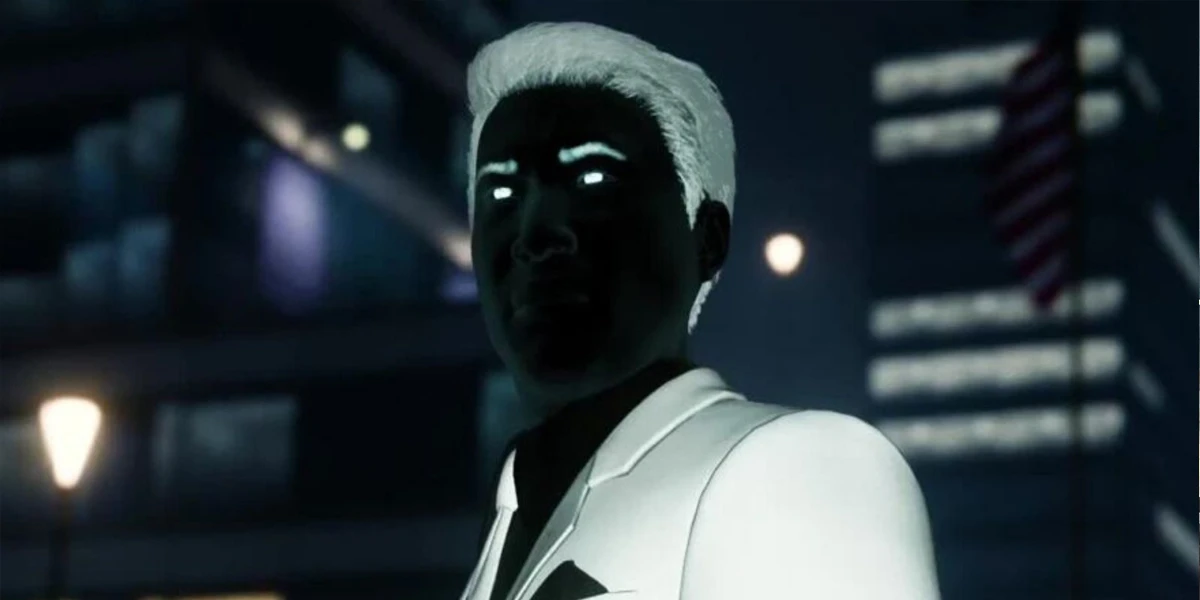
The origins of Mr. Negative trace back to Martin Li’s involvement with the Snakehead gang, where he was subjected to synthetic drug experiments by chemist Simon Marshall. This exposure to Darkforce and Lightforce energies, borrowed from the Cloak and Dagger duo, fractured his psyche into two opposing personas. As the benevolent Martin Li, he channels his resources into F.E.A.S.T. to support New York’s homeless population, often crossing paths with Peter Parker in his civilian life. Conversely, Mr. Negative leads the Inner Demons gang with ruthless ambition, seeking to consolidate power in the city’s underworld through manipulation and violence. This split awareness between his sides adds layers of tragedy, as each persona justifies the other’s existence as a cosmic necessity.
Mr. Negative’s powers revolve around his ability to manipulate negative energy, granting him superhuman strength that can propel Spider-Man across multiple buildings, reflexes sharp enough to evade gunfire, and the capacity to infuse weapons like swords or daggers with corrupting dark force. His most insidious ability, the “corrupting touch,” inverts the morality of those he contacts, turning allies into enemies or amplifying villainous traits, though it proves ineffective against entities tied to other dimensions, such as the Hood under Dormammu’s sway. In urban battles, he deploys his gang to sow widespread chaos, as depicted in the Devil’s Breath arc where bioweapons target rival families, forcing Spider-Man into a multifaceted fight that tests both body and spirit. Key clashes, like those in the video game adaptation, highlight how Mr. Negative exploits Peter’s sense of responsibility, turning community figures against him and underscoring themes of isolation.
For the MCU adaptation, Mr. Negative’s role could deepen ties to Peter’s support network, potentially involving Aunt May directly and amplifying the emotional stakes. While some rumors have questioned his inclusion, his thematic fit with BND’s focus on duality makes him a compelling choice, possibly serving as the orchestrator behind a larger gang war. This evolution would allow for visually striking sequences blending hand-to-hand combat with energy manipulation, while exploring redemption arcs that resonate with Peter’s own struggles.
Tombstone
Tombstone, real name Alonzo “Lonnie” Lincoln, represents the brutal underbelly of New York’s organized crime, first appearing in 1988’s Web of Spider-Man and frequently cited in BND rumors as a key enforcer, potentially allying with Kingpin or clashing with Daredevil. His albino appearance and imposing presence make him a visually intimidating foe, symbolizing the inescapable pull of street-level violence that Peter must confront to protect his neighborhood. Tombstone’s backstory adds personal depth, linking him to journalist Robbie Robertson and highlighting cycles of bullying and retaliation.
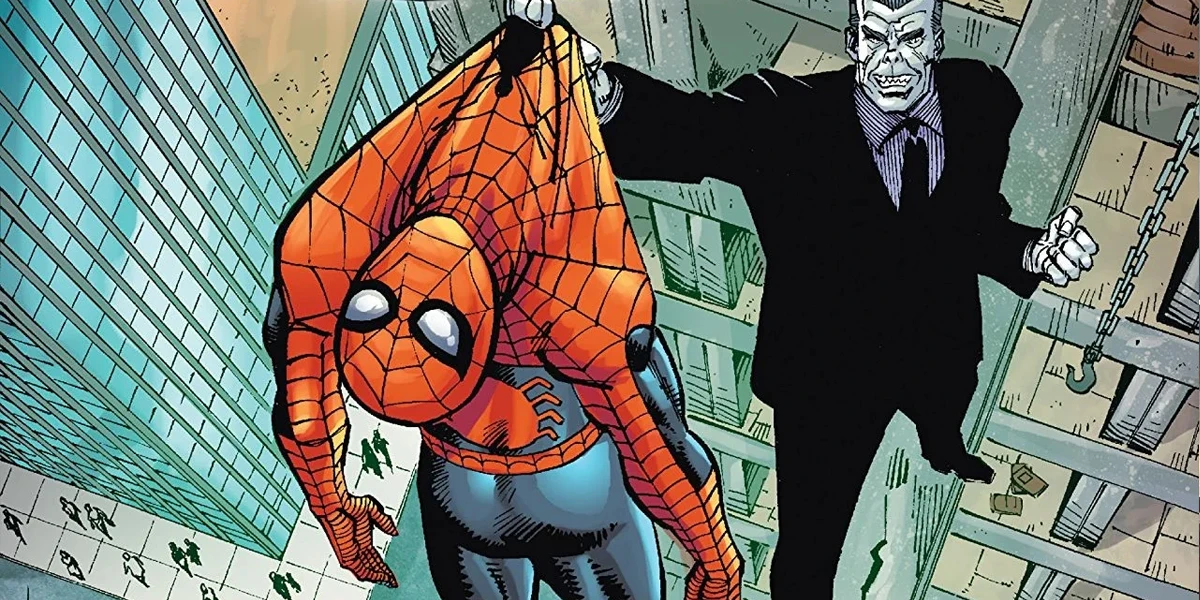
Born with albinism in Harlem, Lonnie Lincoln faced relentless torment, which hardened him into a schoolyard bully and eventually a feared mafia enforcer known for his sharpened, filed teeth used in psychological intimidation. His criminal ascent involved stints with major players like Hammerhead and Kingpin, where he built an empire through smuggling, extortion, and assassinations. As the father of Janice Lincoln, who later becomes the villain Beetle, Tombstone’s family ties introduce potential vulnerabilities, while his longstanding grudge against Robbie Robertson—stemming from a high school confrontation where Robertson shot him—fuels personal vendettas that spill into Spider-Man’s world.
Tombstone’s transformation occurred after the shooting left him in an Oscorp lab, where exposure to a experimental preservative gas endowed him with diamond-like indestructible skin, superhuman strength capable of lifting six tons, and resilience to bullets, blunt impacts, and extreme temperatures. He employs these traits in close-quarters brawls, often using his massive frame to grapple or choke opponents, supplemented by firearms for ranged threats. His tactics emphasize endurance over speed, wearing down agile fighters like Spider-Man through relentless pressure. Memorable encounters, such as the extended battle in Spectacular Spider-Man #204-206, showcase Peter’s reliance on environmental improvisation and emotional insight to exploit Tombstone’s pride, turning the tide by dredging up his painful past.
In the MCU’s Brand New Day, Tombstone could debut as a mid-tier boss navigating gang wars, providing opportunities for gritty, grounded action that contrasts with larger-scale threats. His connections to Daredevil lore might facilitate crossovers, while adaptations could modernize his origins to include corporate corruption via Oscorp remnants. This would reinforce BND’s street-level tone, allowing Tombstone to serve as a physical benchmark for Peter’s evolving combat skills amid his personal turmoil.
Scorpion
Scorpion, or Mac Gargan, stands out as a returning MCU threat from Homecoming’s post-credits tease, with Michael Mando set to reprise the role in Brand New Day, bringing his comic-accurate grudge against Spider-Man to life. Introduced in 1964’s Amazing Spider-Man #20, Scorpion embodies obsessive pursuit and tragic mutation, serving as a cautionary tale of how J. Jonah Jameson’s vendetta spirals into villainy. His presence in BND rumors underscores the film’s theme of unresolved past sins catching up to Peter in his vulnerable state.
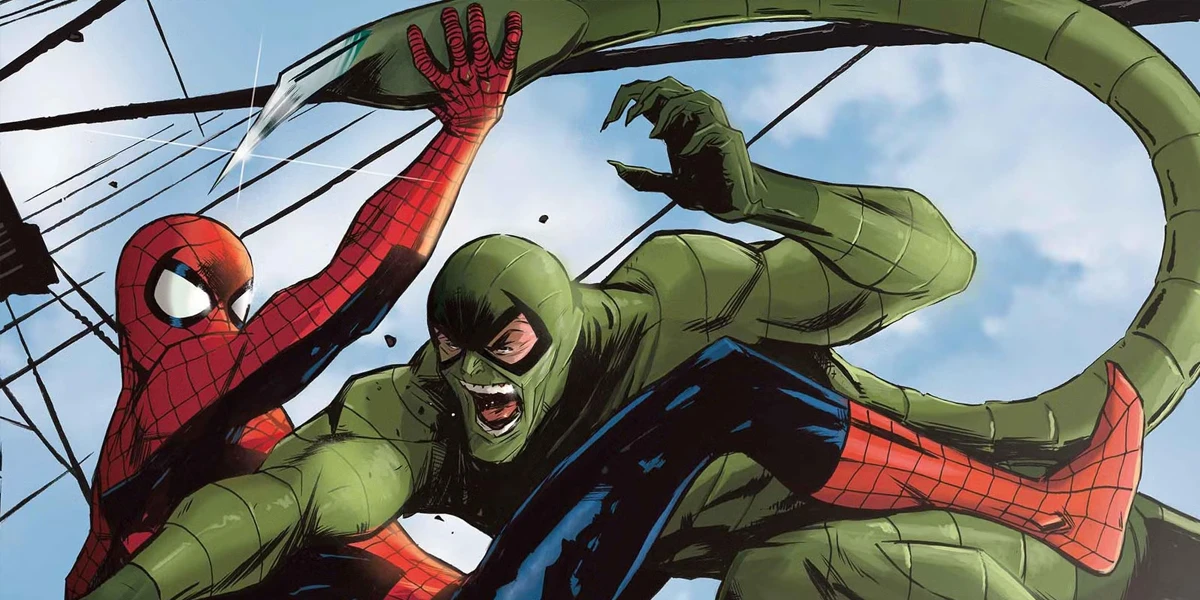
Mac Gargan’s journey begins as a private detective hired by Jameson to uncover Peter Parker’s ties to Spider-Man, leading to a desperate agreement for experimental enhancements by scientist Farley Stillwell. The procedure grafts scorpion DNA onto his body, granting immense power but eroding his sanity and turning him into a vengeful monster. Over decades in the comics, Gargan evolves from a lone operator to a member of teams like the Sinister Six and even a Venom symbiote host, his personal animosity toward Spider-Man driving repeated assaults that test the hero’s limits.
Scorpion’s arsenal centers on his cybernetic tail, a seven-foot mechanical appendage that lashes at 90 miles per hour, delivering acid sprays, electric shocks, or crushing blows. Combined with superhuman strength exceeding Spider-Man’s, enhanced speed for wall-scaling, and a vise grip for immobilization, he excels in destructive rampages but suffers from impulsive rage and tactical shortsightedness. Iconic clashes, including his debut rampage where Peter barely escapes with Stillwell’s aid, illustrate Scorpion’s role as a foil to Spider-Man’s intellect; Peter often wins by baiting overextensions or using web-based counters to neutralize the tail. Later stories, like those in the Venom saga, add layers of symbiote-induced horror, amplifying his threat level.
For Brand New Day, Scorpion’s upgrade to his full green suit could tie back to Homecoming’s identity reveal, positioning him as a vengeful hunter in Peter’s isolated world. Adaptations might explore his descent into madness through Jameson flashbacks, enhancing emotional resonance and setting up future Sinister Six teases. This would deliver high-octane action, with the tail’s versatility allowing for creative set pieces in New York’s skyline.
Tarantula
Tarantula, primarily Anton Miguel Rodriguez in the comics, brings an international flavor to Brand New Day’s villain lineup, debuting in 1974’s Amazing Spider-Man #134 and rumored for MCU inclusion with ties to Punisher crossovers. As a revolutionary turned criminal, he symbolizes displaced aggression and political unrest, challenging Spider-Man on both moral and physical fronts in urban skirmishes. His obscurity in prior adaptations makes his potential debut exciting for fans seeking fresh threats.
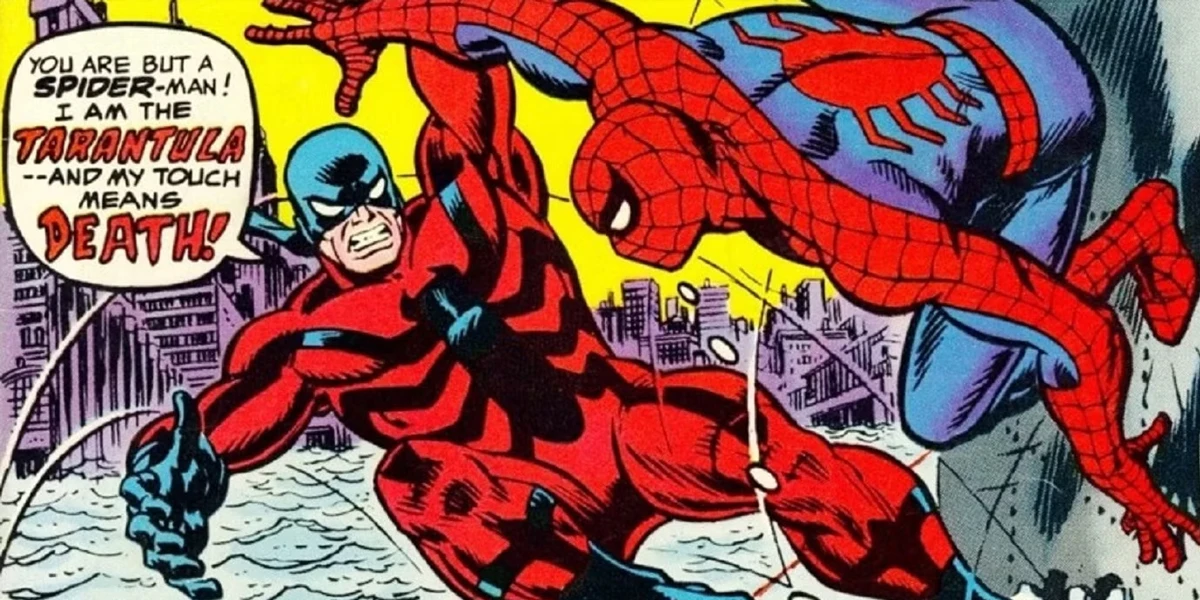
Rodriguez hails from the fictional South American nation of Delvadia, where he fights as a revolutionary before fleeing to the United States, disillusioned and resorting to crime to survive. His moniker derives from specialized boots equipped with retractable razor spikes, initially used for guerrilla warfare but repurposed for mercenary hits. In comics, Tarantula’s path intersects with Spider-Man during New York operations, often involving espionage or gang infiltrations, while his encounters with Punisher highlight clashing vigilante codes—Punisher’s lethal approach versus Tarantula’s calculated strikes.
Tarantula’s fighting style leverages martial arts proficiency, superhuman agility from rigorous training, and his boots’ spikes that inject sedatives, toxins, or paralytics with each kick or slash. He favors ambush tactics, using shadows and crowds for hit-and-run assaults that exploit Spider-Man’s spider-sense through feints and environmental hazards. Notable battles, such as those in Punisher crossovers, depict intense hand-to-hand duels where Tarantula’s precision forces Peter to adapt mid-fight, often ending in captures that underscore themes of justice versus revenge. His cultural background adds nuance, portraying him as a product of systemic failures rather than pure malice.
In the MCU, Tarantula could introduce global stakes to BND’s street focus, perhaps as a hired gun in gang wars with Punisher implications. Adaptations might update his backstory for modern migration narratives, enhancing visual flair through spike-enhanced acrobatics and deepening the film’s exploration of heroism’s gray areas.
Punisher
Punisher, Frank Castle portrayed by Jon Bernthal, adds moral ambiguity to Brand New Day, returning from Daredevil series and rumored as a complex ally-rival to Spider-Man. Debuting in 1974’s Spider-Man #129, he critiques heroic restraint through unrelenting justice, forcing Peter to question his no-kill principle amid escalating urban threats. Punisher’s inclusion bridges street-level grit with philosophical depth.
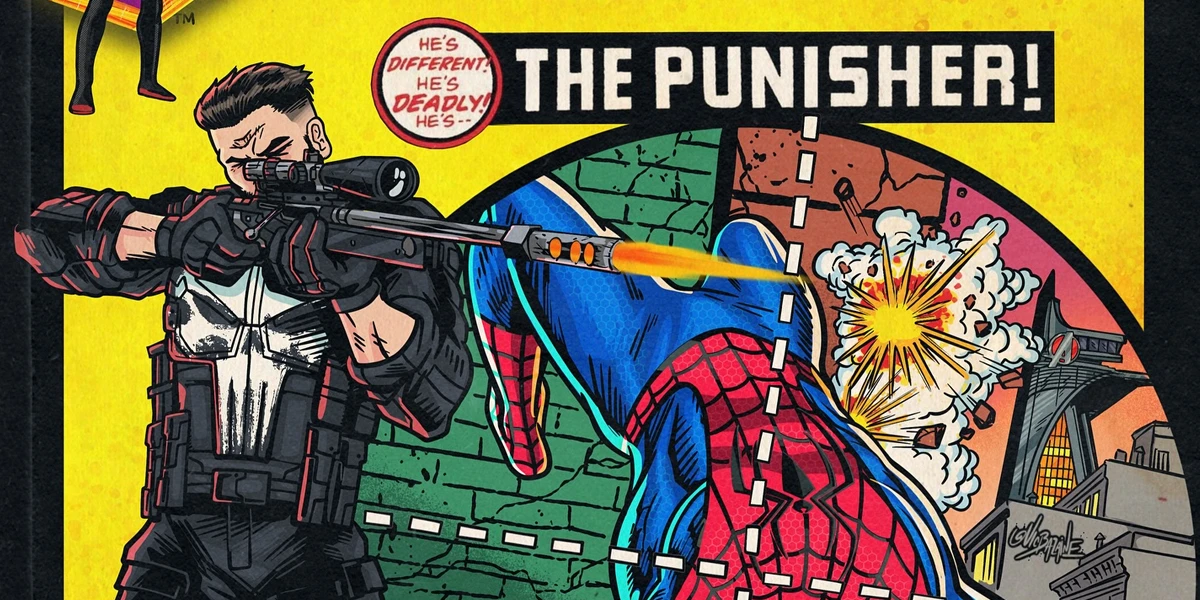
Frank Castle’s tragedy unfolds as a Marine whose family is slaughtered by mafia crossfire, igniting his war on crime with military precision. Lacking enhancements, he amasses an arsenal of firearms, explosives, and surveillance tech, operating as a one-man army from hidden safehouses. In comics, his interactions with Spider-Man evolve from tense partnerships—against shared foes like the Triad—to outright conflicts over methods, as in arcs where Punisher’s kills provoke unintended chaos that Peter must clean up.
Punisher’s “powers” stem from elite training: peak human conditioning for endurance, marksmanship for lethal accuracy, and tactical genius for outmaneuvering groups. He employs guerrilla warfare, booby traps, and psychological intimidation via his skull emblem, turning battles into calculated executions. Key clashes with Spider-Man, such as the 1991 miniseries, feature webbing disarms and moral debates, where Peter’s compassion ultimately sways or subdues him, highlighting redemption’s possibility. Punisher’s influence lingers, pushing Peter toward harder choices in dire situations.
For Brand New Day, Punisher could navigate gang wars as a wildcard, allying against mutual enemies before ideological rifts emerge, perhaps clashing over Hulk. MCU updates might amplify his PTSD for emotional layers, delivering intense shootouts that contrast Spider-Man’s acrobatics and reinforce BND’s isolation theme.
Hulk
Hulk, in his Savage form played by Mark Ruffalo, introduces overwhelming power to Brand New Day, rumored as a misunderstanding-driven antagonist rather than outright villain. Originating in 1962’s Incredible Hulk #1, his primal rage clashes with Spider-Man’s agility, echoing comic bouts that test intellect over brawn. This dynamic elevates BND’s stakes, blending Avengers ties with personal heroism.
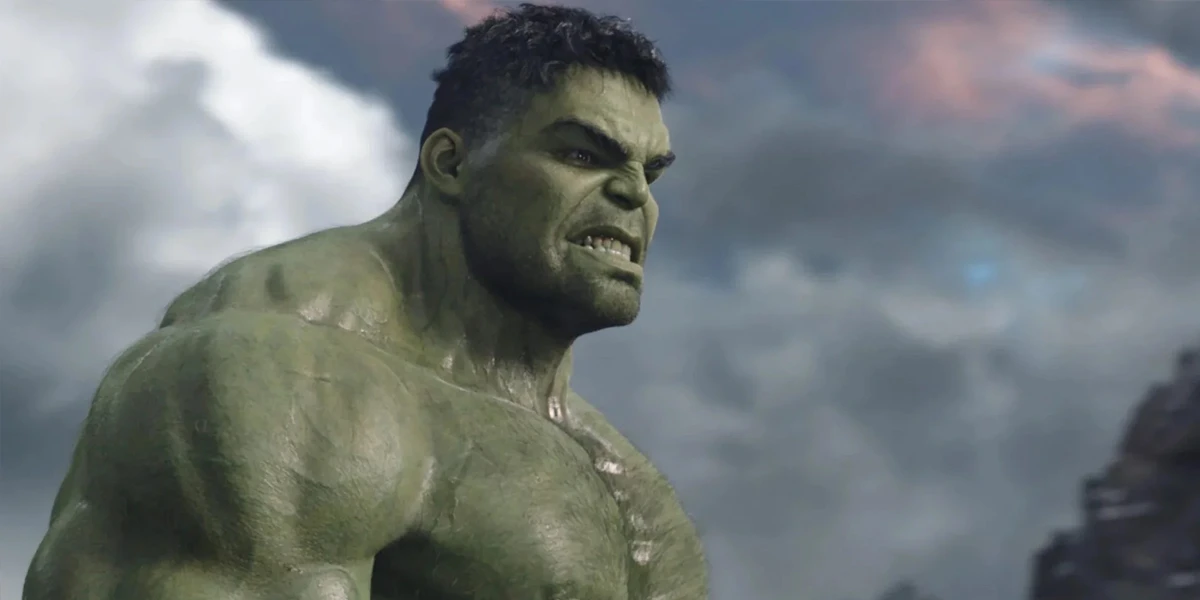
Bruce Banner’s gamma accident births the Hulk, a rage-fueled behemoth whose intelligence wanes as anger surges. In Savage mode, absent the control from later forms like Professor Hulk, he embodies uncontrollable destruction, triggered by stress in Peter’s chaotic world. Comics portray Hulk as a misunderstood force, with Spider-Man encounters stemming from Banner’s pleas for help or accidental rampages.
Hulk’s abilities include limitless strength scaling with fury—capable of leveling buildings—rapid regeneration from near-fatal wounds, and thunderous leaps covering miles. He withstands extreme forces but vulnerabilities lie in calming influences or gamma inhibitors. Landmark fights, like Incredible Hulk #119, see Spider-Man dodging blows while reasoning with Banner’s remnants, using webs and environment to contain rather than conquer, emphasizing empathy’s role in heroism.
In the MCU, Savage Hulk could arise from post-Endgame instability, pitting him against Spider-Man in a visceral sequence that strains Peter’s resources. Adaptations might tie to Avengers fallout, using the clash to explore isolation—Peter as the only one intervening—while showcasing groundbreaking VFX for Hulk’s fury.
Kingpin
Kingpin, Wilson Fisk, anchors Brand New Day’s criminal hierarchy as a strategic overlord, expanding from Daredevil portrayals and rumored to pull strings in MCU gang conflicts. First in 1964’s Daredevil #50 but crossing Spider-Man paths, he personifies systemic corruption, challenging Peter to dismantle empires beyond fists. Kingpin’s intellect makes him a enduring schemer.
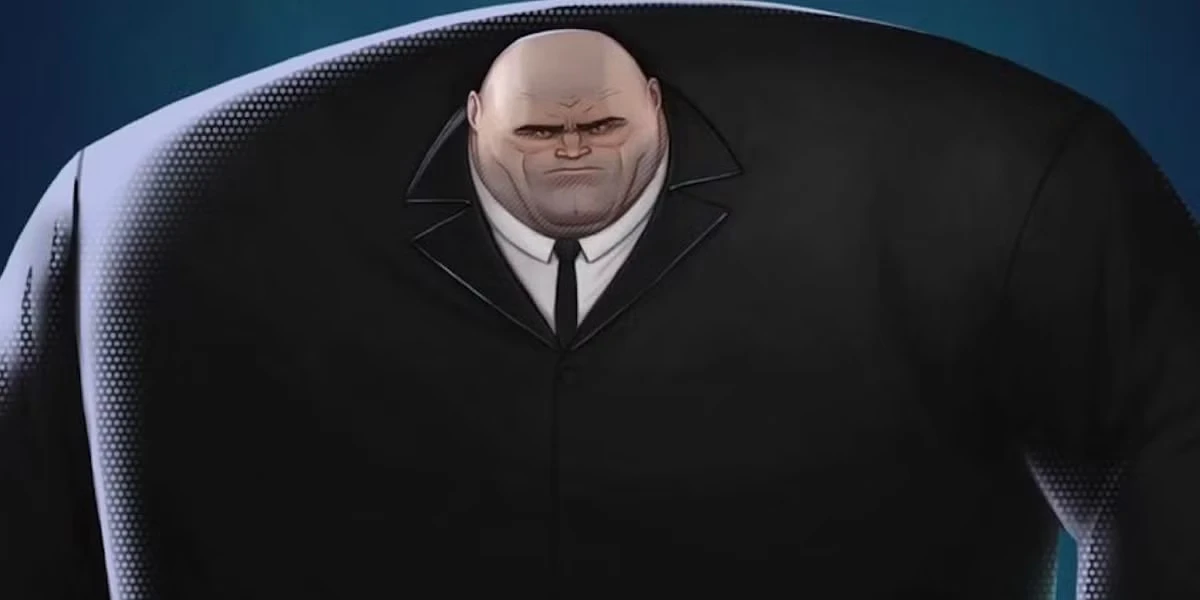
From Hell’s Kitchen slums, Fisk hones sumo wrestling into a tool for underworld dominance, marrying wealth with brute force to control politics and media. He recruits enforcers like Tombstone, orchestrating rackets from extortion to assassinations, while feigning legitimacy as a businessman. Comics depict his Spider-Man rivalries through proxies or direct confrontations, like in Daredevil crossovers, where Peter’s interference disrupts his calculated facades.
Kingpin’s prowess combines peak strength (bench-pressing 650 kg), combat mastery from martial arts, and genius-level strategy for long-term plots. He crushes foes barehanded or with canes hiding blades, his girth belying speed. Iconic takedowns involve exploiting overconfidence, as in arcs where Spider-Man webs him into immobility after exhausting his reserves. Weaknesses include ego-driven alliances that fracture under pressure.
MCU Brand New Day could position Kingpin as the syndicate head, with Fisk manipulating events from shadows for political gain. Updates might link to multiverse refugees, amplifying his threat through legal maneuvers that force Peter into ethical dilemmas, solidifying BND’s urban intrigue.
Boomerang
Boomerang, Frederick Myers, injects gadget-based flair into Brand New Day, rumored per Daniel RPK as a Sinister Six hint and new to MCU screens. Debuting in 1969’s Tales of Suspense #81, his trick weaponry and team loyalty make him a versatile mid-tier threat, fitting BND’s ensemble of opportunistic criminals.
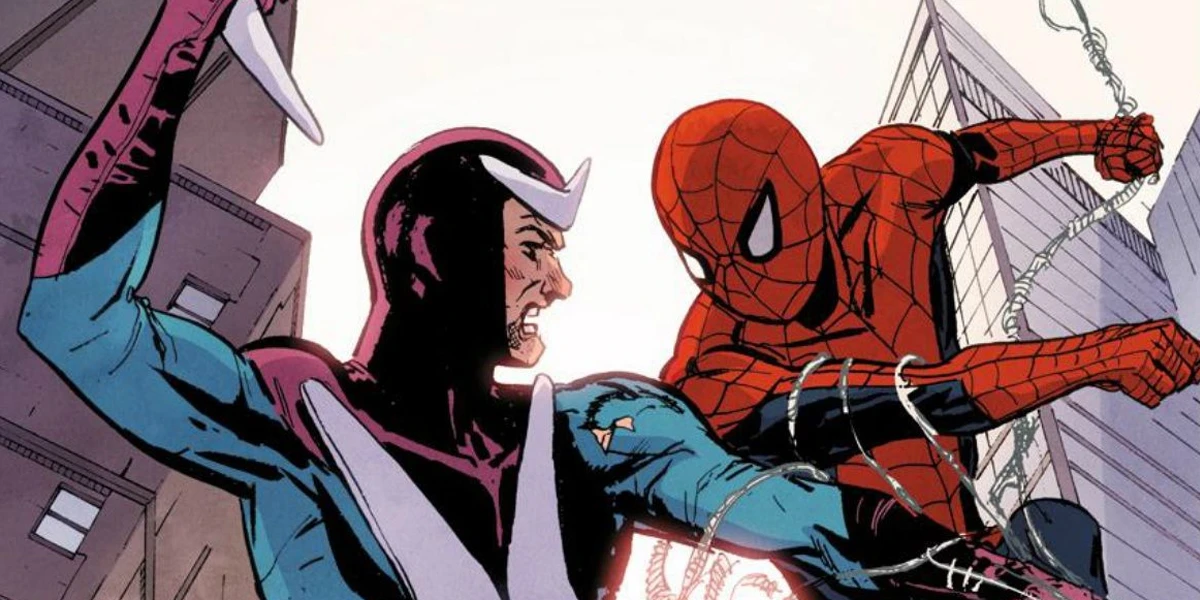
An Australian ex-baseball pitcher down on his luck, Myers receives boomerangs from the Secret Empire, honing them into deadly tools for hire. He joins villain syndicates, clashing with Spider-Man in group assaults while pursuing personal scores, his cocky demeanor masking a life of regret.
Boomerang’s kit features razor-edged boomerangs that return with precision, explosive variants, and jet boots for mobility, paired with shields and gadgets for versatility. He excels in ranged harassment, curving throws to surprise agile targets like Spider-Man. Comics battles, such as Sinister Six invasions, show Peter countering with web redirection, turning Boomerang’s arsenal against him and exposing coordination flaws.
In Brand New Day, Boomerang could serve as a hired gun in montages, foreshadowing larger teams. MCU tweaks might modernize his weapons with tech from Stark remnants, adding humor through failed tricks while contributing to the film’s fast-paced villain intros.
Ramrod
Ramrod rounds out Brand New Day’s supporting cast as a cyborg brute, listed in rumors as a minor but imposing enforcer with Daredevil roots. Introduced in 1973’s Daredevil #103, his industrial origins and mechanical enhancements provide a grounded, tech-augmented foil to Spider-Man’s organic abilities.
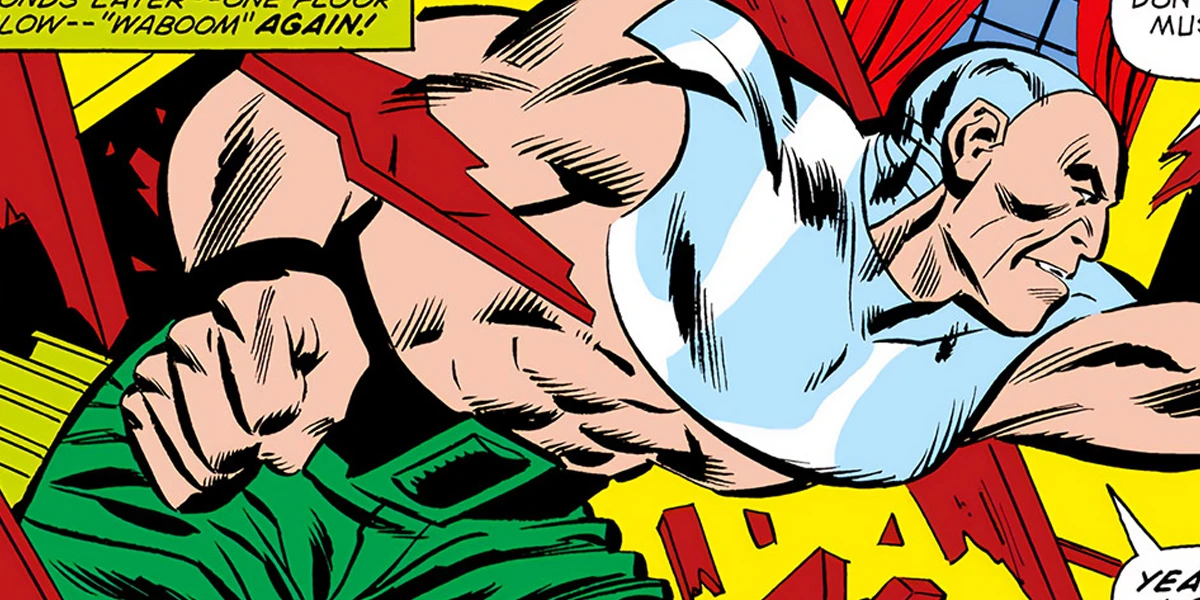
Once a construction foreman mangled in an accident, Ramrod is rebuilt by villain Kerwin Broderick, who blackmails him into service with cybernetic limbs. This fusion of man and machine turns him into a reluctant destroyer, targeting heroes like Daredevil before spilling into Spider-Man’s territory through shared New York foes.
Ramrod’s upgrades deliver superhuman strength for demolition, enhanced speed and endurance via steel plating, and integrated tools like hydraulic arms for crushing. He relies on raw power in charges, vulnerable to precision strikes on joints or EMPs. Sparse comic appearances feature overwhelming assaults quelled by heroes exploiting his programming glitches or human remnants.
For the MCU, Ramrod might embody corporate exploitation in BND’s gang wars, his debut adding variety with mechanical clashes. Adaptations could humanize his plight, using him to critique labor injustices and provide visceral fights where Spider-Man dismantles tech mid-battle.
Comics vs. Screen: Potential Changes
The Brand New Day comics revolutionized Spider-Man’s lore by introducing fresh villains to reflect his reset life, but the MCU adaptation will likely streamline for PG-13 accessibility and narrative cohesion with prior films. Elements like Mr. Negative’s bioweapon Devil’s Breath may be softened to emphasize psychological corruption, aligning with Peter’s post-No Way Home trauma and avoiding overly dark tones. Tombstone and Scorpion could retain core comic beats—albino durability and tail grudge—while weaving in MCU callbacks, such as Scorpion’s Homecoming tease evolving into a full suit upgrade funded by underworld ties.
Crossovers with Punisher and Hulk offer rich potential, transforming comic misunderstandings into high-stakes MCU events; Punisher’s vigilantism might spark debates on heroism, while Savage Hulk’s rage provides spectacle without derailing street-level focus. Kingpin’s empire could expand Daredevil threads, positioning him as a puppet master whose political machinations force Peter into non-combat dilemmas. Overall, these shifts heighten emotional resonance, making BND a bridge between isolated heroics and broader universe lore, appealing to diverse audiences through updated motivations like modern migration for Tarantula or tech ethics for Ramrod and Boomerang.
| Villain | Key Comic Elements | Predicted Screen Adaptations |
|---|---|---|
| Mr. Negative | Good-evil duality, corruption powers | Stronger ties to F.E.A.S.T. and May |
| Tombstone | Albino crime boss, high durability | Supporting role for Kingpin/Daredevil |
| Scorpion | Cybernetic tail, personal grudge | Homecoming connection, suit upgrades |
| Tarantula | Spike boots, agile combat | Punisher crossover, revolutionary backstory |
| Punisher | Vigilante justice, moral conflicts | Ally-to-rival shift with Spidey |
| Hulk | Savage form, clash from misunderstanding | Primal rage, Avengers integration |
| Kingpin | Political crime empire | Daredevil storyline expansion |
| Boomerang | Weapon tricks, team dynamics | Sinister Six foreshadowing |
| Ramrod | Cyborg strength, minor enforcer | Industrial accident origins |
Timeline of Villains and Spider-Man
The timeline of Brand New Day’s villains intertwines with Spider-Man’s evolution, starting from the 2007 comic relaunch post-One More Day, where Mr. Negative’s debut immediately challenges Peter’s fragile normalcy with corruption themes. By 1988, Tombstone’s rise in Web of Spider-Man introduces street crime’s personal toll, linking to Robbie Robertson and foreshadowing urban vendettas. Scorpion’s 1964 origin in Amazing Spider-Man #20 marks media obsession’s dangers, with Jameson’s role persisting into BND as a catalyst for Peter’s public struggles.
Subsequent arcs build layers: Tarantula’s 1974 entry brings international intrigue, Punisher’s 1974 debut ignites moral fires, and Hulk’s 1962 gamma birth sets primal clashes for later adaptations. Kingpin’s 1964 dominance establishes systemic threats, while Boomerang (1969) and Ramrod (1973) add ensemble depth in team assaults. These milestones culminate in BND’s narrative, tracing Peter’s growth from reactive fights to proactive guardianship, with the 2014 Devil’s Breath game adaptation previewing bioweapon escalations now reimagined for film.
FAQs
Who Is Mister Negative and His Role in Brand New Day?
Mister Negative is Martin Li, split by Darkforce experiments into good and evil sides, serving as Inner Demons leader spreading corruption in BND, challenging Peter’s inner darkness.
How Does Tombstone Differ from Kingpin in Threat Level?
Tombstone relies on raw street brutality as an enforcer, while Kingpin operates as a political strategist, posing systemic rather than personal dangers.
Is Punisher an Ally or Villain in the BND Context?
Punisher acts as a wildcard, potentially allying against crime but clashing ethically with Spider-Man over killing, as rumored in Hulk conflicts.
How Many Key Enemies in Brand New Day Should You Know Before Watching?
Around eight to ten, including Mr. Negative, Tombstone, Scorpion, Tarantula, Punisher, Hulk, Boomerang, and Ramrod, focusing on street-level perils.
Why Villain Designs Define Spider Man’s Visual Identity
One of the defining aspects of the Brand New Day era is how its villains contribute to Spider-Man’s visual identity. Characters like Mr. Negative and Menace introduce strong contrasts that highlight Spider-Man’s iconic appearance.
These visual dynamics extend beyond comics into fan culture, influencing how the character is represented in modern design and fashion, particularly in items like spider man graphic t shirts.
Conclusion
The enemies in Spider-Man: Brand New Day elevate the narrative by transforming Peter’s post-identity crisis into a gritty exploration of heroism amid urban decay, blending classic comic depth with MCU innovation. From Mr. Negative’s psychological duality to the raw power of Scorpion and Hulk, these villains not only test Spider-Man’s physical limits but also his moral core, ensuring BND cements his legacy as a relatable everyman hero. As the film approaches, staying informed on these foes will enrich the viewing experience, highlighting why Spider-Man endures as pop culture’s ultimate underdog.
