
No products in the cart.
Movies & TV Series
Why Is Disney Bringing Back ‘Tron’ to Theaters Now?
Why Is Disney Bringing Back ‘Tron’ to Theaters Now?
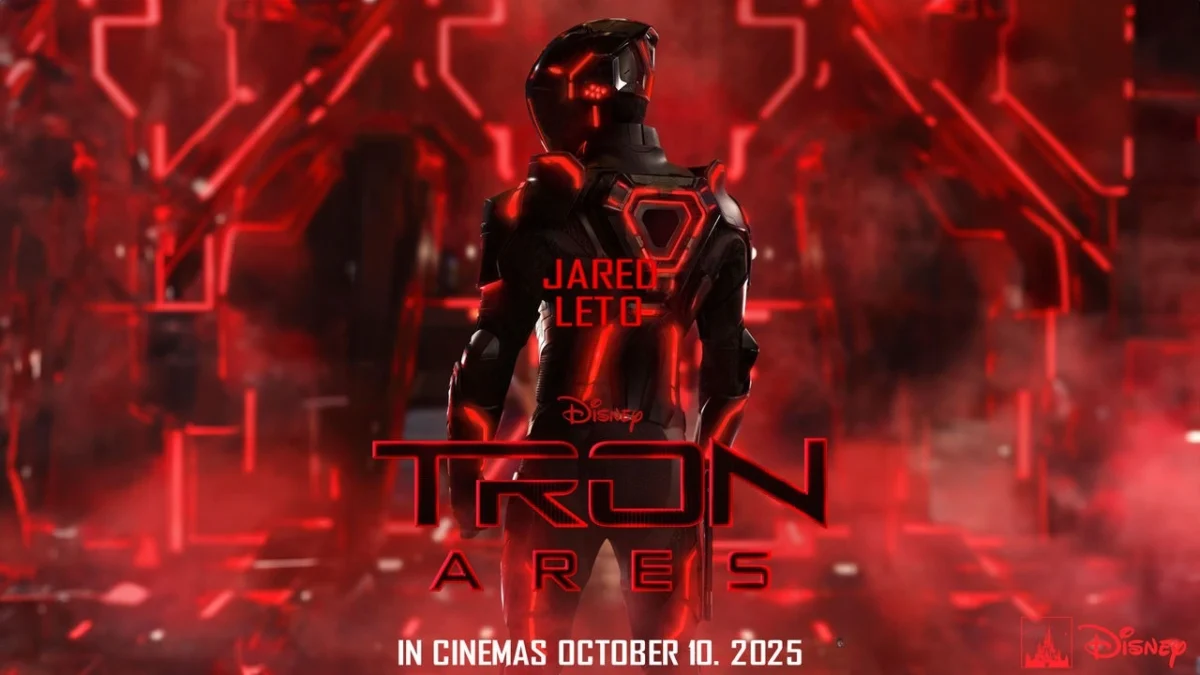
Debuting in 1982, Tron revolutionized filmmaking with its pioneering use of visual effects and CGI. It became a cult classic that profoundly influenced creators in sci-fi and beyond. Despite its cultural impact, it didn’t achieve blockbuster commercial success at the time. Nearly three decades later, Disney revived the franchise with Tron: Legacy in 2010, delivering stunning visuals, an iconic soundtrack by Daft Punk, and a dedicated fanbase. However, audiences had to wait another 15 years for the next chapter: Tron: Ares (released in October 2025). This installment pushes the boundaries even further by blending digital worlds with real-life chaos, centering on Ares, a highly advanced AI program played by Jared Leto, who crosses into the human world on a perilous mission. The story explores themes of humanity, technology, and coexistence, with Greta Lee starring as Eve Kim, the brilliant programmer who becomes entangled in the conflict.
Recreating Technological Magic Through Practical Effects
One of the most challenging and captivating elements of the Tron series is The Grid, a virtual realm where AI programs take on human-like forms. Each Grid in Tron: Ares features unique real-world settings to enhance immersion. The production team meticulously recreated Kevin Flynn’s original office down to the smallest details. Scenes at the Dillinger Corporation were filmed in massive aircraft hangars, while high-octane action sequences unfolded over six weeks of night shoots across Vancouver’s streets. These required extensive city closures, a feat made possible by the city’s supportive film infrastructure, as noted in Disney’s production notes.
Producer Emma Ludbrook shared: “For a film that is so much about technology, and which used technology so much to create it, we had these giant practical sets that were so vast you couldn’t believe they existed in real life. Having a practical set versus a digital set is very different.” This emphasis on tangible environments sets Tron: Ares apart, allowing actors to interact with physical spaces rather than relying solely on green screens. The approach draws from the franchise’s roots, where early CGI was groundbreaking but limited, now complemented by modern practical effects for a more grounded feel.
Special effects coordinator Cameron Waldbauer elaborated on the director’s vision: “From the very beginning, our director, Joachim Rønning, wanted to do a lot of practical stuff. He had the thought that, if ‘TRON’ comes to the real world, practical things must happen, and you can have fun with that interaction. That gave us the opportunity to do a lot of interesting things, things that maybe you can’t do in other films because they don’t have the computer element behind the action.”
A standout example is the scene where Ares’ light cycle’s energy wall slices a police cruiser in half, with no CGI trickery involved. The team used actual patrol cars, pre-cut and reassembled for the stunt. Director Joachim Rønning explained: “That’s all in-camera. The amazing special effects team in Vancouver rigged five or six police cars that were pre-cut in half, then stitched them together. It’s being pulled by a truck on a 100-yard wire to get up to speed and it’s remote controlled. At a certain point charges in the middle of the car blow and split the car in half, and then Industrial Light & Magic comes in and creates the light wall going through it. I think if everything was CG, it could be great. But on a movie like ‘TRON: Ares,’ we owe the audience to at least try to do it.” This hybrid method, combining practical stunts with targeted VFX from ILM, ensures a visceral realism. It also explains the film’s lengthy preparation and high costs, as everything must feel both surreal and authentic. The production benefited from advancements in LED technology and robotics, allowing for more seamless integration than in previous entries. For instance, the team employed motion-capture rigs and drone-assisted filming to capture dynamic sequences, blending old-school craftsmanship with cutting-edge tools.
Unique Designs That Echo the Past While Feeling Futuristic
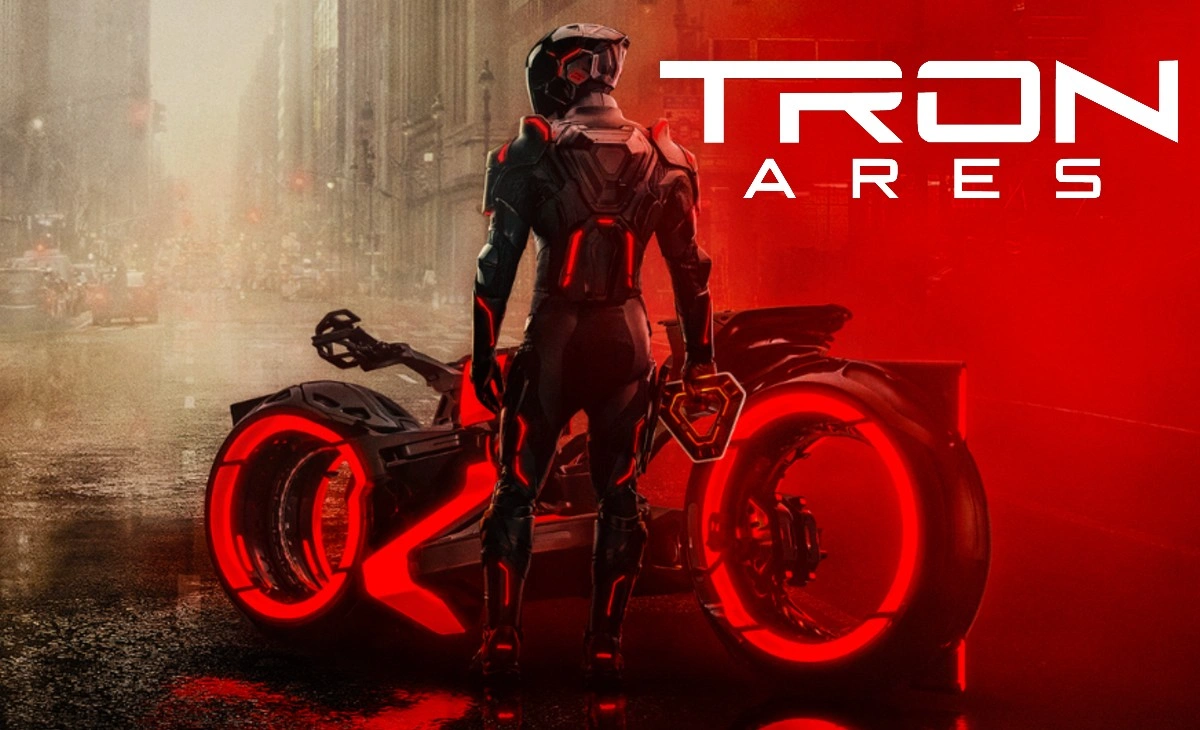
The light cycles remain a signature element of Tron, akin to the Batmobile in Batman lore, instantly recognizable and revered by fans. In Tron: Ares, these vehicles break free from The Grid and enter the real world for the first time. The crew built functional models that, while lacking traditional axles for movement, were crafted with automotive-grade materials and tested under various lighting conditions with embedded LEDs for that glowing effect.
Rønning described the on-set experience: “The cycles really appeared to move. We had our actors on them, they tipped and turned, and you really got the shake, the realness of the ride.” To capture dynamic chases, techniques included towing the cycles behind trucks at speeds exceeding 120 mph and using green screens for collisions, resulting in thrilling, grounded action. Over 10,000 custom LEDs were incorporated into the designs, controlled remotely to adjust brightness and save battery life during shoots. These elements pay homage to the neon aesthetics of the originals while incorporating modern engineering, such as lightweight composites for durability.
One of the Most Intricate Costumes in Cinema History
Costumes in Tron: Ares were handled by designers Alix Friedberg for real-world attire and Christine Bieselin Clark for illuminated suits. They feature distinct color schemes: black for Ares and Athena (Jodie Turner-Smith), red for Dillinger’s Grid guards (Evan Peters), and gray for ENCOM forces, with hexagonal patterns nodding to Tron: Legacy’s aesthetics. The cast also includes returning star Jeff Bridges as Kevin Flynn, bridging the trilogy, alongside Gillian Anderson in a pivotal role.
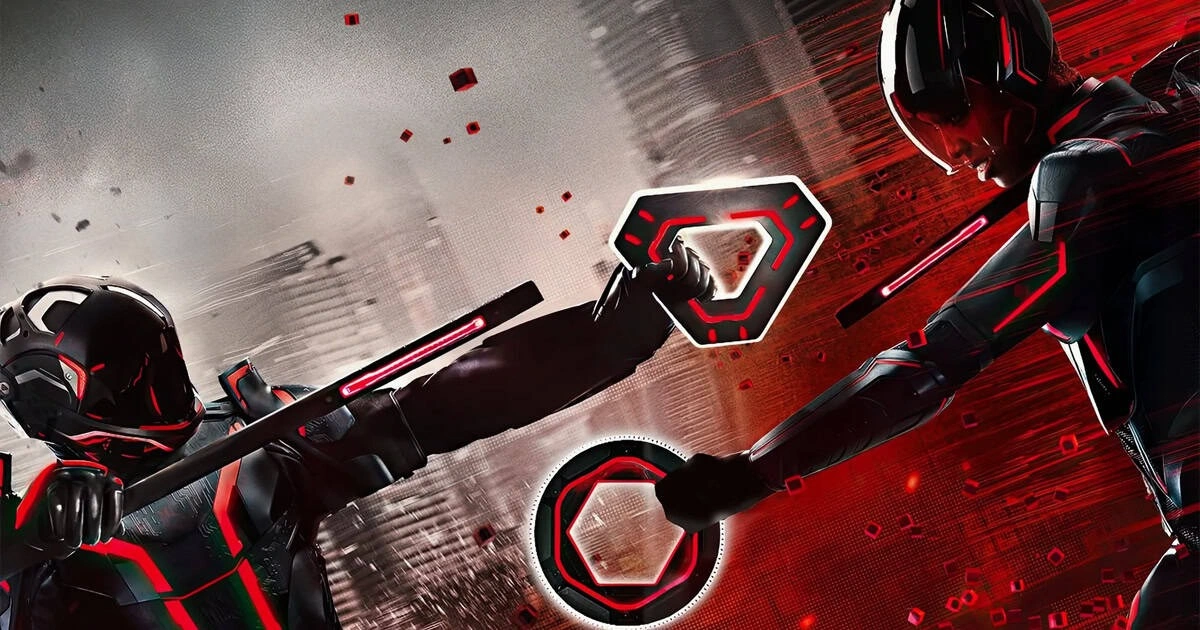
Beyond aesthetics, the suits posed immense challenges. They needed to look computer-generated yet function in reality, remain comfortable for 10-hour wear, and withstand rain without electrical hazards. The team collaborated with Wētā Workshop in New Zealand for fabrication. Producer Jeffrey Silver remarked: “Our light suits are some of the most complex costumes in film history. Wētā built them out of a molded polyurethane and illuminated LED panels. Each suit carried its own light source within a backpack-mounted ‘TRON’ disc and could be operated remotely from a dimmer board; each helmet also had its own power source. They had to look right while being sturdy enough to withstand daily rigorous stunt action.”
Powered by 12V batteries offering about 30 minutes at full brightness, the suits used five types of urethane for varying flexibility, softer in legs for mobility and rigid in armor. Ares’ suit alone featured around 110 molded silicon details, with over 18 versions created for Leto and his stunt doubles, totaling more than 700 components. The iconic identity discs evolved too, shifting from circles to hexagons and triangles for key characters, seamlessly integrated with the suits. These intricate designs not only captivate on screen but also inspire fan merchandise like movie graphic tees featuring the iconic Tron motifs, allowing enthusiasts to wear a piece of the Grid in everyday life.
The Perfect Timing for Tron’s Revival
Plans for a follow-up to Legacy, tentatively titled Tron: Ascension, were in development as early as 2011 but stalled due to creative hurdles and Disney’s shifting priorities, such as the underperformance of films like Tomorrowland. Some concepts from that earlier script influenced Ares, but the team avoided direct replication to keep it fresh, incorporating new ideas about AI’s role in society. This revival also highlights how franchises like Tron cleverly weave in references and easter eggs from previous entries to engage long-time fans, similar to how spin-offs in other series build on original lore – for more insights into movie and TV series references, check out analyses of modern reboots and their connections.
Producer Justin Springer explained the delay and relevance: “The themes of ‘TRON’ are so contemporary. Ares shows more humanity than the human who created him. That is Ares’ journey. The story between him and Eve is one of companionship and understanding. It suggests there is a way in which humans and artificial intelligence can learn from one another, hopefully coexist. … The technology is here, it’s happening, and it’s rapidly growing; it’s not something we can put back in the box. We have to figure out how to create a better future for ourselves.” Today’s audience, immersed in digital lives, AI, and virtual realities, makes Tron’s exploration of these ideas more timely than ever. Technological advancements since 2010 also enable ambitious ideas, like real-time light walls, that were once impractical.
With its meticulous craftsmanship, Tron: Ares isn’t just a sequel. It’s an evolution of the franchise, promising a sensory spectacle of visuals and sound, courtesy of Trent Reznor and Atticus Ross of Nine Inch Nails. The film hits theaters this October 2025, inviting viewers to ponder the blurred lines between code and consciousness.
