
No products in the cart.
Anime
10 Anime Characters Everyone Recognizes Instantly
10 Anime Characters Everyone Recognizes Instantly
Introduction
Anime has produced countless unforgettable figures, but only a handful have become true global icons. These are the characters who cross cultural and language barriers, instantly recognizable even to people who do not consider themselves anime fans. Their images appear in memes, merchandise, and pop culture conversations, making them as familiar as superheroes or movie legends. For the genre engine that produced many of these household names, read why shonen stays the most popular genre.
What makes a character reach this level of recognition is more than just design. It is a mix of personality, story impact, and cultural presence. Some represent hope and determination, others stand for friendship or justice, and a few embody moral conflicts that spark endless debate. They are the faces that opened doors for newcomers, the ones that longtime fans still celebrate, and the figures who shaped how anime is seen around the world.
This article looks at 10 anime characters who have achieved that rare status. From heroes of epic adventures to mascots loved by children, these names carry a weight that few fictional figures can match. Each one reflects not only the power of anime storytelling but also the way these stories resonate across generations.
10 Iconic Anime Characters
Goku (Dragon Ball)
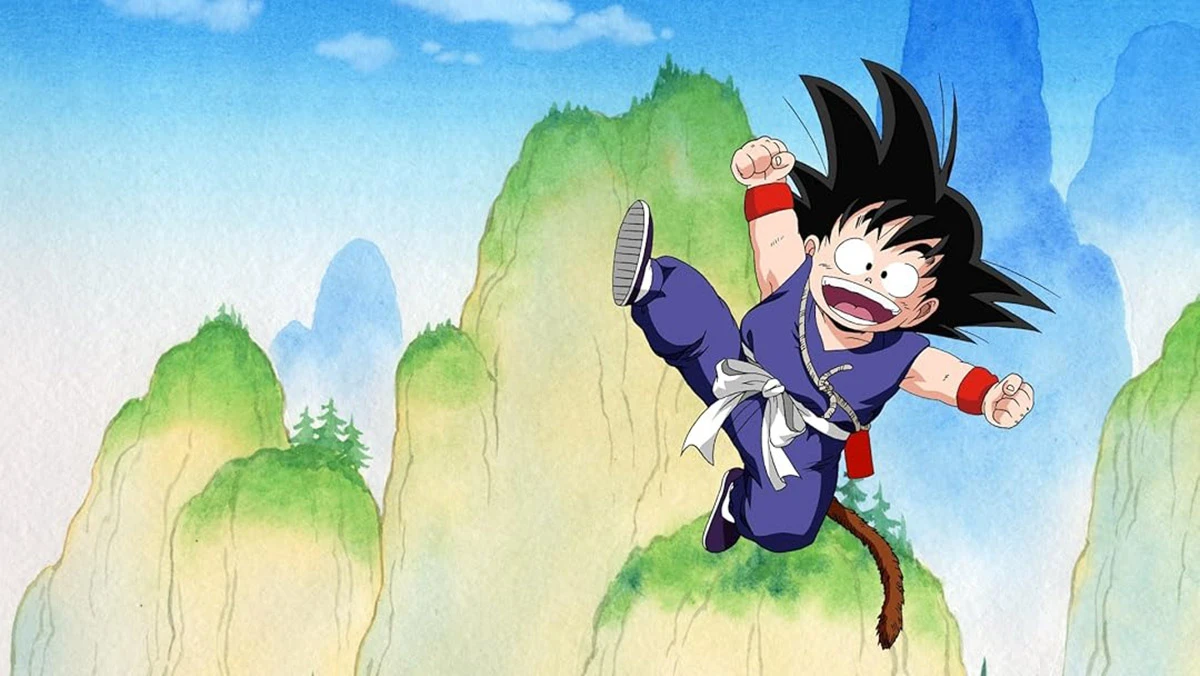
Goku from Dragon Ball is one of the most recognizable figures in anime history, a character who has become a global symbol of determination and limitless growth. Introduced as a carefree boy with extraordinary strength, he grew into the Saiyan warrior who constantly seeks to surpass his limits. His journey from humble beginnings to battles against godlike opponents captured the imagination of millions, making him a hero who embodies the idea that persistence and courage can overcome any obstacle.
What sets Goku apart is the way his personality combines innocence with fierce resolve. He maintains a childlike curiosity about the world yet transforms into an unstoppable fighter when those he loves are threatened. The iconic image of him powering up into a Super Saiyan, hair blazing gold and energy shaking the ground, is etched into pop culture far beyond anime. Goku’s Kamehameha wave is instantly known by fans and non fans alike, used in games, memes, and playground imitations across generations.
More than just a fighter, Goku symbolizes optimism and resilience. His presence has shaped how anime is viewed worldwide, often serving as the entry point for new fans. Few fictional characters have bridged so many cultures, and Goku continues to stand as a universal figure of strength and positivity.
Naruto Uzumaki (Naruto)
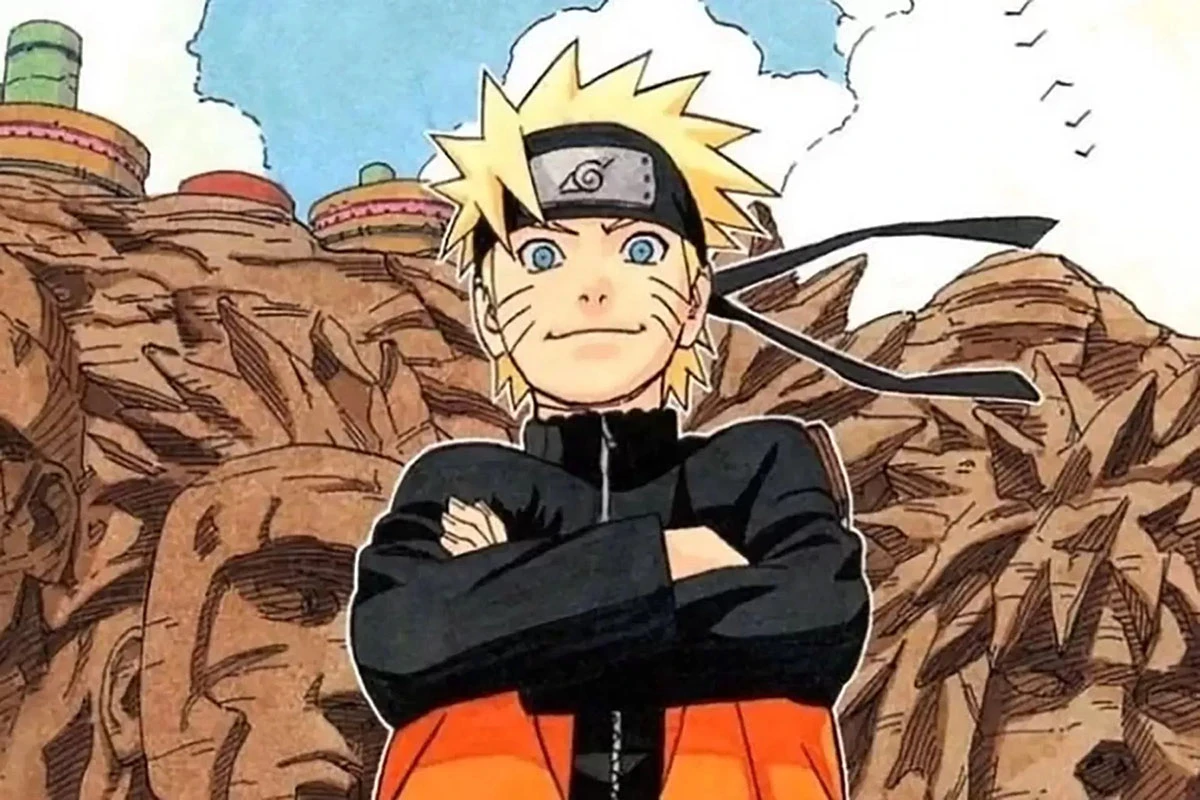
Naruto Uzumaki represents the spirit of never giving up, a theme that resonates deeply with fans across the world. Introduced as an outcast orphan in the Hidden Leaf Village, he was shunned by his peers and carried the burden of the Nine Tails sealed within him. What made Naruto stand out was not his misfortune but his refusal to let rejection define him. With boundless energy and an unshakable dream of becoming Hokage, he grew into a symbol of perseverance and self belief.
His personality blends mischievous humor with a deep sense of loyalty. Naruto is the friend who refuses to abandon anyone, even those who once considered him an enemy. His bright orange outfit, spiky blond hair, and the headband etched with the Leaf Village symbol are instantly recognizable. Techniques like the Shadow Clone Jutsu and the Rasengan became visual shorthand for his determination, cementing him as one of the most iconic figures in shonen storytelling.
Beyond the battles, Naruto’s impact lies in how his journey mirrors real struggles of overcoming loneliness and seeking acceptance. Fans around the world see a part of themselves in his story, finding motivation in his famous promise to never quit. As a result, Naruto is not just a character but an enduring reminder that strength comes from resilience, compassion, and the will to keep moving forward.
Monkey D. Luffy (One Piece)
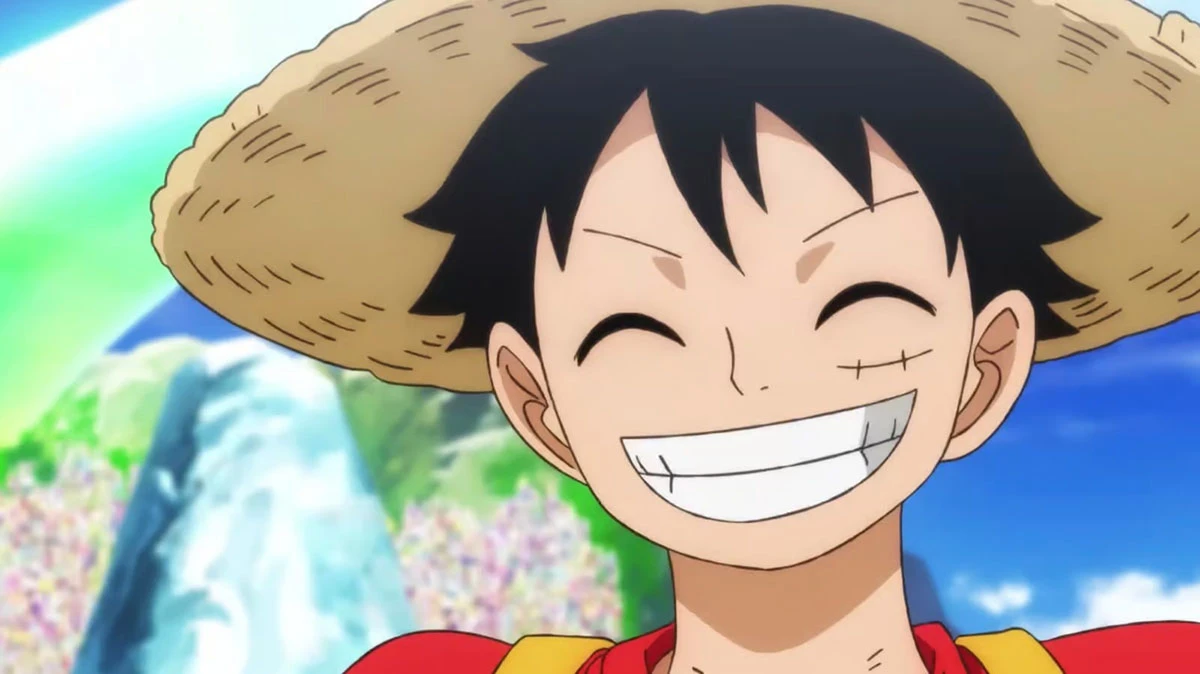
Monkey D. Luffy embodies the pure spirit of adventure and freedom, making him one of the most beloved anime characters of all time. As the captain of the Straw Hat Pirates, his dream of becoming the Pirate King is fueled not by greed but by the desire to explore the seas and find ultimate freedom. This vision, paired with his unwavering loyalty to his crew, has turned him into a figure who represents courage, friendship, and the pursuit of dreams without compromise.
Luffy’s cheerful personality and relentless optimism set him apart. Even in the face of overwhelming danger, he greets challenges with a wide grin and a fearless heart. His trademark straw hat, stretchy limbs from the Gum Gum Fruit, and simple red vest are visual icons instantly tied to his name. The way he shouts his convictions and stands up for his friends has made him a rallying point for fans who believe in staying true to themselves.
The impact of Luffy reaches beyond the pages of manga and episodes of anime. As the central figure in One Piece, the best selling manga in history, he has influenced generations of readers and viewers. Luffy’s journey continues to inspire those who value freedom, loyalty, and the thrill of chasing dreams no matter the odds. His story cements him as a timeless representation of adventure in anime culture.
Saitama (One Punch Man)
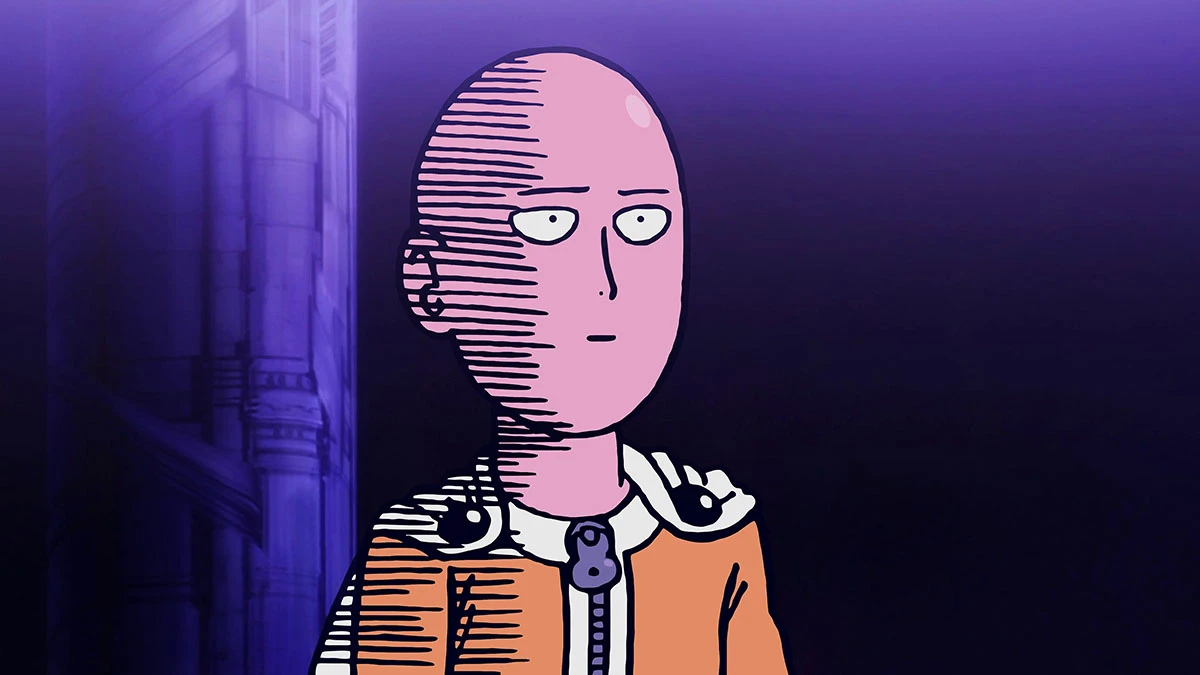
Saitama is more than a gag hero, he is a razor sharp mirror pointed at the entire superhero genre. Introduced in One Punch Man as an ordinary salaryman turned “hero for fun,” he breaks every rule by winning every fight with a single punch. The joke never gets old because it hides a serious idea beneath the absurd power ceiling. Saitama’s victories are guaranteed, yet his boredom, lack of recognition, and search for purpose feel painfully human.
Visually, Saitama is unforgettable. The egg smooth bald head, plain yellow jumpsuit, red gloves and boots, and fluttering white cape create a design so simple it borders on parody. That minimalism clashes with the baroque detail of monsters and disasters he deletes in an instant, making his deadpan expressions land even harder. His training story is as infamous as the punches themselves, turning “100 push ups, 100 sit ups, 100 squats, 10 km run” into meme history.
Culturally, Saitama has transcended satire. He anchors viral clips, inspires gym jokes, and fuels debate about power scaling. More importantly, he reframes strength as a setup for character rather than spectacle, proving that the biggest shock in a world of gods and kaiju is a hero who shrugs at victory and keeps saving people anyway.
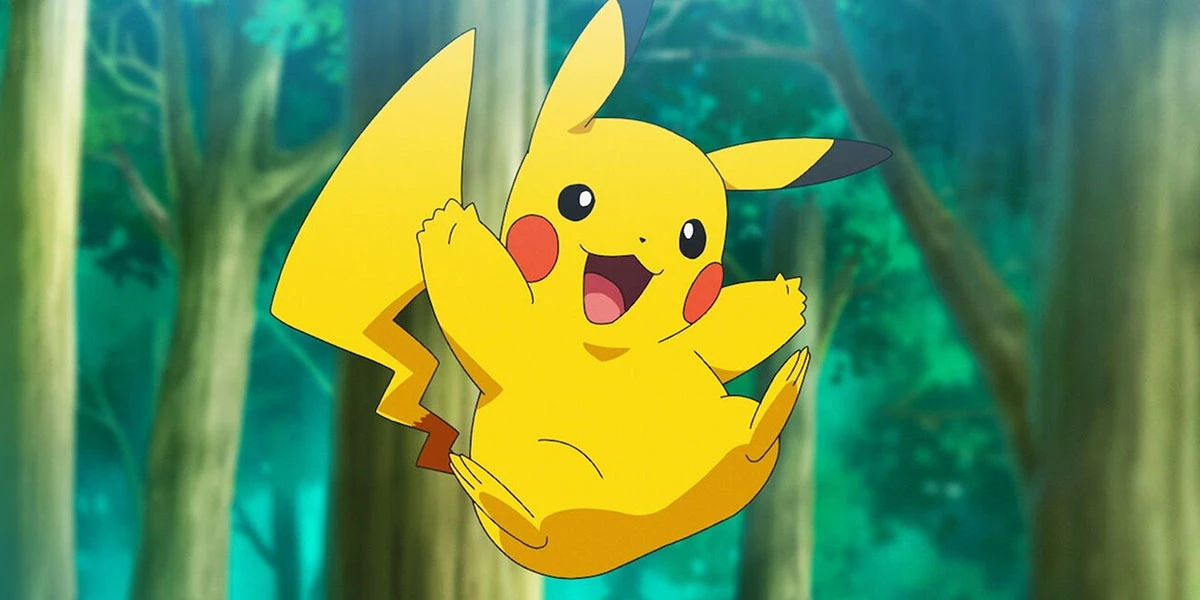
Pikachu (Pokémon)
Pikachu is more than a character, it is the face of an entire franchise and one of the most recognizable mascots in global pop culture. Introduced in Pokémon as a small electric type companion, Pikachu quickly rose to become the beloved partner of Ash Ketchum in the anime. Its playful nature, loyalty, and bursts of electricity made it endearing to audiences of all ages, from children discovering the series to longtime fans who grew up with the games and shows.
Visually, Pikachu is unforgettable. Its bright yellow body, large ears tipped with black, and red cheeks that spark with energy make it stand out instantly. The simple yet expressive design allows Pikachu to convey joy, determination, and even frustration, creating a character that feels alive despite speaking only through variations of its name. The cry “Pika Pika” is universally recognized, bridging language barriers and cementing Pikachu as a symbol of charm and approachability.
Culturally, Pikachu has transcended its role in anime and video games. It has appeared on merchandise from toys to clothing, featured in parades, and even acted as a goodwill ambassador for Japan. Few fictional characters achieve the level of visibility Pikachu has maintained for decades. As a result, Pikachu is not only the mascot of Pokémon but also a timeless icon of friendship, adventure, and the joy of imagination.
Doraemon (Doraemon)

Doraemon is a cultural icon whose influence extends far beyond anime, representing imagination, kindness, and the simple joy of childhood. Created as a robotic cat sent from the future to help a clumsy boy named Nobita, Doraemon became a symbol of guidance and friendship. The premise of a character who uses futuristic gadgets to solve everyday problems captured the hearts of audiences, blending science fiction with warm life lessons that remain relevant through generations.
The character’s design is immediately recognizable: a round blue body, wide eyes, a red nose, and a small bell on the collar. Most iconic of all is the four dimensional pocket on his stomach, which produces an endless variety of gadgets, each sparking wonder about technology and possibility. Unlike many anime characters tied to action or drama, Doraemon’s appeal lies in his role as a comforting presence, someone children can imagine turning to when life feels unfair.
As a franchise, Doraemon has become one of the longest running and most beloved series in Japan and across Asia. The character has been featured in films, museums, and even used as a cultural ambassador. Generations grew up watching his adventures, making Doraemon a shared memory that connects parents and children alike. With his enduring charm and timeless themes of hope and support, Doraemon stands as a universal emblem of compassion and creativity in anime.
Levi Ackerman (Attack on Titan)
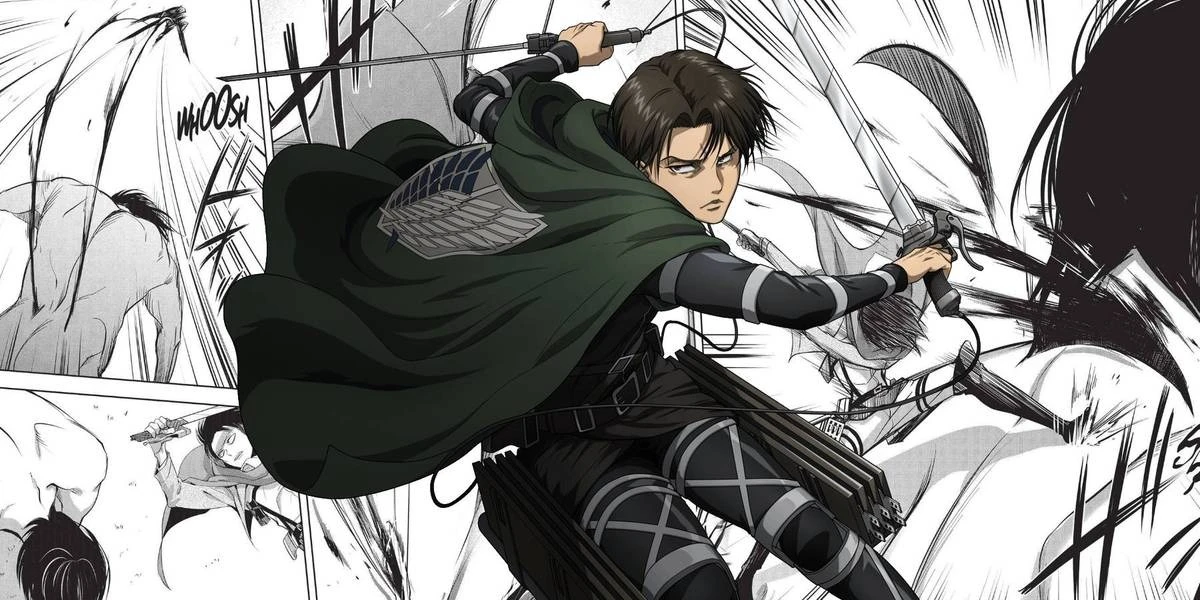
Levi Ackerman from Attack on Titan has earned a reputation as one of the most admired and unforgettable characters in modern anime. As captain of the elite Survey Corps squad, he is respected not only for his extraordinary combat skill but also for his unwavering sense of duty. Levi’s stoic personality and quiet strength make him a compelling contrast to the chaos of the world around him, and his sharp gaze alone conveys a mix of determination and tragedy.
His visual presence is iconic. The way he maneuvers with the omni directional gear, spinning and slicing through Titans with unmatched precision, has become one of the most striking images in the series. His short stature paired with lightning fast reflexes created an unexpected yet powerful figure who dominates the battlefield. Fans often remember his intense fights, but equally impactful are his moments of leadership, when he guides comrades through impossible choices.
Culturally, Levi has grown beyond the role of a supporting character to become a global fan favorite. His popularity spans cosplay, fan art, and countless discussions online, where audiences debate his philosophy and admire his strength. Levi embodies resilience, sacrifice, and the burden of responsibility, making him more than just a soldier. He is a symbol of perseverance in the face of overwhelming odds, and his legacy in anime culture will endure for years to come.
Edward Elric (Fullmetal Alchemist)
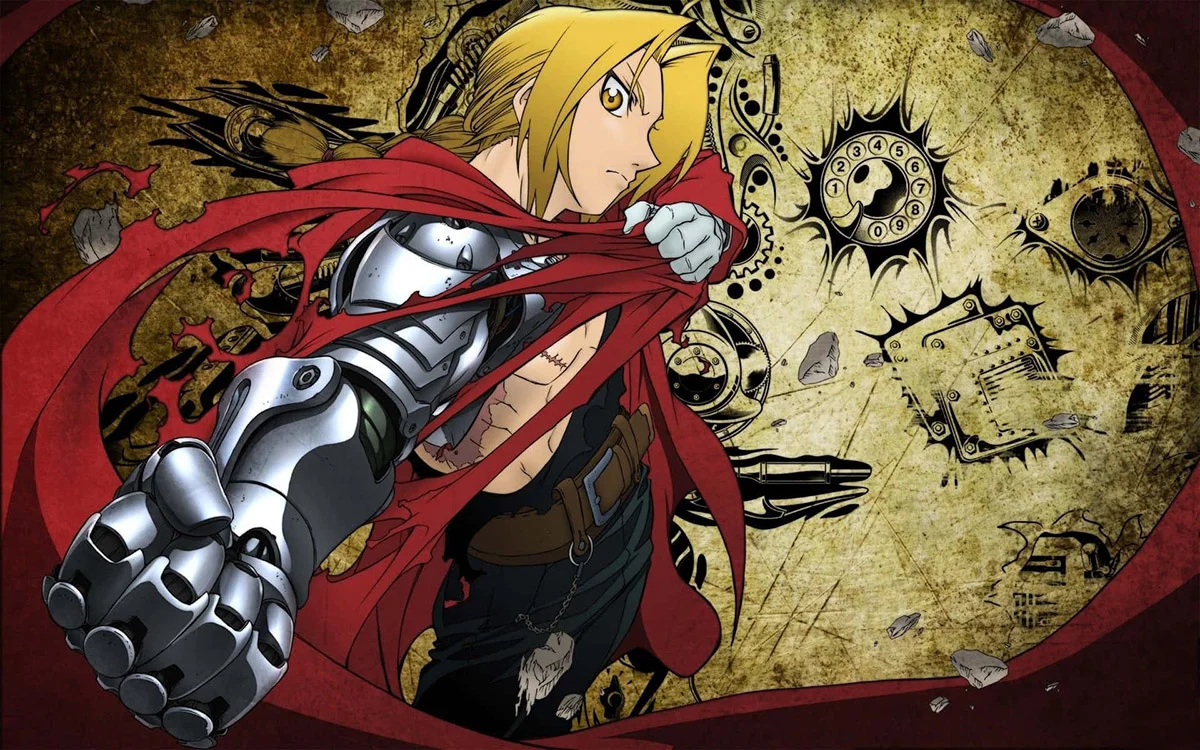
Edward Elric, the Fullmetal Alchemist himself, is a character who blends youthful determination with profound philosophical depth. After a tragic attempt to bring his mother back through forbidden alchemy cost him an arm and a leg, Edward set out on a journey with his brother to restore what they had lost. His story is one of sacrifice, resilience, and an unrelenting quest for truth. These themes, paired with his intelligence and fiery personality, made him one of the most respected protagonists in anime.
Edward’s look is as iconic as his story. The long red coat flowing behind him, the gleaming automail arm, and the unmistakable transmutation circle together form a visual that fans immediately recognize. Unlike many shonen heroes driven only by raw strength, Edward relies on sharp intellect, quick reflexes, and an understanding of consequence. His willingness to shoulder guilt while still protecting those around him deepens his emotional impact.
Beyond the narrative, Edward represents a balance between vulnerability and power. His flaws make him relatable, while his growth inspires admiration. Audiences across the world connected with his struggles, not only as a fighter but also as someone navigating moral questions about humanity, science, and sacrifice.
For fans who want to carry a piece of that legacy, collections like Fullmetal Alchemist graphic tees are a reminder of how Edward’s story continues to resonate. His character endures as proof that true strength is measured not only in power but also in heart and conviction.
Spike Spiegel (Cowboy Bebop)

Spike Spiegel from Cowboy Bebop captures the cool, melancholic aura that defines an entire era of anime. As a bounty hunter drifting through space, he embodies the archetype of the wandering antihero, someone caught between a turbulent past and an uncertain future. Spike’s charm lies in his effortless charisma, calm demeanor, and underlying sadness, making him both mysterious and relatable. His story mixes noir atmosphere with existential themes, elevating him beyond a typical action lead.
Visually, Spike is unforgettable. His messy green hair, sharp suit, and ever present cigarette created a silhouette instantly tied to the late 1990s anime boom. Whether lounging on the Bebop ship or engaging in fast paced martial arts combat, his movements radiate a blend of grace and danger. The phrase “See you, space cowboy” has become inseparable from his legacy, a line that resonates with fans as both farewell and philosophy.
Culturally, Spike was instrumental in bringing anime into Western mainstream consciousness. Cowboy Bebop aired on networks like Adult Swim, introducing countless new viewers to anime through its stylish blend of jazz, sci-fi, and emotional storytelling. Spike became the face of that transition, bridging cultural gaps and proving anime could stand alongside film and television classics. Today, he remains an enduring icon of style, rebellion, and the search for meaning in a vast, uncertain universe.
Light Yagami (Death Note)
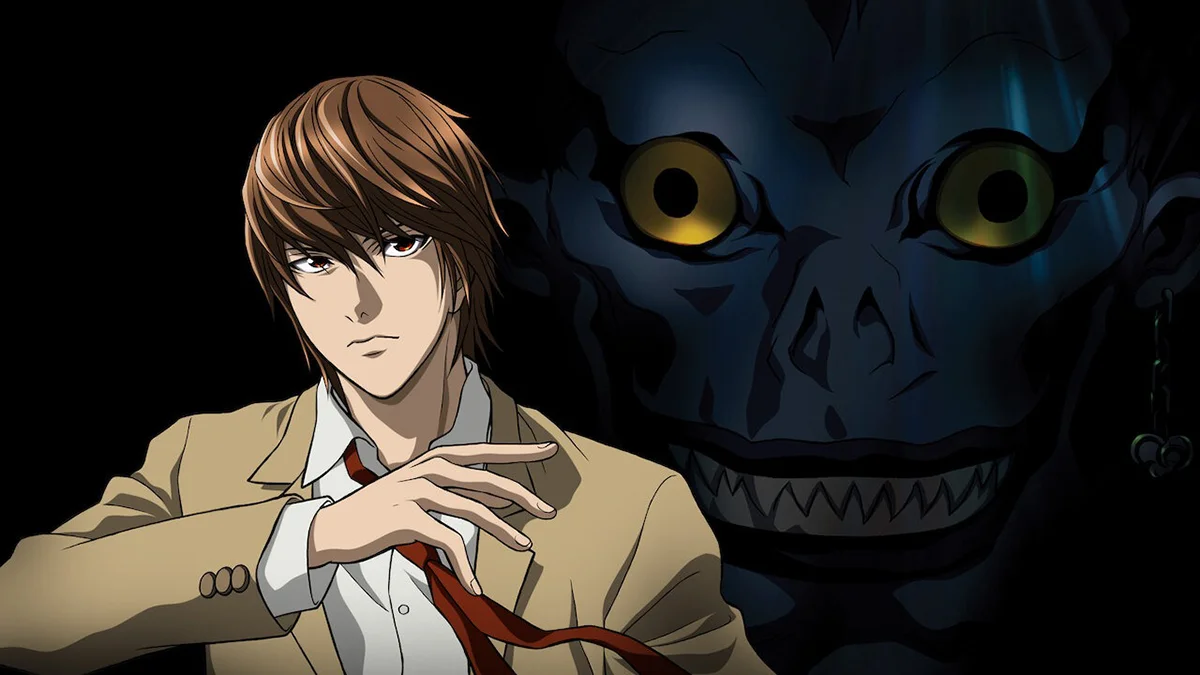
Light Yagami from Death Note stands as one of the most complex and divisive figures in anime history. Introduced as a brilliant high school student who discovers a notebook with the power to kill anyone whose name is written in it, Light begins his journey with the idea of creating a world free from crime. What starts as an idealistic vision quickly turns into a dark obsession, as he assumes the identity of Kira and sets himself above humanity as judge, jury, and executioner. His intelligence and charisma made him captivating, but his descent into moral corruption turned him into a figure of endless debate.
Visually, Light is instantly tied to the image of the black notebook in his hand, his sharp features, and the unsettling confidence in his eyes. He is not defined by flashy powers but by his cunning strategies and chilling resolve. The psychological duel between him and the detective L remains one of the most iconic rivalries in anime, showcasing his brilliance and his willingness to sacrifice morality for power.
Light’s influence extends far beyond his series. He represents the dangerous allure of unchecked ambition and the ethical dilemmas of playing god, themes that sparked discussions among fans, critics, and scholars worldwide. Even years after the series ended, Light Yagami continues to fuel arguments about justice, morality, and the human hunger for control. His story is a warning wrapped in brilliance, ensuring his place as one of anime’s most unforgettable characters.
Conclusion
Anime has given the world a wide range of unforgettable personalities, but the ten highlighted here stand out as true cultural landmarks. From heroic fighters like Goku and Naruto to mascots such as Pikachu and Doraemon, these figures embody the diversity and power of anime storytelling. Each character reflects values that resonate universally, whether it is courage, friendship, resilience, or the struggle with morality.
Their reach goes far beyond television screens or manga pages. They appear in classrooms through lunchbox stickers, inspire fan art across social platforms, and even spark academic discussions about narrative and culture. The ability of these characters to cross generations and borders shows why anime has grown from a local phenomenon to a global cultural force.
For fans who want to keep that connection alive, exploring collections of anime inspired shirts is one way to celebrate these stories in everyday life. Wearing a design tied to a favorite character is not just about fashion but about carrying a piece of that shared cultural memory.
As anime continues to evolve, new characters will emerge, but these icons have already secured their place in history. They are reminders that stories can travel anywhere, and that symbols of hope, adventure, and complexity will always find an audience ready to embrace them.
