
No products in the cart.
Anime
Why Shonen Anime Will Always Be the Most Popular Genre
Why Shonen Anime Will Always Be the Most Popular Genre
Introduction
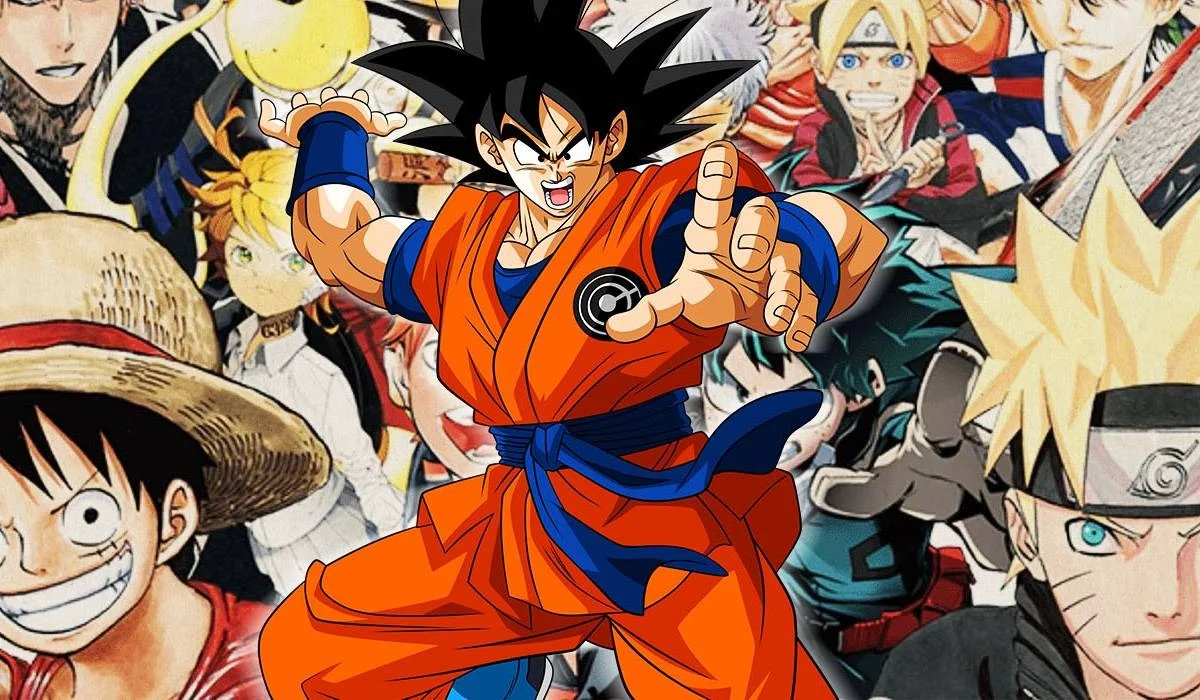
Among all the styles of anime, none have captured the hearts of fans worldwide quite like shonen. Originally aimed at young male audiences, shonen anime quickly grew far beyond that label to become the most dominant and recognizable category in the medium. From Dragon Ball to One Piece to My Hero Academia, these shows have defined what many people first imagine when they hear the word anime.
What makes shonen stand out is not simply its action packed battles, but the combination of themes that feel universal. Stories of friendship, loyalty, and pushing past limits resonate with anyone who has ever struggled to achieve something meaningful. For many viewers, shonen is not just entertainment but a source of motivation, a reminder that persistence and courage can turn weakness into strength.
Over the decades, shonen has shaped global pop culture. It has produced characters recognized across generations, the faces of mainstream fandom, sparked communities that thrive online and in conventions, and inspired countless memes, fan art, and conversations. More importantly, it continues to welcome new audiences while keeping longtime fans invested in ongoing adventures. This mix of accessibility, energy, and timeless appeal explains why shonen anime remains the most popular genre and why its influence shows no sign of slowing down.
What Defines Shonen Anime
At its core, shonen anime is defined by stories that capture the energy and optimism of youth. While the word “shonen” refers to young boys, the appeal stretches far beyond that demographic because the themes speak to universal human experiences. These series often follow a central hero who starts with limited abilities but grows stronger through training, setbacks, and the support of friends. The focus is not only on battles but also on lessons about perseverance, courage, and self discovery.
A hallmark of shonen is the way it balances lighthearted humor with intense drama. That tonal swing refreshes the pace between tournament brackets, training arcs, and climactic showdowns.
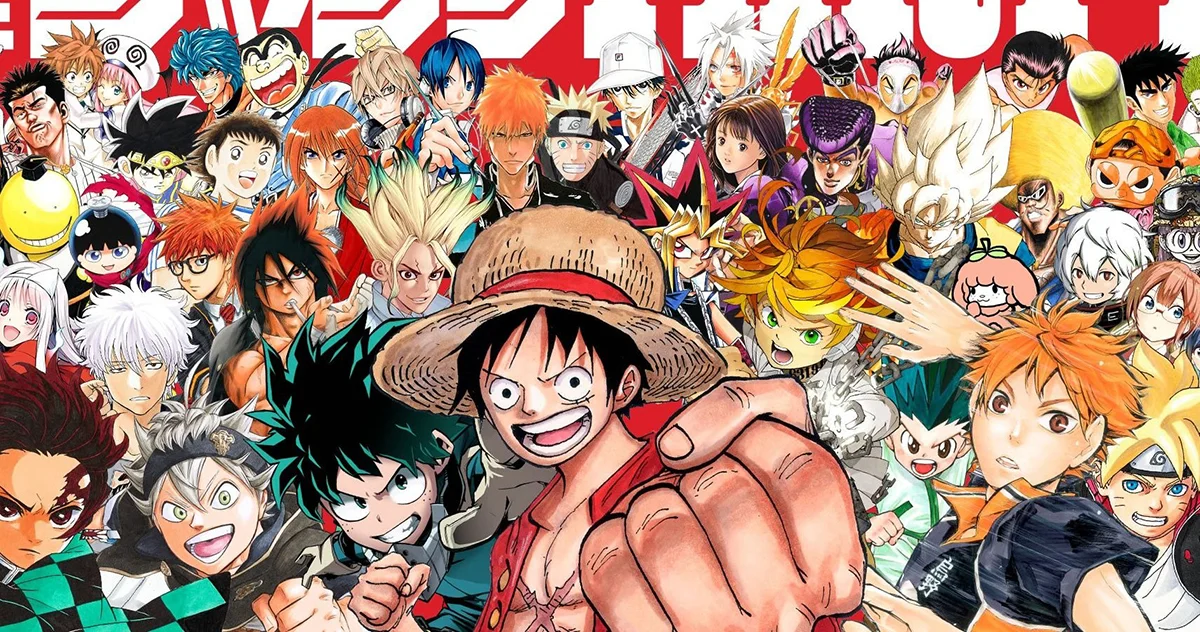
One element that truly defines the genre is its deep connection to Weekly Shonen Jump, the manga magazine that launched titles like Dragon Ball, One Piece, Naruto, and Bleach. This publication created a pipeline where manga popularity directly influenced anime adaptations, shaping the entire industry. Another distinctive aspect is how anime versions often expand with filler arcs or side stories to keep pace with the slower release of manga. While sometimes debated, these additions allow for more character exploration and world building, keeping fans engaged even during narrative pauses.
Examples like Dragon Ball, Naruto, One Piece, and My Hero Academia showcase the formula at its best. Each series introduces a relatable protagonist, a diverse cast of allies and rivals, and a steady rhythm of adventure. These qualities have made shonen the entry point for millions of viewers and the backbone of the anime industry’s global success.
Universal Themes That Resonate
Shonen anime thrives because it delivers themes that feel timeless and deeply human. At the heart of nearly every series is the idea that hard work and persistence can overcome natural limits. Heroes like Naruto or Deku begin their journeys with little recognition or power, yet their refusal to give up becomes the very trait that defines them. This message resonates with students, workers, and dreamers alike because it reflects struggles faced in real life.
Another universal theme is the importance of friendship and community. Shonen stories highlight the bonds between teammates, mentors, and even rivals who push each other to grow. These relationships remind viewers that strength is not achieved alone but built through trust and support. When a character risks everything to protect their friends, audiences feel the weight of loyalty and sacrifice on a personal level.
Rivalries also stand out as one of the most powerful motifs in shonen storytelling. Classic matchups like Goku versus Vegeta, Naruto versus Sasuke, or Deku versus Bakugo are not simply fights but long term relationships that drive character growth. Rivals in shonen are rarely enemies forever; instead they serve as mirrors, reflecting strengths, weaknesses, and unspoken admiration. This theme captures the idea that competition, even when intense, can lead to mutual respect and greater achievement. It is a dynamic that audiences recognize from sports, academics, or personal life, making it easy to connect with and remember.
Justice and morality also play central roles. Shonen heroes often stand against injustice, whether in the form of tyrannical villains or corrupt systems. The clash between right and wrong, even when blurred by shades of gray, gives the stories emotional weight. By weaving together perseverance, camaraderie, rivalry, and moral conviction, shonen anime speaks to values that cross cultures and generations, ensuring its appeal never fades.
Iconic Characters and Their Influence
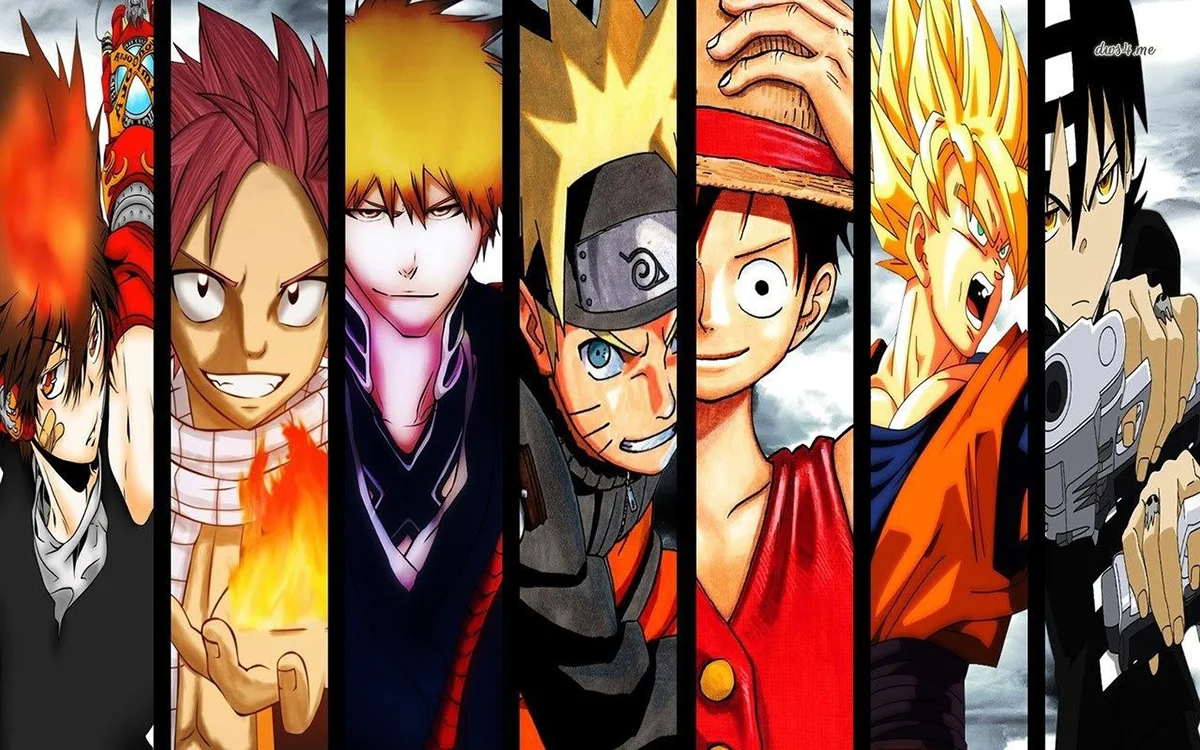
One of the biggest reasons shonen anime holds such power is its unforgettable characters. These heroes and rivals become cultural touchstones, recognized far beyond the anime community. Goku’s endless drive to break his limits, Naruto’s determination to turn loneliness into strength, and Luffy’s fearless chase for freedom are not just fictional arcs but universal metaphors for resilience and ambition. Their journeys inspire fans who see reflections of their own struggles in these characters.
The influence of shonen figures extends into every corner of pop culture. Their faces appear on merchandise, posters, and memes that circulate globally. Catchphrases like “Believe it!” or the images of a Super Saiyan transformation carry meaning even for those who have never sat down to watch a full episode. Rivals and villains also play crucial roles, with figures such as Vegeta or Zoro gaining near equal recognition for their layered personalities and iconic moments.
These characters are more than entertainment icons. They provide role models, conversation starters, and cultural symbols. The fact that people across different generations and countries immediately recognize them proves how deeply shonen has embedded itself into the global imagination. They serve as the lasting bridge between anime as a Japanese art form and anime as a worldwide phenomenon.
Action and Storytelling That Keep Fans Hooked
Shonen anime is built on a rhythm of excitement that keeps audiences coming back week after week. The action sequences are fast paced, creative, and often tied to the emotional stakes of the story. Battles are rarely just about strength; they represent personal growth, the defense of ideals, or the protection of loved ones. This combination of spectacle and meaning makes the action memorable, not just visually stunning.
Equally important is the long form storytelling that defines the genre. Shonen series often span hundreds of chapters or episodes, broken into arcs that allow for both character development and world building. Viewers watch heroes train, fail, recover, and rise again, creating a sense of investment that few other genres match. Each victory feels earned, and each setback deepens the attachment to the characters.
The element of surprise also fuels the appeal. Unexpected plot twists, new abilities, and rival showdowns give fans plenty to discuss and debate. This constant flow of tension and release builds a communal experience, where fans eagerly speculate about what comes next. By blending thrilling action with narratives that reward patience, shonen anime creates an addictive cycle of anticipation and satisfaction that keeps its audience hooked for years.
The Role of Community and Fandom
Shonen anime has always been more than what happens on the screen. Its greatest strength lies in the massive communities that form around each series. Fans gather in online forums, social media groups, and conventions to share theories, celebrate characters, and debate epic battles. This sense of belonging amplifies the enjoyment, transforming anime from a solitary pastime into a shared cultural event.
The genre thrives on discussion. Every new transformation, rival showdown, or dramatic cliffhanger sparks conversations that ripple across fan spaces. Viewers post reaction videos, create fan art, and write analyses that keep the stories alive long after episodes air. This collective engagement ensures that shonen titles remain in the spotlight, building momentum through word of mouth and shared excitement.
Fan creativity also plays a critical role in sustaining the energy around shonen. Communities produce doujinshi, fanfiction, and digital edits that reimagine characters in new scenarios or highlight memorable scenes with unique perspectives. These works not only demonstrate the passion of fans but also keep the content circulating in ways the original creators could never achieve alone. Fan made music videos, compilations, and memes allow shonen to thrive across platforms like YouTube and TikTok, constantly introducing the genre to new audiences.
Fandom also plays a role in sustaining the legacy of classic series. Even after Dragon Ball Z or Naruto ended, their fan bases continue to celebrate anniversaries, cosplay as beloved characters, and introduce the shows to new audiences. These communities act as cultural custodians, keeping shonen relevant for decades. In this way, shonen anime is not only popular because of what it offers on screen but also because it fuels vibrant fandoms that keep the spirit alive worldwide.
If you want to carry the spirit of your anime shows into everyday life, see our friendly anime shirts.
Conclusion
Shonen anime remains the backbone of the medium because it blends universal themes with unforgettable characters, thrilling action, and a community that never stops celebrating it. From the determination of Goku and Naruto to the adventurous spirit of Luffy, these stories remind viewers that perseverance, loyalty, and courage can turn even the smallest spark into something extraordinary.
What makes shonen unique is its ability to reach across age groups and cultures. It welcomes new fans with accessible stories while rewarding longtime viewers with epic arcs and emotional payoffs. Decade after decade, the genre reinvents itself with fresh titles while preserving the core elements that made it beloved in the first place.
For anyone curious about why anime has such a powerful global following, shonen provides the clearest answer. It is both a gateway and a lasting home for fans who want inspiration, excitement, and community. That enduring mix ensures shonen will not only remain popular but will continue to define the image of anime around the world for generations to come.
