
No products in the cart.
Anime
The Summer Hikaru Died: Everything You Need To Know About This Horror Anime
Introduction
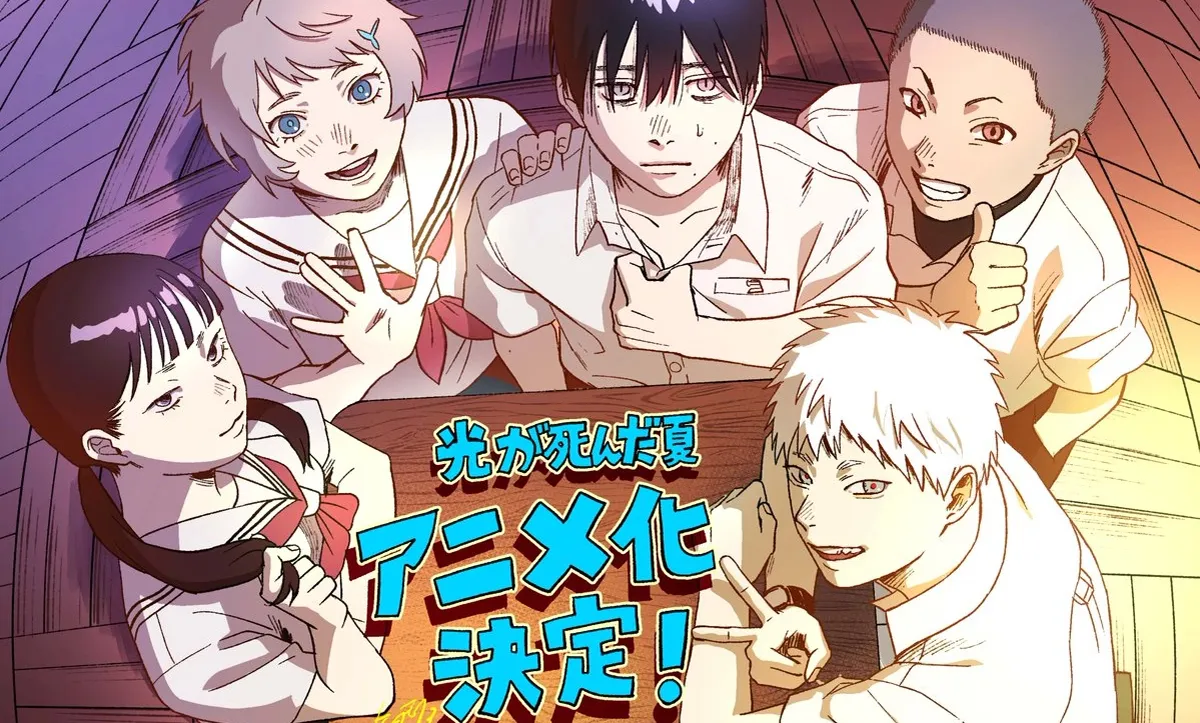
The anime world in 2025 has been buzzing with anticipation and conversations around a single title that stands out for its chilling atmosphere and emotional weight: The Summer Hikaru Died. Adapted from the manga Hikaru ga Shinda Natsu by Mokumokuren, this series has quickly become a centerpiece for fans who love stories that mix psychological horror with heartfelt human drama. Unlike mainstream action driven titles, The Summer Hikaru Died does not rely on flashy battles or explosive powers. Instead, it creeps under your skin with a quiet, unsettling dread while pulling you into the fragile emotional core of its two main characters.
Set in a rural Japanese village, the anime follows the story of Yoshiki and his childhood friend Hikaru. When Hikaru returns from the mountains one day, he is not the same. What comes back looks like Hikaru, speaks like Hikaru, but Yoshiki begins to realize he is living beside something that is no longer human. This unsettling premise creates the foundation for a narrative that blends horror with themes of grief, denial, and the desperate attempt to hold onto a bond that is slipping away.
What makes The Summer Hikaru Died resonate so strongly is its ability to operate on multiple levels. On the surface, it is an eerie horror anime, perfect for fans of unsettling mysteries. Beneath that, it is a deeply human story about loss, identity, and the painful complexity of love and friendship. With Netflix streaming it globally and a first season of twelve episodes already complete, more viewers are discovering the emotional weight and terrifying atmosphere that set it apart from typical seasonal releases.
In this article, we will explore the most pressing questions and themes surrounding The Summer Hikaru Died: its characters, the studio behind the adaptation, where you can watch it, its manga origins, the cultural impact it has made, and whether or not the story offers any sense of resolution. Each section aims to give a complete picture of why this anime has become such a phenomenon, while addressing the curiosities fans are actively searching for.
Key Facts About The Summer Hikaru Died
- Japanese title: Hikaru ga Shinda Natsu
- Format: TV anime, Season 1 with 12 episodes
- Broadcast: Aired in Japan during summer 2025 on Nippon TV, with free streaming on Abema
- Streaming: Available worldwide as a Netflix series, with additional licensed streaming on Bilibili in China
- Studio: CygamesPictures
- Director and series composition: Ryohei Takeshita
- Character design and chief animation director: Yuichi Takahashi
- Music: Taro Umebayashi, with opening theme by Vaundy and ending theme by TOOBOE
- Genre tags: Queer horror, psychological horror, mystery, coming of age
- Manga: Serialized on Kadokawa’s Young Ace Up since 2021, with multiple tankobon volumes and strong sales
- Anime status: Season 1 completed, Season 2 officially confirmed and in production
- Physical media: Blu ray and DVD releases announced, starting with Volume 1
Plot Overview: How Did Hikaru Die and What Came Back
At the heart of The Summer Hikaru Died lies a story that blends rural stillness with creeping dread. The anime begins in a quiet Japanese village where life feels ordinary and almost uneventful. Within this calm setting live two childhood friends, Yoshiki and Hikaru. Their bond is strong, built on years of companionship and shared routine. However, the tranquility shatters when Hikaru ventures into the mountains and does not return the same.
In the source material and the anime’s setup, Hikaru dies in a tragic accident in the mountains. There, an ancient and malevolent entity encounters his dying body. That entity consumes him and takes on Hikaru’s form, returning to the village in a body that looks and sounds like the boy Yoshiki knew. To outsiders, almost nothing appears wrong. To Yoshiki, small details are off. Smiles last a fraction too long, eye contact feels slightly delayed, and familiar gestures now carry an uncanny chill.
Because of this, the core mystery is not whether Hikaru died. The unsettling question is what exactly now lives in his place, why it chose him, and how far its presence extends beyond the village. The anime feeds viewers a slow sequence of clues rather than a single exposition dump. The mountains feel alive with something older than humans. Shadows move in ways that hint at a larger cosmology of impurities and otherworldly forces. The more Yoshiki learns, the more he understands that his friend’s return is a violation of what life and death are supposed to mean.
The ambiguity lies in the nature of the entity rather than in the fact of Hikaru’s death. The story refuses to define whether this being is a god, a monster, or something in between. That uncertainty mirrors Yoshiki’s emotional struggle. Grief is rarely simple, and the pain of losing someone does not disappear just because a neat explanation is offered. By focusing on feeling rather than lore dumps, The Summer Hikaru Died turns its supernatural premise into an intimate metaphor for mourning, denial, and the terror of realizing that a loved one has changed in a way you cannot undo.
Characters of The Summer Hikaru Died
The Summer Hikaru Died keeps its cast compact and uses that focus to drive tension. The profiles below stay within what the anime and manga explicitly support and point out where details are not officially published. Where common fan questions arise, such as height or hobbies, the answer is stated plainly instead of guessed.
Yoshiki
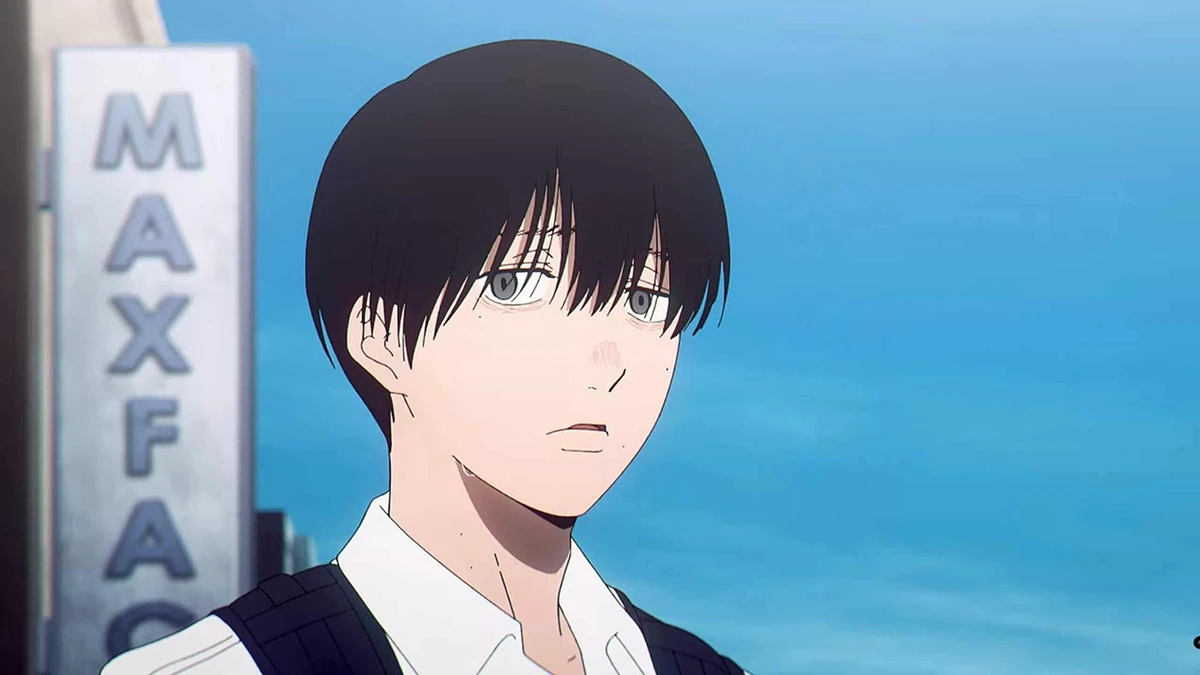
Role: Point of view character and emotional anchor. The audience experiences fear, denial, and longing through him.
- Personality: Quiet, observant, loyal to a fault. He clings to routine and to the person he believes is Hikaru, even when evidence suggests otherwise.
- Core conflict: Choosing between truth and attachment. He recognizes that something is wrong yet refuses to sever the bond.
- Behavioral tells: Long silences, side glances, hands clenched at the chest or collar as if steadying his breath. These details matter because The Summer Hikaru Died builds dread through micro expressions rather than heavy exposition.
- Appearance: Lean build, framed as a bit taller than many classmates, dark hair, standard school uniform. No official height is published.
- Interests: The text offers little beyond school life and time spent with Hikaru. No canonical hobby list is provided. What matters is his routine and the village’s quiet rhythm.
- Function in theme: Embodies grief, denial, and the human tendency to preserve a relationship even when it becomes unsafe.
Hikaru
Role: Catalyst of the horror. The question “who came back” powers the plot of The Summer Hikaru Died.
- Personality before the mountain incident: Warm, outgoing, easy to be around. He stabilizes Yoshiki’s world and gives structure to his days.
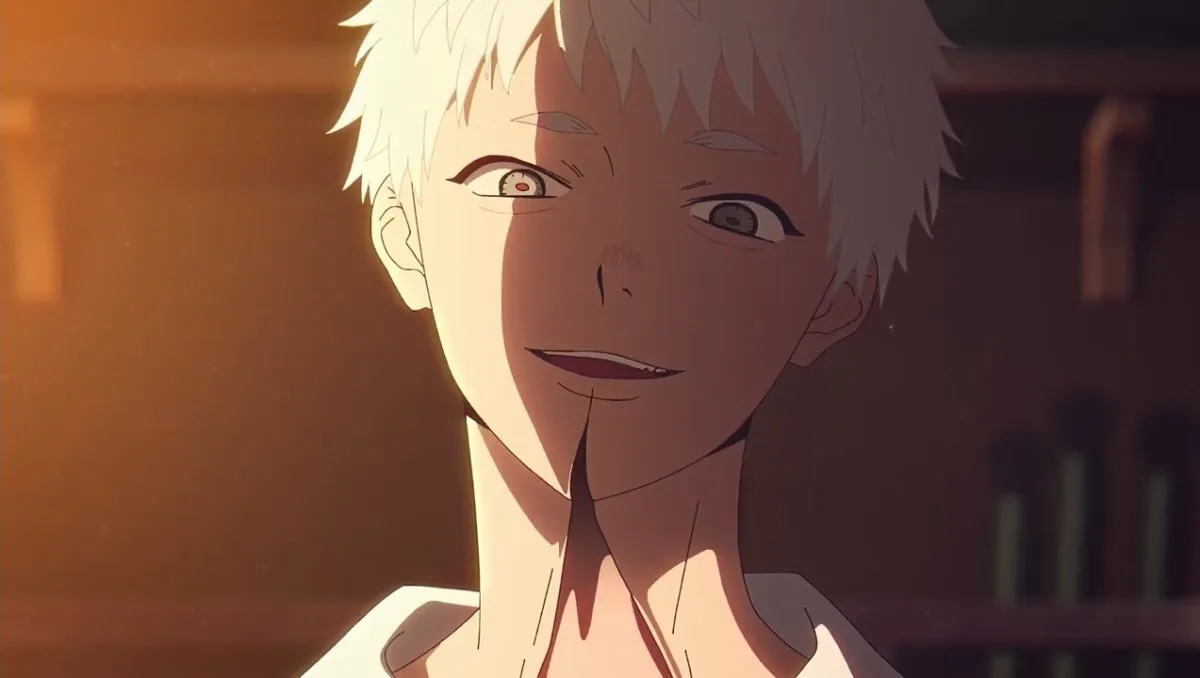
- After the incident: Familiar face with subtle irregularities. Smiles hold a beat too long, eyes do not track like they used to, responses feel slightly desynced. That near normal quality is what makes him terrifying.
- Appearance: Same uniformed look as classmates, healthy complexion that sometimes reads too perfect under certain lighting. No official height or measurements are published.
- Interests: Not itemized in canon beyond school and time with Yoshiki. Any detailed hobby lists circulating online are speculation unless tied to official material.
- Function in theme: Represents the unknown pressing into ordinary life and forces viewers to confront what it means to love someone when their identity is in doubt.
Classmates and Friends
Role: Social mirror. They signal how the village senses danger before anyone articulates it.
- Personality range: Curious, gossipy, anxious, sometimes defensive. They normalize the setting so any deviation around Hikaru becomes louder.
- Screen time: Limited by design. The Summer Hikaru Died narrows attention to intensify Yoshiki’s inner struggle rather than juggling a wide ensemble.
- Data notes: No official heights, birthdays, or hobby sheets have been published for side characters. The story is not built like a shonen roster with profile pages for everyone.
Villagers and Elders
Role: Environmental pressure. Their routines, rituals, and silences define the rural mood that the supernatural disturbs.
- Behavior: Watchful, understated, protective of boundaries. Their reactions sharpen the line between normal life and the wrongness surrounding Hikaru.
- Function in theme: Collective memory and instinct. They amplify isolation and make the setting feel lived in and fragile, as if the village itself is another character.
Relationship Map
- Yoshiki and Hikaru: Their bond exceeds standard friendship. The narrative invites readings that include romantic feeling without stamping a label on it. Tension comes from devotion colliding with fear.
- Yoshiki and the village: He withdraws as doubt grows, which increases risk because isolation reduces outside checks on reality and lets the uncanny take deeper root.
- Hikaru and the village: Accepted on the surface, resisted at an instinctual level. Small gestures from townspeople often matter more than dialogue in signaling that something is wrong.
Why the Lack of Stats Matters
Readers often search for precise character data such as height, weight, blood type, birthdays, and hobby lists. The Summer Hikaru Died does not operate on that kind of cataloging. The author withholds trivia to maintain ambiguity and to keep focus on mood, grief, and identity. If a future guidebook publishes measurements or personal trivia, those can be added. Until then, any numerical profiles you see online are unverified and should be treated as fan speculation rather than canon.
How to Read the Cast on Screen
- Watch the eyes: Yoshiki’s darting gaze signals mounting panic. Hikaru’s unblinking or slightly delayed focus cues the uncanny.
- Listen for pacing: Pauses and quiet rooms are intentional. The show uses silence and negative space to let fear accumulate.
- Track proximity: Distance between Yoshiki and Hikaru across scenes maps trust and denial better than any speech. When they stand closer, Yoshiki is clinging to hope. When space opens between them, reality forces its way in.
These profiles align with what the text supports. They prioritize the thematic engine of The Summer Hikaru Died over trivia that does not exist in canon. If official materials later release concrete stats or hobby notes, this section can be updated without rewriting the analysis.
Manga Origins and Critical Reception
The anime builds on a manga that already had a strong reputation before the adaptation began. Hikaru ga Shinda Natsu started serialization on Kadokawa’s Young Ace Up website in 2021, after Mokumokuren’s illustrations and short comics gained traction online. Collected volumes quickly followed, and by mid 2025 the series had several tankobon releases in print and digital formats.
Commercially, the manga has been a success. Early reports note that the first volume sold hundreds of thousands of copies within its first months on sale, signaling that the story’s mix of rural horror and emotional intimacy resonated far beyond a niche audience. Critical response has also been strong, with the series frequently appearing on recommendation lists for horror, queer narratives, and standout modern manga.
This foundation matters for the anime. Rather than trying to invent atmosphere from scratch, the adaptation works from a source that already knew how to balance dread with tenderness. Readers who discovered the work on the page now have a new way to experience it, while anime only viewers who enjoy the first season can move directly into the manga for a darker and more detailed continuation of Yoshiki and Hikaru’s story.
Animation Studio and Visual Style
The atmosphere of The Summer Hikaru Died is not only carried by its story but also by the studio and creative team shaping its haunting visual presentation. The anime adaptation is produced by CygamesPictures, a studio recognized for polished animation and atmospheric storytelling. At the helm is Ryohei Takeshita, serving as both director and series composer. His prior work on projects such as Jujutsu Kaisen and The Heike Story informs the show’s slow pacing and careful balance between realism and unease.
Supporting Takeshita’s vision is a team of talented artists. Yuichi Takahashi takes on both character design and chief animation direction, ensuring that subtle expressions carry emotional weight while moments of uncanny stillness remain unnerving. Kohei Honda provides art direction, creating textured rural environments that feel at once familiar and threatening. Masanobu Hiraoka contributes experimental sequences that visualize Hikaru’s corrupted insides and distort reality in ways that mirror the story’s psychological horror. Composer Taro Umebayashi’s score ties it all together with themes that range from fragile, melancholy motifs to dissonant swells that signal something is wrong even before the viewer can name it.
Visually, the series favors muted color palettes and grounded backgrounds that bring rural Japan to life: empty streets, dense forests, and looming mountains. These realistic landscapes become the stage where supernatural terror unfolds. Character animation deepens the effect. Yoshiki is portrayed with expressive vulnerability, shoulders often tense and posture slightly closed, while Hikaru moves with an almost imperceptible delay that makes him feel familiar yet disturbingly off. Lighting and shadows amplify this mood, with dim interiors and silhouettes that leave viewers uneasy even during quiet scenes.
By combining restrained direction, detailed art, atmospheric music, and careful sound design, The Summer Hikaru Died achieves a distinct identity. It avoids loud visual spectacle and instead commits to a style where horror grows from subtlety. Every creative choice made by CygamesPictures and its team works in service of one goal: to let fear seep in slowly until it becomes impossible to ignore.
Controversial Themes and Fan Discussions
One of the most widely debated aspects of The Summer Hikaru Died is the nature of the relationship between Yoshiki and Hikaru. Many viewers have raised the question: are they gay, or is their bond simply an intense friendship. The anime does not provide a clear label, and this ambiguity is a big part of what fuels ongoing discussion within the fan community.
Yoshiki’s feelings toward Hikaru go beyond what is usually portrayed as platonic. His longing to keep Hikaru close, his refusal to let go even when he suspects that Hikaru is no longer human, and the emotional intimacy they share all suggest a love that is deeper than friendship. At the same time, the story avoids explicitly confirming a romantic relationship with on screen confessions or dating scenes. This subtle treatment allows fans to interpret the connection in different ways, making it relatable to a broader audience.
Outside the story itself, creator Mokumokuren has described The Summer Hikaru Died as a queer story rather than a conventional boys love romance. That distinction matters. The series was not marketed as a standard BL title focused on relationship tropes. Instead, it uses horror and coming of age elements to explore what it means to grow up queer in a conservative community, to hide feelings, and to fear what might happen if those feelings are exposed. Yoshiki’s queerness is implied through how he behaves and what he refuses to say aloud, not through simple labels.
Some fans celebrate the anime for its queer undertones, seeing Yoshiki’s devotion as an allegory for the struggle of loving someone society might not accept. Others view it as a more universal exploration of grief and denial, arguing that the power of the story lies in its emotional core rather than in assigning labels. Both perspectives highlight how the anime invites interpretation rather than enforcing one viewpoint. What cannot be denied is that the intensity of their bond is central to the horror. The terror is not only in Hikaru’s death or the existence of an alien impostor. It is in Yoshiki’s inability to detach himself emotionally. He chooses to stay close to something he knows is no longer human because his love, whether platonic or romantic, is stronger than his fear. That decision makes the story uniquely haunting and gives its queer themes real weight.
Content Warnings and Who This Anime Is For
Because The Summer Hikaru Died looks quiet and rural on the surface, some viewers may underestimate how heavy it can feel. Before diving in, it helps to know what you are signing up for.
- Horror and body horror: The series includes unsettling imagery tied to Hikaru’s altered body and the entity inside him. While it is not focused on gore, some shots and implications are disturbing.
- Death and grief: The central premise revolves around a boy’s death and the aftermath of that loss. Themes of mourning, denial, and emotional breakdown recur throughout the story.
- Psychological tension: Much of the anxiety comes from quiet scenes, intrusive thoughts, and the fear that loved ones are changing in ways you cannot control. It can be emotionally draining even when nothing overtly violent is happening on screen.
- Queer themes in a conservative setting: The show portrays queer longing and self suppression in a small town environment. This can resonate deeply for some viewers but may also be painful if the subject matter hits close to home.
The Summer Hikaru Died is best suited for viewers who appreciate slow burn psychological horror rather than constant jump scares. It is a good fit if you like series such as Shiki, Paranoia Agent, or Boogiepop Phantom, where dread builds gradually and the focus stays on people rather than monsters alone. It may not be ideal for someone looking for lighthearted comfort viewing, but for fans who want horror that lingers and makes them think, it is a standout choice.
Where to Watch The Summer Hikaru Died
As interest in The Summer Hikaru Died continues to grow, many viewers are searching for reliable ways to watch the series. At the time of writing, the anime has a clear and fairly simple distribution structure.
In Japan, Season 1 aired on Nippon TV as part of the summer 2025 schedule, with new episodes broadcast weekly. The series is also available there on Abema, where viewers can stream episodes for free for a limited time. For audiences outside Japan, Netflix holds the worldwide streaming rights. The show is presented as a Netflix series with subtitles and dubbed versions in multiple languages, and the complete first season of twelve episodes is now available to watch from start to finish.
In mainland China, The Summer Hikaru Died began streaming on Bilibili, one of the country’s largest video platforms, through an official license. Other regional partnerships may exist, but they are typically built around Netflix’s global presence rather than competing services. Major anime platforms such as Crunchyroll or HIDIVE do not currently list the series in their catalogs, so fans should not expect to find it there unless future licensing changes are announced.
For viewers who prefer physical media, the series is also receiving Blu ray and DVD releases in Japan. Volume 1, covering the early episodes of Season 1, has been announced with a release date in late November 2025, and additional volumes will follow to collect all twelve episodes. These editions often include extras such as booklets, art, or special illustrations for early orders, making them attractive to collectors who want something beyond a streaming subscription.
Whichever option you choose, watching through legitimate distributors ensures the best viewing quality and supports the creators behind the adaptation. Given the show’s popularity and its confirmed second season, it is likely to remain available on major legal platforms rather than vanishing after a short broadcast window.
Anime Similar to The Summer Hikaru Died
Fans who finish The Summer Hikaru Died often search for other titles that capture a similar blend of horror, mystery, and emotional weight. While no series replicates its exact tone, several anime share overlapping themes that may appeal to viewers drawn to its unsettling atmosphere.
Shiki is one of the closest comparisons. Set in a rural village plagued by strange deaths, it balances supernatural horror with commentary on human fear and suspicion. Like The Summer Hikaru Died, it thrives on isolation, eerie silence, and the gradual collapse of a community’s sense of safety.
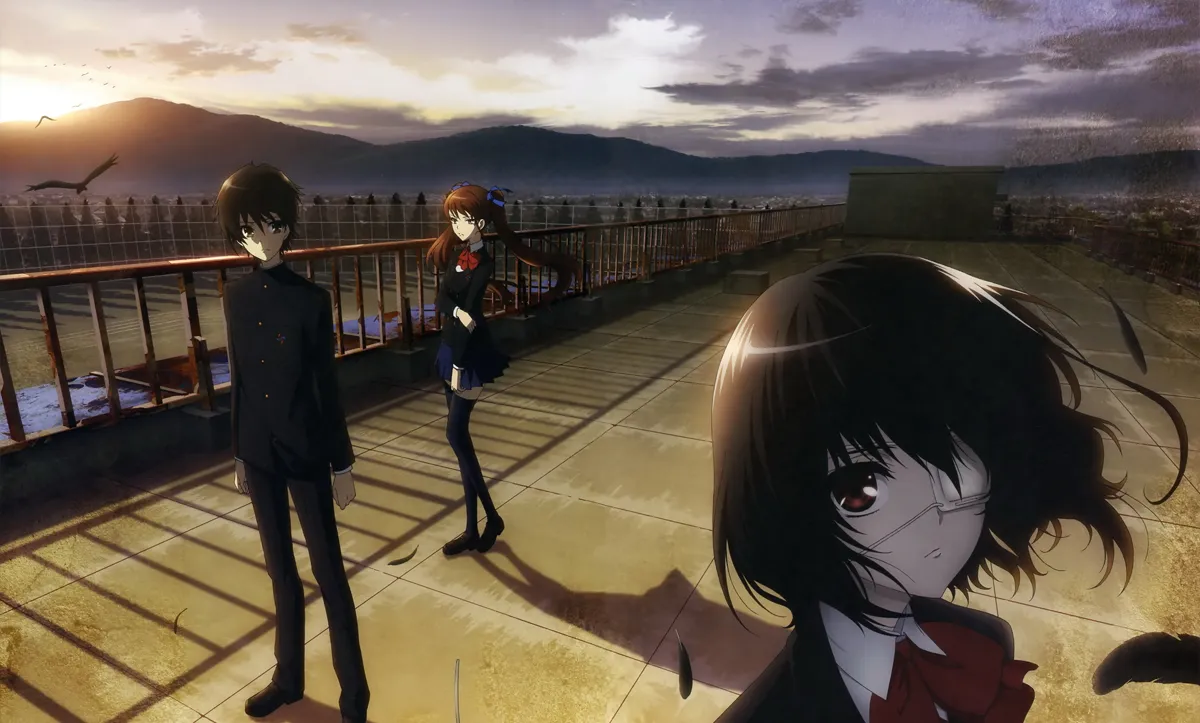
Another provides a more suspense driven experience. It follows a high school class cursed by a mysterious presence that leads to gruesome deaths. While the pacing and tone are more dramatic, the feeling of helplessness and the focus on characters trapped in a situation beyond their understanding align closely with the unease found in Yoshiki’s story.
Paranoia Agent takes a psychological route. Although not a horror series in the traditional sense, its surreal storytelling and exploration of anxiety, identity, and fear make it spiritually similar. The way reality blurs with imagination in this series can remind viewers of the ambiguous horror present in The Summer Hikaru Died.
Boogiepop Phantom is another example that leans into atmospheric horror. Its fragmented narrative and focus on supernatural phenomena in everyday settings resonate with fans who enjoy slow building dread and layered storytelling.
These anime may differ in execution, but all share the ability to disturb and provoke thought. They do not simply rely on jump scares or gore but instead build psychological tension that lingers long after the episode ends. For viewers captivated by the unsettling emotions stirred by The Summer Hikaru Died, these titles provide a path to continue exploring the genre’s darker, more introspective side.
Does The Summer Hikaru Died Have a Happy Ending
One of the most persistent questions surrounding The Summer Hikaru Died is whether or not the story offers a happy ending. Fans who are drawn into the relationship between Yoshiki and Hikaru naturally hope for some form of resolution that eases the pain of loss. However, this anime does not follow the path of traditional feel good storytelling.
The series is rooted in themes of grief, denial, and the terrifying possibility of loving something that is no longer human. Because of this, it avoids giving viewers the comfort of a neat conclusion. Season 1 ends in a way that answers some immediate questions but deliberately leaves larger mysteries unresolved. Hikaru’s death, the nature of the entity replacing him, and Yoshiki’s emotional choices are all left partially open, which reinforces the unsettling tone that defines the anime.
For many, the absence of a purely happy ending is precisely what makes The Summer Hikaru Died powerful. By refusing to deliver a simple resolution, the narrative mirrors real human experiences of loss. Grief is rarely tidy or clear, and closure is not always possible. The anime’s first season forces viewers to sit with discomfort, much like Yoshiki himself, who struggles to accept the truth about his closest friend while still craving his presence.
With a second season now confirmed, some of these questions may be explored further. Even so, the story’s core identity as a queer horror drama suggests that any sense of hope will likely be complicated rather than clean. Happiness in The Summer Hikaru Died is fleeting and fragile, often overshadowed by fear and sorrow. The conclusion of each arc can be best described as poignant rather than happy, carrying emotional resonance that lingers long after the final scene.
Conclusion and Key Takeaways
The Summer Hikaru Died has quickly risen as one of the most talked about anime of 2025, not because it follows familiar formulas but because it dares to embrace silence, ambiguity, and emotional discomfort. At its core, the series is less about monsters and more about the terrifying fragility of human connection. Yoshiki’s loyalty to a version of Hikaru that may no longer be human reflects the painful reality of loss, love, and denial, especially through a queer lens.
Through its restrained storytelling, unsettling visuals, textured sound design, and complex character dynamics, The Summer Hikaru Died manages to stand out in a crowded anime landscape. It sparks ongoing debates about identity, sexuality, grief, and the blurred line between what is real and what is imagined. Its refusal to offer a simple happy ending is not a weakness but a deliberate artistic choice, leaving audiences with a haunting sense of incompleteness that feels authentic to life itself.
Beyond the anime, the ongoing manga continues to expand the story, and a stage play adaptation scheduled for 2026 shows how far the series has traveled beyond its web manga roots. With a second anime season now in production, fans can expect the world of Yoshiki and Hikaru to grow even darker and more emotionally complex in the years ahead.
For fans of psychological horror and emotional storytelling, this anime is more than just another seasonal release. It is a cultural touchpoint that continues to inspire discussions across forums, social media, and fan communities worldwide. Whether you approach it for its eerie atmosphere, its exploration of complex relationships, or its quiet meditation on grief and queer identity, The Summer Hikaru Died delivers an experience that lingers long after the final credits.
If this series has captured your imagination, you might also enjoy exploring anime inspired fashion and collectibles. A natural way to dive deeper into fandom culture is by checking out curated collections like anime graphic t-shirts, where fans can express their love for stories like this one beyond the screen.
