
No products in the cart.
Anime
Hikaru and Yoshiki’s Relationship: From Friendship to Haunting Romance
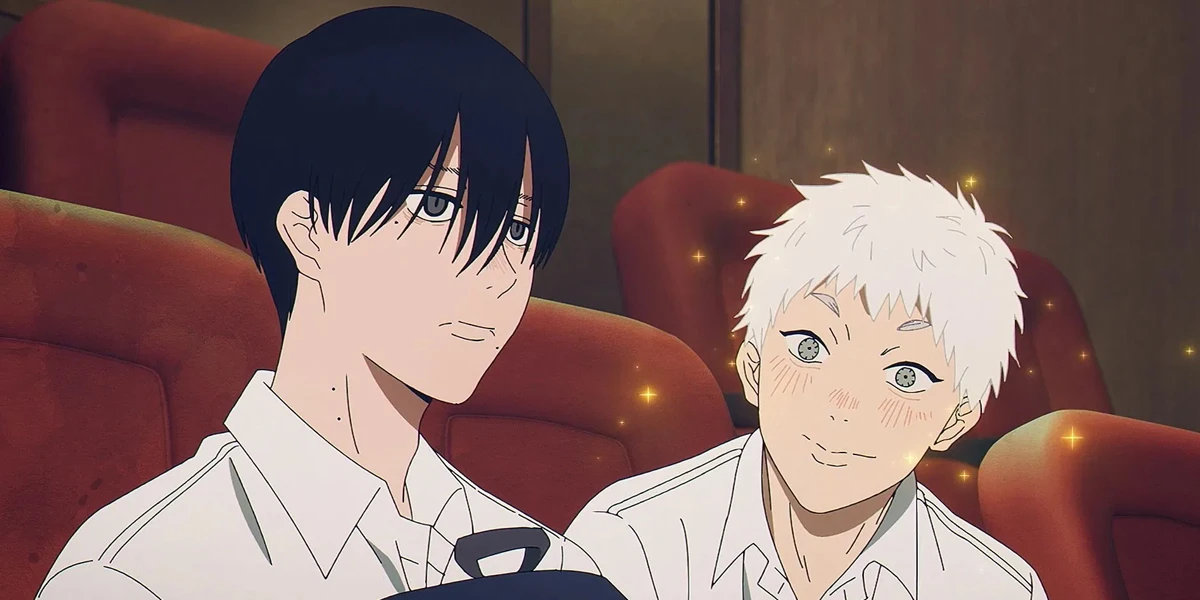
Introduction: Relationship and Setting
If you are not yet familiar with the full story, you can read our detailed overview of The Summer Hikaru Died anime before diving into this relationship analysis.
Early Stage: Childhood Friendship as the Foundation
Yoshiki and Hikaru start out with what looks like a familiar rural childhood friendship. Life in Kubitachi can be lonely, shaped by social expectations, old customs, and limited opportunities. Against that backdrop, the two boys become almost inseparable. Hikaru is usually the one who suggests small adventures, like climbing the nearby mountains to watch the sunrise or wandering further from the village than they are supposed to. Yoshiki, more reserved and cautious, follows along and slowly learns to relax because Hikaru is there.
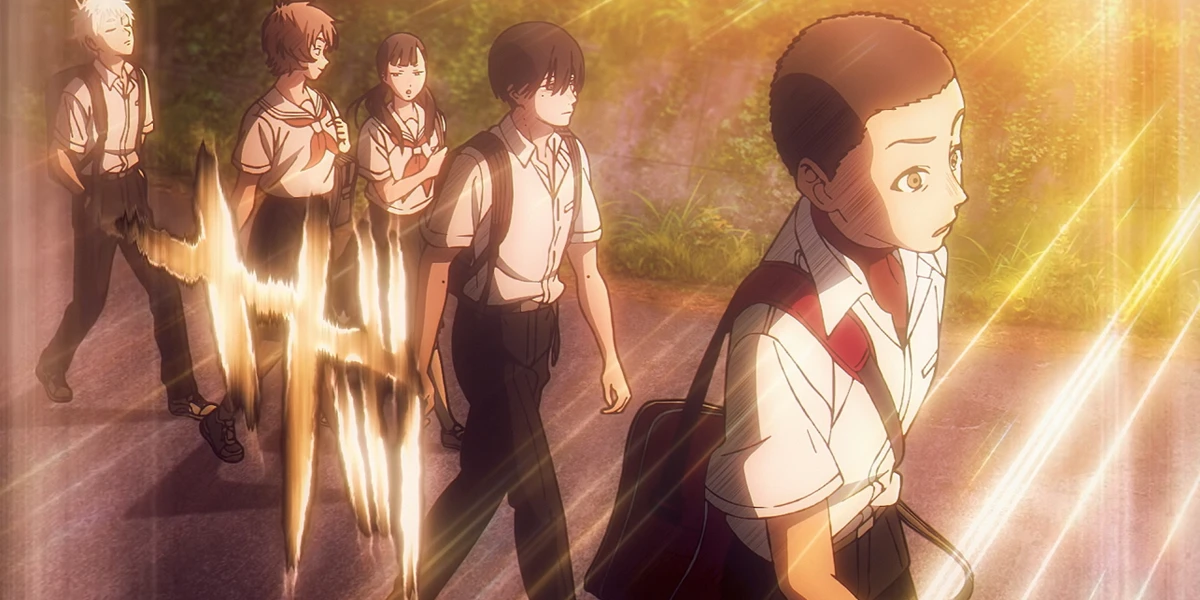
These everyday moments form the sturdy base of their attachment. They sit together under trees, talk about small worries at school, and quietly wonder what their lives might look like after graduation. Hikaru often pushes Yoshiki to speak his mind and step outside his comfort zone, while Yoshiki provides a calm emotional anchor, listening without judgment and offering support in his own understated way. Their bond feels healing for both of them. Hikaru gives Yoshiki courage, Yoshiki gives Hikaru stability, and both find relief from the dull pressure of village life.
Flashbacks in the story emphasize simple but intimate gestures. A hand on the shoulder, shared laughter, and promises to stay together are treated with care. These details do more than build nostalgia. They foreshadow how deep the bond will run later, when things go wrong. Even scenes where one of them pulls the other along a path or they walk side by side on the way home help communicate a sense of safety and belonging. The friendship is not portrayed as a loose connection. It is a lifeline.
The summer incident shatters this delicate balance. When Hikaru returns after being missing, Yoshiki is first overwhelmed with relief, then unsettled by small inconsistencies. Shared memories do not fully line up, reactions come a beat too late, and there is an odd stillness beneath familiar habits. Those cracks mark the shift from carefree friendship into a relationship defined by uncertainty, where Yoshiki must confront the possibility of losing the one person who made life in Kubitachi feel bearable.
After the Summer: From Suspicion to Obsessive Acceptance
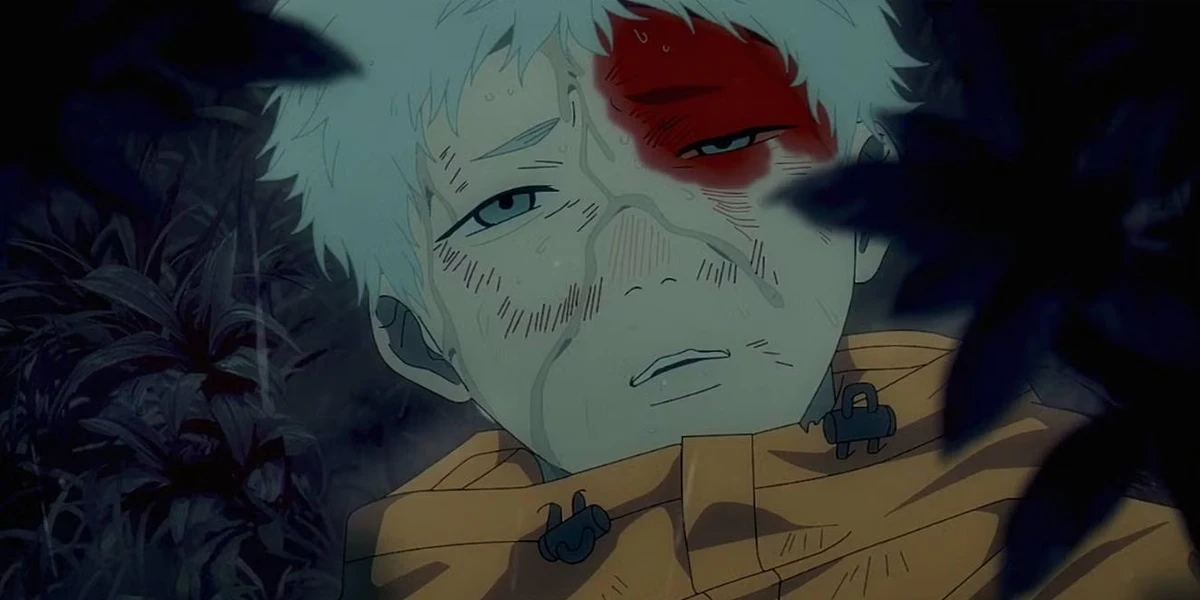
After the mountain incident, the relationship between Yoshiki and “Hikaru” enters a phase of intense inner conflict. Yoshiki carries the trauma of having found Hikaru’s lifeless body on the mountain and the knowledge that his friend died there. At the same time, he is now living beside a being that wears Hikaru’s face, shares his memories, and insists on existing as him. At first, Yoshiki tries to deny what he knows. He tests “Hikaru” through casual conversations, inside jokes, and shared routines, hoping that enough familiar details will prove that nothing is wrong.
The problem is that something is clearly off. “Hikaru” forgets specific moments from their past, misreads certain social cues, or reacts in ways that feel slightly wrong. He might stare into space longer than normal, laugh at the wrong beat, or show a lack of understanding about small human habits. Each of these missteps turns normal interactions into quiet examinations. Every walk home, every shared meal, becomes another chance for Yoshiki to notice that the person beside him is not the boy he once knew.
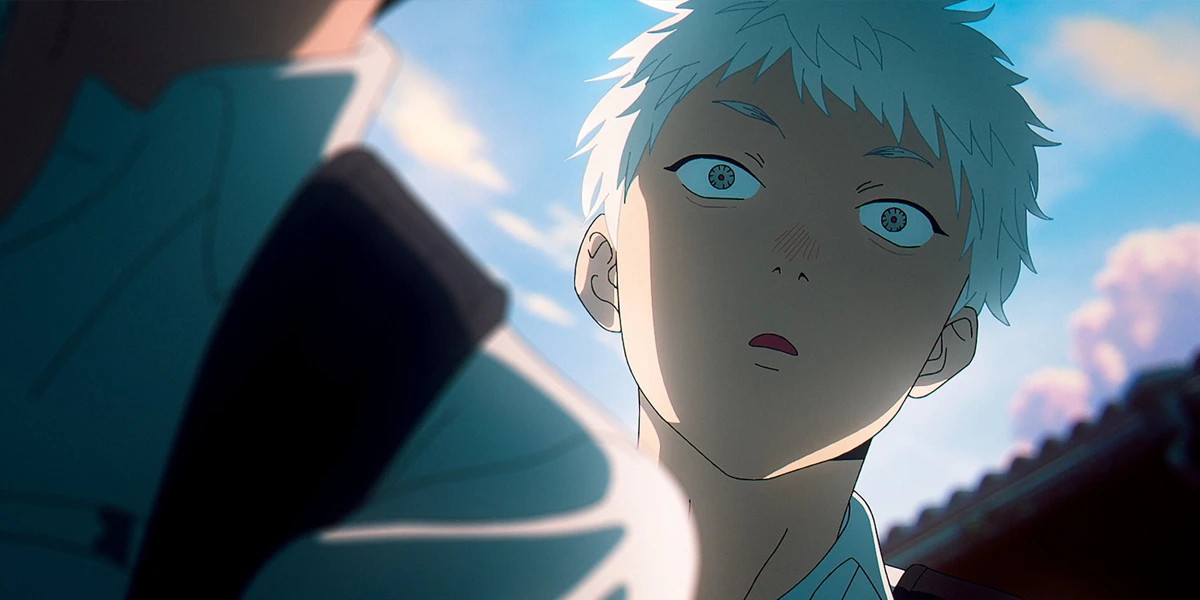
Tension peaks when Yoshiki tries to pull away out of fear and self protection. Confronted with the possibility of abandonment, “Hikaru” loses control and nearly harms Yoshiki, a moment that exposes his inhuman nature in a frightening way. Immediately afterward he is ashamed and distressed, retreating in visible regret. Yoshiki, shaken and terrified, is left with conflicting truths. He knows this being is dangerous and not human, but he also sees that it genuinely cares about him and is struggling with unfamiliar emotions.
From this point, Yoshiki slowly chooses obsessive acceptance. He becomes a caretaker who teaches “Hikaru” how to act more human, from simple table manners to how to talk to classmates. Many of these actions can still be framed as friendship, yet they begin to resemble a form of emotional caretaking that goes far beyond normal loyalty. “Hikaru” leans on Yoshiki for guidance and comfort, and Yoshiki sacrifices his own sense of security to maintain the illusion that they can stay together. What started as suspicion transforms into a deeply entangled bond where fear, love, and denial coexist.
Ambiguous Romance: Guilt, Sacrifice and a Supernatural Bond
The most striking layer of Yoshiki and “Hikaru”‘s relationship appears when guilt and sacrifice blend with subtle romantic cues. For Yoshiki, guilt becomes a driving force. He has seen Hikaru’s real body and understands that his friend is dead, yet he still chooses to live alongside the entity that took Hikaru’s place. Accepting this new “Hikaru” becomes a way to avoid facing the full weight of grief. By protecting the secret and defending “Hikaru” from potential suspicion in the village, Yoshiki tries to hold on to what he has left, even if it means lying to himself and everyone around him.
As he does so, the nature of his feelings shifts. He is no longer just a friend trying to help someone fit in. He is a boy who cannot bear to let go of the person he loves, even when that person is no longer truly human. His late night talks with “Hikaru”, moments of quiet comfort, and willingness to stay close despite fear all suggest an attachment that is deeper than ordinary friendship. Many readers and critics read this as an unspoken romantic love that Yoshiki cannot easily name, especially while living in a small community where same sex relationships are unlikely to be openly accepted.
From “Hikaru”‘s side, the bond is equally intense and even more complicated. The being has Hikaru’s memories and a growing set of personal feelings. It wants to belong, to be loved, and to remain by Yoshiki’s side. That desire shows up through possessiveness, jealousy, and a fierce need to stay close. “Hikaru” experiments with gestures of affection, whether that is holding Yoshiki’s hand a little longer, seeking physical closeness when frightened, or promising to protect him. These attempts do not always match human norms, but they signal that the entity is learning what love means through its connection with Yoshiki.
In a pivotal private conversation, “Hikaru” openly admits that he likes Yoshiki and that his feelings for him are strong. The confession is both sincere and unsettling, because it comes from a being that is not the original Hikaru, yet still speaks with his voice and draws on his memories. Yoshiki breaks down in tears, caught between wanting to accept this confession and knowing that it comes from someone who is a replacement for the boy he once knew. The scene blurs the line between friendship and romance. It turns their relationship into a kind of love story that has been twisted by death and possession.
The result is not a conventional love story with clear declarations and easy labels. Instead, it is a warped form of intimacy where love persists through fear and loss. Yoshiki refuses to let go, even when reality tells him he should. “Hikaru” is afraid of being abandoned and changes his behavior to keep Yoshiki safe and close. Many viewers and critics see this as a queer coded relationship that intentionally avoids simple categorization. The story uses horror elements to magnify questions that surround intense, complicated love. How far can someone go to hold on to a person they love, and what happens when that love is directed at someone who may not be human at all.
Conclusion: Emotional Meaning of Their Relationship
The relationship between Yoshiki and Hikaru in The Summer Hikaru Died of Mokumokuren is a constantly evolving journey. It starts as a gentle rural friendship and gradually becomes a haunting bond charged with guilt, sacrifice, and unspoken romance. This connection does more than carry the plot. It forces viewers and readers to face a painful version of loss, not simply the shock of supernatural horror, but the loneliness that comes from letting go of someone who once defined your world.
Even when the story is at its most frightening, it returns to the same central question. What does it mean to love someone who has changed beyond recognition. Yoshiki chooses to stay with “Hikaru” to soothe his own grief and to protect the fragile connection they still share. The entity that calls itself Hikaru learns how to love and consider another person’s feelings, using Yoshiki as both guide and anchor. Their relationship becomes a mirror for the themes of the series, which include grief, identity, and the difficulty of accepting uncomfortable truths.
On a deeper level, the narrative shows that human feelings can persist and even deepen in darkness. Pain does not automatically destroy affection. Instead, it can transform it into something more complex and demanding. By refusing to state outright whether Yoshiki and “Hikaru” are simply friends or something more, the story invites readers to interpret the bond through their own experiences. The ambiguity is not a dodge. It is a deliberate choice that gives their relationship emotional weight and keeps it open to different kinds of queer and non queer readings.
For fans who feel drawn to this kind of intense and unsettling connection, it can be natural to look for ways to express that attachment in everyday life. One option is to explore curated collections of anime inspired fashion that echo themes of haunting friendship and complicated bonds. If you want a small, everyday reminder of the anime that move you the most, you can browse our anime graphic tee shirts and choose a design that fits your own way of loving these characters.
