
No products in the cart.
Anime
Attack on Titan Hidden Details You Only Notice on a Rewatch
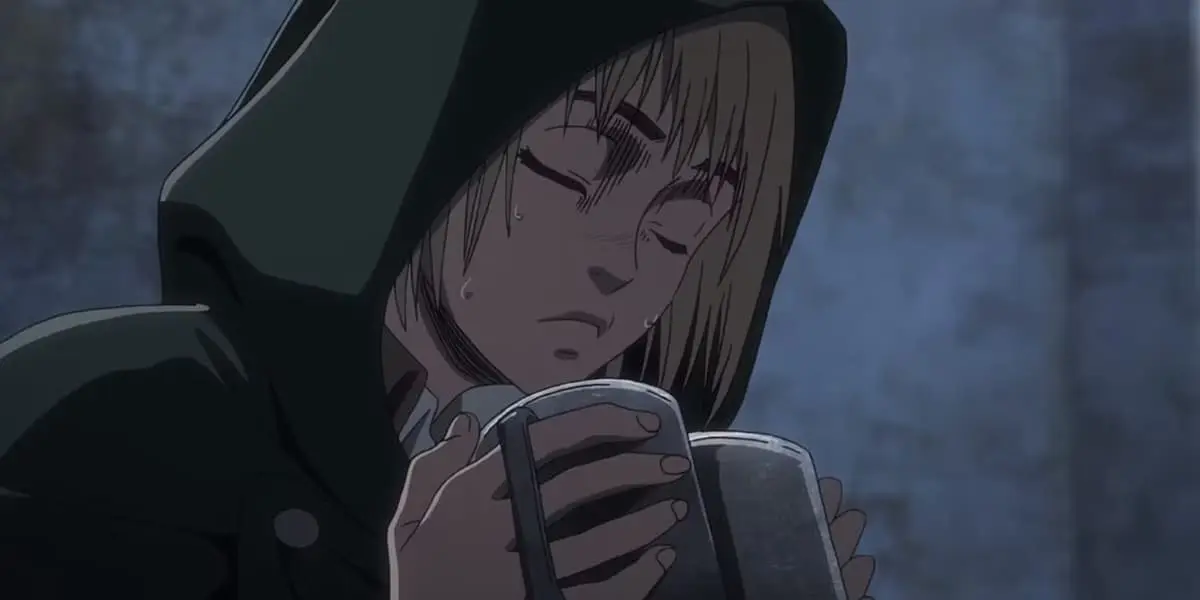
1. Why Attack on Titan almost demands a rewatch
The first time you watch Attack on Titan, everything hits at once. Walls come down, Titans appear out of nowhere, characters die faster than you can remember their names, and every season throws new factions, politics, and history at you. You are too busy reacting to keep track of every small thing that passes by in the background.
On a rewatch, the experience flips. Because you already know the big twists, your brain finally has room to notice the quiet things. A throwaway line that sounded casual now feels loaded. A strange camera angle suddenly looks like a hint. A random extra in the crowd turns out to be someone very important who was standing there the whole time. This guide walks through some of the most striking Attack on Titan hidden details that only really land once you know where the story ends.
If it has been a while since you last visited the Walls, it helps to pair your rewatch with a quick refresher. Something like Attack on Titan: What to Remember Before a Rewatch can reset the main plot points, factions, and timelines so you can focus fully on the little details this time around.
2. The very first episode is packed with quiet hints
The series premiere does not just show a peaceful day in Shiganshina before disaster hits. It already plants a lot of seeds that only really stand out when you come back later.
The opening scene with Eren waking up from a long dream is a good example. He wakes up crying and cannot explain why, and Mikasa is confused when he mentions her hair looking longer. On a first watch, that feels like a strange mood piece. Once you know about the Attack Titan, the Paths, and the way future and past memories can bleed together, the scene reads much more clearly as Eren glimpsing parts of what is to come, even if he cannot hold on to those images when he wakes up.
The so called Wall religion also lands differently once you know the truth about the Titans and the Founding Titan. Early on, you mostly see followers preaching that the Walls are a gift from God and must not be touched. Later you learn about the Titans hidden inside the Walls and the way the royal government used faith to help cover up that secret. The sermons in the background suddenly feel less like flavor text and more like deliberate misdirection built into the world.
Even Grisha Yeager comes across differently when you rewatch. At first he just seems like a slightly distant father who is often away and who promises to show Eren the basement “when he gets back.” Once you know his history, his mission, and what is actually in that basement, every calm line he delivers in episode one carries a heavy amount of pressure underneath.
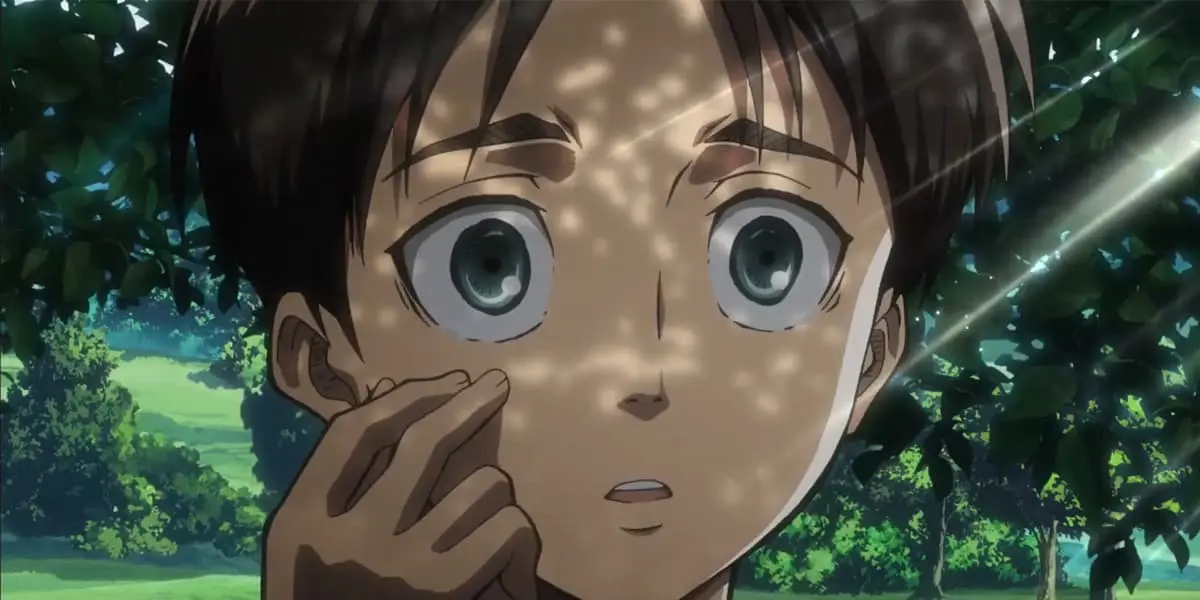
3. Training arc foreshadowing and early clues about Titan shifters
The 104th Training Corps arc looks light compared with the battles that come later, but it is full of subtle clues about who is really standing next to Eren.
One famous moment is when Eren falls and hits his head during training. If you look closely in the anime, you can see a faint trail of steam rising from his head as he recovers. The first time through, you probably write that off as a bit of animation flair. Once you know about Titan healing, that tiny effect feels like the show quietly confirming that something is already different about him long before he ever transforms in Trost.
The way Keith Sadies talks to certain students is another early flag. He notes that some of them already look like people who have been through real hardship before they even arrive at camp. Later materials make it clear that Reiner, Bertholdt, and Annie entered the Walls as refugees after the fall of Wall Maria and had already experienced war and infiltration long before they signed up as cadets. On a rewatch, each casual remark about their background hits much harder.
Reiner in particular drops many hints during this period. He talks about “home” in a way that does not match the situation inside the Walls, and the way he carries himself feels more like a soldier on a mission than a kid trying to escape poverty. The first time, you may just see him as a reliable big brother type. The second time, that same attitude looks like someone struggling to keep his cover story straight.
4. Background cameos and silent moments that say a lot
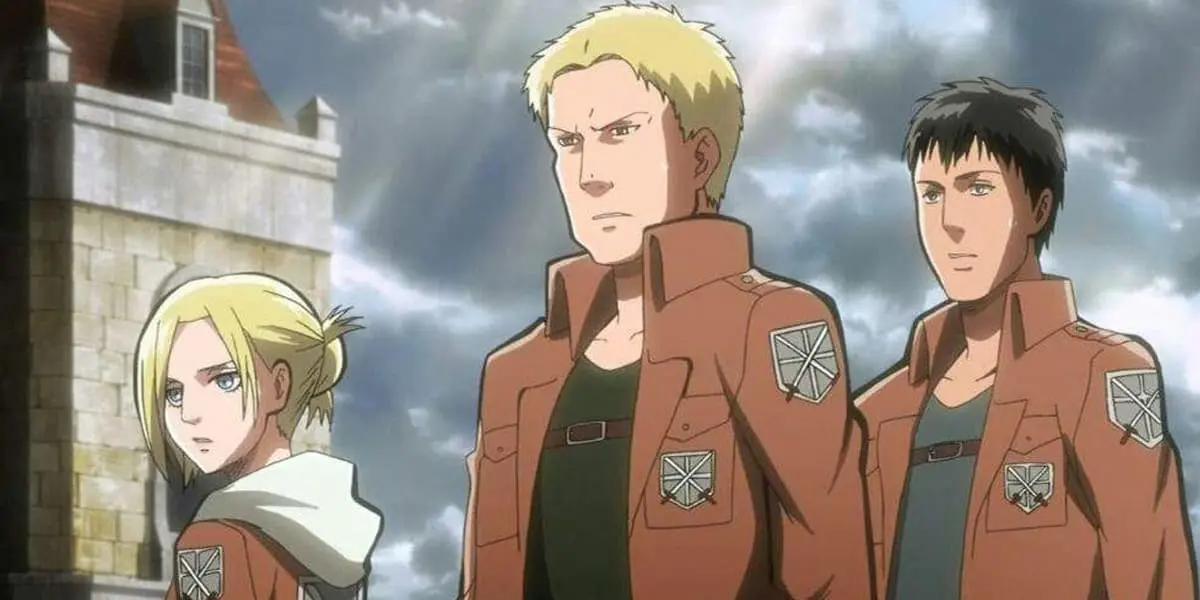
Attack on Titan loves to hide major characters in plain sight. After the fall of Wall Maria, Reiner, Bertholdt, and Annie slip into the interior by posing as refugees, blending into crowds of terrified survivors. When you rewatch those scenes knowing who they are and what they did, you cannot unsee how often the camera quietly lingers on their faces in the middle of the chaos.
There are many other background moments like that. Ymir watching people, Historia reacting to her, and various members of the Military Police standing in meetings without speaking all start to feel more loaded once you understand their roles in the bigger picture. What looked like random crowd shots become tiny clues for the future story.
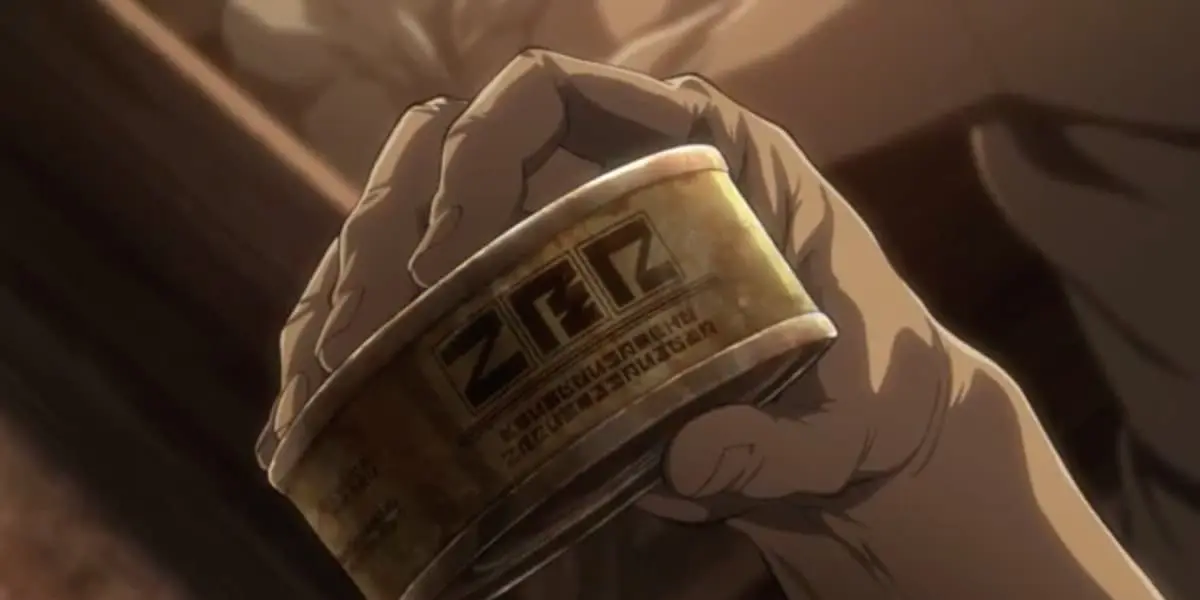
Utgard Castle is another strong example. In that arc, Ymir finds a can of food in the storeroom and casually reads the label out loud. Reiner cannot read the writing at all, and he is clearly unsettled that she can. The first time through, the scene just looks like hungry soldiers raiding supplies in an abandoned tower. After you know there is a whole world across the sea with different languages and nations, that awkward little moment at the castle plays like an early hint that both Ymir and Reiner are tied to something outside Paradis.
There is also a brief cut during the same arc where Bertholdt looks like he is about to bite his hand at the top of the tower when everything is collapsing. Nothing comes of it in the moment, but if you pause and remember who he really is, the idea that he almost transformed there is terrifying. A small animation choice turns into a window into his stressed mental state.
5. Visual motifs and mirrored scenes across the story
Because the plot is so dense, it is easy to miss how often Attack on Titan repeats specific visual motifs. The show likes to reuse similar camera framing and poses at different points in the story, so that a scene later in the timeline quietly echoes an earlier one.
The recurring shots of birds and the open sky are the clearest example. On your first watch, they are mostly just striking images that break up the action. On your second, they are hard to separate from Eren’s obsession with freedom and from the larger question of what “freedom” even means in a world where Titans, walls, and inherited memories all limit people in different ways.
The series also loves to place characters in the same positions years apart. Eren as a child looking up at the sky beyond the Walls and Eren later in his life staring out at the ocean share a similar framing, but the energy of those two moments is completely different. Rewatching lets you stack those scenes on top of each other in your head and really feel how far the characters have drifted from where they started.
Even battles get this treatment. Certain punches, throws, and grapples repeat between Titan fights, sometimes reversing who has the upper hand. What might have looked like pure spectacle the first time can feel like a visual conversation between past and present once you know how each fight ends.
6. Simple lines that sound like prophecy once you know the ending
Attack on Titan is full of lines that hit very differently after you finish the story. The most obvious ones belong to Eren himself. Early on, his angry vow to “wipe out every last Titan” comes across as standard shonen rage from a traumatized kid. After you have seen the Rumbling, those same words are almost painful to hear, because you know how far he will take that desire to destroy the enemy.
Commander Erwin’s questions are another good case. When he asks who the real enemy is, it initially just sounds like a smart commander pushing his soldiers to think. Later, once you have learned about Marley, Eldia, the royal family, and the cycle of violence outside the Walls, that simple line becomes the core of the show’s moral conflict. Is the enemy Titans, a particular nation, or something deeper in human nature and history.
There are plenty of smaller lines that gain weight on a rewatch too. PIXIS talking about how people only unite in the face of something truly overwhelming, Hange’s curiosity about Titans pushing against the horror of what they do, or Armin’s early idealism about seeing the outside world all feel sharper once you know where each of them ends up.
A second viewing turns these bits of dialogue from cool quotes into signposts that were always pointing toward the ending. You just did not have the full map in your head the first time.
7. Early hints that the world is much bigger than the Walls
By the time the story reaches Marley and shows the world across the sea, most viewers have already felt that something larger must be going on. A rewatch makes it very clear that the anime was nudging you in that direction all along.
Back at Utgard Castle, that herring can Ymir reads is not just a weird pantry item. The fact that most soldiers cannot read the label and that Reiner reacts so strongly when she can is one of the earliest on screen hints that there is a different language and a different culture outside the Walls. It is a tiny moment that quietly points to a world beyond Paradis long before characters ever set foot on a ship.
Other small notes add up too. The technology level of the equipment, the way some people talk about trade and politics, and the sense that the Titans themselves are not just mindless monsters all suggest there is a bigger system behind the nightmare you see in season one. You may feel that in your gut on a first watch, but it becomes crystal clear on a second go through.
Seen this way, the early seasons are not just about survival inside the Walls. They are about living in a cage built on half truths, where even the maps and history books have been edited. Rewatching with that in mind makes the reveal of the outside world feel less like a sudden twist and more like a door you have been slowly walking toward for dozens of episodes.
8. Levi, Mikasa, and Erwin in the smallest gestures
Some Attack on Titan characters wear their hearts on their sleeves. Others, like Levi, Mikasa, and Erwin, are built out of smaller gestures. A rewatch gives you time to pay attention to the little things they do between the big speeches and battles.
With Levi, the details are in the pauses. The way he looks at his own hands after a mission, the quiet moments he spends beside injured comrades, or the rare times his voice actually cracks all show you how much he is carrying, even when he hides it behind blunt orders and deadpan comebacks.
Mikasa’s feelings rarely come through in long monologues. Instead, you see them in where she stands, who she shields, and how she reacts when Eren or Armin are in danger. There are scenes where she steps forward without thinking, and others where she forces herself to step back and let them choose their own path. Those shifts are easy to miss when you are focused on pure action, but on a rewatch they map out her entire emotional arc.
Erwin might be the clearest case of a character who lives in small looks. His eyes change when he talks about the basement, about the truth of the world, or about his father’s death. The tension between his personal curiosity and his responsibility as commander is baked into every calm line he delivers. If you want to unpack that further, it is worth giving him, Levi, and Mikasa their own dedicated read such as why Levi, Mikasa, and Erwin resonate so strongly with adult Attack on Titan fans.
9. Turning a rewatch into a small ritual for fans
For a lot of fans, rewatching Attack on Titan stops being a simple “I should catch up again” and becomes more like a ritual. Some people start over from episode one every time a friend watches it for the first time, just to see how their own reactions have changed. Others wait a year or two and then dive back in with fresh eyes and a better sense of where the story is going.
The ritual does not only live in the episodes themselves. It can be the habit of putting on a specific opening song while you cook, scrolling through old fan art, or rewatching one or two favorite fights before bed. The little details you pick up on each time join your own collection of inside jokes, theories, and emotional scars that only other fans really understand.
Many people also carry the series with them into daily life. A background image on a phone, a quote that pops into mind at random moments, or a small piece of clothing that only other fans recognize can all be part of that connection. It is a way of keeping a bit of the Survey Corps energy close, even when you are just running errands or commuting to work.
When you think about it that way, a rewatch is not just about remembering the plot. It is about checking in with a story that has grown with you and seeing what new details hit you now that you have changed too. Some of the best Attack on Titan hidden details only click when you are in a different place in your own life.
10. Carrying the Walls with you after the credits
Coming back to Attack on Titan with everything in mind does more than help you catch foreshadowing. It changes how you read the entire story. Titans stop being just monsters at the gate. Marley and Eldia stop being simple “enemy nations” and start to look like two halves of a long, ugly history. Lines that once felt cool now feel tragic or complicated.
Those tiny details that only click on a rewatch are a big part of why the series lingers for so long. They turn the show into something you do not just watch once and move on from, but something you keep turning over in your head, noticing new angles each time.
If you are the type of fan who likes to bring a bit of that world into your everyday outfits, you can always look toward an Attack on Titan graphic tee collection that lets you keep things subtle. Most people will just see a cool anime shirt. The ones who recognize the Wings of Freedom or a certain scene will know they have found another member of the same regiment.
