
No products in the cart.
Anime
Attack on Titan Recap: What to Remember Before You Rewatch
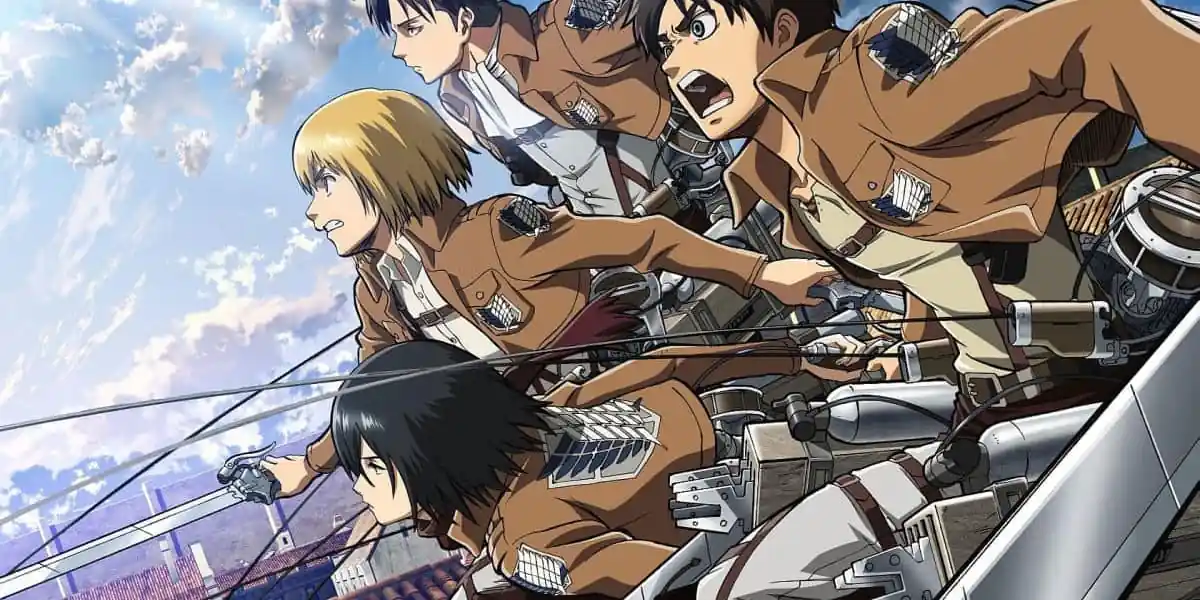
The world inside the Walls: Titans as the only enemy and a simple dream of freedom
On your first encounter with Attack on Titan, the setup looks simple. Humanity lives behind three massive walls, Maria, Rose, and Sina. Titans roam outside. People believe they are the last humans left and that Titans are the only threat. The Survey Corps rides out beyond the Walls and most of them never come back.
The first big shock is the fall of Shiganshina, the breach of the Wall, and Eren watching his mother die in front of him. At that point the story feels like a straightforward survival tale. There are Titans, there are humans, and there is a boy who wants revenge and freedom. Eren, Mikasa, and Armin join the military with a clear goal in mind: kill Titans, take back land, push the front line outward.
The important thing to keep in mind for a rewatch is that everything the characters believe at this stage about Titans and the world is just the surface. The people in charge inside the Walls, from the king downward, are actively keeping citizens in a carefully shaped illusion. Once you know that, going back to the early episodes feels very different. Lines from older characters like Hannes, Pixis, Shadis, or even certain looks from Erwin stop sounding like background chatter and start looking like hints.
At this point Eren, Mikasa, and Armin also have a very simple idea of “freedom.” It means going beyond the Walls, seeing the outside world, and touching the ocean. They treat the world beyond the Walls almost like a legend. Holding that in your head when you rewatch makes the later seasons much more painful when that dream crashes into reality.
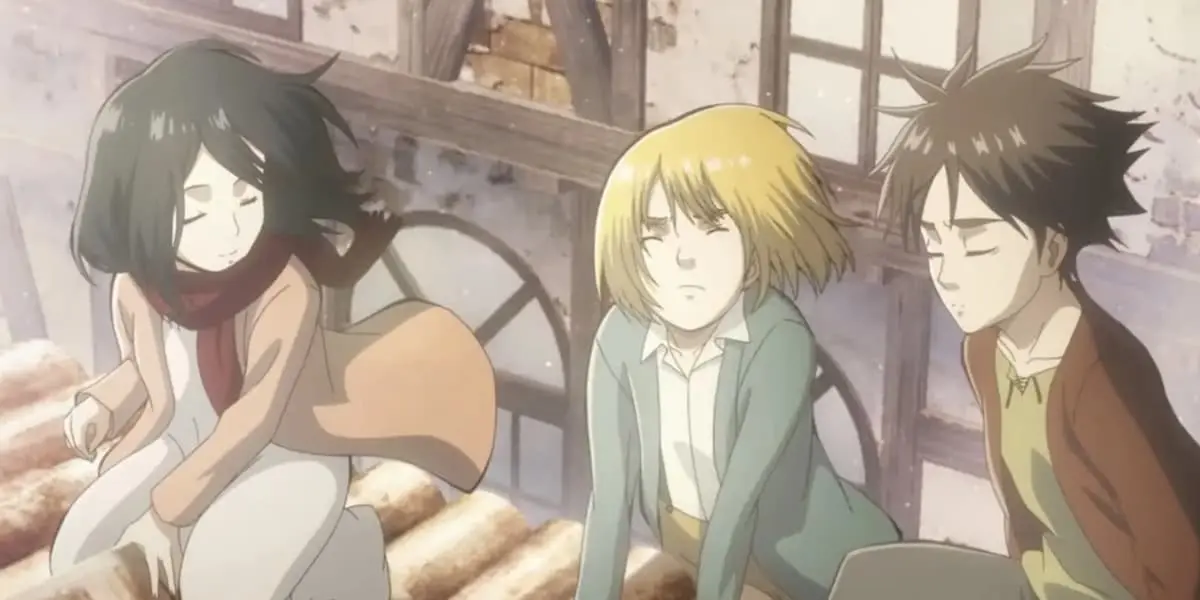
From nameless monsters to the truth about Titans and the Marley–Eldia conflict
One of the biggest turning points in Attack on Titan is realizing that Titans are not mindless monsters born that way. They are people who have been turned into Titans. From the start the anime teases that some Titans are different. There are special Titans with intelligence and strategy. It is only when the truth about Reiner, Bertholdt, and Annie comes out that the picture really cracks open.
Characters you thought were comrades turn out to be warriors sent from outside the Walls. They are not from some vague Titan realm. They come from a very real nation with a military program, propaganda, and specific objectives. Titan shifters are weapons in a geopolitical arms race, not just urban legends.
Alongside that reveal, the story moves into the wider history of Marley and Eldia. Eldians once ruled using the power of Titans and left deep scars on the rest of the world. After the balance of power shifted, Eldians became the people who were herded into internment zones, branded as devils, and kept under harsh control. Marley uses some Titans as tools to maintain its own status while keeping Eldians under its heel.
The key recap point is this: the people inside the Walls are Eldians who were isolated on the island of Paradis and fed a rewritten version of history. The story changes from “humans versus Titans” to “a long loop of hatred between nations, with Titans as the tool.” Titan shifters you meet early on stop being simple villains. They become victims and products of a history they never chose.
On a rewatch, if you look at Reiner, Bertholdt, and Annie through that lens, a lot of scenes that used to be purely infuriating turn into something closer to tragic. And if you want to stay in that mood, you can follow up with an emotional ranking of how each Titan shifter feels on screen, now that you know what they are all carrying.
The Yeager basement and Historia: truth, bloodlines, and the price of the Walls
The mission to retake Shiganshina is not only about reclaiming territory. The real prize is the key to the Yeager family basement. For a long time that room is treated like a distant mystery, and when it finally opens, it changes everything.
What they find there is not a super weapon. It is journals, documents, and photographs from the outside world. Those pages flip the table on what both characters and viewers thought they knew about “humanity,” Titans, and the Walls. It is the moment the story steps off the island and points directly at the rest of the world.
Running parallel to that is Historia’s story. She is not just another recruit or a background “nice girl.” She is an illegitimate daughter of the royal family, a person the government wants to use or erase. Through her you see how memory, history, and power have been manipulated to keep the society inside the Walls calm and controllable.
That ties into the Founding Titan. Its full power is tied to royal blood. Eren holds the Founding Titan but does not have that bloodline, so his connection to people who do, like Historia and Zeke, becomes the key to everything in the final act. If you are fuzzy on that link, it is easy to feel confused later when plans start stacking on top of each other in the Final Season.
On a rewatch it is worth paying attention to how older, powerful characters react when news of the basement and of Historia’s true identity surfaces. Small changes in expression and tone turn into early warnings once you know just how much they have been hiding.
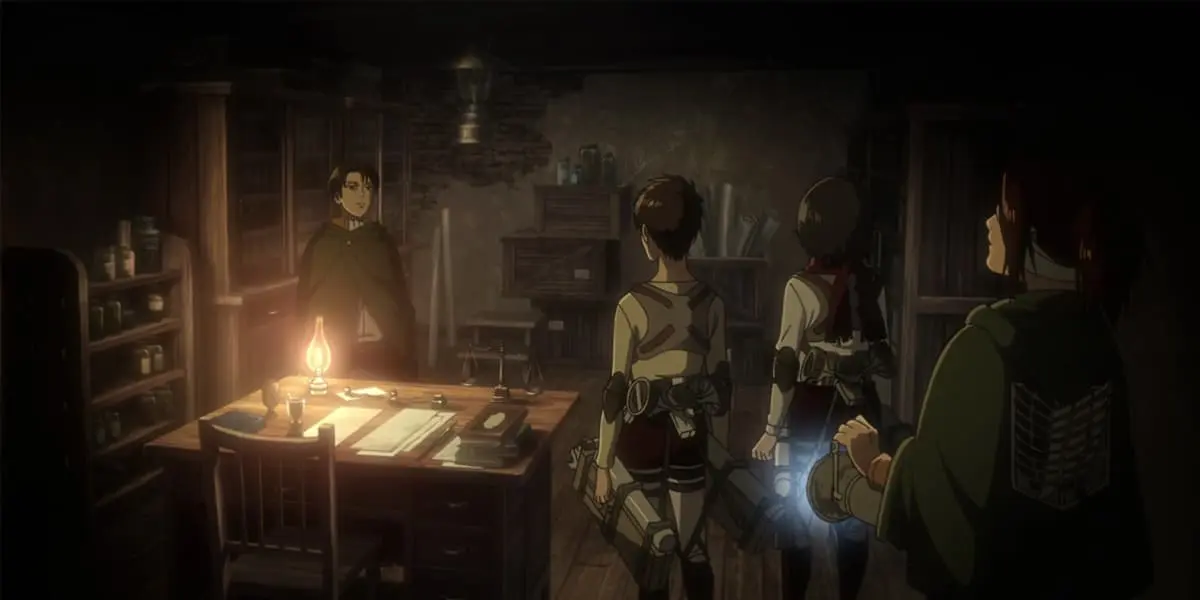
Eren’s path: from killing Titans to triggering the Rumbling
If there is one emotional thread that runs from the first episode to the last, it is Eren and his idea of freedom. Getting that thread clear in your head makes the later seasons easier to follow.
At the start, Eren is a boy who watched his mother die and his home vanish. Freedom for him is straightforward. It means killing every Titan, pushing them away from the Walls, and leading people to the ocean. His motivation feels pure and easy to support.
Everything becomes more complicated once he discovers he is a Titan shifter. He turns into a strategic asset that everyone wants to control. Across the Female Titan arc, the coup in the Walls, the trial, and his imprisonments, Eren’s relationship with the military shifts. He sees that he is never completely free, not even among his own side.
When the basement is opened and the truth about the wider world is revealed, Eren learns that Titans are not the only enemy. There are still many humans out there, and to them, Eldians are the devils. When he eventually crosses the sea and infiltrates Marley, he feels like a different person. He is quieter, colder, and more willing to act on his own. The anime does not narrate all his inner thoughts, but his presence changes enough that you know something has snapped.
The alliance with Zeke complicates things even more. Zeke brings his own extreme idea of saving Eldians by ending their ability to have children. For a while it looks as if Eren is with him. In reality, Eren is aiming at another extreme. He wants to unleash the Rumbling, take control of the Founding Titan, and send the Wall Titans marching over the rest of the world.
On a rewatch, listening carefully to the way Eren talks about freedom, enemies, and the future at different stages can be chilling. Lines that once played as simple determination start to sound like warnings of what he eventually decides to do.
The people orbiting Eren: Mikasa, Armin, Levi, Reiner, Zeke and a story too big
A good rewatch is not only about remembering what Eren does. It is also about remembering where everyone around him stands when things start sliding off the rails.
Mikasa, as explored more deeply in other essays, is the person who stands closest to Eren and the one who has to face the possibility of a world without him. She is not just his bodyguard. She is someone forced to choose between clinging to the boy who saved her and accepting a brutal decision to end the nightmare.
Armin grows from the fragile kid into the person who carries the Colossal Titan. That responsibility pushes him into far colder choices than he ever wanted to make. He has always looked for gentle solutions, but he learns that sometimes no option is truly gentle.
Levi enters the later stages of the story broken in body and worn down in spirit. He carries Erwin’s legacy and promises made to the dead, yet he still has to operate in a world where alliances flip and the line between ally and enemy keeps moving. He is no longer just the captain on the front line against Titans. He is someone who has to decide how to face Eren himself.
Reiner becomes a portrait of a warrior eaten away by guilt. He is trapped between duty to Marley and the weight of what he did in Paradis. His dissociation, exhaustion, and flirtation with giving up are hard to watch, especially when you recognize bits of real burnout in him.
Zeke carries a logic all his own. He believes the way to save Eldians is to quietly erase their future. His plan collides directly with Eren’s idea of freedom. They are brothers tied to the same father and similar childhood pressures but answering the central question of the story in two completely different ways.
On a rewatch, if you stop seeing these characters as “Eren’s side” or “Marley’s side” and instead view them as individual people trying to survive a story that is too big for any of them, the whole anime shifts tone. If that perspective resonates with you, it is worth checking out a character focused essay on Levi, Mikasa, and Erwin from an adult point of view to keep following that thread.
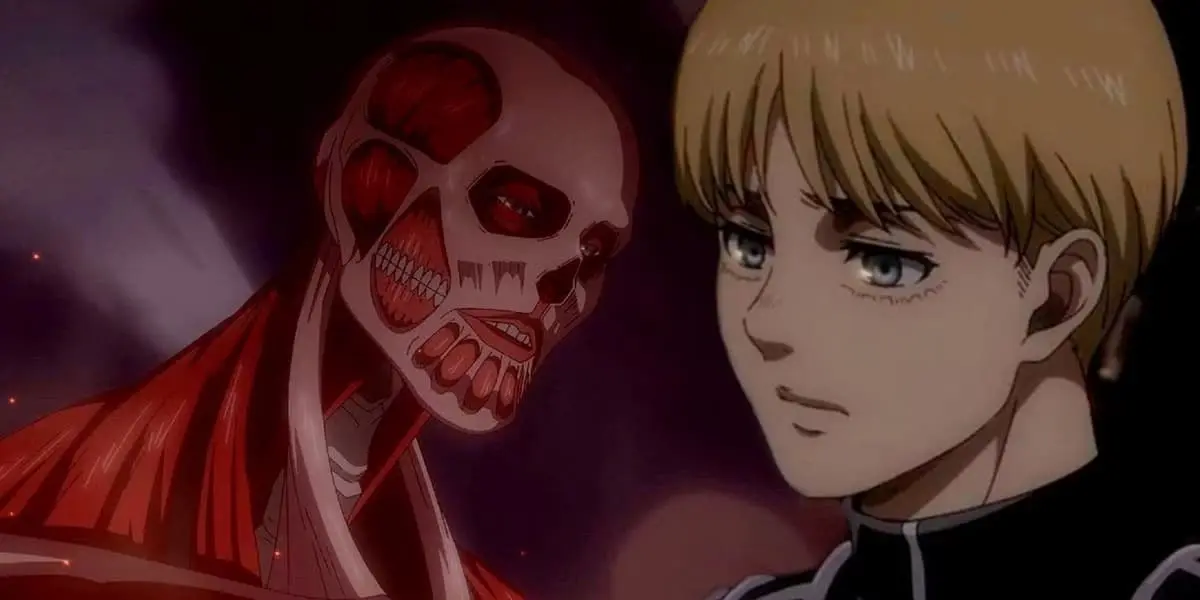
The Final Season and the Rumbling in one long breath
By the time you reach the Final Season, everything converges. Eren gains control of the Founding Titan’s power. He chooses to trigger the Rumbling, waking the Wall Titans and sending them across the world.
At this point the story is no longer about picking a simple side. Former enemies have to sit at the same table. Old comrades have to decide whether they can still stand with Eren. A shaky alliance forms around a single desperate goal: try to stop a disaster that feels unstoppable.
The last battles are not just fights against Eren. They are confrontations with the entire weight of history, hatred, memories, promises, and dreams of freedom that led to this moment. The ending does not hand you a clean, peaceful world. It leaves you with a strange new reality where the immediate crisis is over, but the scars and the fear are still very present.
The feeling the anime leans into here is a mix of helplessness and lingering guilt. The question “could this have gone any other way” hangs over everything. Attack on Titan never gives a neat official answer. It shows you the cost and lets that question sit with you long after the credits roll.
What to watch for when you rewatch Attack on Titan
Once the big picture is clear again, your next viewing can focus more on the small details that are easy to miss the first time.
You can track the hints about Reiner, Bertholdt, and Annie during the early seasons, from the way they react to Titan attacks to offhand lines that suddenly sound different. You can reexamine how Grisha behaves with Eren, especially the times he seems more intense than the situation calls for, knowing now what he did before settling inside the Walls.
It is also worth paying attention to the quiet moments with Historia that at first glance look like simple character beats but are actually foundations for her royal role later. The same goes for Levi, Mikasa, and Erwin. A lot of their truth is not in their speeches or fights but in how they sit, how they listen, and how they fall silent.
Visual motifs like the ocean, birds in the sky, and repeated lines about freedom take on new meaning when you know where the story ends. If you enjoy connecting those threads, pairing this recap with a full guide to the tiny Attack on Titan details you only spot on a second viewing can turn your rewatch into a very different experience.
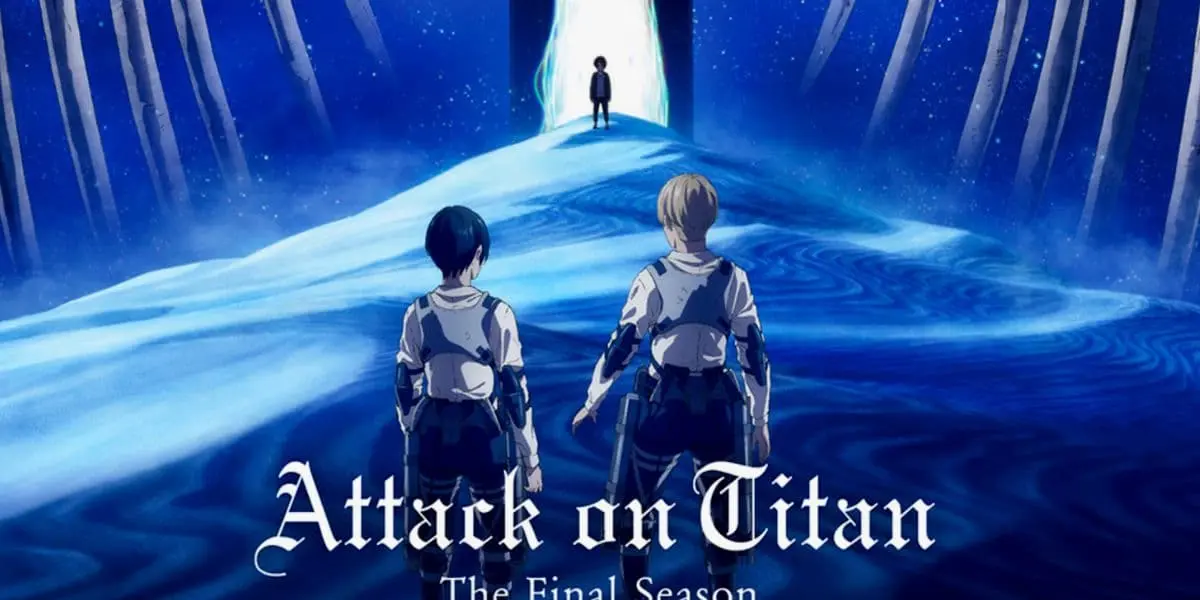
From Attack on Titan recap to rewatch, and carrying anime into daily life
Now that you have refreshed the Walls, the truth about Titans, the Marley–Eldia conflict, Eren’s path, and where the key players stand, you should be ready to jump back into Attack on Titan without feeling lost. The next rewatch can be less about “what happens” and more about “why it hurts the way it does.”
On this run you are not chasing twists. You are watching how each character walks step by step toward their final choice. From there you can slide into more focused reads. Maybe you want to compare how each Titan shifter feels on screen, or maybe you want to sit longer with the adults who shoulder the hardest decisions.
And if you are the kind of fan who likes to bring a bit of Attack on Titan into everyday life, even a subtle piece of clothing can be a quiet nod to the series. A tee with a low key Survey Corps mood or a design that only other fans will recognize is often enough for that silent “I see you” moment in the wild. When this recap lives on the blog, it makes sense to end with a soft pointer toward a small Attack on Titan graphic T shirts collection for everyday wear so readers who feel that pull can explore a few options that match the story they just revisited.
In the end, a rewatch of Attack on Titan after you have been through your own share of chaos can turn into a quiet check-in with yourself. The way you look at Eren, Levi, Mikasa, Erwin, and everyone caught between them says a lot about where you are in your own journey. Sometimes simply realizing that your answer has changed since the first time you watched is the most honest recap of all.
