
No products in the cart.
Anime
Silver Crystal Explained: Power, Emotion, and Symbolism
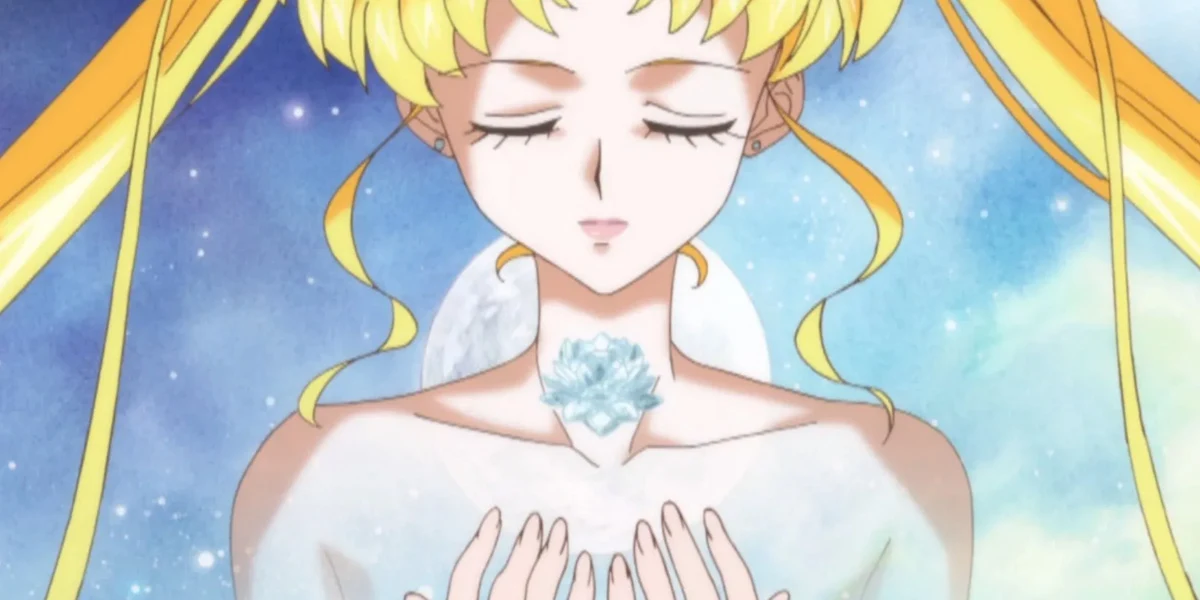
The Silver Millennium and the Crystal’s Royal Origin
The Silver Crystal is not simply a powerful artifact embedded in Sailor Moon’s mythology. It is the metaphysical core of the Silver Millennium. Its full significance only becomes clear when viewed within the broader cosmic structure of the Sailor Moon universe. In both manga and 90s anime, it functions as the source of Queen Serenity’s authority and the sustaining force of the Moon Kingdom. But the two versions frame its origin with different emphasis.
The anime often treats the Crystal as a sacred heirloom, almost fairy tale in tone. It is luminous, mysterious, and passed down as destiny. The manga, by contrast, leans harder into its cosmic dimension. The Silver Crystal is not only royal inheritance but a fragment of something primordial, tied to the star seed concept that becomes central in the Stars arc. It is less an object and more a crystallization of cosmic order.
The association with the moon is crucial. Across mythologies, the moon is linked to reflection, cycles, and feminine divinity. Unlike the sun, which projects outward, the moon reflects light. The Silver Crystal echoes that symbolism. It does not generate brute force in isolation. It responds, refracts, and amplifies.
This origin matters because it situates the Crystal outside conventional weapon logic. It is not forged to conquer. It exists to sustain harmony. The fall of the Silver Millennium in the Dark Kingdom arc underscores this. When the kingdom collapses, it is not because the Crystal lacks power, but because harmony itself is disrupted. The Crystal’s function is restorative rather than aggressive.
Emotional Resonance and Usagi’s Inner State
The most distinctive quality of the Silver Crystal is its dependency on Usagi’s emotional condition. This connection reflects her deeper character evolution rather than a simple increase in power. In many shonen narratives of the 1990s, ultimate weapons are unlocked through training, rage, or hidden lineage. Their activation signals a surpassing of human limits through sheer force.
The Silver Crystal behaves differently. In the Dark Kingdom arc, it awakens through grief and love. It does not respond to tactical precision. It ignites when Usagi refuses to sever emotional bonds. The manga makes this dynamic more physically taxing. Overuse harms her body, implying that emotional intensity carries cost.
In the Black Moon arc, the Crystal is tied directly to Crystal Tokyo’s stability. Its resonance sustains an entire future civilization. Yet when that future falters, the issue is not mechanical failure. It is distortion of emotional equilibrium. The Crystal mirrors Usagi’s maturity. As she grows more centered, its power becomes less erratic.
The Infinity arc complicates this relationship further. When confronting Sailor Saturn’s apocalyptic role, the Crystal does not negate destruction outright. It coexists with it. Usagi’s willingness to trust in rebirth rather than dominate the outcome reflects a shift in her emotional intelligence. The Crystal’s output aligns with that shift.
This is what separates it from conventional ultimate weapons. It cannot be wielded effectively through dominance. It requires self awareness. Its power scales not with aggression, but with empathy.
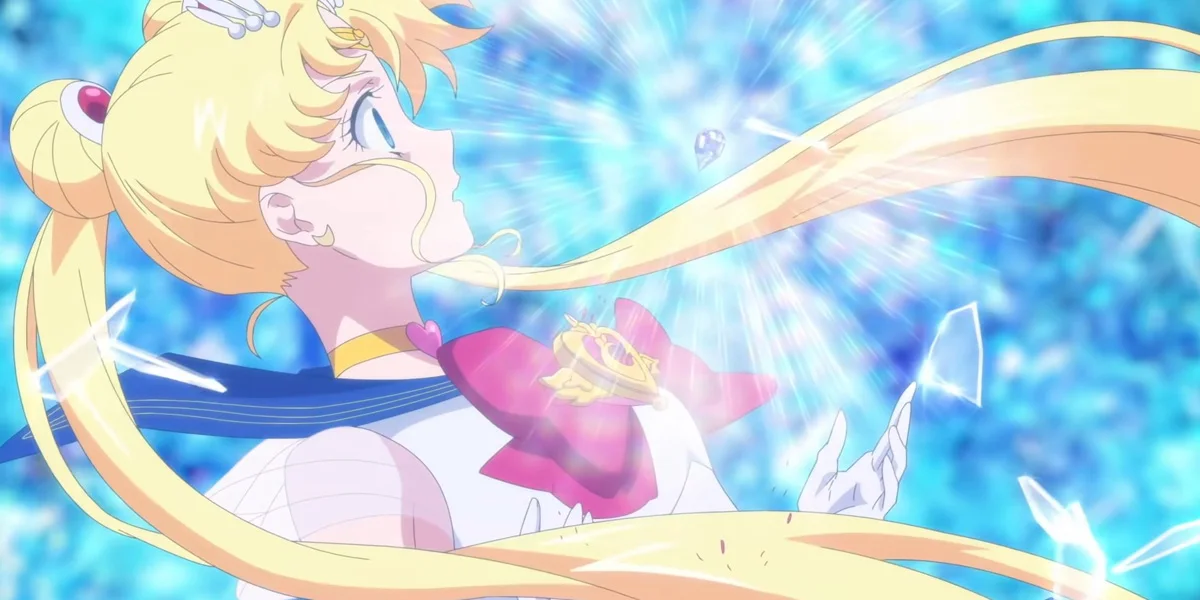
Empathy Over Dominance
In 90s anime culture, the climactic weapon often symbolizes supremacy. The strongest attack defeats the antagonist, ending conflict through decisive superiority. The Silver Crystal resists this paradigm.
Even in the Stars arc, when Sailor Galaxia embodies overwhelming cosmic corruption, the Crystal’s function is purification rather than obliteration. This difference is philosophical. It implies that evil is not an opposing faction to be crushed, but a distortion to be realigned.
The 90s anime sometimes softens this with dramatic final blows, yet the underlying message remains intact. Usagi does not seek annihilation. She seeks restoration. In the manga, this principle is even clearer. The Crystal’s light restores star seeds and reconnects fractured identities.
Empathy is therefore not a sentimental add on. It is structurally embedded in the Crystal’s metaphysics. Without emotional connection, it cannot reach full expression. This redefinition of strength was unusual in its era. It proposed that the most potent force in the universe is not domination, but relational integrity.
Such framing aligns with spiritual traditions that associate purity with clarity rather than moral rigidity. The Crystal’s luminosity suggests transparency. It reveals rather than overwhelms. In that sense, it functions more like a sacred relic than a weapon.
Sacrifice, Rebirth, and Lunar Symbolism
The Silver Crystal repeatedly demands sacrifice. In the Dark Kingdom arc, its activation leads to self destruction before restoration. In Black Moon, the stability of Crystal Tokyo hinges on a life sustained through its energy. In Infinity, its light coexists with the necessary end that Sailor Saturn represents. In Stars, it confronts Chaos itself.
This pattern mirrors lunar cycles. The moon wanes and waxes. It disappears and returns. The Crystal’s power follows a similar rhythm. It burns intensely, collapses, and reemerges. Rather than representing linear escalation, it symbolizes cyclical renewal.
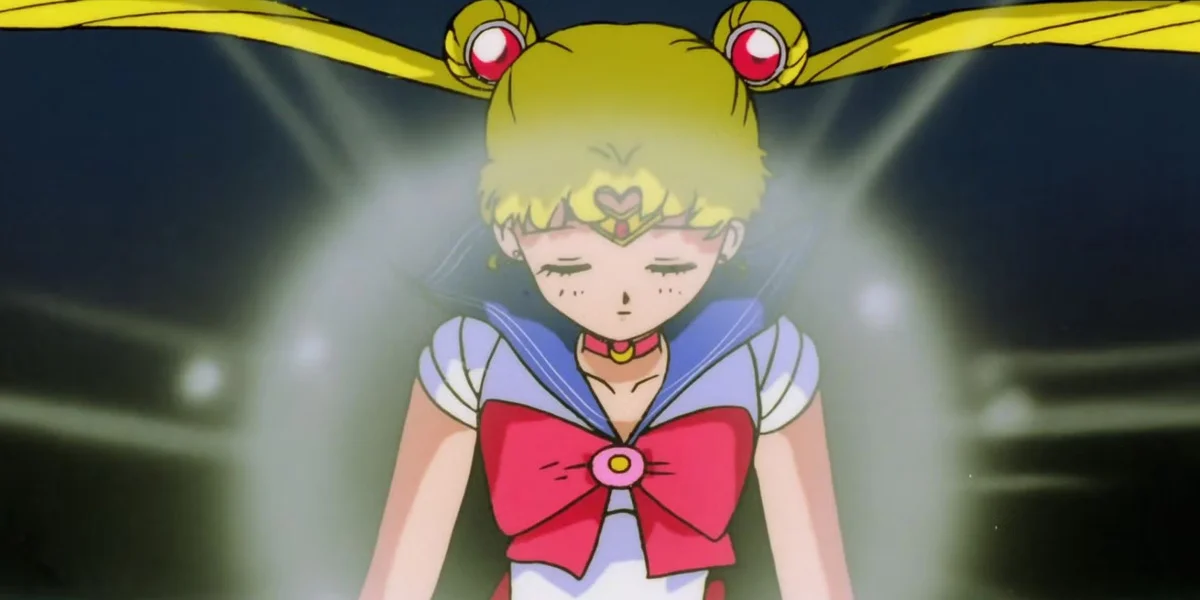
In mythic terms, the moon is often linked to feminine divinity, intuition, and hidden strength. The Silver Crystal embodies these associations. It does not radiate constant brilliance like a solar emblem of conquest. Its glow is softer, but enduring. It works through phases.
Sacrifice in this framework is not martyrdom for spectacle. It is transformation. Each time the Crystal shatters or overwhelms Usagi, the narrative reframes destruction as prelude to reintegration. The Infinity arc especially emphasizes this through Saturn’s role as both destroyer and midwife of rebirth. The Crystal does not negate Saturn’s function. It complements it.
Compared to typical shonen ultimate forms that represent permanent transcendence, the Silver Crystal’s strength lies in its adaptability. It survives collapse because its essence is cyclical. That cyclical logic allows the series to explore endings without nihilism.
Ultimately, the Silver Crystal operates as a symbol of integrated power. It binds emotion to cosmic order, sacrifice to renewal, vulnerability to resilience. It does not reward domination. It requires coherence between inner state and outer action.
For fans revisiting the series decades later, this distinction remains striking. That emotional framework is also part of why Sailor Moon continues to feel like a comfort space for adult fans. The Crystal is not memorable because it is the strongest artifact in its universe. It is memorable because it reframes what strength means. In a genre landscape that often equated power with force, the Silver Crystal suggested that the most transformative energy is reflective, relational, and willing to burn itself out in order to begin again.
