
No products in the cart.
Music
The Cultural Legacy of Michael Jackson: Why the King of Pop Still Dominates Fashion and Music
The Making of a Cultural Supernova
There are global stars, and then there is Michael Jackson. Decades after his commercial peak, he remains less a memory and more a gravitational force. His influence is not confined to record sales or awards. It exists in choreography rehearsed in dance studios across continents, in the way pop concerts are staged, in the silhouette of a sharply tailored jacket under bright lights. When people call him the King of Pop, it is not nostalgia speaking. It is a recognition of structural impact.
What made him different was not simply talent. It was scale. He did not just succeed within pop culture. He reorganized it. Before him, music, fashion, and performance often moved in parallel lanes. After him, they fused into a single, high-voltage spectacle. He understood that sound alone was no longer enough in the MTV era. Image, narrative, choreography, and personal mythology had to function as one cohesive system. That integrated model is now standard industry practice.
To talk about his legacy requires moving beyond childhood stardom or chart-topping albums. The deeper question is why his blueprint continues to dominate long after trends have shifted and technologies have changed.
Reinventing the Pop Album as Cultural Event
Prior to the 1980s, albums were important, but they were rarely treated as multi-year cultural campaigns. With releases like Off the Wall, Thriller, and Bad, Jackson transformed the album cycle into a global ritual. Each project was not just a collection of songs. It was an era with its own aesthetic, choreography language, wardrobe codes, and visual identity.
Thriller in particular redefined commercial possibility. It blurred the boundary between mainstream pop, R and B, rock, and even horror cinema aesthetics. The album’s success was not accidental. It was built on cross-genre collaboration, meticulous production, and an aggressive embrace of the music video as primary medium rather than promotional afterthought.
The ripple effect is visible in how modern artists launch projects today. Teaser campaigns, cinematic visuals, tightly curated color palettes, and cohesive stage designs all trace back to the idea that a pop album can be a total cultural environment. Jackson did not invent ambition, but he institutionalized it at a scale that forced the entire industry to recalibrate.
The Music Video as Cinematic Art Form
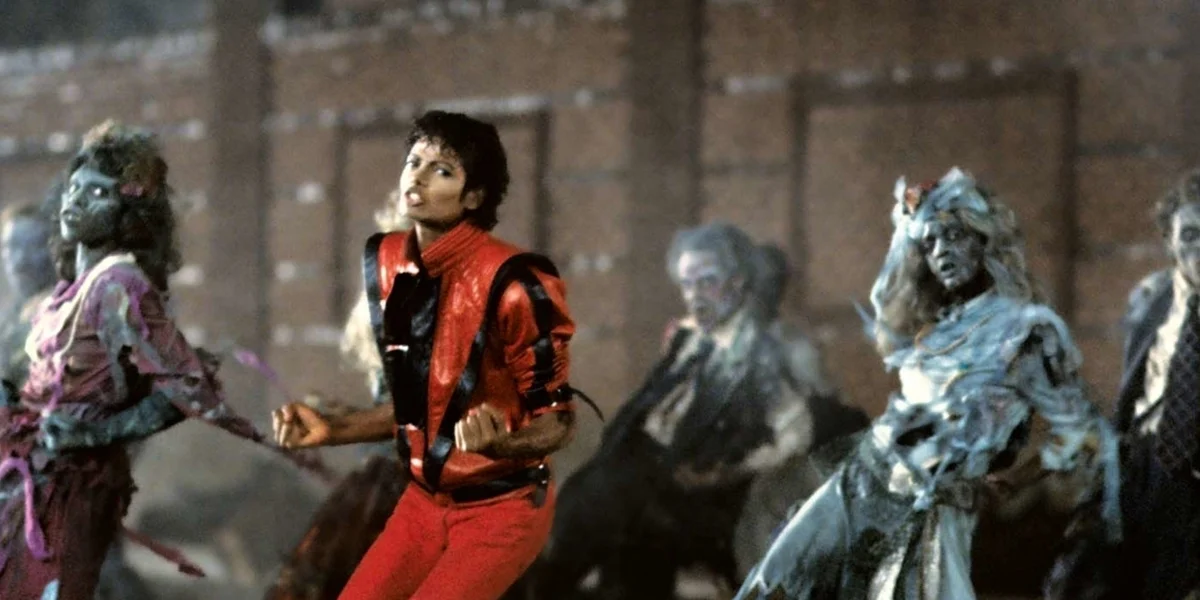
Before the 1980s, music videos were often simple performance clips. After Thriller, they became short films. Jackson approached the format with narrative seriousness. He collaborated with established directors, invested heavily in choreography and storytelling, and treated each visual release as an event.
This shift altered audience expectations. Fans began to anticipate narrative arcs, character transformations, and technical spectacle. The idea that a music video could premiere in prime time television slots, drawing millions of viewers simultaneously, reshaped how pop culture synchronized global attention.
Even in today’s algorithm-driven landscape, echoes of that model remain. High-concept visuals are still used to signal artistic evolution. Artists still understand that a strong video can amplify a song into something mythic. The grammar of dramatic entrances, synchronized dance breaks, and cinematic lighting owes much to the groundwork Jackson laid decades ago.
Fashion as Performance Language
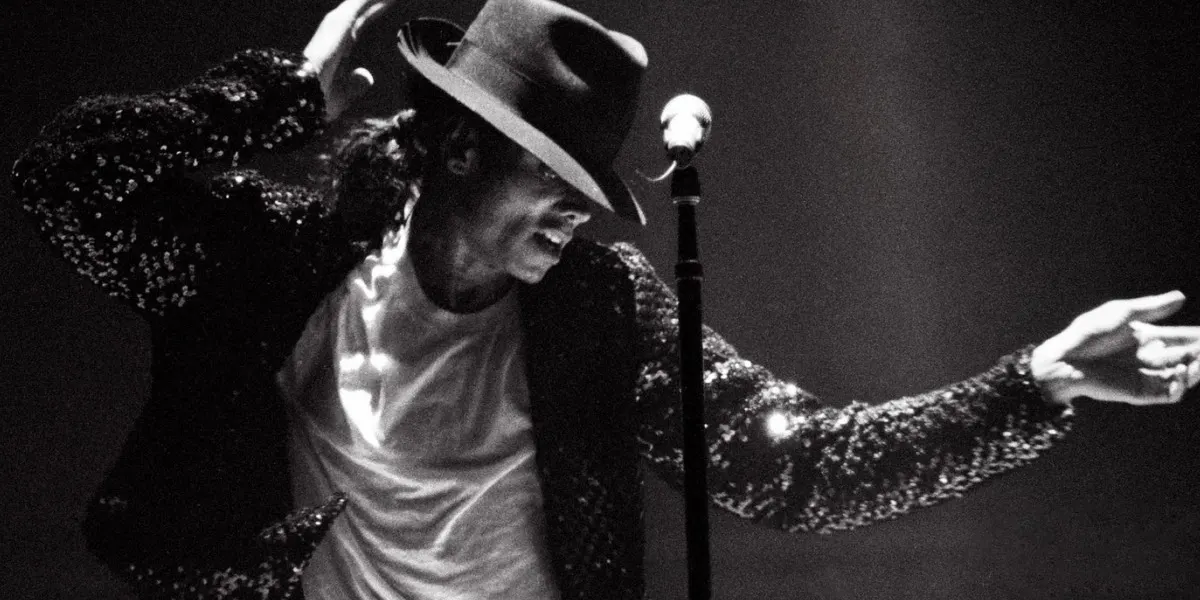
Michael Jackson did not treat clothing as decoration. He used it as semiotic code. The red leather jacket, the single sequined glove, the military-inspired tailoring, the fedora tilted low over one eye. These were not random stylistic choices. They were symbols engineered for instant recognition.
He mastered silhouette. Even in still images, his outline was unmistakable. High-water trousers revealed white socks that accentuated footwork. Structured shoulders conveyed authority. Metallic fabrics caught stage lights and extended movement into visual shimmer. The clothes amplified choreography rather than competing with it.
His influence on fashion extends beyond direct imitation. Designers continue to reference his balance of theatricality and minimalism. Streetwear borrows the militaristic detailing. Luxury brands revisit the sharp, embellished jackets. The fusion of performance wear and everyday style, now common in pop and hip hop, finds one of its most potent early expressions in his wardrobe choices.
More importantly, he demonstrated that male pop stars could embrace flamboyance without sacrificing dominance. He blurred lines between softness and strength, glamour and discipline. That fluidity paved the way for broader expressions of masculinity in mainstream fashion.
Choreography as Global Language
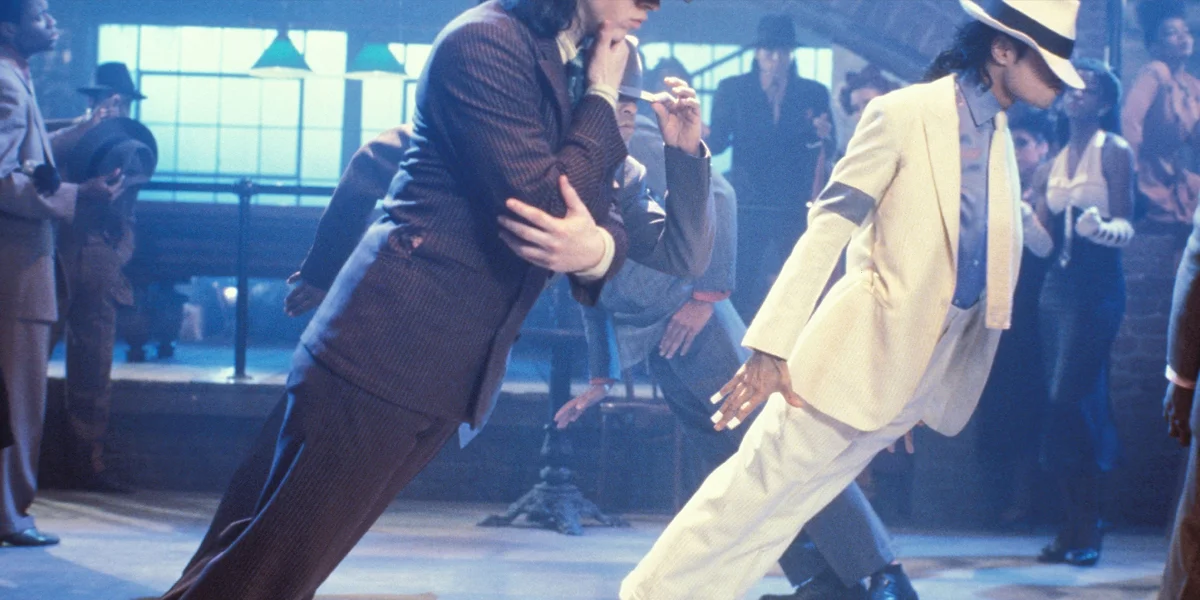
When people mimic the moonwalk, they are participating in a cultural ritual. Dance, in Jackson’s case, became a lingua franca. His movements were precise yet elastic, controlled yet seemingly gravity-defying. He combined street styles, classic showmanship, and robotic isolations into a vocabulary that felt both futuristic and accessible.
What distinguished him was not just technical ability, but narrative choreography. Every gesture served dramatic purpose. A sharp spin marked a musical climax. A freeze framed tension. Even stillness was choreographed. Silence on stage could feel as charged as a full orchestral hit.
Today’s stadium performers rely on tightly synchronized dance ensembles, elaborate formations, and cinematic transitions. That expectation of choreographic excellence in pop concerts can be traced to the bar he set. He proved that dance was not supplementary entertainment. It was central to the emotional architecture of a performance.
Dance crews across continents still reference his routines. Social media challenges revive decades-old choreography for new generations. The persistence of these movements underscores something deeper than nostalgia. It reflects structural durability. The choreography was designed with clarity and iconic framing, making it endlessly reproducible.
Spectacle and the Architecture of Modern Touring
Large-scale pop tours now function as immersive spectacles, complete with pyrotechnics, elaborate stage mechanics, and tightly timed visual effects. Jackson helped codify that scale. His tours were not simply concerts. They were engineered experiences, blending music, dance, costume changes, and cinematic interludes into cohesive narratives.
He understood pacing. A show required tension, release, intimacy, and explosion. Quiet ballads would reset the emotional field before high-energy numbers reignited it. The physical stage itself became dynamic, often incorporating elevated platforms and dramatic lighting transitions.
This architecture of spectacle has become the default for global superstars. Audiences expect more than live vocals. They expect total immersion. That expectation did not emerge organically. It was cultivated.
Crossing Racial and Geographic Boundaries
One of the most consequential aspects of his legacy lies in market expansion. In an era when radio and television programming were still shaped by racial segmentation, his crossover success forced gatekeepers to adapt. His videos received heavy rotation on channels that had previously marginalized Black artists. His concerts drew multiracial, multinational crowds at unprecedented scale.
This was not merely symbolic. It had economic implications. Record labels recognized the profitability of artists who could transcend genre and demographic silos. Global marketing strategies expanded accordingly.
His appeal in Asia, Europe, Africa, and Latin America demonstrated that pop could function as a universal language. That global template now underpins the careers of contemporary international stars. The blueprint for worldwide tours, multilingual promotion, and synchronized global releases owes part of its viability to the precedent he established.
The Myth of Perfection and the Burden of Iconography
Part of Jackson’s enduring relevance stems from the mythic quality of his persona. He cultivated an aura that oscillated between childlike vulnerability and regal command. This duality fueled fascination. He was both approachable and distant, human and otherworldly.
Perfectionism became central to his brand. Studio sessions were legendary for their intensity. Rehearsals were exhaustive. The public image projected near-superhuman discipline. That mythology shaped how later artists approached stardom. The expectation that a pop icon must deliver flawless live performances and meticulously crafted visuals can be traced to this standard.
At the same time, the burden of iconography reveals something about modern celebrity. When an artist becomes symbol rather than individual, every gesture carries amplified meaning. Jackson’s life illustrates the costs and complexities of such magnitude. The fascination with him continues partly because he embodied both triumph and vulnerability at scale.
Cross Generational Relevance in the Digital Era
Perhaps the most compelling evidence of his cultural durability is his persistent presence among listeners who were not alive during his peak. Streaming platforms regularly surface his catalog to younger audiences. Dance trends recycle his choreography. Fashion cycles rediscover and reinterpret his aesthetic codes.
This is not accidental revival. It is structural integration. His songs are embedded in film soundtracks, sporting events, and social media audio clips. Each new technological platform recontextualizes his work without diminishing its impact.
Cross generational relevance requires more than catchy hooks. It requires thematic elasticity. His music addressed ambition, isolation, social injustice, romance, and fantasy. These themes remain legible across decades. Production techniques may date, but emotional frameworks endure.
In digital culture, where trends evaporate rapidly, durability is rare. The fact that his catalog continues to generate discussion and reinterpretation suggests that his work operates at a foundational layer of pop consciousness.
Why the King Still Dominates
To say that Michael Jackson still dominates fashion and music is not hyperbole. It is an acknowledgment that many of the rules governing contemporary pop were written during his ascent. The integrated album campaign, the cinematic music video, the choreographed stadium spectacle, the deliberate visual branding, the global crossover strategy. These are not fringe innovations. They are industry standards.
His legacy persists because it is infrastructural. Even artists who consciously avoid direct comparison operate within frameworks he helped solidify. Designers reference his silhouettes. Dancers study his timing. Producers analyze the layering techniques of his recordings. Cultural critics debate his symbolism.
He occupies a paradoxical space. On one hand, he belongs to a specific historical era. On the other, he feels permanently contemporary. That duality explains why new generations continue to discover him not as archival figure, but as active presence.
The King of Pop title endures not because it was declared once upon a time, but because the architecture he built still holds. When modern performers step onto a stadium stage in meticulously tailored outfits, supported by synchronized dancers and cinematic visuals, they are walking through doors he pushed open. His cultural shadow is not fading. It is structural, woven into the very fabric of global pop.
Fans who appreciate that legacy often enjoy collecting pieces inspired by it, such as designs found in the Michael Jackson graphic t-shirt collection.
