
No products in the cart.
Music
Arctic Monkeys Songs in Movies and TV Shows: Iconic Soundtrack Moments
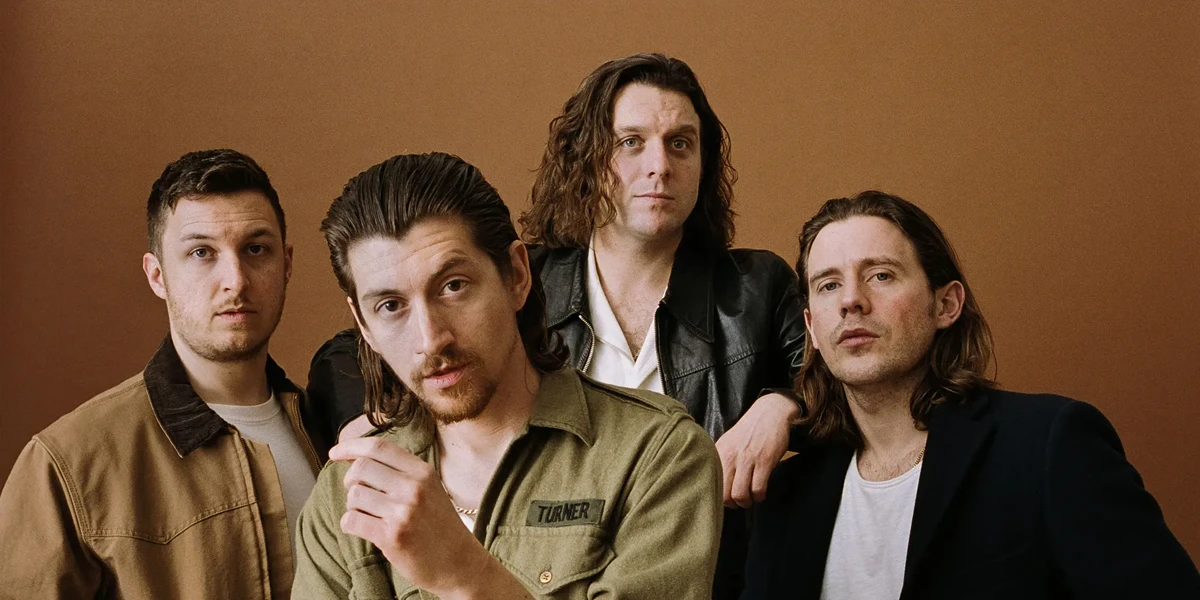
Arctic Monkeys Songs in Peaky Blinders
Peaky Blinders, created by Steven Knight and running for six seasons from 2013 to 2022, chronicles the rise of the Shelby family in post–World War I Birmingham. The show’s soundtrack famously mixes period jazz and folk with modern rock to create a timeless, stylized atmosphere. Arctic Monkeys are among the prominent contemporary bands featured, with several tracks from their 2013 album AM and earlier records appearing at crucial moments.
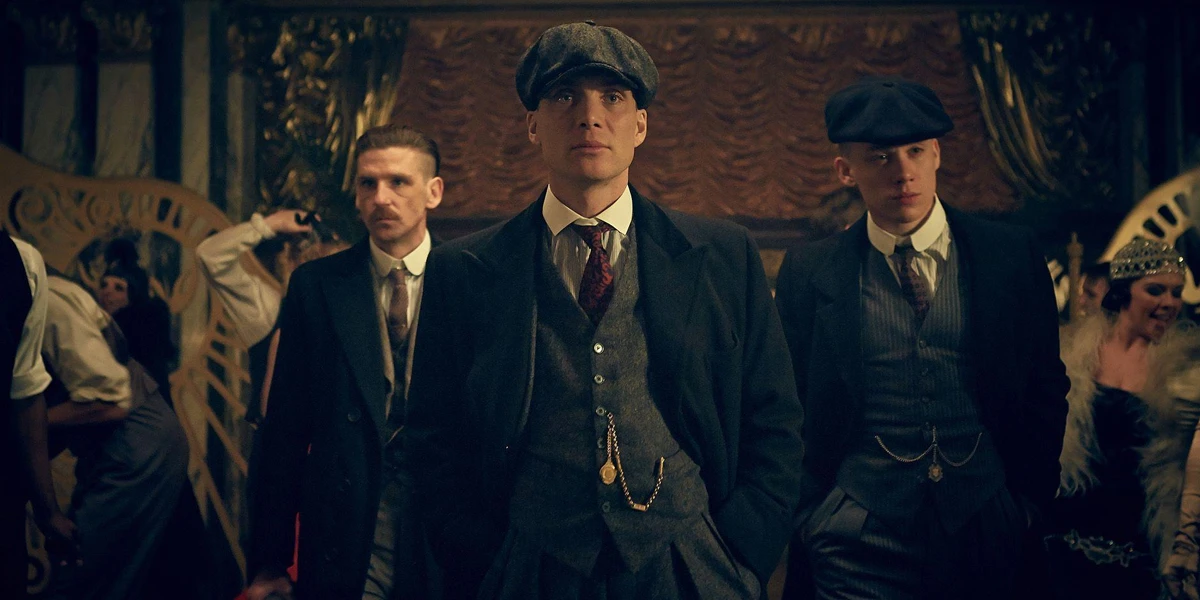
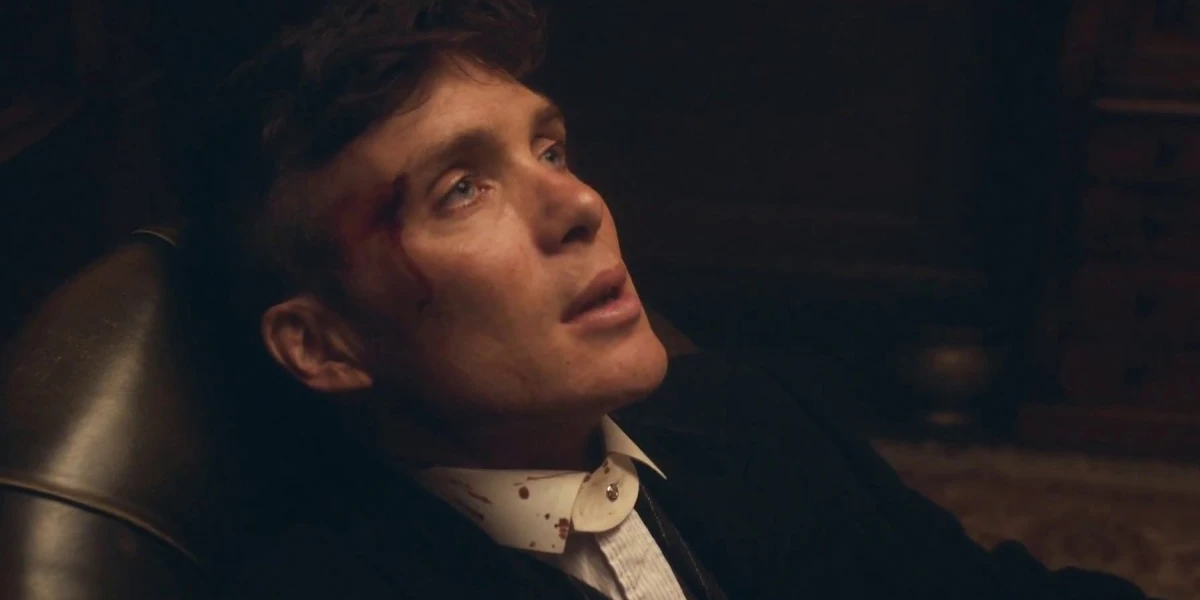
The partnership became especially visible in Season 2. Critics noted that Episode 4 opens “spectacularly” with “R U Mine?” as the backing track, instantly giving the hour a jolt of modern urgency that fits Tommy Shelby’s escalating ambitions. In the Season 2 finale, multiple Arctic Monkeys songs are woven into the narrative, including “Arabella,” “One for the Road,” and an instrumental version of “Do I Wanna Know?”, which plays over the climactic ending as Tommy’s fate hangs in the balance. These choices align the band’s moody, nocturnal sound with the show’s themes of risk, betrayal, and obsession.
The synergy between Arctic Monkeys and Peaky Blinders lies in tone. The band’s gritty Sheffield origins and noir-leaning AM-era production mirror the industrial underbelly and moral ambiguity of the Shelby world. While different episodes feature the songs in various ways, a few placements have become fan favourites and are well-documented by soundtrack credits and episode guides.
| Season | Episode | Song | Album (Year) | Scene Context | Notes |
|---|---|---|---|---|---|
| 2 | 4 | R U Mine? | AM (2013) | Used in the opening of the episode, giving the story an immediate, propulsive energy as tensions rise around Tommy Shelby’s latest moves. | One of the earliest prominent modern rock uses in the series, often mentioned in contemporary reviews of the season. |
| 2 | 6 (Finale) | Arabella | AM (2013) | Heard early in the finale during build-up sequences involving Tommy and his rivals, adding swagger and menace before the showdown with Alfie Solomons. | Listed in official episode soundtrack rundowns; fans frequently cite it as a standout music cue in the season. |
| 2 | 6 (Finale) | One for the Road | AM (2013) | Appears in the same episode as part of the escalating tension before the climax, bridging quieter setup scenes and the final confrontations. | Part of a run of AM tracks that give the finale a distinctly contemporary pulse. |
| 2 | 6 (Finale) | Do I Wanna Know? (instrumental) | AM (2013) | Instrumental version underscores the closing sequence in the field, where Tommy’s life hangs by a thread, matching the slow-burn tension of the moment. | Sometimes cited in articles about the show’s musical moments and noted as a memorable use of a modern song. |
Across the full run of Peaky Blinders, Arctic Monkeys tracks also appear more subtly in background moments, recaps, and mood-setting sequences. The heavy emphasis on AM-era songs during Season 2, however, remains the clearest example of how the band’s music can act as a modern heartbeat for a period drama.
Why Their Sound Works So Well in Peaky Blinders
Part of the reason these placements are so effective is that they mirror the characters’ inner worlds. The slow, hypnotic riff of “Do I Wanna Know?” matches the way Tommy weighs every decision in silence before acting. The swagger and tension in “Arabella” and “One for the Road” echo the mix of confidence and volatility that defines the Shelby empire at its peak. Rather than feeling like simple needle drops, the songs function almost like internal monologues, giving a modern voice to characters living in the 1920s.
Arctic Monkeys in Movies and Other TV Shows
Beyond Peaky Blinders, Arctic Monkeys songs have appeared in a range of films and television shows, usually chosen for their ability to express longing, tension, or cool detachment without overwhelming the visuals. Some of these placements come from major network dramas, others from cult indie films, and several from British TV staples that helped cement the band’s popularity at home.
| Title (Type) | Year | Song | Album | Scene Context |
|---|---|---|---|---|
| Safety Not Guaranteed (Movie) | 2012 | Brick by Brick | Suck It and See (2011) | Used in a training montage where Kenneth and Darius practice shooting bottles, bringing a rough, garage-rock energy to the offbeat sci-fi story. |
| Forever (TV series, ABC) | 2014 | Do I Wanna Know? | AM (2013) | Featured in the pilot’s soundtrack, helping establish the show’s moody, contemporary New York tone in contrast to its immortal main character’s old soul. |
| Ish Hasuv Meod / Very Important Person (TV series, Israel) | 2014 | Do I Wanna Know? | AM (2013) | Appears in an early episode’s soundtrack, pairing the song’s simmering tension with the show’s focus on personal and professional pressure. |
| The Inbetweeners (TV series, UK) | 2008 | Fluorescent Adolescent | Favourite Worst Nightmare (2007) | Heard during Series 1 and especially associated with the episode “Thorpe Park,” where its nostalgic, chaotic feel matches the messy teenage misadventures. |
| Waterloo Road (TV series, UK) | 2014 | Knee Socks / Mad Sounds / One for the Road | AM (2013) | Used across later-series episodes, including “Pool Party” and “Baby Boom,” to underscore school drama and relationship tension with a modern indie-rock edge. |
In the indie film Safety Not Guaranteed, “Brick by Brick” is a particularly striking choice. The song’s stomping drums and repetitive lyrics play over a training montage, giving the scene a tongue-in-cheek bravado that matches the film’s blend of sincerity and absurdity. Because the movie reached a dedicated cinephile audience, this placement helped introduce the track — and, by extension, the band’s later-era material — to viewers who might have missed the original album rollout.
Television has also been crucial. In the British comedy The Inbetweeners, “Fluorescent Adolescent” became strongly associated with the series, encapsulating the frustration, nostalgia, and awkwardness of late teenage years. Similarly, school drama Waterloo Road leaned on AM-era tracks like “Knee Socks” and “Mad Sounds” in 2014 episodes, using them to give emotional weight and contemporary flavor to its storylines.
Network and international TV placements such as Forever and Ish Hasuv Meod show how “Do I Wanna Know?” has travelled far beyond its original album cycle. The song’s recognizable riff and slow build make it ideal for moody opening sequences or reflective character beats, which is why it continues to appear across different territories and genres.
Beyond Screens: Games and Other Media
While this article focuses mainly on film and television, it is worth noting that Arctic Monkeys’ songs also appear in popular video games. “R U Mine?” has been featured in titles like Forza Horizon, Rocksmith 2014, and Guitar Hero Live, while “Do I Wanna Know?” appears in the open-world racing game The Crew. These placements further extend the band’s reach, especially among younger players who discover the music first through gameplay rather than radio or streaming playlists.
The Impact of Soundtrack Placements on Arctic Monkeys’ Popularity
Soundtrack features have played a meaningful role in sustaining and expanding Arctic Monkeys’ relevance. Each time a song anchors a memorable scene, it acts as a gateway: viewers search for the track, save it to playlists, and then explore the rest of the catalog. This effect is particularly visible for songs like “Do I Wanna Know?” and “Fluorescent Adolescent,” which already had strong fanbases but gained new waves of listeners after key appearances in shows such as Peaky Blinders and The Inbetweeners.
- Algorithm boosts: After a placement, featured songs often surface in “TV & film soundtrack” or “Trending now” playlists on streaming platforms, exposing them to listeners who might not follow the band directly.
- Social clips: Scenes from series like Peaky Blinders cut to tracks such as “Do I Wanna Know?” circulate widely on TikTok, YouTube, and fan edits, keeping both the show and the music in ongoing conversation.
- Deeper catalog discovery: Once a viewer connects emotionally with a single track, they frequently move on to entire albums, merch, and live performances, reinforcing Arctic Monkeys’ long-term cultural footprint.
In this way, soundtrack roles do more than provide background noise. They help define how songs are remembered, attaching them to characters, moods, and visual motifs that can recontextualize the music for new generations.
Conclusion
Arctic Monkeys’ contributions to movies, TV shows, and games have created some of the most distinctive soundtrack moments of the last two decades, from the tense fields of Peaky Blinders to the offbeat sci-fi training of Safety Not Guaranteed. Their ability to enhance drama, evoke emotion, and instantly set a mood underscores a lasting synergy between the band and visual storytelling.
For more insights into the music behind these moments, explore underrated Arctic Monkeys songs or dive into character-linked tracks in songs with girls’ names.
If you love the energy and spirit of these tracks and want to express that passion through everyday style, discover our curated Arctic Monkeys t-shirt collection — a way to celebrate your favorite band with high-quality designs inspired by their most iconic songs.
