
No products in the cart.
Music
Decoding Arctic Monkeys: What Their Songs Are Really About

Arctic Monkeys, the iconic rock band from Sheffield, England, has shaped pop music culture over nearly two decades with a rich discography of seven studio albums, selling over 20 million units worldwide when you combine albums and streaming equivalents. Formed in 2002 by Alex Turner and the original members, the group rose to fame with their debut album Whatever People Say I Am, That’s What I’m Not (2006), marking the explosion of a new generation of indie rock. This article decodes “Arctic Monkeys song meanings explained,” delving deep into the core themes in their lyrics, from the chaotic energy of youth and complex relationships to mature reflections on life and society, through the lens of each album. Alex Turner’s songwriting not only tells stories but also mirrors his personal journey, from a street-observing kid in Sheffield to a global icon, creating an evergreen appeal in pop culture. We will explore how these tracks transcend music to influence cultural expression, particularly through graphic designs inspired by the lyrics.
Album Debut: “Whatever People Say I Am, That’s What I’m Not” (2006) – The Raw Energy of Youth
Arctic Monkeys’ debut album quickly became an icon, topping the UK Albums Chart in its first week and winning the 2006 Mercury Prize. Produced by Jim Abbiss, it captures the gritty garage rock spirit, drawing inspiration from Sheffield’s nightlife, where Turner observed young society with sharp satire. The main themes revolve around hedonism, social observation, and teenage rebellion, reflecting “what Arctic Monkeys songs are really about” in their early phase: a vivid portrait of urban chaos.
One standout opening track is “I Bet You Look Good on the Dancefloor,” the band’s first UK Top 10 single. The lyrics describe the allure of the dance floor and the chaos of nightlife encounters, offering a light critique of club culture where people seek fleeting connections. Turner drew from his local nights out, turning it into an anthem for a generation chasing freedom. Next, “When the Sun Goes Down,” one of the album’s biggest songs, digs into more serious social issues, condemning the sex industry and urban decay. Turner has said the song stems from real observations in Sheffield, evoking the tragic waiting of society’s outcasts. It is widely regarded as one of the album’s most important tracks, blending British humor with deep commentary.
“Mardy Bum” offers another example of everyday relationships, depicting a moody girlfriend through humorous details on frustration in young love, with an upbeat melody masking subtle disappointment. This album is not just a soundtrack for youth but influences pop culture by normalizing ordinary stories, often quoted in fan art and graphic merchandise. To dive deeper into tracks with girls’ names like “Mardy Bum,” check the detailed analysis in the article on Arctic Monkeys songs with names.
Overall, Whatever People Say I Am positions Arctic Monkeys as street storytellers, with lyrics shifting from passive observation to self-awareness, laying the foundation for later evolution. This rawness has inspired countless graphic t-shirt designs featuring nightlife and rebellion motifs, like satirical prints of dance floors or Sheffield streets.
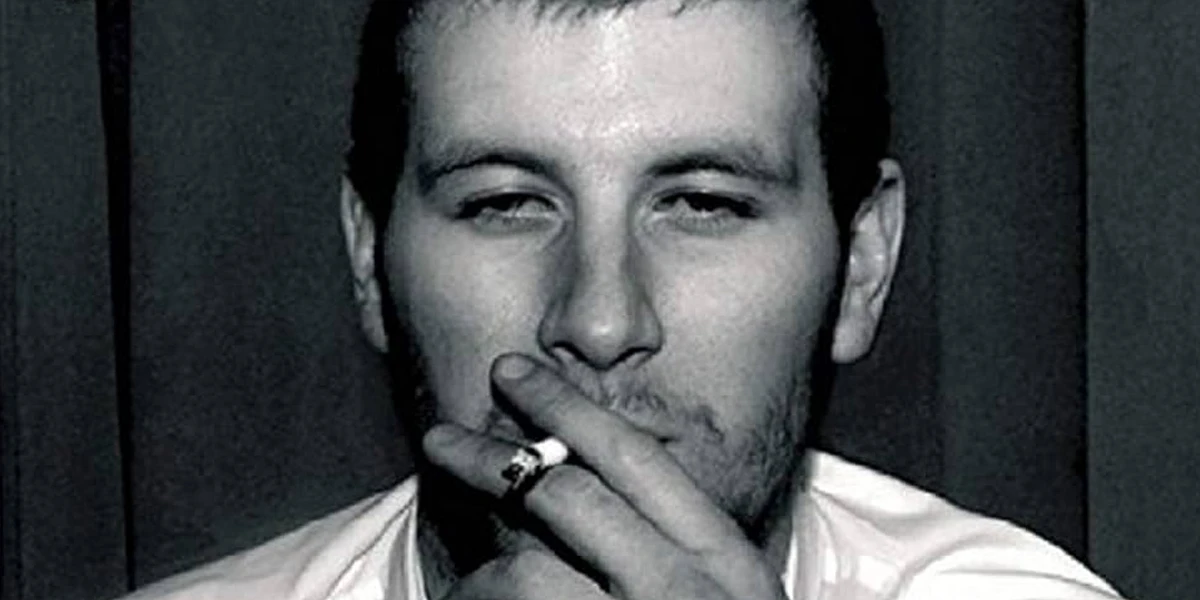
“Favourite Worst Nightmare” (2007) – The Pressures of Fame and Relationships
Just a year after the debut, Arctic Monkeys released Favourite Worst Nightmare, their second album to top the UK Albums Chart and expand their international fanbase. Produced by James Ford and Mike Crossey, it retains garage rock but adds a darker layer, addressing the sudden onset of fame and emotional tensions. The central themes are the complexities of relationships and loneliness in crowds, highlighting “decoding Arctic Monkeys lyrics” in this transitional phase.
“Fluorescent Adolescent” stands out, reaching the UK Top 5, depicting a couple losing their youthful spark with nostalgic lines on growing old and routine life, critiquing the routinization of young relationships inspired by Turner’s circle of friends. It became an anthem for millennials, with pop culture references making the lyrics vivid. Another track is “505,” a mysterious ballad with over 2 billion Spotify streams. The lyrics evoke a returning lover or addiction, with “I’m going back to 505” often interpreted as a hotel room number or metaphor for returning to a specific person or moment. Turner has described it as one of the band’s first proper love songs and has talked about it as capturing conflicted longing he cannot quite leave behind.
“D Is for Dangerous” explores the peril in romantic attraction, with sharp lines about trust and betrayal. This album marks maturity, shifting from party anthems to introspection, reflecting fame’s pressures after major tours. These lyrics have permeated pop culture, often appearing on graphic t-shirts with quotes evoking lost youth.
“Humbug” (2009) – Darker Tones and Experimentation
Humbug signals a shift, produced by Josh Homme of Queens of the Stone Age alongside James Ford, bringing psychedelic rock and darker themes. The album topped the UK Albums Chart, exploring love, isolation, and inner shadows, enriching “Arctic Monkeys lyrics explained” through an experimental lens.
“Crying Lightning” opens powerfully, depicting an emotional storm of jealousy as a metaphor for toxic romance. Turner drew from fragmented images and dreamlike ideas, transforming them into an eerie, driven track. “Cornerstone,” an underrated deep cut, narrates a journey searching for a lost love through pubs and late-night encounters, evoking wandering sadness with melancholic melodies. Fans often see it as an underrated gem that reveals Turner’s growth as a storyteller. This album shows boldness, influencing graphic designs with dark motifs like lightning, deserts, or solitary journeys. For more on lesser-known tracks, read the article on underrated Arctic Monkeys songs.
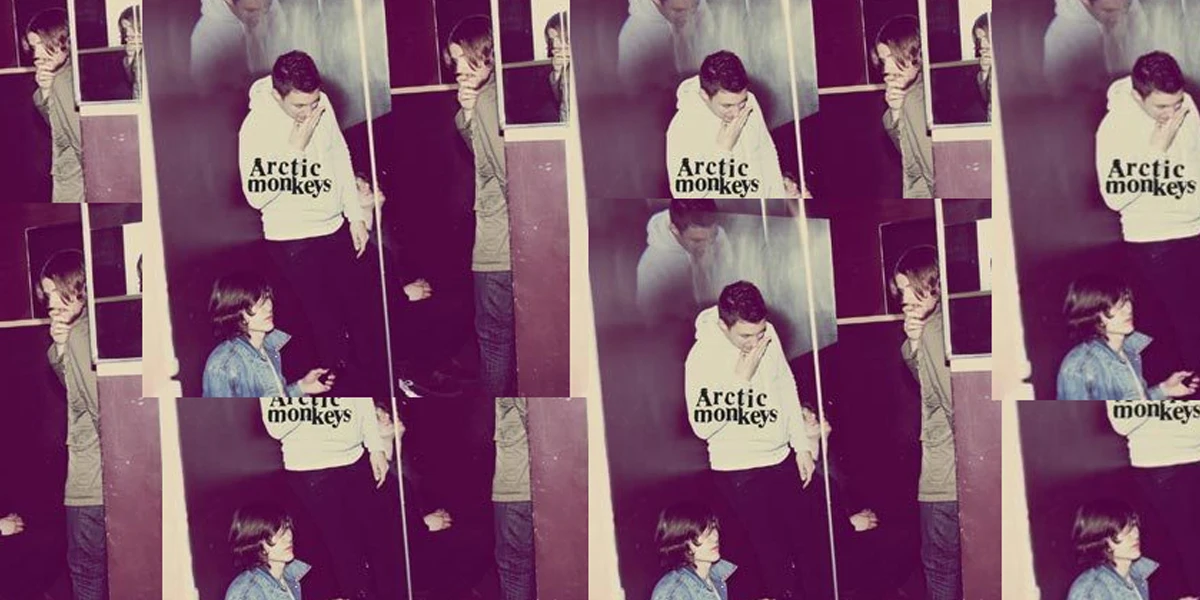
“Suck It and See” (2011) – Whimsical Yet Profound Love
Returning to rock roots with James Ford’s production, Suck It and See debuted at number one on the UK Albums Chart, focusing on playful love mixed with introspection. The album balances humor and depth, continuing the journey of “what Arctic Monkeys songs are really about.”
“Don’t Sit Down ‘Cause I’ve Moved Your Chair” is a fun track, listing absurd “dangerous” activities to illustrate risk and superstition, parodying indie tropes with British wit. “Piledriver Waltz,” an acoustic-driven ballad that first appeared on the Submarine soundtrack, describes fleeting romance with imagery of heartbreak and mundane details, turning everyday scenes into emotional snapshots. Turner delivers the lyrics with a softer, crooner-like tone that hints at the direction he would later pursue. These songs inspire graphic t-shirts with whimsical images like moving chairs, waltzing couples, or surreal metaphors pulled from the lyrics.
“AM” (2013) – Peak Popularity and Sensuality
AM marked a major breakthrough, reaching the US Billboard Top 10 and becoming one of the best-selling and most-streamed indie rock albums of the 2010s. Produced by James Ford and Ross Orton with clear R&B and hip hop influences, the album explores desire, late-night confessions, and complicated attraction.
“Do I Wanna Know?” the lead single with over 2.4 billion streams on Spotify, obsesses over unspoken love and insomnia-inspired longing. Built around a stomping guitar riff, it became a sensual anthem and the band’s big breakthrough moment in the United States. “R U Mine?”, a garage rock hit, conveys possessive attraction and impulsive decisions. “Arabella” is an ode to a dream girl, with sci-fi and vintage rock references adding layers to the character. This album strongly permeates pop culture, with lyrics about desire and late-night texting often appearing on graphic t-shirts.
Tracks from this era have also become staples in films and TV, amplifying their cultural reach—discover the best moments in our feature on Arctic Monkeys Songs appearing in movies and TV shows.
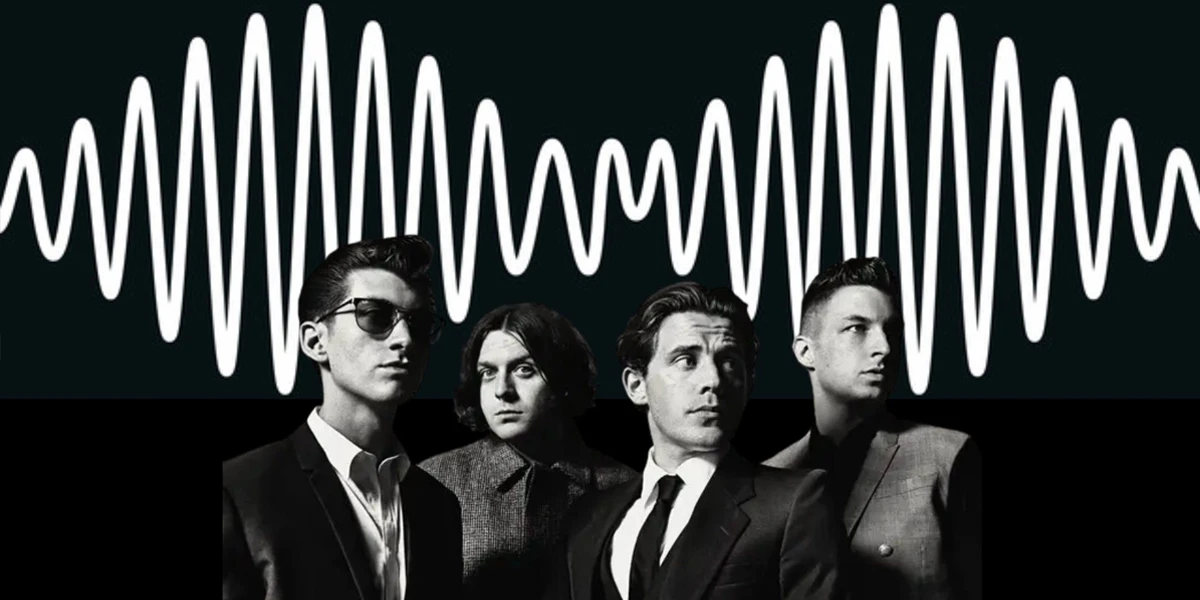
“Tranquility Base Hotel & Casino” (2018) – Sci-Fi Escapism and Social Critique
Tranquility Base Hotel & Casino represents Arctic Monkeys’ boldest shift, released in 2018 and topping the UK Albums Chart. Produced by James Ford and Alex Turner with contributions from session musicians such as Loren Humphrey, this concept album draws from conspiracy theories and consumer culture, imagining a moon hotel as a metaphor for escaping reality and lightly critiquing capitalism and celebrity life. With a slow, psychedelic lounge rock sound infused with jazz, it departs from garage rock origins, sparking some fan debate but widely praised for creativity. The core themes here are escapism and media saturation, where Turner explores loneliness in a virtual world and illusions, deepening “Arctic Monkeys song meanings explained” through a postmodern lens.
“Four Out of Five” is the lead single, reaching the UK Top 20, with lyrics narrating a surreal promotional campaign for a taqueria on the moon that doubles as a critique of hype culture and fake certainty. The optimistic refrain sits uneasily over lyrics about information overload and crisis, mirroring modern uncertainty. The track blends smooth guitar riffs with piano for a cinematic feel. Next, “Science Fiction” expands the theme, pondering time and immortality through a cosmic lens, touching on the unease of growing older in an always-online world. It emphasizes how people use technology and fantasy to evade real emotions. Another standout is “The Ultracheese,” closing the album with self-deprecating lines that critique relationships and nostalgia through intentionally cheesy, almost old-Hollywood tropes. The record is often described as a sci-fi lounge album, with nods to artists like Elvis Presley and David Bowie, showcasing musical maturity.
This album not only experiments with sound but influences pop culture by blending clever lyrics with futuristic visuals, often recreated by fans in graphic art and t-shirts featuring moon, lounge, or illusory hotel motifs. This boldness solidifies Arctic Monkeys’ status as a band unafraid of change, from indie rock to concept albums, paving the way for deeper reflection in later projects.
“The Car” (2022) – Mature Reflections, Legacy, and Closure
The Car, Arctic Monkeys’ seventh album and a high point of their mature phase, was released in 2022 under James Ford’s production. It peaked at number two on the UK Albums Chart and earned a Mercury Prize nomination. With a rich orchestral sound, including prominent string arrangements and piano, it marks a return after four years, focusing on themes of aging, legacy, and long-term relationships, reflecting Alex Turner in his mid-thirties with a more seasoned perspective. The energetic garage rock of the early years is replaced by a cinematic atmosphere drawing from film noir, soul, and classic pop, enriching “what Arctic Monkeys songs are really about” in this later chapter. The album questions luxury, regret, and the search for meaning, with Turner reflecting on what it means to be in a band for nearly two decades in interviews.
Lead single “There’d Better Be a Mirrorball” opens with a slow, orchestral ballad that uses the mirrorball as a symbol of fragile hope and possible endings. The lyrics circle around the awkwardness of a breakup or closing chapter, delivered in crooner-style vocals that evoke classic torch songs rather than indie rock. Written around the pandemic years, it captures a sense of suspended time and uncertainty. “Big Ideas,” one of the album’s key tracks, is a complex waltz depicting the creative process and artistic pressures, with lines hinting at grand plans that never quite translate into reality. Strings and guitar work together to convey both ambition and fatigue.
Another highlight is “Body Paint,” a single built on lyrics about a deceptive yet familiar romance. Turner sings about performance and disguise, exploring the thrill of the chase as well as the unease of not knowing where you stand. Groovy rhythms and 70s soul-inspired guitar riffs underline the tension between gloss and vulnerability. The album closes with “Perfect Sense,” a piano-driven track on distorted perceptions and quiet closure, tying into the overarching theme of legacy and what remains after the spotlight fades.
This album is not just a late-career experiment but a statement about heritage, making it a soundtrack that resonates with listeners facing midlife questions across generations. In pop culture, The Car inspires sophisticated graphic designs with car silhouettes, disco mirrors, or reflective imagery motifs, often on premium t-shirts that try to capture Turner’s more introspective stage.
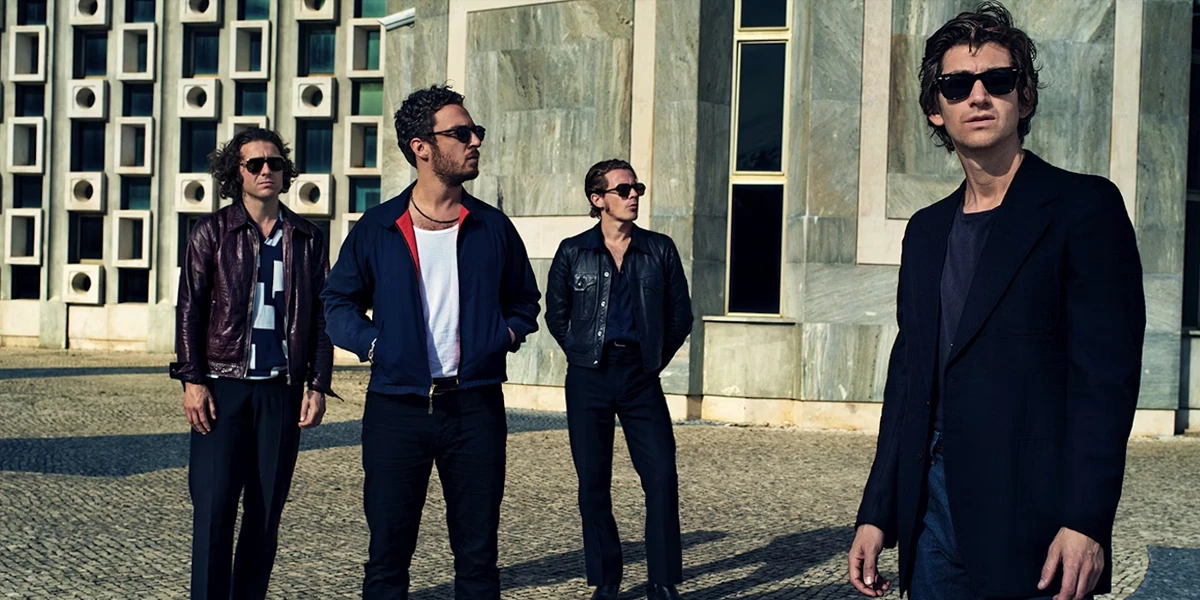
Overall Themes and Cultural Impact
Across seven albums, Arctic Monkeys’ lyrics evolve from raw energy to sophisticated storytelling. Early records paint nightlife, working-class drama, and messy relationships, while later albums lean into surreal imagery, media critique, and reflections on fame, aging, and memory. Songs like “I Wanna Be Yours” (with over 3 billion Spotify streams) and “505” have become modern standards, gaining new life through social media and streaming. Along the way, their words have inspired not just playlists but fan culture: quotes show up in memes, tattoos, poster art, and graphic t-shirts that capture feelings like possessive love, insomnia, or nostalgic nights out.
This connection between music and visual culture makes their work feel timeless. Fans do not just listen; they wear the lines on their clothes, turn album aesthetics into room decor, and reinterpret the band’s imagery in new contexts. Arctic Monkeys’ journey shows how a band can start as sharp observers of local nightlife and grow into global voices for love, confusion, and self-reflection without losing their wit.
Conclusion
Arctic Monkeys songs are ultimately about human experiences: love and breakups, social pressure, nightlife, fame, memory, and the uneasy process of growing older. That is why their catalog keeps attracting new listeners long after release dates. If these lyrics resonate, explore graphic t-shirts inspired by them at the Arctic Monkeys graphic shirt collection.
